
Evolution of Singapore’s Oil Storage and Trading Infrastructure and Financial Ecosystem
Evolution of Singapore’s Oil Storage and Trading Infrastructure and Financial Ecosystem
Singapore’s rise as a preeminent global oil trading hub is the result of decades of strategic infrastructure development, robust refining capacity expansion, and the sophisticated maturation of its financial market ecosystem. For business leaders and technology professionals operating in Southeast Asia’s dynamic B2B landscape, understanding the nuances of Singapore’s oil-related infrastructure offers critical insights into how integrated physical and digital ecosystems can drive operational efficiency, commercial scale, and supply-chain resilience. This article dissects the historical development, economic rationale, and business implications of Singapore’s oil storage, refining, and financial architecture, drawing on authoritative data and official sources.
Strategic Location and Port Infrastructure: The Foundation of Singapore’s Oil Hub
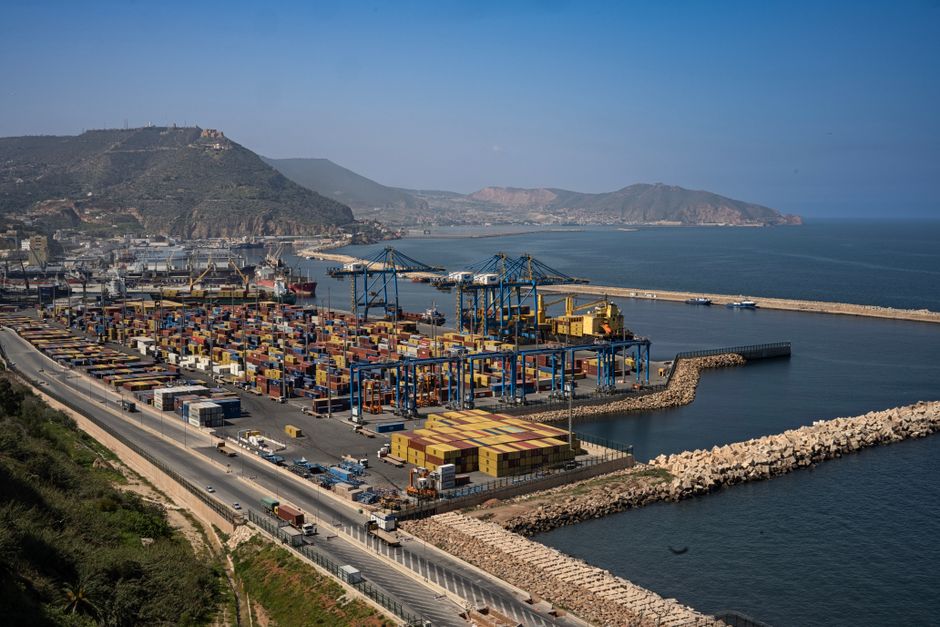
Singapore’s geographic position on the Malacca Strait, a crucial maritime passage connecting Middle Eastern crude producers with Asian consumers, underpins its logistical dominance. Its deep-water port facilitates not only the high volume throughput of crude and refined products but also supports a comprehensive ship-repair industry, extensive storage terminals, and a vibrant marine-fuel market. Together, these elements form a robust logistics network that ensures smooth, large-scale oil handling and trading operations.
This combination of geographic advantage and infrastructure investment is unmatched in the region, positioning Singapore as an indispensable node in the global oil supply chain. The port’s ability to accommodate large crude carriers and its efficient terminal operations enable seamless integration with refining and petrochemical facilities, minimizing operational friction and maximizing throughput capacity.
Industrial Expansion: Building Jurong Island into an Integrated Refining and Petrochemical Complex
Singapore’s industrial policy focus on Jurong Island transformed it into a world-class refining and petrochemical hub. Currently, the island supports approximately 1.3 million barrels per day (bpd) of refining capacity, ranking Singapore among the world’s top refinery exporters and oil-trading centers.[2] This infrastructure enables the processing, blending, and distribution of a diverse slate of petroleum products, from crude to naphtha and gas oil.
Rather than attributable to external preferences or single-country export policies, Jurong Island’s development resulted from Singapore’s strategic efforts to optimize limited land resources through industrial clustering and infrastructure investments. The integrated complex supports synergy among refineries, petrochemical plants, storage facilities, and port access, enhancing operational efficiency and value capture.
Advanced Storage Infrastructure: Above-Ground and Underground Solutions
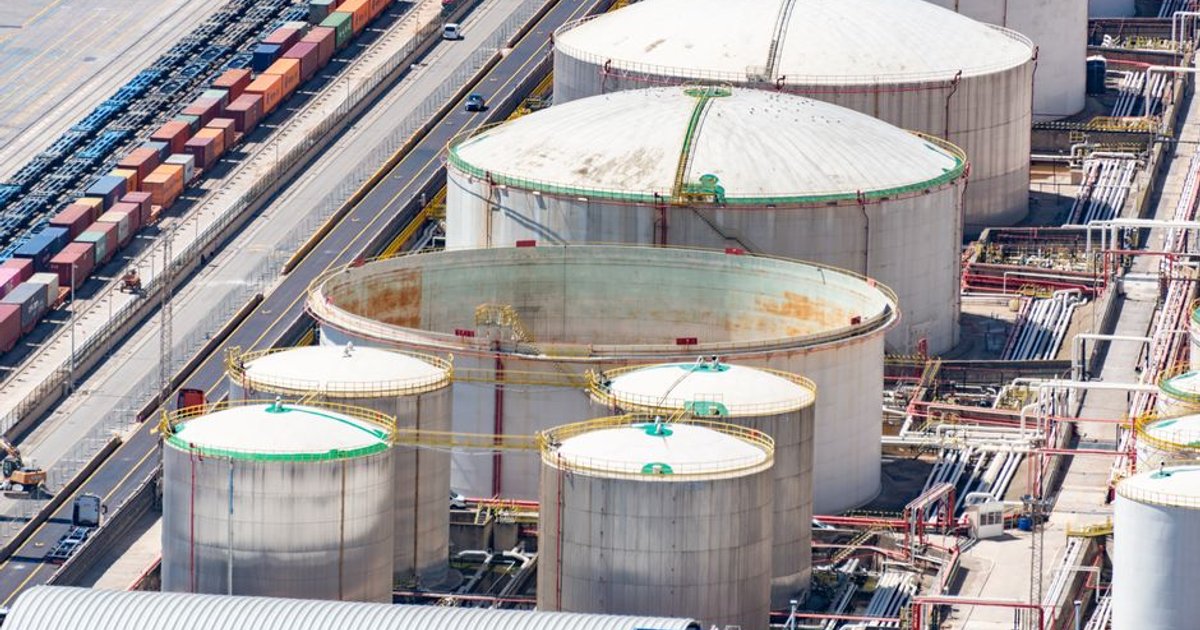
Storage capacity forms a critical pillar of Singapore's oil-trading system. Above-ground tank farms have traditionally been central, offering flexible access and operational familiarity. Complementing this, the Jurong Rock Caverns (JRC), developed starting in 2007 and fully operational by 2017,[2][7] provide approximately 1.47 million cubic metres of underground storage, equivalent to about 9 million barrels of crude oil, condensate, gas oil, and naphtha.
The JRC’s underground caverns, located around 150 metres below ground, use surrounding groundwater pressure to contain hydrocarbons safely. While underground storage incurs roughly 30% higher construction costs compared to equivalent above-ground tanks, it offers strategic advantages by freeing up approximately 60 hectares of valuable surface land for industrial use such as petrochemical plants.[9] This trade-off reflects Singapore’s prioritization of land efficiency and long-term industrial capacity over upfront cost minimization.
It is important to note that underground caverns are not universally the most cost-efficient or secure storage method. Their suitability depends heavily on local geology, groundwater conditions, product types stored, and access logistics. Hence, businesses evaluating storage infrastructure investments must carefully balance construction and operational costs against land value and strategic positioning.
Financial Ecosystem: Supporting Complex Commodity and Risk Transactions

Singapore’s financial market ecosystem complements its physical oil infrastructure by providing a comprehensive suite of services essential for large-scale commodity trading. The city-state hosts advanced banking, insurance, shipping finance, commodity trading, derivatives, and trade-finance institutions that collectively support transactions involving crude, refined products, freight, storage, and price risk management.
While the documented role of Singaporean financial institutions in US military oil procurement during the 1960s is inconclusive and not substantiated by archival evidence, it is broadly accepted that Singapore’s financial and commercial infrastructure has since become a critical enabler for regional and global commodity flow. This infrastructure facilitates complex risk mitigation strategies, financing arrangements, and contractual mechanisms that underpin the efficiency and scalability of oil trading activities.
Regulatory and Operational Considerations for Businesses
Singapore’s petroleum storage is regulated through a licensing framework administered by the Singapore Civil Defence Force. Licensing requirements depend on product class, quantity, location, and fire-safety design. This regulatory environment prioritizes operational safety and compliance without imposing a mandatory national crude-stockholding requirement, distinguishing Singapore’s approach from countries with formal strategic petroleum reserves.[8]
Additionally, commercial ownership of stored oil is protected under Singaporean law and international norms. There is no automatic government requisition or conversion of foreign-owned oil into emergency stockpiles without due legal process, compensation, and contractual terms. For businesses, clear delineation of storage contracts, including ownership rights, withdrawal permissions, insolvency protocols, and force-majeure clauses, is essential to mitigate risk and ensure operational continuity during market or geopolitical turbulence.
Implications for B2B Companies and Investors
Understanding Singapore’s oil infrastructure provides actionable insights for decision-makers evaluating investments or operational strategies in Southeast Asia’s energy and logistics sectors. Key factors to consider include:
- Capacity economics: Evaluate construction costs, land opportunity costs, maintenance, throughput charges, insurance, and terminal access fees.
- Product specification: Different petroleum products such as crude, condensate, diesel, fuel oil, and naphtha have varied handling and compatibility requirements impacting storage and transport.
- Location and connectivity: Assess pipeline connections, berth availability, draft restrictions, and proximity to refineries or blending facilities to optimize supply-chain integration.
- Market exposure: Singapore’s oil hub value is closely linked to Asian refining margins, shipping rates, Middle Eastern supply dynamics, and demand trends in China and Southeast Asia.
- Regulatory approvals: Anticipate requirements for petroleum storage licensing, fire and environmental safety compliance, hazardous materials management, customs, workplace safety, and urban planning.
- Contract structures: Carefully negotiate throughput agreements, minimum-volume commitments, title and custody definitions, inventory-finance arrangements, sanctions compliance, and force-majeure provisions.
- Security of title: Contracts should explicitly address ownership rights, permitted withdrawals, insolvency protections, liens, insurance coverage, and responses to emergency government actions.
These considerations highlight the interplay between physical infrastructure, regulatory frameworks, and financial mechanisms that underpin Singapore’s status as a resilient, efficient oil-trading hub.
What to Watch: Future Developments and Strategic Trends

Singapore’s oil trading ecosystem continues to evolve, driven by regional energy demand growth, technological advances in storage and risk management, and shifting geopolitical supply patterns. Notably, international players such as Saudi Arabia have announced plans to store crude oil in Singapore’s underground caverns starting in 2027,[5][6] further underscoring the strategic value of these facilities amid global energy market volatility.
For businesses and technology leaders, this signals opportunities to leverage Singapore’s integrated physical and financial infrastructure to enhance supply-chain resilience, optimize commodity trading strategies, and explore digital transformation initiatives such as blockchain-enabled trade finance or AI-driven risk analytics.
Conclusion
Singapore’s emergence as a global oil hub stems from a multifaceted strategy of leveraging strategic location, significant port and refining capacity, advanced petrochemical clustering, and a mature financial ecosystem. Its sophisticated storage infrastructure, including both surface tanks and high-cost underground caverns, reflects a deliberate balance between land-use efficiency and operational requirements.
By understanding these interlocking dimensions, B2B companies and investors can better navigate the complexities of the regional energy landscape, optimize capital allocation, and harness emerging technologies and market trends to maintain competitiveness and scalability in the energy and logistics sectors.
Sources: [2] JTC Corporation, [5][6] EnergyConnects & Hellenic Shipping News, [7] JTC Jurong Rock Caverns, [8] Singapore Civil Defence Force, [9] JTC & Prime Minister’s Office Singapore