
2026: How Singapore Households Can Adapt To Climate Change – Practical Home Resilience, Grants, And Smart Savings
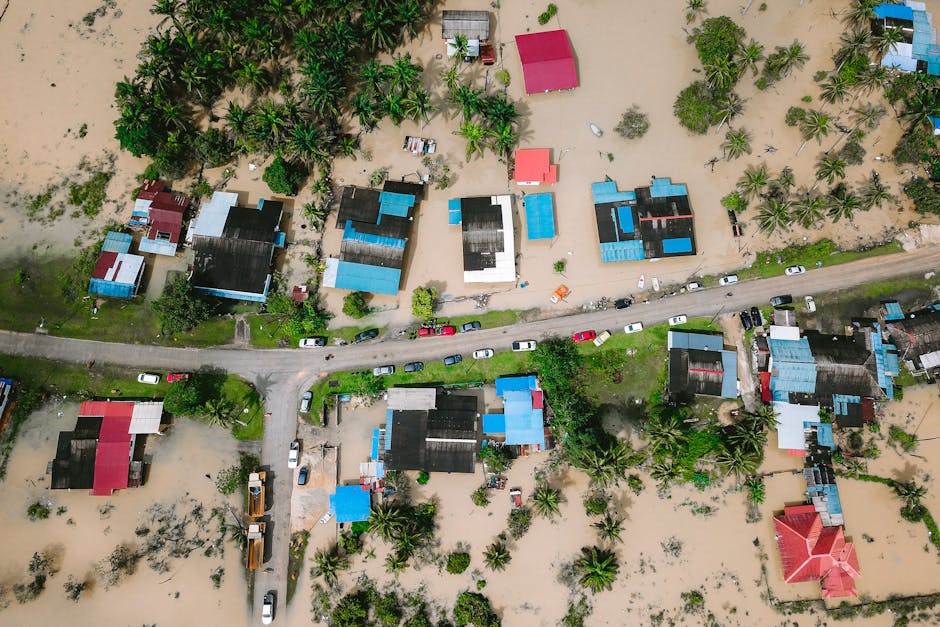
2026: Singapore’s Year of Climate Adaptation—How Forward-Thinking Household Managers Can Protect and Future-Proof Their Homes
Singapore is entering a pivotal era as the Ministry of Sustainability and the Environment (MSE) designates 2026 as the Year of Climate Adaptation. For household managers—whether managing condominiums, private landed properties, or HDB flats—this signals both risks and remarkable opportunities to upgrade, insure, and optimize the resilience of your home and daily routines. This article will navigate the key trends, practical strategies, and state-backed incentives you need to know, including guidance on how to find maid in Singapore equipped for the evolving demands of greener households.
Key Trends and Strategies: Climate Adaptation in the Singaporean Home
National Adaptation Plan: A Game Changer for Urban Homes
The newly launched National Adaptation Plan targets three core resilience fronts: heat, floods and coastal protection, and water/food security. These focus areas aren’t abstract—they’re directly tied to the realities Singaporean households face as sea levels rise, heat waves intensify, and rainfall becomes more erratic. The push for adaptation is backed by major policy shifts and funding, from the Coastal Protection Bill and Sentosa/Southwest pilot studies to the S$5M SG Eco Fund package supporting everything from community cool spaces to water-saving tech.
Flood & Coastal Protection—A Matter of Home Safety and Value
With pilots in flood-prone zones and new barrier/raised platform guidelines expected, household managers in lower-lying HDBs and waterfront condos must pay extra attention. While some major infrastructure (e.g., Greater Southern Waterfront initiatives) may only roll out post-2030, 2026 offers the earliest access to pilots, grants, and technical data. This is the year to assess your building’s vulnerabilities, upgrade drainage or install flood guards, and ensure your helper is trained on emergency routines—an increasingly relevant screening point when you find maid in Singapore through agencies or direct hire.
Heat & Water Resilience—Beyond Air-Conditioners: Smarter Homes, Trained Helpers
The SG Eco Fund also subsidizes energy-efficient appliances (e.g., new-gen ACs), “cool roof” coatings, and rainwater harvesters. With Singapore’s power sector still accounting for 40% of national emissions, these upgrades also help lower utility bills—key for household managers balancing cost and comfort. Helper training is crucial here: routines on water conservation, optimal AC usage, and food storage directly support both climate and cost goals. When you find maid in Singapore via forward-looking agencies (like GoodHelp), you can seek candidates with eco-household exposure and ongoing upskilling.
Financial and Insurance Readiness—Smart Budgeting for Climate Events
Budget 2026 earmarks S$154.7B for sustainability, supporting infrastructure and enabling cheaper, cleaner energy imports via the ASEAN Power Grid. For household managers, this means expectational stability: energy prices are likely to flatten or even drop as Singapore secures up to 6GW in low-carbon imports by 2035.
Proactive risk management is key—pair any home upgrade (flood barriers, efficient ACs) with enhanced insurance riders. Insurers like Income/NTUC now offer climate-risk covers (haze, flood, water ingress) tailored for households, with options from S$200/year.
State and Recommendations: Action Steps for Households
- Audit Your Home’s Vulnerabilities: Evaluate which climate risks (heat, flooding, water shortages) your property faces. Use public tools and new MSE pilot data to guide your checks.
- Apply for Eco Grants Early: The SG Eco Fund covers S$500–5,000 for household resilience projects—install flood barriers, energy-efficient appliances, or rainwater systems before the bulk of applicants join.
- Upskill Your Helper: Choose or train helpers on climate-adapted routines—water and energy saving, flood readiness, cooling tactics—either through agency packages or direct workshops. When you find maid in Singapore with agencies like GoodHelp, ask about eco-certification.
- Revise Your Insurance Portfolio: Add-on riders for climate damages; request quotes for haze/flood cover from Income or NTUC (from S$200/year), and link your policy to your home upgrades for smoother claims.
- Bundle Upgrades for Impact: Combine two or more resilience improvements (e.g., flood guard + energy-efficient AC) to maximize both grant support and household savings—utilities can drop by 10–20%.
- Participate in Pilots and Community Projects: Leverage 2026’s pilot schemes for access to cutting-edge solutions and neighborhood support (shared water tanks, cooling programs).
Helper Management Table: Household Staffing Choices Compared
| Criteria | Live-in | Part-time | First-time Helper | Experienced Helper | Cultural Fit | Skilldepth vs Attitude | Premium Services | Standard Services | Agency Hire | Direct Hire | Contract Duration | Trial Mindset |
|---|---|---|---|---|---|---|---|---|---|---|---|---|
| Reliability/Availability | High, 24/7 for emergencies | Limited to scheduled hours/urgent cover may be harder | Learning curve, may need climate adaptation training | Faster integration, can already support eco routines | Essential for seamless home routines | Depth needed for flood/eco equipment, attitude critical for upskilling | Often includes eco-upskilling and insurance add-ons | Essential tasks, manual routines | Screened for climate/household skills, easier SG Eco Fund application | Lower fees but more self-management, must ensure fit | Locked for 1-2 years, stability | Pilot period for eco-upskilling, flexibility if needs shift |
Segmenting Recommendations by House Type
1. Condominiums: Balancing Community and Individual Resilience
Condo estate managers face the dual challenge of scaling upgrades (e.g., flood barriers, cooling plants) across communal and private units. Opportunities abound: apply for SG Eco Fund support for shared systems, encourage residents to upskill helpers, and coordinate insurance for climate events. However, retrofitting older condos may present cost-sharing debates. Helper selection—especially at move-in—is crucial; prioritize agencies with green training when you find maid in Singapore.
2. Private Landed Properties: Greater Autonomy, Greater Responsibility
Private home owners have more control (and bear full cost) for resilience—think custom flood barriers, solar and rainwater systems, and premium insurance. The opportunity is tailoring upgrades exactly to your plot, but the challenge is navigating technical specs and claim-readiness alone. Experienced helpers, able to run complex routines (pool water management, emergency drills), become even more valuable here.
3. Public Housing (HDB): Scale and Policy-Driven Opportunities
HDB dwellers benefit from extensive state pilots and incentives, especially in low-lying areas. Flood-prevention programs and bulk upgrade offers will be most accessible (thanks to MSE targeting these estates). The challenge lies in navigating community schemes, but the opportunity is leveraging state-backed training for both household heads and helpers. A strong match—via agencies when you find maid in Singapore—will accelerate adaptation.
Comparison Segment: Summary Table
| House Type | Key Challenges | Unique Opportunities | Best Helper Strategy | Recommended Upgrades |
|---|---|---|---|---|
| Condominium | Cost-sharing, communal decision-making | SG Eco Fund for shared systems, group insurance | Agency helper with eco upskilling | Flood barriers, shared rainwater tanks, efficient AC |
| Private Landed | High individual cost, technical demands | Fully tailored upgrades, direct utility savings | Experienced, upskilled helper; climate insurance | Custom flood solutions, solar/rainwater systems |
| HDB/Public | Dependence on community rollout, older infrastructure | Early access to state pilots, bulk discounts | First-time helper with targeted agency training | Flood guards, water-saving devices, training bundles |
“In the Year of Climate Adaptation, Singapore households that combine state-backed innovation, skilled helpers, and adaptive routines will set the new benchmark for comfortable, resilient living in a changing world.”
Conclusion: Strategic Importance and What’s Next for Households
Singapore’s declaration of 2026 as the Year of Climate Adaptation is much more than a policy headline—it’s a practical roadmap for every household manager. Whether you steward a condo, private home, or HDB flat, the government’s historic investment in resilience unlocks new tools and savings if you act early. Tapping the SG Eco Fund, upskilling staff, and securing comprehensive insurance will not just buffer your home from climate shocks, but enhance daily comfort and cut costs.
With climate events likely to intensify, a forward-thinking approach—supported by data, skilled helpers, and bundled protection—will set your household apart. If you’re looking to find maid in Singapore for 2026 and beyond, prioritize eco-readiness and adaptability. In the coming years, we can expect more tailored support for household resilience, including targeted subsidies for vulnerable estates, broader insurance innovation, and a higher standard for helper recruitment and continuous training.
Embrace the change now for peace of mind, smarter spending, and a household that leads in both comfort and climate confidence.