
2026 Singapore Household Survival Guide: Maximising Rebates, Navigating New HDB Rules, And Optimising Helper Costs
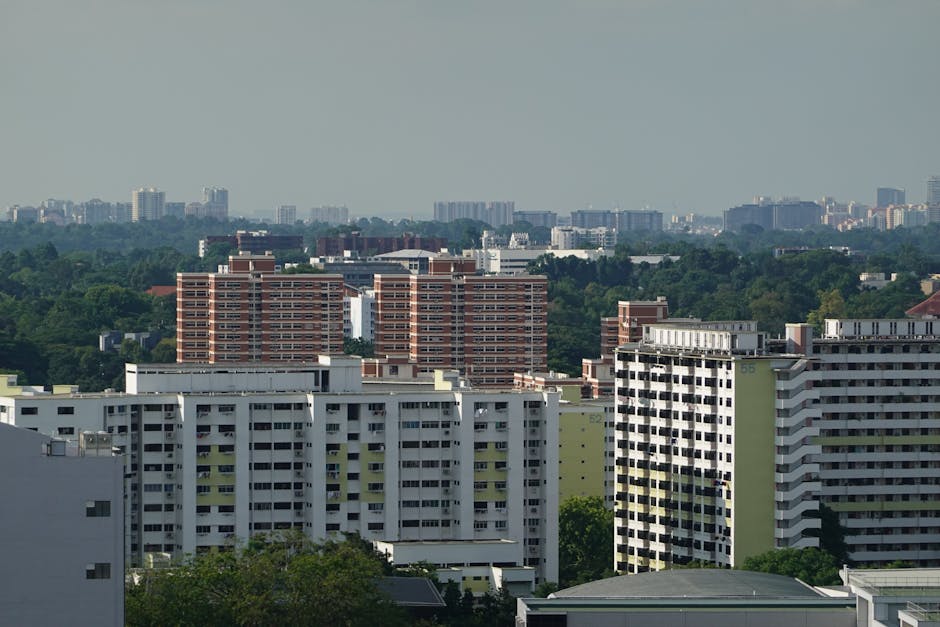
Singapore Household Ecosystem 2026: Navigating Helpers, Housing, and Support for a Smarter Home
Welcome to the GoodHelp guide for Singapore’s evolving domestic landscape in August 2026. Managing a household here—whether in a high-rise condominium, private landed property, or HDB estate—means juggling rising costs, new public policies, and the complexities of employing a helper in Singapore. As a financially-conscious reader seeking to find a maid in Singapore or optimize your family’s routines, you need more than surface-level tips: you need forward-thinking strategies, data-driven comparisons, and practical tools that turn government moves into household advantages.
This overview consolidates the most relevant ecosystem shifts, including stronger cost-of-living support for HDB households, tighter housing loan and BTO rules, and clarified regulations around employing MDWs Singapore-wide. Whether your concerns are about maximising rebates, structuring your next mortgage, or understanding the real cost of hiring a helper in Singapore, this article provides actionable, reader-first insights to help you make confident choices in 2026—and beyond.
Key Trends and Strategies for the 2026 Singapore Household
1. Cost-of-Living Offsets: Integrate Rebates to Power Your Budget
The Singapore government’s Assurance Package and Household Support Package continue to inject substantial offsets into household finances. You can expect repeated CDC vouchers—including a fresh wave of S$200 in 2024—and extended U-Save rebates covering much of your utility bills through 2026. For HDB dwellers, these rebates now cover 8–10 months of utilities for smaller flats and up to S$950 in targeted rebates for 3-4 room units ([source](https://www.gov.sg/article/assurance-package-explained)).
Strategically, these rebates are not just “extras.” They are the foundation of modern household budgeting—allowing every house type, especially HDB families, to treat government support as pre-paid utilities and groceries. This means more freed cash for maid insurance, better helper in Singapore salary packages, or a buffer for unexpected living costs.
2. Housing Market Shifts: New Flat Types, Higher Down-Payments, and Shorter Waits
Since late 2021, four rounds of property cooling measures have recalibrated both HDB and private housing strategies ([source](https://www.mnd.gov.sg/newsroom/press-releases/view/budget-2024---enhancing-housing-support-for-singaporeans)). As of August 2024, the HDB loan-to-value limit was cut to 75%, demanding a larger 25% down-payment. The new Plus and Prime BTO classifications now tie additional subsidies to longer minimum occupation periods and stricter resale rules, requiring more deliberate, long-term planning ([source](https://www.mnd.gov.sg/newsroom/speeches/view/new-housing-model-to-cater-to-different-needs)).
With BTO flat supply at record levels and waiting times dropping below three years, families can rethink the “upgrade” urgency. For helper-reliant households, this means more options: remain in affordable HDB estates with maximum rebates and space for MDW Singapore support, or consider private upgrades balanced against higher mortgage and utility exposures.
3. MDW Ecosystem: Levy, Concessions, and Tax Policy Updates
Running a household with live-in help or attempting to find a maid in Singapore is fundamentally shaped by levy and tax shifts. The 2026 regime sets the normal MDW levy at S$300 for the first helper (S$450 for additional helpers), but with a heavily concessional S$60 rate for families with young children, seniors (67+), or persons with disabilities ([source](https://www.mom.gov.sg/passes-and-permits/work-permit-for-foreign-domestic-worker/foreign-domestic-worker-levy)). This concession is capped, so plan carefully.
Crucially, the Foreign Domestic Worker Levy tax relief was removed from 2025, so all levy costs are now fully out-of-pocket for employers. This further underscores the need for holistic, multi-year cost planning when hiring a helper in Singapore—especially for HDB families balancing rebates and housing shifts.
State and Recommendations: Optimizing the 2026 Household
- Integrate Government Support: Track your eligibility for all CDC, U-Save, and cash payouts. Use these predictable inflows to offset recurring groceries, utilities, and helper costs, instead of treating them as “bonus” funds.
- Model MDW Singapore Costs Holistically: Include salary, levy (accounting for loss of tax relief), insurance, and ancillary costs over both 1-year and 3-year periods. Use helper cost calculators tailored to your housing type.
- Leverage New HDB BTO Supply: Consider applying for new Plus/Prime flats if you want long-term stability and are comfortable with longer MOPs. Plan for the increased down-payment and stricter resale rules.
- Compare Mortgage Scenarios: Use online platforms to benchmark HDB vs bank loan rates, factoring in the new 75% LTV and the impact on CPF savings and retirement planning.
- Maximise Helper Concessions: Review family eligibility annually (children under 16, seniors 67+, PWDs) to ensure you get the S$60/month levy and remain updated on MOM rule changes.
- Segment Cleaning/Care Needs: For condo/private owners, weigh if a live-in helper is optimal, or if a mix of part-time help and external services better suits your cost structure and flexibility needs.
- Invest in Quality Insurance: As the government support buffers grow, allocate “freed up” cash to enhanced helper and personal accident insurance—reducing risk and enhancing peace of mind.
Comparison Table: Helper Hiring and Management Choices (2026)
| Criteria | Live-in Helper | Part-time Helper | First-time Helper | Experienced Helper | Cultural Fit | Skill Depth vs Attitude | Premium Services | Standard Services | Agency Hire | Direct Hire | Long-term Contract | Trial Mindset |
|---|---|---|---|---|---|---|---|---|---|---|---|---|
| HDB/Public | Popular (with rebates) | Budget-friendly | Lower cost, needs training | Less disruption, possible higher salary | Often good with local norms | Attitude more crucial; skill-building needed | Rare, maxes out support | Common with CDC rebates | Agency offers bundled insurance | Needs careful screening | Stable, supports family care planning | Good for fit-testing |
| Condo/Private | Flexible, often with higher costs | Suited for task-based, less commitment | More selection, price sensitivity | Preferred for zero-training, but premium requested | May need adjustment/support | Skills prioritized for childcare/eldercare | White-glove, at a price | Standard if no special needs | Convenient, but higher fees | Greater autonomy, risk of issues | Common with settled expats/locals | Popular with new residents |
| Cross-segment | Leverage levy concession if eligible | Lower cost, but less flexibility | Budget but higher supervision needed | Quick deployment, fewer surprises | MDW agency can consult | Balance both for household fit | Suited for unique family needs | Best for routine chores | Best for first-timers | Experienced users prefer | Security, but less agility | Adapts to changing needs |
Segmented Challenges and Opportunities by House Type
HDB/Public Housing
Opportunities: Access to maximum rebates (CDC, U-Save), lower utility and mortgage costs, and targeted helper levy concessions.
Challenges: Tighter loan rules, higher down-payments, stricter MOP and resale limits in Plus/Prime flats. Careful budgeting required—especially as helper in Singapore costs are no longer offset by tax relief.
Condominiums & Private Properties
Opportunities: Flexible hiring (multiple helpers, premium agencies), more space and privacy, use of advanced home services.
Challenges: Less government support (limited rebates), higher running costs, more exposure to mortgage rate volatility. Cost-benefit analysis crucial—should you keep a full-time MDW Singapore or rotate part-time help?
Comparison and Decision-Making
- HDB households gain from rebates but must maximise value through structured budgets and helper cost planning.
- Condo/private owners should actively benchmark helper versus external service costs and optimise mortgage products as policies shift.
- All segments benefit from regular review—government policy evolves quickly, and what works in 2026 may change again by 2027.
“In 2026, Singapore households who best integrate government support, policy awareness, and helper management strategies will enjoy not just lower living costs—but better support, flexibility, and peace of mind for their families.”
Conclusion: The Strategic Advantage—And What’s Next
Singapore’s household support ecosystem as of August 2026 is unprecedented in its breadth and complexity. In a landscape where cost-of-living rebates intersect with evolving housing and helper rules, the strategic household is one that plans holistically—translating CDC vouchers, U-Save rebates, and helper levy concessions into concrete savings and upgraded quality of life.
Looking ahead, anticipate further refinements as policymakers monitor affordability and demographic change. We may see expanded eligibility for rebates, more diverse helper sourcing platforms, or even tighter property investment rules. For now, GoodHelp readers are best served by integrating every advantage—leveraging digital calculators, agency expertise, and a mix of contract and trial helper arrangements.
Stay tuned for our hands-on templates, product reviews, and offers designed to make every rebate, mortgage, and helper dollar go further. The empowered household manager today is not just cost-sensitive, but opportunity-driven—turning challenges into real, lasting benefits. Whether you’re set to find a maid in Singapore or planning your next property move, the playbook has never been more actionable.