
2026 Singapore Housing Reset: How Families In Tengah, Tampines, Bayshore & North Can Upgrade, Save On Mortgages, And Optimize Helper Arrangements
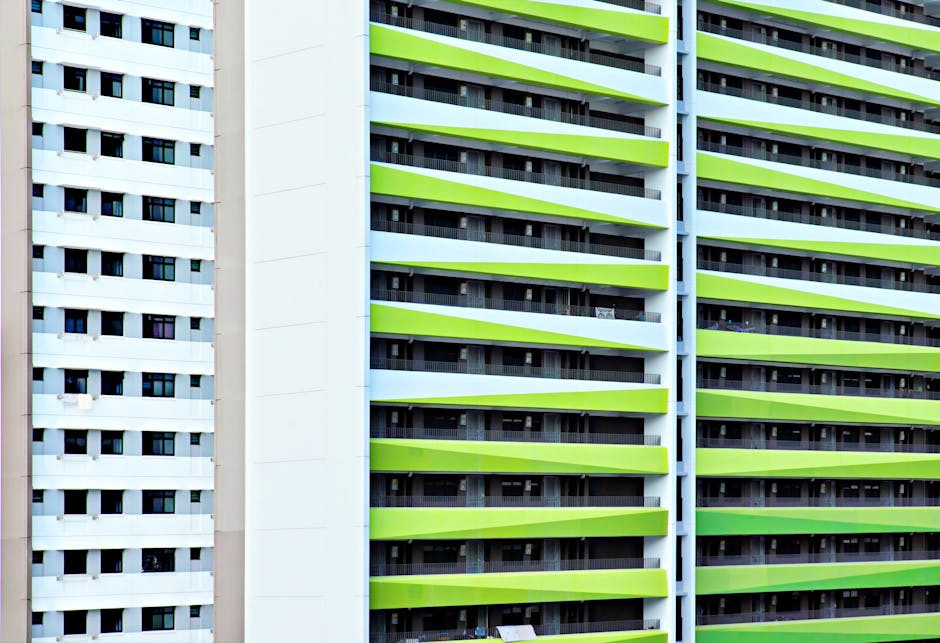
2026: Singapore’s New Housing and Helper Landscape — How Savvy Households Can Win
Singapore’s home and mortgage market is finally getting back to “normal”—and for GoodHelp’s readers, this signals a game-changing year for domestic management, financial planning, and how you find maid in Singapore. Whether you live in a condo, landed house, or public flat, 2026 presents a unique alignment: more realistic home prices and supply, a brief window of low-interest rates, and upgraded options for family-sized living.
For household managers juggling helpers, children, and seniors, it’s time to rethink your strategy—refinance smartly, upgrade confidently, and optimize the way you hire and manage domestic help. This guide breaks down the trends, actionable steps, and tools you need to structure a resilient, comfortable home for the coming decade.
Key Trends and Strategies for 2026
1. Supply Surge Means More Choices, Less Buyer Frenzy
For the first time in years, buyers and tenants will have real bargaining power. HDB is boosting supply with 55,000 BTO units in 2025–2027—including 4,000 annual “shorter-wait” flats in 2026–27—and the private market sees more completed condos, especially in the heartlands (OCR).
Modern household managers can compare, negotiate, and select homes that truly fit their needs. If you need to find maid in Singapore and want a separate room for her, 3-bedder OCR condos are now far more accessible, with prices moderating in the S$1.8–2.0M range for full-sized units. Buyers can “wait and see,” rather than panic-purchasing out of fear.
2. Public Housing: Policy Easing and Resale Resilience
With increased BTO launches, HDB is signaling potential tweaks to eligibility rules and resale market stability. For those eyeing an upgrade from HDB to condo, 2026 is ideal for planning—selling MOP flats into a stabilizing market, tracking price trends, and using mortgage tools tailored to households with helpers. Aspiring HDB buyers, especially singles, should watch for new purchase opportunities and changing criteria.
3. Private Condos & Landed: Family-Centric, Helper-Friendly Living
A decisive swing is underway: 65% of new launches in 2026 are in the Outside Central Region (OCR), with a focus on family-sized units. This brings ready-to-move-in homes with proper yard/service areas and helper rooms into reach for practical buyers. As luxury supply wanes, heartland condos become the sweet spot for upgraders and families reliant on helpers. The less frenzied market also encourages value-add renovations and thoughtful layouts that make daily home management smoother.
4. Rentals and Resale: Win for Tenants, Necessity for Landlords to Differentiate
Stabilized rental markets mean better deals for families renting while waiting for their new flat or planning an upgrade. This opens up the chance to prioritize helper-friendly layouts, safety, and estate amenities. For landlords, the shift from “name-your-price” to value-for-money means investing in basic upgrades to attract family tenants—think improved storage or child-friendly modifications.
5. Mortgages: Short Window to Lock In Super-Low Rates
SORA, Singapore’s benchmark rate, is expected to bottom around 1% in Q2 2026, with fixed home loan rates at historically low levels of 1.4–1.8%. There is a narrow window for refinancing or securing pre-approval before rates trend upward later in the year. This is critical for households balancing helper salaries, childcare costs, and other recurring expenses.
State and Recommendations by Housing Type
Public Housing (HDB)
- Watch for policy adjustments to eligibility as supply rises—especially for single buyers or those with complex household needs.
- Consider timing your “upgrade” sale for when MOP flat prices stabilize, using proceeds for OCR condo entry with helper-ready layouts.
- Leverage mortgage advisory tools that run realistic cashflow models including helper, childcare, and multi-gen expenses.
- When seeking to find maid in Singapore for your HDB home, prioritize agencies offering post-placement support and mediation in case of cultural mismatches or role ambiguity.
Condominiums (OCR/CCR)
- Use the 2026 window to refinance at 3-year low rates—shift to fixed rates if your lock-in is expiring soon.
- Compare new OCR launches for helper-friendly layouts (yard, service areas, stores, accessible amenities).
- Partner with mortgage brokers who understand the unique cashflow demands of dual-income families with helpers.
- For existing owners: Consider right-sizing or value-add renovations that make laundry, cooking, and helper oversight easier.
Private Landed Property
- Despite market resilience, exercise caution and use 2026 to restructure estate management—focus on helper contracts, insurance, and payroll.
- Engage in premium service bundles for multiple-helper households (legal, health, training, insurance integration).
- Explore refinancing, but be mindful of cashflow given lower launch volumes and potential macro uncertainty.
Cross-Segment Opportunities
- For all households: Use this year to review and upgrade insurance—combining home, helper, and renovation cover under one policy for simpler claims.
- Families waiting for new BTO/condos: Negotiate rent with focus on estates near your workplace, helper agencies, and schools; use curated rental search platforms that emphasize helper-readiness.
- Landlords: Shift to a “value-for-money” mindset. Invest in helper-friendly features (fans in helper rooms, safe windows, proper storage).
Helper Hiring & Management: Comparison Table
| Aspect | Live-in | Part-time | First-time Helper | Experienced Helper | Cultural Fit | Skilldepth vs Attitude | Premium Services | Standard Agency | Direct Hire | Contract Duration | Trial Mindset |
|---|---|---|---|---|---|---|---|---|---|---|---|
| Suitability | Full-time care, large families, elderly support | Routine cleaning, no live-in needs | Lower cost, may need coaching | Faster onboarding, higher pay | Shared language/traditions | Specific skills (elderly/kids) vs. positive attitude | Integration, insurance, ongoing training | Placement, basic mediation | Personal network, cost saving | 2-year contract typical | Short-term, mutual fit focus |
| Challenges | Privacy, space allocation | Frequent changeover, limited hours | Adapting to local norms | “Helper culture” hard habits | Potential mismatch, adjustment issues | Trade-off: experience or willingness? | Higher upfront cost | Limited aftercare | Riskier, less recourse | Lock-in risk if not a fit | May lack helper loyalty |
Segmentation Spotlight: Challenges and Opportunities
Condominiums
Opportunities: OCR launches transform the playing field—larger 3-bedder units at S$1.8–2.0M make upgrading achievable for HDB families with helpers. Helper rooms and practical layouts are finally mainstream.
Challenges: Higher MCST fees, increased competition for top helper talent as more families upgrade. Balancing cost of living with helper retention is key.
Private Landed
Opportunities: Estate management can be streamlined with bundled premium services (payroll, training, insurance). Multiple helpers can be efficiently integrated with clear role definition.
Challenges: Larger upfront financial commitment. The need for robust HR-style management, contract clarity, and ongoing training for a harmonious household.
Public Housing (HDB)
Opportunities: Shorter-wait BTO options and potential policy easing mean more singles and families can secure a new home sooner.
Challenges: Space remains tight; creative room allocation and helper selection (flexible, adaptable personalities) are critical. Upgrading requires careful cashflow planning, especially with helper and childcare expenses.
Comparison: Maximizing Outcomes by Segment
- Condos: Best bet for families wanting helper-ready homes and a manageable upgrade path.
- Landed: Suited for larger/multi-gen families with complex staffing, best for those using premium management services.
- HDB: Entry-level, cost-effective, but requires careful helper integration; leverage policy changes for better eligibility and wait times.
“2026 is a rare window where savvy Singapore households can lock in comfort, affordability, and efficiency—by choosing the right home, the right helper model, and the right financial structure for the coming decade.”
— GoodHelp Editorial
Conclusion: Strategic Actions for Forward-Thinking Households
Singapore’s 2026 housing reset is a call to action. You finally have the leverage to make property, mortgage, and helper arrangements work for you—not the other way around. The convergence of increased supply, moderate prices, and historically low loan rates means household managers can act with confidence. Upgrade to an OCR condo with a proper helper room. Refinance before rates rise. Use this stability to find maid in Singapore with the right blend of skills, attitude, and fit—while securing the home and financial future your family deserves.
Looking ahead, continued supply balancing and gradual interest rate normalization may tighten this window in 2027 and beyond. Those who act now, adapting their strategies based on GoodHelp’s insights and curated services, will be positioned for a decade of domestic comfort and financial resilience.
In 2026, the best households will not just “get by”—they will thrive. Make this the year you reset, restructure, and reap the rewards.