
7 Coffee Tech Startups Revolutionizing Southeast Asias $9.9B Market In 2025: Vietnam, Thailand, Indonesia, Malaysia & Philippines
Southeast Asia’s Coffee Tech Renaissance: The Startups and Strategies Reshaping a $9.9B Market in 2025 and Beyond
Southeast Asia’s relationship with coffee is undergoing a radical transformation. Once a niche domain for urban connoisseurs and old-world street stalls, the region’s coffee culture is fusing tradition with technology in ways that have never been seen before. With market projections surging to $9.9 billion USD by the end of 2025, and annual growth rates exceeding 27% in hotspots like Vietnam, the region has become a crucible for both innovation and hyper-local demand. This exposé unpacks the human stories, business maneuvers, and technological breakthroughs underpinning this seismic shift—as local startups, global giants, and a new generation of digital natives battle to shape what coffee means in the world’s most dynamic consumer landscape.
The Seeds: Historical Context and Market Drivers
From Colonial Legacy to Digital Awakening: Coffee’s roots in Southeast Asia date back centuries, shaped by colonial plantations, war, and migration. But the last decade has flipped the script. Urbanization, a swelling youth population, and smartphone penetration have made coffee not just a drink—but an experience and a status signal. Daily consumption routinely crosses 640 million kilograms by 2025, and “flavor democratization” is on fire: the flavored coffee segment alone is set to more than double by 2031 (from $178.4M to $401.9M).
Technology as a Force Multiplier: This explosive growth isn’t contained to the metropolis. In tier-2 and rural cities, digital-native chains, powered by AI, robotics, and smart supply chains, are leapfrogging legacy models. Digital franchises now thrive where brick-and-mortar once dared not tread—a fact perfectly illustrated by Vietnam’s market, worth $725 million with 27% annual growth, and Indonesia’s mall kiosk wars supercharged by AI-driven Chinese insurgents like Luckin Coffee.
Investment-Driven Momentum: Investors are taking notice. With 487-601% year-on-year surges in equipment demand and up to 50-75% cost savings for those bold enough to integrate AI, the sector’s “digital dividend” is real. Cost savings, waste reduction, and customer growth aren’t just KPIs—they’re strategic levers for market domination.
Emerging Patterns: Tactics and Technologies Fueling Disruption
AI in the Driver’s Seat: Southeast Asia’s coffee boom is an object lesson in how artificial intelligence moves from aspiration to everyday utility. Startups integrate machine learning across the value chain—optimizing outlet locations, automating inventory replenishments, and even personalizing loyalty promotions. The case of Thailand’s Café Amazon—now boasting over 4,400 outlets and opening 80% of new stores via AI loyalty apps—shows how algorithms and behavioral data create a virtuous cycle of scale and stickiness.
Inventing the “Beanless” Future: Climate volatility and geopolitics have placed supply chains under threat. Enter fermentation-based coffee pioneers like Prefer, whose yeast- and fungi-derived coffee eliminates reliance on traditional beans, drastically reduces carbon emissions, and slashes production costs. These innovations aren’t just sustainability gestures; they’re existential hedges—allowing startups to thrive even as global supply shocks grow more frequent.
Franchise at the Speed of Light: The Chinese model—epitomized by Luckin’s 12,000+ AI-fueled stores—has inspired regional players. Automation, mobile ordering, and zero-waste digital supply chains have become the gold standard, as seen in Malaysia’s ZUS Coffee (30% YoY growth) and Indonesia’s aggressively expanding kiosk networks. This tectonic shift is broadening consumer access while compressing the distance between local and global competitors.
Sustainability Is No Longer Optional: From IoT-driven traceability for ethical exports to precision fermentation and open-source AI, “green” isn’t a buzzword—it’s a prerequisite for market entry. Regulatory compliance (e.g., Thailand’s PDPA) is now a strategic asset, and the winners will be those who seamlessly blend eco-credentials with digital agility.
Innovative Practices: The New Playbook for Market Entry
Open-Source AI and Synthetic Datasets: For smaller startups facing prohibitive data acquisition costs, open-source AI and synthetic data partnerships are leveling the playing field. This approach slashes costs by up to 80%, enabling more localized, responsive tools and helping bridge the gap between urban trendsetters and rural mass markets.
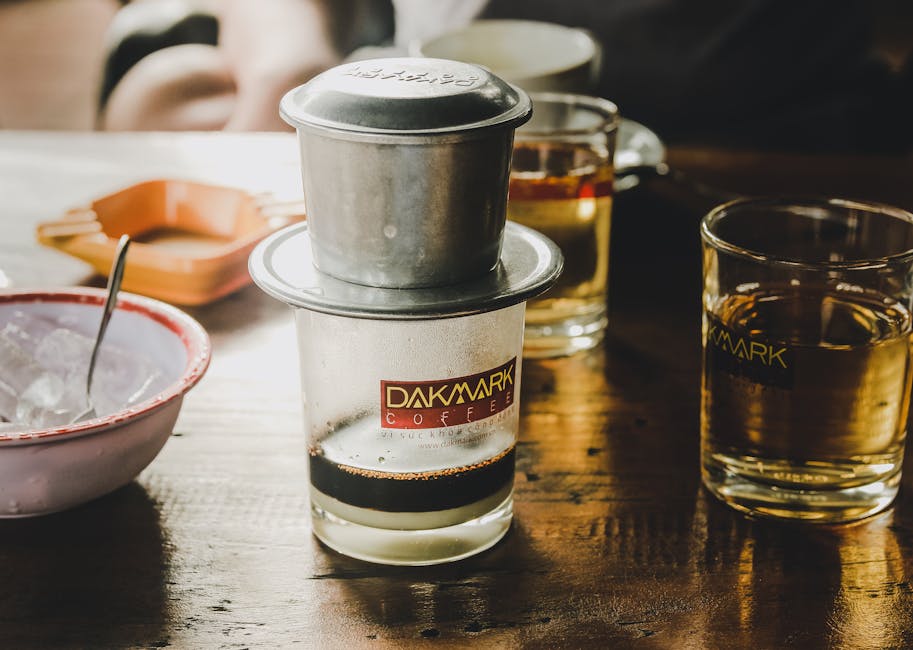
Hyper-Localization Meets Global Scalability: The most successful ventures aren’t just copying Western models. Chains like Vietnam’s Milano Coffee fuse the “phin” brewing tradition with app ecosystems, capturing both nostalgic trust and digital convenience. Meanwhile, Malaysia’s ZUS Coffee leverages a proprietary app ecosystem and sub-$2 pricing to outpace multinationals like Starbucks in outlet count and revenue velocity.
Precision Delivery and Analytics: Delivery and analytics startups like Oddle and Mosaic Solutions are quietly revolutionizing B2B and B2C interfaces. Oddle’s digital ordering platform extends café reach into rural “dark zones,” while Mosaic Solutions’ analytics drive margin improvements and inventory waste reductions of up to 20-30%—crucial for affordable chains like Pickup Coffee in the Philippines.
Comparative Analysis: Global Playbooks vs. The ASEAN Advantage
The Global Starbucks Model: Multinational coffee giants historically ruled through scale, standardization, and international branding. Yet in Southeast Asia’s fragmented, ultra-local economies, this playbook is rapidly losing steam. Heavy capex, rigid formats, and slow innovation cycles are ill-suited to the region’s youth-driven, tech-first consumer base.
The ASEAN Counter-Narrative: Local startups prioritize speed, price sensitivity, and cultural nuance. They win with flexible kiosks instead of cathedrals, digital menus instead of barista theater, and climate-adaptive supply chains over fragile bean imports. Franchising and tech integration drive 500%+ distribution growth potential, while open-source AI ensures operational resilience in the face of data gaps and regulatory shifts.
Economic and Cultural Returns: The region’s “coffee wave” is as much about identity as economics. Empowering local farmers, democratizing market access, and embedding sustainability standards are key value propositions that global counterparts struggle to match. This is a market—and a movement—where local knowledge, trust, and adaptability trump brute force and brand equity.
“The next decade of Southeast Asia’s coffee revolution will be written by those who can orchestrate AI agility, local cultural intimacy, and ethical supply chains—not just for the urban elite, but for every digital native from Jakarta to Hanoi.”
Spotlight: The Startups Leading the Charge
Prefer (Singapore): This fermentation-centric, beanless coffee startup is pioneering sustainable, “climate-resilient” alternatives and has won the ASEAN-Korea Startup Innovation Week. Their platform is positioned as a hedge against bean price volatility, with projected 27% revenue uplift and rapid expansion across volatile markets like Indonesia and Vietnam. Learn more.
Kamereo (Vietnam): By connecting cafés, roasters, and equipment suppliers on one AI-driven procurement platform, Kamereo enables 50-75% cost reductions and positions itself at the center of Vietnam’s explosively growing market. Details here.
ZUS Coffee (Malaysia): A chain that has leapfrogged legacy brands with a proprietary app, AI-powered loyalty, and pricing below $2, ZUS is the blueprint for next-gen, tech-integrated coffee retail. More insights.
Oddle (Singapore): Their digital ordering solution for cafés, especially in Vietnam, unlocks tier-2 and rural expansion—with 20-27% growth in delivery-centric markets. Read further.
Umami Bioworks (Singapore): Focused on precision fermentation for coffee alternatives and ethical flavorings, this startup is essential as export markets demand full traceability.
Hungry Hub & QueQ (Thailand): These platforms are digitizing café bookings and queue management, enabling Café Amazon’s 80% digital store expansion and demonstrating the operational gains of smart compliance and AI-powered scheduling.
Mosaic Solutions (Philippines): Their F&B analytics reduce waste and optimize pricing, meeting the Philippine market’s demand for sub-$2, accessible coffee.
Strategic Playbook: Lessons for Decision-Makers and Investors
AI Integration Isn’t Optional—It’s Existential: Companies emulating the Luckin/Café Amazon model can realize 80% cost savings and overcome data scarcity through open-source, synthetic, and public data partnerships. Vietnam is especially ripe for robotic equipment scale-ups, powered by players like Alibaba and Sagtec.
Franchising and Cold Chain Mastery: With RTDs, pods, and cold chain logistics promising 500%+ expansion opportunities, international and local investors are racing to build defensible moats via vertical integration and supply chain innovation.
Sustainability as Table Stakes: From IoT-driven traceability to ethical sourcing, startups like Prefer and Umami Bioworks are futureproofing their models—while regulatory compliance (e.g., Thailand’s PDPA) becomes as much a competitive differentiator as brand equity itself.
Country-Specific Tactical Moves: - Vietnam: Back Kamereo and Milano for rural and urban digital penetration.- Thailand: Exploit the Café Amazon playbook and digital expansion via QueQ/Hungry Hub.- Indonesia: Counter Chinese “mall scale” with local tech and unique analytics from Jinji Jawa.- Malaysia: Double down on ZUS Coffee’s data-driven franchise approach.- Philippines: Leverage Mosaic Solutions for affordable market bridges.
Risk Mitigation: Overcome talent and data scarcity with pan-Asian partnerships, MOOCs, and Indian outsourcing; diversify models to include RTDs and fermentation to cushion against commodity volatility.
Forward-Looking Implications: Where Is Southeast Asia’s Coffee Market Heading?
The coming era isn’t simply about “who can sell the most coffee”—it’s about who can orchestrate AI agility, hyper-local trust, and climate-adaptive supply chains better than anyone else. The region’s youth and rural “digital risers” will define the next decade’s growth, rewarding companies that democratize access through affordability, quality, and real-time personalization.
Multinationals will struggle unless they become agile and genuinely local; the narrative belongs to those willing to embed themselves in the region’s unique social and technological fabric. Local startups already outpace global incumbents in outlet growth, personalized UX, and innovation velocity—a fact that should drive urgent recalibration for anyone still relying on legacy playbooks.
From fermentation-based alternatives to robotics-powered kiosks, the lines between food-tech, retail, and sustainability are blurring. Those who wait for proof points will be left behind; those who invest and integrate now will forge the market’s next foundational myths.
Conclusion: Betting on The Future—The Strategic Imperative
Southeast Asia’s coffee revolution is more than a market trend—it’s a socio-economic inflection point. Tech-enabled, climate-adaptive, and youth-driven, this market is rewriting the rules of engagement for every stakeholder, from VCs and digital strategists to rural growers and multinational giants. As local chains and innovative startups sprint past global brands in growth and consumer relevance, the clear lesson emerges: blending AI with authentic local roots is the only viable path to both profit and resilience.
For smart investors and operators, the roadmap is simple: prioritize AI, invest in flexible franchises, make sustainability non-negotiable, and build for both the next billion consumers and the next global climate shock. In doing so, you won’t just capture a share of a $9.9 billion boom—you’ll secure a defensible position in the most exciting, fastest-evolving coffee market the world has ever seen.