
Adaptive Skincare In Singapore & Kuala Lumpur: How Dynamic Dosage Alerts And Verified Pharmacy APIs Are Revolutionizing Routines For Humid Urban Living
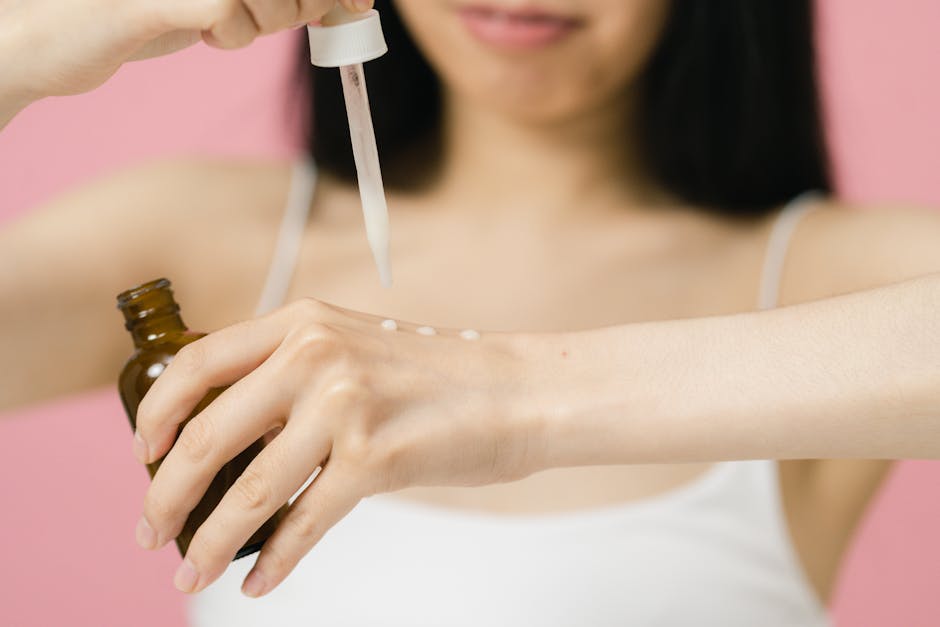
Dynamic Skincare Dosage Alerts: Transforming Routines for Humid Urban Climates in Singapore and Kuala Lumpur
In Southeast Asia’s cities, skincare isn’t a static script—it’s a responsive, data-driven system. Skincare-literate individuals in Singapore and Kuala Lumpur are quickly discovering that the best serum for oily-dehydrated skin or the most effective lightweight sunblock for Southeast Asia today may be wrong for tomorrow’s commute, office, or monsoon. The region’s relentless humidity, pervasive air-conditioning, and ceaseless UV exposure push even the most sophisticated routines to their limits. What does it take to move beyond “hero products” and step-based routines, toward climate-aware, adaptive, and clinically intentional skincare? The answer: harnessing climate apps and verified pharmacy APIs to set dynamic dosage alerts and refine routines in real time.
This article unpacks why skincare for humid climates demands systemization, the technological and market trends making this possible, and exactly how AURA’s audience—those struggling with oily-yet-dehydrated skin, sensitivity, and premature aging—can future-proof their routines for life in the tropics. Expect actionable recommendations, a direct comparison of Western vs. Asian approaches, and a forward-looking perspective on what’s next for barrier-first, climate-adapted skincare.
Key Trends and Strategies for Dynamic, Climate-Adaptive Skincare
Climate Data: From Informational to Operational
Traditional skincare for humid climates often fails because it ignores real-world variables: a morning spent in air-conditioned offices, a lunch hour of 90% humidity, or sudden spikes in haze and PM2.5. Today’s weather apps from Singapore’s NEA and Malaysia’s METMalaysia don’t just present forecasts—they serve as triggers for routine adaptation. For example, a surge in UV index or humidity can prompt automated reminders to switch from a heavy moisturizer to a soothing gel for redness and humidity, or reinforce the need to reapply the best sunscreen for humid weather.
Pharmacy APIs: Enabling Verified, Personalized Dosage Adjustments
Digital pharmacies like Guardian and Watsons now expose APIs that bridge the gap between personal needs and product availability. They not only inform users about stock but provide clinically relevant details—ingredient concentrations, verified identity, suitable substitutions, and usage guidance. This systemization ensures that when a soothing serum for oily-dehydrated skin runs low, verified alternatives are surfaced instantly, maintaining consistency and reducing risky product swaps.
Dosage over Step Count: The New Metric for Precision
Steps are static; dosage is adaptive. Modern skincare users in tropical cities track not just which products they use, but how much, how often, and in which climatic context. For example:
- Reducing moisturizer quantity on high-humidity days to support a breathable barrier
- Using anti aging serum for humid climates only on AC-heavy days to avoid irritation
- Switching to lightweight sunblock and soothing gel when the heat index and UV both spike
Consumer Preference: From Isolated Products to Routine Systems
The Southeast Asian market is witnessing explosive growth in Korean and Japanese skincare for tropical skin, not just because of affordability, but because brands prioritize formulation logic, barrier repair, and fast absorption (market research). The most successful products answer when and why to use them—such as the right serum for oily dehydrated skin during a pollution spike, or a lightweight sunblock Southeast Asia users can trust on their midday commute.
Mobile-First Integration: Reducing Decision Fatigue
In hyper-connected cities, skincare routines need to slot seamlessly into digital life. Dynamic alerts—only when thresholds are crossed—provide contextual, actionable advice (e.g., “PM2.5 elevated: switch to fragrance-free, barrier-support moisturizer”), removing guesswork for the user juggling work, heat, and urban pollution.
State and Recommendations: Action Points for Brands and Users
- Embed climate and pharmacy APIs into product and routine recommendation platforms. Prioritize data from official sources like the NEA and METMalaysia.
- Design routines around adaptive dosage: teach consumers to adjust product quantity, frequency, and texture in response to daily climate signals, not just skin type.
- Prioritize barrier resilience and climate adaptability in both product formulation and routine builder tools—market “when and why” as much as “what.”
- Use verified pharmacy APIs to prevent product substitution errors and guarantee authenticity, particularly for essentials like sunscreen and serums.
- Reduce cognitive overload by making recommendations only at meaningful threshold changes: e.g., humidity spikes, UV surges, elevated PM2.5, or impending out-of-stock events.
- Educate about best sunscreen for humid weather, repair skin barrier in humidity, and serum/gel options designed for Southeast Asia’s oily-dehydrated, reactive skin patterns.
- Encourage weekly review of alerts and routine changes to fine-tune for individual climatic and skin-state responses.
Comparison Table: System Logic vs. Outdated Approaches
| Heavy Occlusive Western Products | Breathable, Layered Systems | |
|---|---|---|
| Formulation Approach | Thick creams, high occlusives Designed for cold/dry climates | Light gel or lotion, fast absorption Designed for tropical/humid climates |
| Trend-Driven Skincare | Formulation Logic | |
| Routine Adaptation | Follows influencer or viral trends Static routines regardless of weather | Adjusts to humidity, UV, pollution, and individual skin state Data-driven prescription |
| Short-term Cosmetic Fixes | Long-term Barrier Resilience | |
| Outcomes | Quick visible results, high risk of irritation in humid conditions | Reduced sensitivity, less breakouts, improved skin balance Proactive barrier repair |
Segment Analysis: Challenges and Opportunities by User Type
Climate-Aware Skincare Users
Challenges: Navigating conflicting recommendations, learning to interpret climate signals, information overload.
Opportunities: Highest benefit from real-time dosage alerts, personalized reminders, dynamic refill systems. Tools integrating official weather data and pharmacy APIs enable proactive, rather than reactive, routine adjustments.
Sensitive or Compromised Skin
Challenges: Vulnerable to over-automation, risk of irritant stacking, need for low-friction adaptation.
Opportunities: Dynamic systems can flag irritation risks (e.g., pause actives during heat waves), suggest soothing gel for redness in humidity, and ensure gentle repair skin barrier humidity protocols are followed.
Oily-Dehydrated, Combination, and Reactive Skin Types
Challenges: Prone to shine, yet feels tight or irritated; wrong texture quickly triggers breakouts.
Opportunities: Climate-based recommendations (reduce occlusives when humidity spikes; hydrate more in AC) directly reduce flare-ups. Promotion of serum for oily dehydrated skin and breathable layer strategies.
Early Anti-Aging (Ages 25–40)
Challenges: Elevated UV exposure accelerates aging signs; layering actives can backfire in humid conditions.
Opportunities: Dynamic alerts can preserve efficacy (e.g., use anti aging serum humid climate on low UV days), minimize irritation, and encourage barrier-first habits for long-term results. Consistent lightweight sunblock recommendations and K-beauty-inspired routines (Korean/Japanese skincare for tropical skin) promote prevention.
Urban Southeast Asia (General)
Challenges: Pollution, AC, high commuter exposure, frequent weather shifts.
Opportunities: Systematic, city-specific alerts and verified pharmacy-linked fulfillment ensure that routines remain effective, safe, and convenient—regardless of the day’s climate swings.
Key Comparison Across Segments
- All benefit from climate- and pharmacy-aware automation; the more sensitive or reactive the skin, the greater the impact.
- Oily-dehydrated and combination types gain the most from textural flexibility and dosage precision.
- Early anti-aging users depend on UV- and pollution-driven reminders for long-term skin health.
- Sensitive skin segments need extra screening for overuse of actives and assurance that product substitutions are gentle.
- Urban dwellers overall need seamless, low-friction integration with their digital habits and local pharmacy infrastructure.
“The future of skincare in Southeast Asia is not about more steps, but about smarter, adaptive systems—where each product, from lightweight sunblock to barrier repair serums, integrates into a routine that responds dynamically to the day’s climate, pollution, and availability.”
Conclusion: Strategic Importance and What’s Next
For forward-thinking brands and consumers in Singapore and Kuala Lumpur, the transition toward systemized, climate-adaptive routines is both necessary and inevitable. High humidity, relentless UV, and the region’s digital maturity demand that skincare solutions be as nimble as their users’ lifestyles. The winners will be those who combine clinical formulation intent with pharmacy verification and seamless digital integration.
Looking ahead, expect to see:
- More granular, AI-driven personalization of alerts and dosage rules, tailored to each user’s skin response and microclimate.
- Even deeper fusion between weather services, pharmacy APIs, and beauty tech, making skincare for humid climates a case study in intelligent, user-centric automation.
- Greater emphasis on lightweight sunblock, soothing gels, and anti-aging serums tailored for tropical skin—anchored in data, not trends.