
Adaptive Skincare Routines For Southeast Asia: How To Build Multi-City AM/PM Switches Using Shopee Smart Carts And Real-Time UV Data In Singapore, Manila, Bangkok, Jakarta, And Ho Chi Minh City
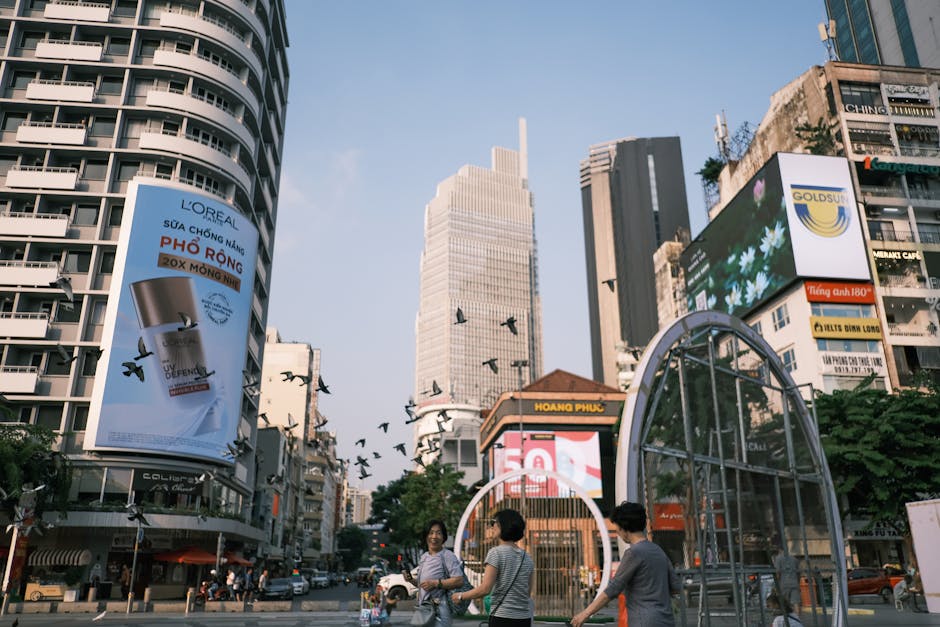
How Multi-City AM/PM Skincare Switches Are Redefining Routines for Southeast Asia’s Climate-Aware Consumers
Daily skincare in Southeast Asia is no longer a “one size fits all” affair. For AURA’s skincare-literate, urban audience moving between air-conditioned offices, humid sidewalks, MRT commutes, and weekend beach escapes, the classic morning-night routine fails to deliver. Skin signals clash: oiliness with dehydration, sensitivity with breakouts, and signs of premature aging under persistent UV exposure. Products touted as “best sunscreen humid weather,” “soothing gel for redness humidity,” or “repair skin barrier humidity” often disappoint—either too greasy, too reactive, or insufficient for real-world conditions.
What today’s consumers seek is clarity, systemization, and modular routines anchored in evidence, not fleeting trends. This article explores how dynamic, city-specific AM/PM switches—augmented by real-time UV data and Shopee smart carts—are shaping the next generation of skincare for Southeast Asia’s humid, UV-intense, and pollution-heavy urban environments. The focus: building routines that adapt, protect, and repair, integrating the best of Korean and Japanese skincare for tropical skin, serum for oily dehydrated skin, and anti aging serum humid climate.
Key Trends and Strategies
Environmental Switching and Real-Time Data Integration
Southeast Asian consumers constantly transition between microclimates—humid outdoors, dry air-conditioned indoors, polluted commutes—each demanding different skincare responses. A fixed routine creates mismatches: tightness after cleansing, shine by midday, or stinging after a polluted commute. By leveraging UV index apps and weather tools, users now make granular decisions: which sunscreen texture to wear, when to amplify hydration, how to sequence actives, and when to simplify.
Smart Commerce: From Hero Product to Routine Architecture
Shopping behavior has shifted from item-driven discovery to modular, scenario-based carting. Shopee smart carts enable users to assemble “AM urban commute,” “PM barrier repair,” or “travel and reapplication” sets. Each cart stores products chosen for their role, not just category. This structure allows quick adaptation: a lightweight sunblock for Southeast Asia, a soothing gel for redness on humid days, a richer repair skin barrier humidity cream for AC-heavy nights—all curated for city-specific conditions.
Sunscreen as Anti-Aging System Anchor
Recent clinical evidence, such as the Journal of Cosmetic Dermatology study, confirms that innovative sunscreen formulations (e.g., SPF with 3% grape seed extract) can improve not just UV protection, but melanin, erythema, hydration, and elasticity. This underpins a new strategy: the sunscreen is not an afterthought, but the anchor of the AM routine. In humid climates, the best sunscreen humid weather must be cosmetically elegant, lightweight, and reparative—not just protective. Brands offering sunscreen with antioxidants and barrier-supporting ingredients (like Korean or Japanese skincare for tropical skin) gain traction.
Failure Modes: Too Heavy, Too Reactive, Too Underpowered
For sensitive or compromised skin in Southeast Asia, typical Western occlusive products often worsen oiliness and breakouts. The winning approach: breathable layered systems, lighter hydrators, and conditional actives—like anti aging serum humid climate or serum for oily dehydrated skin—switched based on environment, not skin label. Overactive routines are replaced by sequencing designed for repair, not reactivity.
State and Recommendations
- Adopt Baseline + Switch Logic: Firms should market routines as a climate-adaptive system: stable baseline, plus targeted switches for UV, humidity, pollution, and travel.
- Leverage Real-Time UV and Environmental Data: Brands should integrate links to UV index resources and tools for consumers to personalize routines according to daily conditions.
- Develop Modular, Scenario-Based Product Sets: Focus on products that fit in AM/PM, commute, repair, sensitive-skin, and travel kits. Use Shopee smart carts to reinforce this modularity.
- Prioritize Formula Intent and Ingredient Transparency: Clearly communicate why a sunscreen, moisturizer, or serum is suited for humid climate, and how it integrates into the broader system.
- Anchor Daytime Routines in Broad-Spectrum, Skin-Improving Sunscreen: Promote sunscreens formulated for high humidity that include antioxidant and barrier-supporting ingredients, citing studies like GSE sunscreen on Asian skin.
- Separate Oil Control from Hydration: Recommend humectant-based hydration for oily-dehydrated users, reserving occlusives for night repair or compromised skin states.
- Educate on Conditional Actives: Guide users to apply actives like exfoliants, retinoids, and anti aging serum humid climate only when indicated by skin state and exposure, not automatically.
- Build Repair and Recovery Layers for AC/Travel: Launch soothing gel for redness humidity and barrier-repair creams as PM solutions for those with sensitive or compromised skin.
- Encourage Performance Logging: Suggest users record product tolerance and finish in cart notes for iterative routine improvement.
Summary Comparison Table
| Aspect | Heavy Occlusive Western Products | Breathable Layered Systems (SEA) |
|---|---|---|
| Finish | Sticky, occlusive, prone to shine | Lightweight, flexible, humidity-adapted |
| Routine Model | Fixed, single-product reliance | Baseline + switch, modular cart system |
| Skincare Logic | Trend-driven (active stacking, maximalism) | Formulation intent, evidence, scenario fit |
| Outcome | Short-term cosmetic fixes, barrier disruption | Long-term resilience, improved tone & hydration |
Audience Segmentation: Challenges and Opportunities
Climate-Aware Skincare Users
Challenges: Navigating daily shifts in humidity, UV, and pollution; frustration with products that feel greasy, sticky, or ineffective; need lightweight sunblock southeast asia, serum for oily dehydrated skin.
Opportunities: Modular routines anchored in real-time data; breathable layers; adaptive carts for travel and city hopping.
Sensitive / Compromised Skin
Challenges: Reactivity from over-cleansing, overactive routines, pollution and sweat; need repair skin barrier humidity solutions and soothing gel for redness humidity.
Opportunities: Conditional actives, skin repair creams, gentle cleansers; simplified PM routines for recovery.
Oily-Dehydrated, Combination, and Reactive Skin Types
Challenges: Simultaneous oiliness and dehydration, persistent shine, breakouts worsened by heavy occlusives; need serum for oily dehydrated skin, anti aging serum humid climate.
Opportunities: Humectant-based hydration; lightweight moisturizers; day-night switches for AC exposure; non-comedogenic sunscreen humid weather.
Early Anti-Aging (25–40)
Challenges: Premature photoaging from chronic UV, pigmentation, uneven tone; confusion over when to start actives, sunscreen adherence.
Opportunities: Broad-spectrum sunscreen as AM anchor; evidence-based antioxidants; targeted anti aging serum humid climate; modular integration into Shopee smart carts for habitual use.
Urban Southeast Asia
Challenges: High pollution, frequent microclimate shifts, stress from heat, AC, and crowding.
Opportunities: City-specific routine kits; pollution-defense antioxidants; flexible switches; skin recovery products with clinical backing.
Comparison Insights
- All segments benefit from modular, switch-based systems—reducing product confusion and preventing over-correction.
- Climate-aware and urban users are most likely to value scenario-driven Shopee carts and real-time UV data.
- Oily-dehydrated and sensitive skin types need clear separation between hydration and oil control, and should avoid maximal actives.
- Early anti-aging segment increasingly demands sunscreen humid weather that doubles as tone protection and skin improvement.
"The future of Southeast Asian skincare isn’t maximalism—it’s modularity, evidence, and environmental responsiveness. By anchoring routines in skin-improving sunscreen and leveraging real-time data, brands and users alike can move from confusion to clarity, and from reaction to resilience."
Conclusion: Strategic Importance and Future Outlook
For Southeast Asia’s well-informed, climate-aware audience, the era of fixed, trend-driven routines is ending. The strategic imperative for brands is to deliver adaptive routines that respond to environmental signals—UV, humidity, pollution—with systemized, breathable layers. Shopee smart carts and real-time index apps empower consumers to build, tweak, and reapply routines for city-hopping, work, and leisure alike.
The strongest lesson from recent clinical evidence is that the best sunscreen humid weather is more than protection—it’s a skin-improving anchor. Brands that thrive will explain formulation intent, prioritize modular scenario kits, and offer skin recovery and repair solutions for AC, travel, and pollution-heavy days. As consumers become ever more data-driven and skeptical, routine clarity, ingredient transparency, and city-specific modularity will define the market leaders.
What’s next? Expect marketplaces to evolve toward routine management, not just product discovery; expect sunscreen and barrier repair products to become anchors of both AM and PM systems; and expect Southeast Asian consumers to demand routines that travel and adapt as fast as they do.
For AURA’s audience, the bottom line is clear: stop chasing the miracle product. Start building a system—modular, climate-aware, clinically grounded, and ready for every microclimate moment.