
AI-Fueled GPU And Memory Shortages Hit Akihabara: How Japanese Retailers And PC Enthusiasts Are Redefining The Hardware Market In 2026
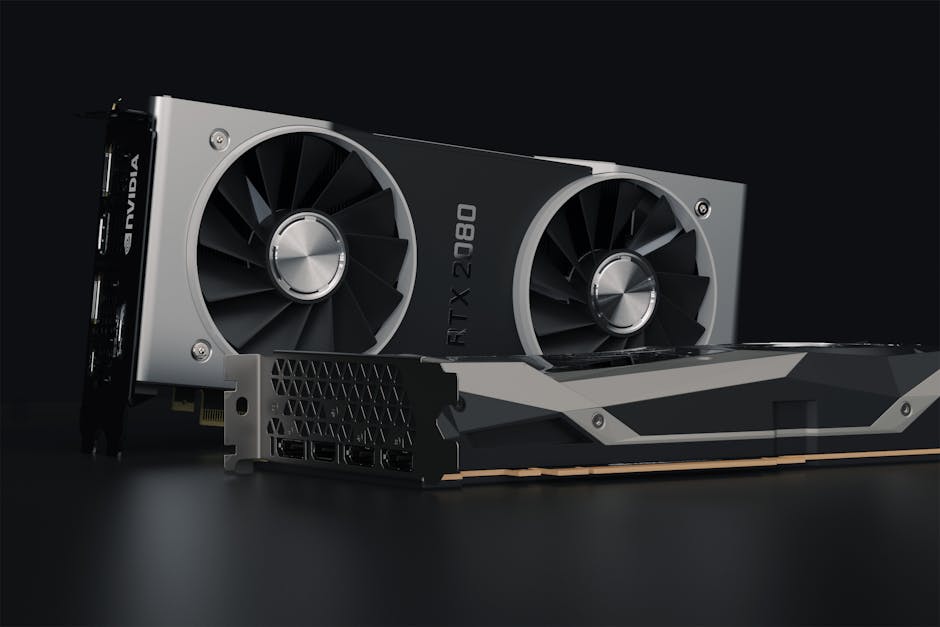
Akihabara’s Hardware Drought: How Japan Became the World’s AI-Driven GPU and Memory Barometer
In the labyrinthine lanes of Tokyo’s Akihabara district—a mecca for technology enthusiasts, system builders, and gamers—there’s a new kind of scarcity gripping the shelves. Where once rows of gleaming graphics cards and memory modules beckoned, now there are empty showcases draped with curtains, and retailers openly plead for the return of used PCs. This isn’t a fleeting shortage; it’s a profound transformation brought about by a voracious, AI-centered global demand for GPUs and high-performance memory. What happens in Akihabara today is a bellwether for what mature PC markets across the globe can expect tomorrow. This exposé delves deep into the causes, implications, and strategic responses to the crisis, offering both an urgent wake-up call and a toolkit for adaptation.
The New World Order in Hardware: AI Eats First
AI Data Centers Reshape the Market
Following the transformative leap in artificial intelligence capability and adoption after 2024, global AI infrastructure buyers—tech titans like Google, Microsoft, and Meta—have shifted the balance of power in PC component supply chains. With open-ended contracts ordering “as much as available regardless of cost,” these players have essentially locked up entire swathes of DRAM and HBM (High-Bandwidth Memory) wafer output. Memory giants such as Samsung, SK Hynix, and Micron have responded by repurposing fabrication lines, prioritizing HBM at the expense of traditional DDR4/DDR5 and GDDR, the lifeblood of PC and gaming graphics cards.
Akihabara as the Global ‘Canary in the Coal Mine’
Nowhere has this shift been more visible than in Akihabara. Once regarded as a paradise for the discerning enthusiast, the district’s flagship PC parts shops have faced relentless demand and withering supply. The once-ordinary act of securing a GeForce RTX 5060 Ti 16GB or higher-end Radeon RX 9000 card is now a matter of luck or timing—shelves are “a little bit spicy,” as local staff put it, and high-end GPUs often vanish within hours of arrival.
From Cycle to Structural Crisis
What distinguishes this crisis isn’t its intensity, but its underlying permanence. The causes aren’t a transient mining boom or a seasonal spike—they are structural, tied to capacity rededicated for AI that will take years to unwind. DDR5, once assumed to be the next staple upgrade, is now rationed, with purchase caps and wild price swings. The market has shifted from a cyclical to a structural shortage—one defined by the priorities of AI, not the whims of gamers or PC upgraders.
Retailers on the Front Lines: Survival Through Reinvention
Rationing as Standard Operating Procedure
In late 2025, as shortages began to bite, major Akihabara retailers—including Dospara Main Store, PC SHOP Ark, and Tsukumo eX.—implemented sweeping purchase limits: “one GPU per customer” became the new normal, and 16 GB VRAM cards were subject to even stricter controls. This wasn’t a temporary measure; for many stores, it has persisted for over a year, reflecting hard-earned pessimism about a quick resolution.
Managing Scarcity and the Showroom Experience
With high-end GPUs so scarce that “roughly half the showcase space” is empty, stores have taken the unusual step of covering display cases with curtains, focusing attention on what remains. Staff must now balance aesthetics, transparency, and customer morale, all while navigating unpredictable restocks and swelling spot prices.
Begging for Old Hardware: The Used Market Reborn
Perhaps the most evocative sign of the times: major electronics stores are now “begging” for customers’ used PCs, openly stating they will “pretty much buy any PC”—a radical inversion of the traditional supply chain. The result is an aggressive secondary market where used gaming PCs, once sold at a steep discount, now command prices rivaling new inventory. With new shipments unreliable, used hardware has become a vital buffer, enabling stores to keep foot traffic flowing and maintain revenue as new components become a rarity.
Consumers and Enthusiasts: The New Pragmatists
Flexible, Brand-Agnostic, and Realistic
Japanese PC enthusiasts—gamers, indie creators, and AI hobbyists—are responding to scarcity with adaptability. Where the culture once prized the “latest and greatest,” now there is a shift toward whatever balance of performance, availability, and price can be struck. Lower-tier GPUs (below 16 GB VRAM) are selling briskly, and Radeon models, still “relatively in stock,” see renewed interest.
“Old Becomes Gold”: The Age of Incremental Upgrades
Rather than full platform overhauls, users are stretching the life of motherboards and CPUs, selectively swapping in whatever parts they can find—be it RAM, SSD, or a used mid-tier GPU. This pragmatic approach is both a reflection of budgetary constraint and acceptance that “perfect is the enemy of the good” in times of deep scarcity.
Adapting Workloads, Adjusting Expectations
Those experimenting with local AI are scaling down: smaller models, offloading to the cloud, or using community resources. Increasingly, 16 GB+ GPUs are seen as “semi-professional equipment” rather than standard enthusiast gear, and memory—not just raw GPU power—has become the axis of meaningful performance.
The Big Why: Structural Shocks and the AI Allocation Regime
HBM’s Insatiable Appetite Changes Everything
HBM manufacturing requires substantially more wafer capacity per bit than traditional DRAM. As AI accelerators (notably, those from Nvidia) require ever-larger stacks of HBM, manufacturers have little choice but to redirect capacity, causing a cascading shortage in the consumer sphere.
Consumer Channels as Residual Buyers
With major AI- and cloud-oriented companies placing limitless memory orders, the consumer and enthusiast channel finds itself at the back of the line. What remains for PC builders and gamers is a fraction of previous allocations: global PC memory shipments are a function of what’s left after the AI sector is sated.
Ramp Times and the Long Wait
New wafer capacity isn’t just expensive—it’s slow. Industry experts suggest that “several years” are needed to bring meaningful supply online, and virtually all investments target AI capacity, not consumer cycles. The Japanese experience makes it clear: 2026 will not bring relief, and any recovery will likely be partial and AI-centric at best.
Comparative Perspectives: What Makes Japan Different?
Akihabara’s Unique Role as a Signal Hub
Unlike regions where retail is diffuse and online-dominated, Akihabara’s concentrated ecosystem—the sheer density of specialist retailers, subculture community, and global influence—means shifts are quickly visible and keenly felt. Whereas shortages elsewhere may be hidden behind online waitlists and vague restock dates, in Akihabara, empty shelves and visible rationing send an unmistakable message upstream, shaping global perception and vendor priorities.
Embrace of Used Hardware and Incrementalism
Japanese buyers’ readiness to buy, refurbish, and trust used gaming PCs—combined with retailers’ “we’ll buy any PC” campaigns—marks a faster and more organized pivot than seen in Western markets, where used hardware programs are less formalized and often distrusted.
Policy and Community Response
The narrative in Japan is one of collective action rather than individual frustration. Retailers and enthusiasts alike prioritize anti-scalping measures, rationing, and clear communication, aiming to preserve the enthusiast community even as supply remains choked.
Market Mechanics: The Numbers Behind the Drought
Price Transmission and the Spot Market Squeeze
Early 2026 has seen the first wave of price increases as pre-shortage inventory is exhausted. New GPUs and RAM batches are substantially more expensive, and as allocation remains uncertain, spot-market premiums multiply. Retailers prepare customers for further hikes, particularly for 16 GB VRAM GPUs and high-capacity DDR5 modules.
Used Hardware Approaches Parity with New
Once, a used GPU or gaming desktop might sell for 40–60% of its new counterpart. Now, with scarcity rampant, these discounts have shrunk—used parts can fetch 80–95% of new prices, blurring the boundary between “refurbished” and “new.”
Pre-Built PC Inflation
The memory crunch hit pre-built gaming desktops first, but with GPUs now facing the same pressures, system integrators are dealing with “double cost inflation”—an observation echoed both locally and in industry analyses.
Innovation in Crisis: Retail and Channel Strategies
The Rise of Structured Used-Hardware Programs
What began as desperation (“we’ll buy any PC”) is evolving into a formal business model. Retailers now develop multi-tiered refurbishment standards, short-term warranties, and optional service packages, making used hardware a sustainable, high-margin channel. This evolution also supports business and prosumer buyers, not just enthusiasts.
Supply-Aware System Configuration
In the face of unpredictable allocations, system builders emphasize “balanced” configurations—lower-tier GPUs paired with ample DDR5 or SSD capacity, or older GPU architectures bundled with software services. The message is clear: these are not compromises, but smart, supply-aware systems for the AI era.
Data-Driven Negotiation and Allocation
Akihabara’s real-time sell-through and out-of-stock data are now strategic tools, allowing local retailers to negotiate better allocations and marketing support from vendors who see the district as a global showcase.
Forward-Thinking Playbooks for Surviving—and Thriving—in Scarcity
Vendors: Prioritize, Refurbish, and Co-Design
Component vendors are advised to focus on profit-optimized, limited allocations (especially for 16 GB+ SKUs) in key hubs like Akihabara. Structured trade-in, refurbish, and certified-used programs offer margin survival as new stock dries up. Co-designing “lite” SKUs and memory-adaptive software can keep consumer and entry-level AI workloads afloat, even with hardware constraints.
Retailers: Institutionalize Rationing and Embrace the Secondary Market
Purchase limits should be institutionalized, not ad-hoc, and anti-scalping policies communicated transparently to maintain trust. Expansion of used-PC business lines, including clear refurbishment grades and customer-friendly warranties, is key to winning both enthusiast and business customers.
System Integrators: Supply-Conscious Design and Tiered Offerings
Offer two tiers: fully local-AI-capable workstations (16–24 GB VRAM) for premium buyers, and hybrid systems with modest GPUs plus cloud AI credits for the mass market. Invest in software and service bundles that make the most of available hardware.
Policy-Makers and Investors: Regional Partnerships and Real-Time Indicators
Japan should explore long-term contracts with memory vendors as insulation against global shocks, and treat Akihabara as a real-time dashboard for memory and GPU market stress to anticipate and mitigate downstream risks.
AI is not just setting the pace for memory and accelerator supply—it’s writing the rules. Markets like Akihabara show how resilience and adaptability, not just scale, will define who thrives in the era of perpetual hardware constraint.
Risks, Uncertainties, and the Path Forward
Persistent Scarcity and Price Volatility
The outlook through 2026 is clear: 16 GB+ GPUs and high-capacity DDR5 modules “remain at high risk of intermittent, severe shortages,” with Akihabara-style rationing set to echo through other advanced markets. Prices are poised to rise further as spot and contract costs climb, and retailers risk backlash if communication and allocation policies lag reality.
The Strategic Risk of AI Concentration
Traditional PC-focused firms now face dependence on AI demand cycles, which seldom align with consumer upgrade patterns. Misreading these dynamics risks inventory mismatches, margin erosion, and loss of enthusiast goodwill.
Reputation and Channel Credibility
As online communities scrutinize every shortage and policy change, transparent, proactive allocation management becomes non-negotiable. In a market where perception rapidly becomes reality, trust is the ultimate currency.
Conclusion: Akihabara’s Hard Lesson—Adapt or Fall Behind
The ongoing hardware drought in Akihabara is much more than a quirk of Japanese retail; it is an omen for global markets facing the relentless prioritization of AI over traditional consumer demand. While this shift has brought hardship—empty shelves, rationed VRAM, inflated used-PC prices—it has also catalyzed innovation: in supply chain management, in consumer pragmatism, and in the emergence of robust secondary and refurbishment markets.
The future belongs not to businesses that pine for a return to abundance, but to those who embrace the new normal of constraint. By investing in transparent allocation, elevating used hardware channels, and designing for “good enough” rather than “maximum conceivable performance,” both vendors and retailers can not only endure but outmaneuver the competition. As Akihabara has shown, resilience and adaptability—rooted in the needs of real-world users—will be the bedrock of success in an AI-dominated supply landscape.
For decision-makers, the message is urgent: watch Akihabara, learn from it, and be ready to pivot—because the AI era isn’t coming. It’s already here.