
AI-Powered Coffee Revolution: How Malaysian Cafés In Kuala Lumpur, Penang & Johor Bahru Are Outpacing Starbucks With Tech, Apps, And ASEAN Expansion
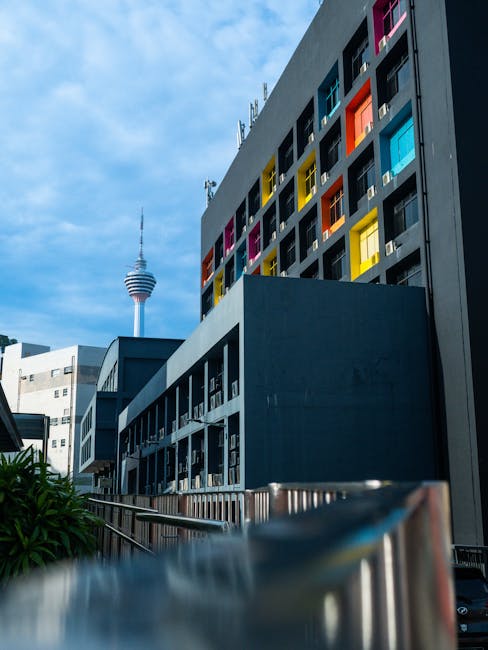
Malaysia’s Café Revolution: How Local Chains Are Outpacing Starbucks with AI, Data, and Mobile Ecosystems
The aroma of change is brewing in Malaysia’s specialty café sector. Once dominated by multinational giants like Starbucks, Malaysia’s coffee landscape is now a hotbed of digital disruption, where local chains are rewriting the playbook through AI-driven personalization, real-time cloud analytics, and scalable mobile ecosystems. As the market surges from USD 1.05 billion in 2025 to a projected USD 1.41 billion by 2030, Malaysian cafés are not merely catching up—they’re outpacing global brands, forging a new path that blends technology, culture, and consumer insight into the ultimate coffee experience for a new generation.
Market Evolution: From Kopi Hubs to Data-Driven Powerhouses
Historical Context: Malaysia’s coffee culture traces its roots to bustling kopitiams, serving robust brews and toasted bread. Yet, the rise of specialty cafés marked a shift—from instant and traditional blends to premium offerings powered by digital tools. Between 2023 and 2028, foodservice spending is rising at a robust 7.1% CAGR, fueled by digital-native Millennials and Gen Z who demand more than taste; they crave convenience, personalization, and experience.
Market Momentum: Specialty cafés are leading with an 8-10% CAGR, while RTD (Ready-to-Drink) products and home-brew segments trail closely behind. As local production wanes, Malaysian startups counter import dependency with AI-powered risk models and menu personalization, setting themselves apart from Starbucks’ standardized approach. The surge is not just in numbers—AI is redefining the competitive advantage.
Gen Z and Tech: Today’s Gen Z cohort—digital-first and mobile-centric—drives app-based ordering, loyalty engagement, and hyper-personalized promotions. This generational shift is critical: 41% of Southeast Asian consumers now expect tech-enabled speed, while 44% of operators plan active AI adoption, as highlighted by recent Popmenu trends.
Tools of the Trade: AI, Cloud, and Mobile Tech Transform Malaysian Cafés
AI Personalization: Leading chains like Zus Coffee and Secret Recipe leverage collaborative filtering and deep learning to deliver truly adaptive recommendations—be it a hot beverage on a rainy day or milestone-based upsells. This is not just about serving coffee, but about serving context.
Cloud Analytics and Real-Time Dashboards: With Microsoft Azure and PowerBI integrated into Secret Recipe’s stack, transaction and loyalty data from over 1.2 million members is processed in seconds. The result? Campaigns like “Healing Thursday,” engineered from data gap analysis, triggered spikes in cake sales and retention, proving the ROI of rapid analytics.
Mobile Apps and Loyalty Systems: The seamlessness of ordering, payment, and rewards is now a baseline expectation. Euromonitor identifies these digital touchpoints as central to chained café growth, with industry-wide adoption reflecting a 7.9% CAGR for the segment.
Forecasting and Regional Adaptation: AI models are not just for domestic growth—they sequence strategic ASEAN expansion (Indonesia, Vietnam, Singapore), adapting menus for bolder flavors or health premiums.
Unified Data Platforms: Unlike Starbucks, whose ASEAN operations are often fragmented, Malaysian chains invest early in cross-market data platforms, creating moats for regional dominance and rapid scaling.
Emerging Patterns: Hyper-Personalization, Regionalization, and Delivery Innovation
Hyper-Personalization: AI-driven apps ingest signals from weather, social media, and customer milestones. Menu recommendations change dynamically—cold drinks during heatwaves, upsells for birthdays, and behavioral gaps addressed with targeted promos.
ASEAN Regionalization: Malaysia serves as a data-rich testbed; Indonesia and Vietnam get menus with stronger flavors and higher sugar content, while Singapore leans toward health-centric, premium offerings. Unified loyalty platforms enable cross-border learning and adaptation, a contrast with multinationals’ often siloed operations.
Delivery and RTD Hybrids: Ghost kitchens and RTD lines tested by AI models create new channels for product validation and export readiness. With a 10-12% CAGR for RTD, Malaysia is positioning itself as a leader in both innovation and halal certification.
Generational Shifts: Younger consumers favor chain cafés with seamless app experiences, while legacy kopitiam patrons are drawn in by the convenience and speed that tech provides.
Events as Innovation Hubs: Platforms like MIFB 2026—the Malaysia International Food & Beverage Expo—are emerging as knowledge ecosystems, hosting workshops, chef tables, and the National Coffee Championship, where café tech is showcased, trends debated, and partnerships formed.
Case Studies: Data-Driven Wins and Real-World Metrics
Secret Recipe’s AI Stack: With over 360 outlets, Secret Recipe uses PowerBI and Azure to process thousands of daily transactions and 1.2 million loyalty accounts. After identifying Thursday as a cake sales trough, management launched the “Healing Thursday” promo; the result was a tangible spike in both cake sales and loyalty sign-ups.
Zus Coffee’s Expansion Engine: Zus Coffee, often referred to as Malaysia’s “AI laboratory,” models domestic data and exports the learnings across ASEAN. These efforts contribute to the market’s projected growth from USD 1.05B to USD 1.41B by 2030.
Industry Ecosystem at MIFB: The Malaysia International Food & Beverage Expo is now a hub for tech exhibitors, from AI-powered espresso machines to RTD automation lines, aligning with Popmenu’s 2026 findings that tech is driving both efficiency and consumer expectation.
Comparative Perspectives: Outpacing Starbucks in the ASEAN Arena
Legacy Giants vs. Local Innovators: Starbucks, despite its global scale and origin-centric storytelling, lags in unified data platforms within ASEAN. Malaysian chains excel on experience—using AI for hyper-local personalization, weather-based recommendations, and loyalty ecosystem engineering.
Fragmentation vs. Integration: Starbucks often operates with fragmented regional data and menu standardization. Malaysian chains integrate cross-market analytics from the outset, deploying unified AI platforms and adapting rapidly to local tastes.
ROI and Membership Metrics: Malaysian players drive average order value (AOV) and retention through targeted campaigns, while Starbucks relies on traditional menu scale.
Consumer Expectation: With 41% of consumers demanding technology-enabled service and 44% of operators investing in AI, Malaysian cafés are better aligned to regional digital preferences, positioning themselves for sustained growth and differentiation.
Real-World Implications: Ecosystems, Metric-Driven Decisions, and Cross-Border Play
Loyalty Data Unification: Chains like Secret Recipe, with 1.2 million unified memberships, can target promotions and experiences tailored to each customer segment, driving frequency and spend far beyond traditional campaigns.
Regional Scaling and Menu Adaptations: AI-backed insights enable seamless adaptation—Indonesian and Vietnamese tastes prefer higher sugar, Singaporean markets demand premium, health-forward selections. This nimbleness has real export potential for Malaysian brands.
Delivery and RTD Expansion: Delivery-only models and RTD formats create low-risk entry points into new markets, validated by AI before physical expansion.
Event-Driven Innovation: Tech-focused expos and championships fast-track new partnerships, tech adoption, and supply chain improvements.
Data-Driven Risk Management: With declining local production and import volatility, startups deploy AI for supply risk modeling and commodity forecasting.
Hands-On Recommendations: Where to Experience Malaysia’s Café Tech
Urban Malaysia: Explore Zus Coffee with over 50 outlets—download their app to test weather-responsive recommendations and loyalty upsells. Visit Secret Recipe’s 360 outlets nationwide, scan for personalized “Healing Thursday” cake promos.
MIFB 2026 Expo (Kuala Lumpur): Attend the upcoming Malaysia International Food & Beverage Expo at the KL Convention Centre for hands-on demos of café automation, AI-driven RTD lines, and more.
ASEAN Neighbors: See Zus Coffee and Secret Recipe in Singapore for premium adaptations; in Indonesia and Vietnam, test bold flavors and sugar-heavy RTDs driven by data-informed menu engineering.
Pro Tip: Use the apps and loyalty platforms yourself—track the personalization, compare with Starbucks, and benchmark your own experiences against the new baseline for café tech.
Strategic Roadmap: Action Steps for Industry Leaders
Immediate (Q1 2026): Audit and unify data from POS, loyalty, and social into PowerBI/Azure-like platforms. Pilot AI personalization (weather and upsell models) targeting an average order value uplift of 10-20%. Attend MIFB 2026 to network with halal and tech exhibitors.
Medium-Term (2026-2027): Regionalize by sequencing ASEAN entries—adapt menus per market specifics, diversify into RTD and home kits using AI-driven audience insights. Deploy metrics dashboards tracking key growth indicators like per-capita consumption (target: 140 cups/year) and CAGR (7.9%).
Long-Term (to 2030): Build integrated ecosystems through cross-industry collaborations, hedge risks with AI commodity forecasts, and benchmark against the 44% operator adoption rate for tech platforms.
Risks and Mitigation: Address data privacy concerns and supply volatility with ethical AI and proactive supply chain modeling.
By 2030, Malaysia’s café sector will no longer be the best-kept secret of Southeast Asia. Unified data, AI-driven personalization, and adaptive ecosystems will transform local innovation into global leadership—where algorithms, not just baristas, define the coffee experience.
Forward Outlook: The Strategic Imperative for Global F&B Leaders
Malaysia as Global Benchmark: As the Malaysian coffee market reaches USD 1.41B and per-capita consumption jumps to 140 cups/year, its ecosystem becomes both export model and strategic blueprint for ASEAN expansion.
Tech as Non-Negotiable: The Popmenu 2026 report underscores the critical role of technology—41% of consumers now demand it, 44% of operators are investing. Unified, scalable platforms will be the engine of future growth.
Action Required: For F&B executives and café entrepreneurs, investing in data infrastructure and AI personalization is not just recovery from pandemic-era disruptions—it is a decisive leap ahead of global competitors.
Final Opinion: The future belongs to agile, tech-empowered cafés that turn every transaction, weather event, and consumer milestone into actionable intelligence and meaningful experience. Malaysia, once a follower, now sets the pace for global coffee chains. Industry leaders who embrace this transformation—unifying their data, regionalizing their playbooks, and personalizing at scale—will not only outpace Starbucks, but redefine what it means to be a café in the digital age.