
AI-Powered Payment Systems Revolutionize Laundromats: 2026 Trends And ROI Insights For New York, London, Shanghai, And São Paulo
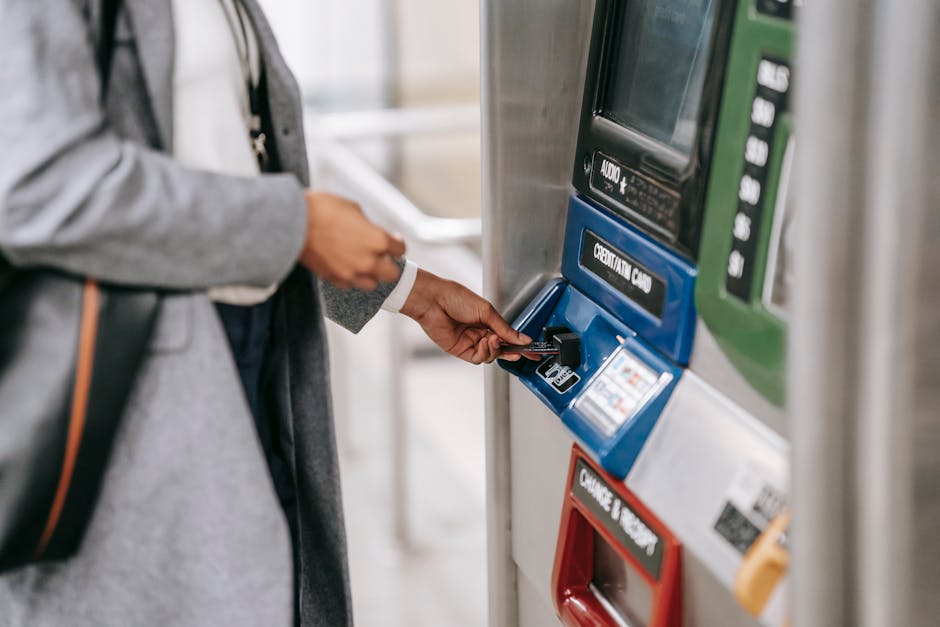
AI-Powered Payment Systems: Transforming the Global Laundromat Industry in 2026
The laundromat industry, long characterized by clanking coins, yellowed instruction placards, and cash-heavy operations, is in the midst of a dramatic transformation. In 2026, fueled by artificial intelligence and rapid fintech innovation, laundromats from São Paulo to Shanghai are embracing AI-powered payment systems that promise to redefine customer experience, operational efficiency, and profitability. Where coin boxes once jammed and cash theft challenged owners, digital ecosystems now enable predictive maintenance, dynamic pricing, and real-time analytics—unlocking up to 30% growth for forward-thinking operators. As the world’s laundry habits evolve, this exposé delves deeply into the heart of this revolution, tracing region-specific patterns, confronting emerging challenges, and illuminating the strategic playbook for the laundromat of tomorrow.
The End of Coin Dominance: Global Shifts in Payment Behaviors
Pervasiveness of Coin-Operated Systems: For decades, coin-operated machines symbolized trust and simplicity in laundromats globally. Even into the mid-2020s, 60% of rural laundromats still rely on coins, especially in regions where internet connectivity is unreliable or digital literacy remains low.
Accelerated Hybrid Integration: Yet, the tide has turned. In urban North America, 35% of laundromats now offer mobile or contactless payments, a trend pushed by 40% of millennials expressing a clear preference for digital options—a jump that has reshaped revenue models. Hybrid systems (coins + cards + apps) currently make up 40% of global setups, minimizing friction for diverse demographics.
Dramatic Regional Contrasts: Europe leads in digital adoption—Sweden’s near-cashless society set the tone, and countries like Germany and the UK report over 50% of laundromat transactions are now digital, supercharged by regulatory pressure and widespread NFC/EMV compliance. In Asia-Pacific, innovation is even more feverish: India’s 150,000-strong laundromat industry is witnessing a 60% YoY surge in mobile payments, catalyzed by UPI integration and accessible payment apps. China’s pilot programs with the digital yuan have achieved a staggering 90% cashless usage in experimental Shanghai laundromats.
Dissecting the AI Advantage: Beyond Transaction Processing
AI as the New Nerve Center: The integration of AI has shifted the narrative from basic digital payments to intelligent, data-driven laundromat management. Platforms like PayRange and CCI’s X2 AI kiosks are not only accepting money—they’re predicting machine faults, personalizing promotions, detecting fraud, and optimizing resource usage in real time.
Data-Backed Efficiency Gains: Real-world deployments spotlight the rapid ROI from AI solutions. In the US, implementation of PayRange hybrids resulted in a 22% revenue increase and a 30% drop in machine downtime. AI-powered predictive maintenance alone can save large facilities $5,000–$10,000 per year and boost machine uptime towards 99%, a leap that transforms profitability.
Dynamic Pricing and Customer Engagement: By analyzing usage patterns, AI systems enable dynamic pricing, such as peak-hour surcharges—translating into a 15–25% bump in revenue. Loyalty apps with AI-driven personalization have been shown to increase repeat visits by 40% and customer retention by 25%, especially among tech-savvy 18–35-year-olds who now contribute to 70% of digital transactions.
Region-by-Region: Tactical Innovations and Strategic Shifts
North America: Here, laundromat owners capitalize on post-pandemic contactless trends and strong digital readiness. AI kiosks like the CCI X2 deliver unattended operation and facilitate ROI in as little as 12–18 months for medium-sized facilities. North American case studies consistently report efficiency gains of 18% following IoT-enabled payment and monitoring rollouts.
Europe: Regulatory factors play a defining role. GDPR-compliance means that AI tools are calibrated for data privacy, and the region is a testbed for EMV/NFC and privacy-first digital solutions. UK laundromats report a 15% reduction in energy costs directly attributable to AI-optimized operations.
Asia-Pacific: The pace of innovation stuns even the most ambitious market forecasters. In India, partnerships with local fintechs and government-backed UPI integration have slashed cash handling by 90% for leading chains and generated profit boosts of 18%. China’s megacities leverage AI to forecast crowd surges—enabling real-time, city-wide dynamic pricing for maximum throughput and revenues.
Latin America: The introduction of Brazil’s instant Pix system has unleashed 45% adoption rates in São Paulo laundromats and reduced theft by 70%. AI-driven remote machine monitoring is becoming the norm, especially for safeguarding facilities in higher-risk neighborhoods.
Comparative Perspectives: From Skeptics to Early Adopters
Rural vs. Urban Divide: The adoption curve splits sharply between dense urban centers and rural communities. Coin systems still dominate in lower-connectivity regions—particularly in rural India (where 60% of laundromats report connectivity issues) and Mexico (50% face similar challenges). However, continuous 5G rollouts are expected to upend this status quo within the next two years, democratizing cloud-based, AI-powered payment access.
Demographic Preferences: Despite the growth of digital payments, 30% of laundromat customers—often older cohorts—still favor coins, a factor that underpins the recommendation for phased hybrid models in transitional markets.
Operator Concerns: Approximately 40% of laundromat owners cite internet reliability and technical training as the main barriers to adopting A.I. systems, especially in developing economies. Meanwhile, early adopters in urban North America and China, who invested in hybrid and full-digital systems, are already reaping outsized returns—positioning themselves as regional benchmarks for profitability and customer satisfaction.
From Case Studies to Strategic Blueprint: Implementing AI-Powered Payment Systems
A Phased, Data-Driven Approach: Successful integration follows a four-phase roadmap:
— Assessment: Audit current infrastructure and customer demographics. For small sites (<50 machines), hybrid models are prioritized, while larger operations (>100 machines) begin full-scale AI integrations. ROI modeling tools, such as those found in the Unity 2026 Guide, forecast a 15% revenue lift and 20% throughput gains.
— Vendor Selection: Selection is region-specific—PayRange leads in U.S. mobile-first applications, Europe leans toward EMV/NFC dominance, Asia-Pacific prefers local fintech integrations, and Latin America champions Pix-native platforms. Cost analysis reveals that small laundromats face upfront investments around $5,000–$10,000 and ROI times of 18–24 months, while large sites may see returns within just 6–12 months.
— Technical Setup: Ensuring reliable internet (fiber or 5G), retrofitting machines for NFC/QR compatibility, and enabling IoT infrastructure are critical steps. Hybrid setups ease transitions, retaining coin features for legacy users.
— Launch and Optimization: Staff training, pilot programs, and high-visibility signage drive initial adoption. AI features are activated after one month of transaction data collection to enable predictive maintenance, dynamic pricing, and targeted marketing.
“In a sector long defined by inertia, AI-powered payment systems have become the great equalizer—offering laundromat owners the rare chance to leapfrog legacy barriers and capture 15–30% growth in a single upgrade cycle. The risk today lies not in bold innovation, but in failing to act before this window closes.”
The Real-World Impact: Profit, Security, and the Customer
Revenue and Efficiency: Facilities adopting mobile apps or AI-powered platforms consistently achieve double-digit profit increases—often between 10–20%—through loyalty programs and data-driven promotions. Transaction speeds have improved, with digital systems cutting wait times by half and boosting throughput by up to 25%.
Security and Fraud Reduction: The impact on security is equally profound. Incorporating AI-based fraud detection and cashless systems has reduced theft by up to 70% in vulnerable regions, and machine learning algorithms have cut chargebacks by 80%. For operators in Latin America, these measures are not just cost-saving—they’re transformational for business viability.
Customer Experience: For end users, the difference is palpable. Younger customers now expect personalized discounts, mobile notifications, and seamless app experiences. Loyalty apps leveraging AI see retention rates spike by up to 25%, anchoring future revenue streams. Even so, maintaining hybrid payment options ensures that laundromats remain inclusive community resources, accessible to all.
Forward-Looking Insights: From Blockchain to Borderless Payments
Blockchain on the Horizon: The future points toward further decentralization. By 2027, industry analysts predict 80% AI penetration in laundromat payments, with blockchain technology emerging for low-cost, cross-border micropayments. This will further erode the last vestiges of cash dependence and can foster transnational loyalty programs and seamless global usage for travelers.
Cloud-First, Always-On Operations: As 80% of new payment systems are cloud-based, the arrival of 5G is set to dissolve current connectivity barriers and enable always-on IoT monitoring, predictive maintenance, and real-time energy optimization at scale.
Strategic Recommendations: To future-proof operations, laundromat owners are urged to:
- Prioritize phased hybrid rollouts to accommodate diverse user bases and mitigate risk.
- Invest in AI-driven platforms for predictive maintenance, dynamic pricing, and fraud detection, especially in medium and large facilities where data insights yield the greatest ROI.
- Localize strategy—Europe’s privacy mandates, Asia-Pacific’s fintech partnerships, and Latin America’s security requirements dictate nuanced deployment approaches. (Source)
- Budget for contingencies, including downtime and technical training, allocating approximately 10% of total investment.
- Track KPIs such as revenue uplift per site ($2,000–$5,000/month), customer NPS improvements (up to +20 points), and uptime (99%) to ensure project viability and secure stakeholder buy-in.
Conclusion: The Race Toward Intelligent, Inclusive Laundromats
The laundromat industry stands at a once-in-a-generation crossroads. AI-powered payment systems are not merely the next step in modernization—they are rapidly becoming the foundation on which the laundromat’s future will be built. Owners who move now, with strategic, regionally-informed investments, can unlock first-mover advantages in a market poised for 15–30% growth, tapping into a data-rich future where machines don’t just wash clothes—they drive profit, minimize risk, and create personalized, human-centered experiences. The question is no longer if, but how quickly, operators can adapt and scale.
For business decision-makers, the imperative is clear: act boldly, invest smartly, and become not just part of the future, but its architects. As AI and digital payments become universal, laundromats will transform from static, coin-driven spaces to dynamic, intelligent community anchors—accessible, profitable, and ready for whatever the future spins next.
For further reading, see: Optimizing Payments in Laundromats,The Future of Laundromats,Innovations in Laundry Payment Apps.