
AI-Powered Vending Machines In Tokyo: Transforming Urban Retail Across Japan And Asia-Pacific With Smart, Data-Driven Solutions
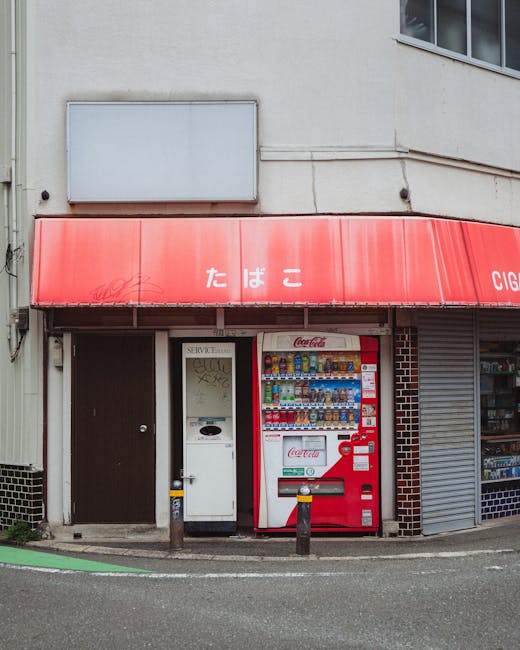
AI-Powered Vending Machines: Tokyo’s Blueprint for the Future of Urban Retail in Asia-Pacific
In the heart of Tokyo, the humble vending machine is undergoing an extraordinary transformation. Once a static fixture—dispensing canned coffee or soda with mechanical efficiency—it is now a digital gateway to the next era of urban retail. Fueled by a convergence of artificial intelligence (AI), Internet of Things (IoT) connectivity, cloud analytics, and seamless cashless payments, the “intelligent” vending machine is redefining how products, data, and experiences flow in Asia-Pacific’s densest cities. With Japan as both pioneer and laboratory, business leaders across retail, real estate, fast-moving consumer goods (FMCG), and technology sectors face a generational inflection point: will they harness this emerging channel's value, or risk being sidelined as the city itself becomes an always-on marketplace?
The Evolution: From Passive Dispensers to Urban Data Engines
Historic Density and Cultural Foundations:
Japan’s cities, and Tokyo in particular, have long been celebrated for their astonishing vending machine density—nearly ubiquitous across station corridors, office lobbies, and street corners. This legacy is grounded in cultural comfort with unattended retail, high levels of public safety, and an early embrace of digital payments via IC transit cards.
Technological Inflection:
What distinguishes this current wave is the layering of AI, ICT (Information Communications Technology), and cloud analytics atop a vast installed base. Vending machines are morphing into 24/7 micro-stores, media surfaces, and behavioral data collection nodes. They are being redeployed not just as beverage dispensers, but as programmable platforms capable of dynamic pricing, predictive maintenance, and personalized product recommendations—all tightly integrated into Tokyo’s smart city vision. Recent market intelligence confirms that the Asia-Pacific region leads global growth, with intelligent vending machines in APAC poised to grow at a remarkable 14.5% CAGR between 2025 and 2032 (source).
Emerging Patterns: The New DNA of Intelligent Vending
Multi-Layered Technology Stack:
Tokyo’s new “AI multifunctional vending” models integrate four core technology layers:
- Sensing & Interaction: Touchscreens, IoT sensors, and computer vision fuel rich UX, product recognition, and even age verification.
- Connectivity & Cloud: Always-on 4G/5G or Wi-Fi links ensure real-time fleet management and remote configuration.
- AI & Analytics: Real-time demand forecasting, product recommendations, dynamic pricing strategies, and predictive maintenance turn each unit into a nano-retail research lab.
- Payments & Security: Seamless support for NFC, QR, and transit card payments (Suica, PASMO), combined with robust encryption and privacy controls in accordance with Japan’s Act on the Protection of Personal Information (APPI).
Destination Retail and Premiumization:
Recent deployments in Ueno showcase the wave’s direction: vending machines selling high-demand confections from famous Tokyo brands, curated for both locals and tourists. These “flagship” units function as both retail point and mini-brand showrooms, with digital screens enabling instant campaigns, limited editions, and real-time merchandising adjustments (source). This marks a tactical shift toward higher-margin, specialty SKUs, supported by advanced AI engines.
Media Surface and Data Node:
Large touchscreens and programmable ad inventory mean vending machines can monetize not only physical sales but also digital engagement—offering a two-sided revenue strategy for operators and real estate owners.
Comparative Perspectives: Tokyo vs. Wider APAC Cities
Tokyo’s Unique Lead:
Tokyo’s vending evolution is grounded in a mature infrastructure of digital payments, high public trust, and proactive government funding for AI and smart city initiatives. The city’s operators benefit from immediate access to transit card integrations and supportive policy environments, such as METI’s record funding for AI and digital infrastructure (source).
Contrast with Other APAC Metros:
While Seoul, Singapore, and Shanghai are fast followers (and, in some cases, parallel innovators), differences remain. In Southeast Asia and India, adoption is slower due to price sensitivity and legacy hardware, often requiring hybrid fleet integration strategies and more aggressive localization around payments and regulatory compliance. In these markets, “AI vending” often starts with tiered deployments in flagship locations—airports, transit hubs, and major campuses—before scaling.
The North American Comparison:
Though North America holds about 40% of market share as of 2025, its urban vending landscape lacks Tokyo’s density and cultural norm of unmanned retail. The APAC model’s fusion of data, media, and commerce at massive scale is becoming a template for global adaptation.
Tactical Shifts: How Operators and Brands Are Repositioning
Labor and Efficiency:
Facing aging populations and retail staff shortages, Japanese operators see AI vending as a direct answer—automating restocking via real-time inventory telemetry, using predictive maintenance to slash downtime, and shifting logistics from fixed routes to dynamic, data-driven ones.
New End-User Horizons:
Healthcare-focused vending is rising rapidly, with hygiene and medical supply machines projected to grow at 13.5% CAGR. Hospitals, clinics, and residential complexes are leveraging these units for 24/7 access to PPE, over-the-counter meds, and even nurse-only dispensing of clinical items.
Smart City Synergies:
Vending machines are being woven into Tokyo’s smart building networks, aligned with disaster preparedness strategies, and serving as digital information kiosks for tourists—sometimes integrating directly with transit apps and local loyalty programs.
Real-World Innovation: The Ueno “AI Multifunctional Vending” Case
The Ueno-area AI vending deployment is illustrative: stocking premium Tokyo sweets like Kameju and Caramel Stock, it transforms its footprint from convenience retail into an experience destination. Here, vending is not just transactional—it’s aspirational, drawing footfall from both locals and visitors seeking high-quality, curated assortments.
Implications:
- Brands can test new neighborhoods and products without full retail presence.
- Operators segment their fleets—commodity beverage machines vs. AI premium units—in strategic zones.
- Media revenue and behavioral data become parallel streams, with digital signage monetized via brand partnerships and campaigns.
Risks and Constraints: What Decision Makers Must Watch
High Initial CAPEX:
Advanced AI vending machines require investment in hardware, sensors, and cloud integration. Smaller operators may struggle, especially in price-sensitive APAC regions. Strategic partnerships, leasing, and tiered rollouts (flagship units in prime locations first) are emerging as remedies.
Data Privacy and Cybersecurity:
Regulatory compliance is essential—Japan’s APPI sets high bars for personal data protection. Operators must ensure robust encryption, limit biometric profiling, and maintain clear disclosures and opt-outs. Multi-jurisdiction compliance is non-negotiable for cross-border fleets.
Integration and Legacy Fleets:
Tokyo’s existing vending fleets are heterogeneous, and upgrading to AI systems introduces complexity. Unified IoT gateways and standardization on open API platforms are keys to managing mixed hardware generations.
Innovation Playbook: Strategies for Tokyo and APAC Decision Makers
Premium and Localized Product Strategies:
Leveraging AI analytics, brands can deploy micro-local assortments—regional snacks, seasonal themes, and limited editions—tailored by station or building. The Tokyo model is increasingly exportable to other APAC cities with strong culinary identities.
Healthcare and Hygiene Vending:
Hospitals and clinics represent high-growth end-user segments. Intelligent vending provides 24/7 access, improves medication adherence, and supports public health objectives, all managed via centralized dashboards.
Transit Integration:
Vending is aligning with Tokyo’s rail modernization programs and smart mobility apps. In APAC capitals, media-retail bundles and time-of-journey targeting enable high-impact campaigns and product placements.
Workplace and Campus Deployments:
Office towers and campuses are prime locations, where vending machines adjust to workforce preferences and integrate with loyalty, subsidy, and corporate wellness programs.
Deployment Blueprint: From Vision to Execution
Portfolio Alignment:
Executives must clarify vending’s strategic roles—direct sales, ancillary distribution, brand sampling, or media/data node. The Ueno flagship model demonstrates how premium brands can use vending as micro-flagship stores.
Location and Analytics:
Prioritize high-footfall sites (stations, campuses, hospitals), using real-time telemetry to optimize placement.
Vendor Selection and Integration:
Choose partners with proven APAC experience, open APIs, edge AI capabilities, and compliance with local data laws. Multi-lingual interfaces and flexible payment integrations are now baseline requirements.
Operational Excellence:
Centralized dashboards for inventory, maintenance, and profit tracking are essential. Logistics must shift to data-driven route optimization, reducing costs and maximizing uptime.
Regulatory and ESG: Aligning with Japan’s Green and Digital Agenda
Energy Efficiency and Resilience:
Japan’s FY2026 budget earmarks JPY 605 billion for green transformation, directly supporting deployments of energy-efficient vending infrastructure. Machines optimized for efficient refrigeration, lighting, and backup power may qualify for incentives and play roles in disaster response plans (source).
Consumer Protection:
Operators must lead with transparency—clear privacy disclosures, opt-outs for personalized features, and restraint in biometric data use—especially in school or youth-focused deployments. Cross-border compliance is critical as vending increasingly serves international tourists.
Comparative Insights: Different Stakeholder Viewpoints
FMCG and Beverage Brands: See AI vending as test labs and micro-flagships, enabling premium launches and rapid A/B testing.
Retailers and Real Estate Owners: Treat machines as “smart tenants” that monetize space both via sales and digital ads.
Healthcare Providers: Use vending to streamline access and relieve counter congestion.
Tech and Payments Firms: Focus on edge AI, “AI-as-a-service” platforms, and local payment rails.
Policymakers: Integrate vending into smart city plans and disaster response blueprints; incentivize energy-efficient deployments.
Tokyo’s evolving AI-powered vending ecosystem is not just a symbol of technical progress—it is a template for how dense, future-ready cities will blend retail, data, and public infrastructure.
“In the urban Asia-Pacific of tomorrow, the vending machine may be your nearest store, media screen, and sensor—all at once. Smart decision-making today means owning a piece of the city’s digital heartbeat.”
Procurement and Partnership: How Enterprise Buyers Engage
Direct Purchase Realities:
Enterprise-grade AI vending deployments are currently procured via B2B contracts, not instant checkout. Successful leaders issue clear RFPs, engage providers with APAC expertise, and negotiate SLAs on uptime, data access, and media monetization. Close coordination with local authorities and real estate partners remains essential (source).
Action Checklist: The Next 24 Months for Tokyo & APAC Executives
Strategic Design (0–3 months): Define vending’s role, identify priority sites, and shortlist vendors.
Pilot Launch (3–9 months): Deploy initial units in high-impact zones; integrate payments and loyalty; track robust KPIs.
Optimize with AI (9–18 months): Activate dynamic pricing, recommendation engines, and predictive maintenance.
Scale and Regionalize (18–24+ months): Expand within Tokyo, then localize the model for other APAC capitals, adjusting for payment, regulation, and consumer culture.
Conclusion: Strategic Imperatives and the Path Ahead
Tokyo’s intelligent vending revolution presents a living roadmap for the Asia-Pacific region’s leap to frictionless, data-rich urban commerce. What was once a passive hardware network is now a strategic channel—scalable, low-footprint, and ceaselessly adaptive to shifting urban behaviors. For business leaders, the opportunity is twofold: immediate new revenue streams in premium assortments and digital media, and longer-term mastery of urban consumer insight through continuously flowing behavioral data.
Yet, success depends on more than technological deployment. It demands cross-functional alignment—between brands, operators, city planners, and technology partners. It requires a commitment to privacy, energy efficiency, and localized innovation. Above all, it prescribes a mindset shift: seeing every vending machine not as a mere dispenser, but as a miniature store, billboard, and sensor, embedded in the city’s digital nervous system.
In an era where urban retail is being rewritten by AI and connectivity, Tokyo’s approach signals Asia-Pacific’s future: automated, intelligent, and intimately responsive to both consumer and civic needs. The question is not whether to act, but how quickly you can deploy—and how smartly you can adapt. The vending machine’s quiet glow in Tokyo’s night is now the beacon leading an entire region into the next chapter of urban commercial life.