
Amazon Primes Delivery Expansion: How One-Hour And Same-Day Services Are Transforming U.S. Cities Like Los Angeles And Seattle
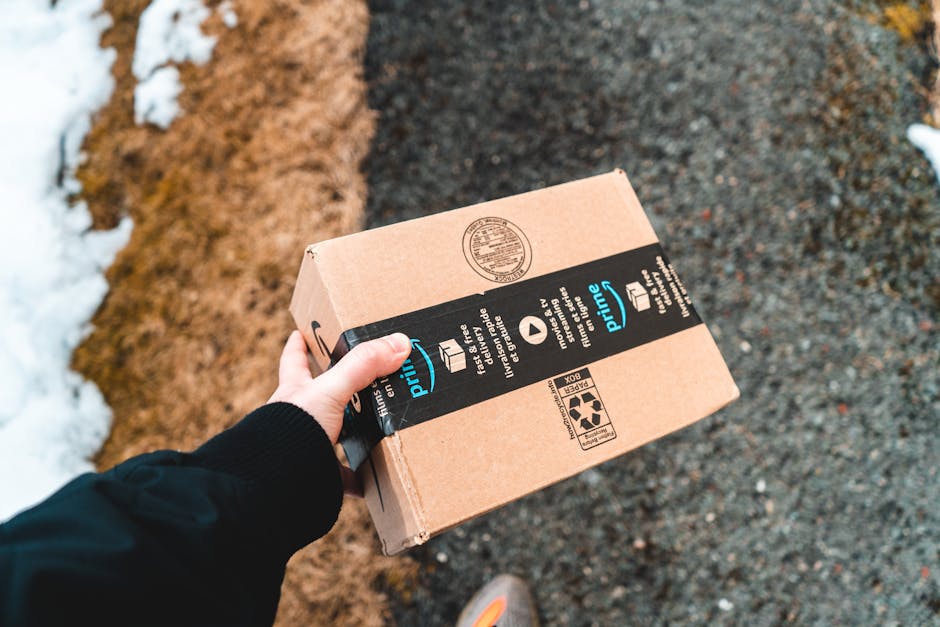
Amazon Prime’s Delivery Revolution: Unpacking Its Impact on U.S. Markets and What Lies Ahead
The delivery landscape in the United States is undergoing a dramatic transformation, hailed by rapid innovation and massive investments—most notably by industry titan Amazon Prime. In a climate where consumer convenience and speed are non-negotiable, Amazon’s relentless expansion into one-hour, same-day, and rural delivery services is recalibrating expectations and competitive tactics. As Prime's logistical prowess weaves deeper into the daily lives of Americans, the story unfolding is not just about faster packages but about the strategic reimagining of retail, logistics, and consumer engagement.
The Historical Backdrop: From Two-Day Delivery to Lightning Speed
Pioneering Convenience: When Amazon first introduced its two-day Prime delivery in 2005, it raised the bar for the e-commerce industry. Over subsequent years, what began as a premium perk evolved into a basic expectation. But recent moves signal the dawn of a new era: from incremental improvements to exponential leaps in delivery innovation.
Escalating Consumer Expectations: Today’s shoppers demand immediacy—no longer satisfied with two-day, or even next-day, fulfillment. This transition toward “want-it-now” culture sets the stage for Amazon’s latest strategic initiatives.
Charting New Territory: Amazon’s Expansive Delivery Innovations
One-Hour Delivery: The Urban Vanguard
Recent pilot programs have seen one-hour delivery launch in densely populated areas such as Los Angeles, with rollouts in hundreds of U.S. cities on track for 2026. This is not merely a logistical upgrade; it’s a recalibration of consumer expectation and retail rhythm, compressing the time from click to doorstep in ways unseen before.
Same-Day Grocery Delivery: Dominating Daily Essentials
Amazon’s same-day grocery delivery network has ballooned to over 2,000 cities, with further expansion imminent. The practical implications are profound. No longer is Amazon simply a portal for discretionary online shopping; it is solidifying itself as an indispensable household utility.
Rural Outreach: Bridging the Service Divide
Perhaps most notable is Amazon’s $4 billion investment to extend same- and next-day delivery to over 4,000 smaller towns and rural communities. This move disrupts the longstanding urban-rural divide, ushering a new cohort of consumers into the modern e-commerce fold and redefining expectations well beyond metropolitan city limits.
Dissecting the Numbers: Scale, Speed, and Strategic Investment
Financial Muscle and Logistics Infrastructure
Amazon’s commitment to delivery innovation is backed by unprecedented capital. The $4 billion earmarked for rural expansion underscores a willingness to absorb up-front costs for long-term market lock-in.
Operational Reach
With same-day delivery available in 2,000+ cities and pilots for 30-minute service now underway, the logistical backbone—spanning warehouses, last-mile delivery networks, and algorithm-driven routing—is both vast and agile.
The Scale of Change
To put it in perspective, by 2026 Amazon anticipates one-hour or faster delivery to become a standard option for millions of Prime households, fundamentally altering shopping behaviors across regions and demographics.
Innovative Practices Reshaping the Industry
Technological Orchestration
Amazon leverages advanced predictive analytics and machine learning to anticipate purchasing patterns, optimize inventory allocation, and shave minutes from every step of the fulfillment process.
Workforce and Gig Integration
Blending a full-time logistics workforce with flexible gig drivers, Amazon is creating a resilient, scalable system that rapidly responds to demand surges—especially critical for one-hour and 30-minute delivery promises.
Consumer-Centric UX
Seamless tracking, real-time notifications, and dynamic delivery modifications define Amazon’s approach to user experience—essential in retaining loyalty in a highly competitive space.
Storytelling Through Data: Why These Moves Matter
Household Penetration, Engagement, and Loyalty
Each incremental improvement in delivery speed correlates with higher order frequency and overall Prime membership engagement. Early results from one-hour delivery pilots indicate a measurable uptick in repeat orders and customer satisfaction, with rural expansion driving new signups.
Competitive Ripple Effects
Competitors, both large and small, are compelled to re-examine their logistics, reevaluate their value propositions, and often pivot towards partnerships or technological collaboration just to keep pace.
Societal and Economic Impacts
By making same-day and one-hour delivery standard, Amazon is not only reshaping retail but influencing labor markets, transportation infrastructure, and even urban planning, as instant commerce becomes a defining feature of modern life.
Comparative Perspectives: Urban, Suburban, and Rural Realities
Urban Acceleration
Metropolitan centers benefit first and most from Amazon’s rapid delivery rollouts. Here, competitive density is highest, and consumer demand for immediacy drives continuous innovation.
Suburban Adaptation
In suburban areas, same-day and next-day services serve as a critical differentiator, but adoption rates hinge on density, warehouse proximity, and local market competition.
Rural Disruption
Rural markets, historically last in line for such innovations, now experience a level of service parity that would have been unthinkable even a few years ago. This strategy, innovative yet costly, may yield new benchmarks for customer retention and rural economic participation.
New Viewers vs. Established Customers
For new viewers of the market—emerging rivals or international observers—Amazon’s bold playbook signals both opportunity and existential risk. Incumbents must decide whether to emulate, focus on niche differentiation, or exit altogether.
"As Amazon’s delivery expansion strategy fuses speed, accessibility, and scale, it creates a blueprint for 21st-century commerce—challenging every retailer to reimagine what’s possible and every community to anticipate a future where distance and delay are no longer barriers to economic participation."
Forward-Thinking Insights: What’s Next for the Delivery Economy?
The Obsolescence of “Patience”
As fulfillment windows shrink, consumer definitions of “reasonable wait times” are vanishing. The expectation for near-instant delivery will continue to rewire purchasing decisions and loyalty.
Platformization and Ecosystem Thinking
Amazon’s strategy hints at deeper platformization—tying content, commerce, and logistics into a holistic Prime ecosystem that further insulates it from competitors and amplifies cross-selling opportunities.
Regulatory and Social Questions
As the pace and penetration of delivery services intensify, expect regulators and civic leaders to confront questions about labor standards, environmental impact, and data privacy—each a potential flashpoint for public debate and policy intervention.
Global Implications
Countries and markets outside the U.S. are watching closely. While the current expansion is U.S.-centric, the lessons and logistical frameworks established here will inevitably inform future international strategies.
Conclusion: The Strategic Imperative for the Next Decade
Amazon Prime’s latest delivery expansions represent far more than a technical feat—they are a clarion call for every organization with a stake in retail, logistics, supply chain, or technology. The competitive bar has been raised: what was ambitious yesterday is table stakes today, and what’s “ultra-fast” now will be standard before long.
For business leaders, this is the inflection point. The question is not if rapid delivery will shape your market, but how quickly and deliberately you will adapt. Investing in technology, forging new partnerships, and rethinking operational models are no longer optional but central to survival and growth.
In the future, the winners will be those who anticipate disruption, act boldly, and build infrastructures resilient enough to thrive in a world where the gap between desire and delivery has all but disappeared.