
Antipodean Coffees Asia Expansion: Strategic Insights From Jakarta, Kuala Lumpur, Manila, And Beyond
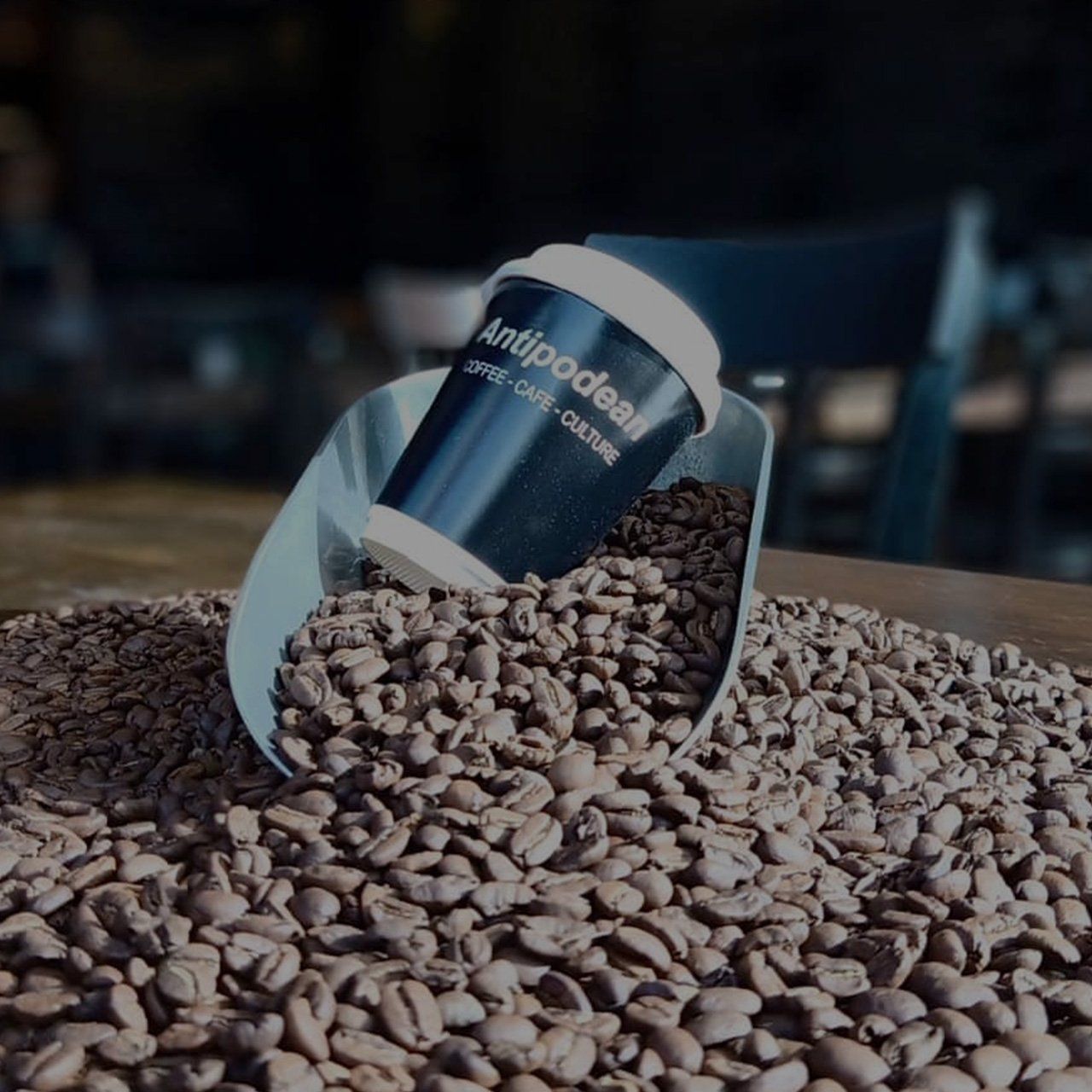
Antipodean Coffee: Brewing a New Standard for Specialty Cafes in Asia
In the bustling cities of Southeast Asia, where global icons like Starbucks and local stalwarts jostle for market share, a quiet revolution has been simmering on the backstreets of Jakarta, Kuala Lumpur, and beyond. Since its inception as a coffee roaster in Jakarta in 2003 and the opening of its first cafe in 2009, Antipodean Coffee has charted a distinctive path—one defined not just by beans and brews, but by a commitment to ethically sourced Indonesian coffee, genuine Antipodean hospitality, and community-first values.
With a modest staff of 37 and $8 million in annual revenue, Antipodean stands as a testament to the power of focused vision and operational grit, carving out a niche in the ever-competitive Asian specialty coffee scene. This exposé explores the company’s journey, market positioning, and the strategic crossroads ahead as it eyes expansion and innovation in a region where both risk and opportunity percolate in equal measure.
Brewing Success: The Roots and Reach of Antipodean Coffee
Foundations in Indonesia’s Coffee Heartland
Antipodean’s story begins with Alun Evans, a New Zealander whose roots as a coffee sourcer span more than a decade working with 30+ farming communities across Indonesia’s diverse archipelago. This hands-on approach goes beyond transactional buying—Evans and co-owner Arlini Evans have built partnerships stretching from Aceh to Papua, cementing Antipodean’s reputation as a pioneer in ethical, traceable sourcing. The result: specialty beans roasted in Cianjur (Jakarta) and Bangsar (Kuala Lumpur), anchoring a menu that celebrates New Zealand and Australian brunch culture while reflecting local Asian sensibilities.
From Jakarta to Manila, Penang to Hong Kong, Antipodean’s 8+ outlets serve up more than just flat whites and açaí bowls—they foster a sense of place and community, with notice boards, outreach events, and a hospitality ethos that resonates especially with expats, digital nomads, and discerning locals.
Scaling with Purpose Amidst a Crowded Field
Despite operating at a smaller scale than regional and global giants, Antipodean has achieved impressive efficiency—each employee is responsible for approximately $216,000 in revenue, a figure that outpaces many peers. The company’s model is distinctly bootstrapped: no external funding, steady 3% year-over-year growth, and a focus on sustainable margins (estimated 25–30% on roasting operations).
This business discipline allows Antipodean to weather the volatility of emerging markets like Indonesia and Malaysia, but it also constrains the pace of expansion compared to well-capitalized competitors.
Emerging Patterns and Strategic Inflection Points
Ethics as a Differentiator
Where many Asian cafes compete primarily on ambience or novelty, Antipodean’s commitment to direct, ethical sourcing gives it a tangible advantage. By working intimately with Indonesian communities, the company not only ensures a reliable supply of high-quality beans but also insulates itself partially from the pricing pressures exerted by global supply chains. The emphasis on origin and transparency resonates with a growing segment of Asian consumers who care where—and how—their coffee is grown.
In a market characterized by rapid imitation and short-lived trends, this ethical backbone is difficult to replicate at scale and is at the heart of Antipodean’s brand premium.
Community-First Tactics and Customer Experience
Unique to Antipodean is its deep integration into the neighborhoods it serves. Notice boards in cafes, local charity initiatives, and a focus on genuine service create a loyal following—even as slow service is occasionally noted in customer feedback. High TripAdvisor ratings (such as 4.1/5 in Taipei) and positive word-of-mouth have proven more effective than big-budget advertising campaigns, driving organic growth and repeat business.
Yet, this community-centric approach has its limits: service scalability remains a challenge, and the brand’s recognition is strongest within expat and specialty coffee circles rather than the wider public.
Innovation and Tactical Shifts on the Horizon
Innovation at Antipodean is less about technology and more about vertical integration and localization. In-house roasting is not just a cost-saving measure; it is a tool for relentless quality control and margin protection. Menu innovation—such as vegan options, fusion dishes, and locally adapted brunch staples—enables the brand to appeal to both its Antipodean roots and local tastes.
Looking ahead, strategic decisions loom large: expansion into China, the Philippines, and Japan promises access to new markets but will test Antipodean’s ability to maintain authenticity and operational discipline outside its current comfort zone.
Competitive Landscape: Antipodean vs. The World
Sizing Up the Competition
Antipodean’s $8M annual revenue and 37 staff place it in the mid-tier of the specialty cafe sector in Asia. It sits well below regional and global behemoths like Starbucks (with over $30B in global revenue) and even trails other specialty-focused companies such as Copper Moon Coffee ($21.1M, 78 staff) and MycoTechnology ($29.7M, 110 staff). (Growjo market data)
What differentiates Antipodean is not scale but focus: its “Asia pioneer” positioning, direct-to-farm sourcing, and vertical integration. Against local chains in Kuala Lumpur and Jakarta, it outperforms on ethics and product uniqueness but can lag on service speed and brand reach.
Comparative Strengths and Weaknesses
- Ethical Sourcing vs. Scale: Unlike competitors who rely on large-volume commodity sourcing, Antipodean’s direct trade relationships allow for better traceability and potentially higher margins—but limit scalability.
- Niche Branding: The Kiwi/Australian cafe culture, with healthy portions and specialty menu items, appeals powerfully to expats and a growing segment of health-conscious Asians. This is a sharp contrast to both the mass-market approach of chains and the hyper-premium positioning of boutique roasters.
- Resource Constraints: With just 37 employees and no outside investment, Antipodean’s ability to expand quickly is constrained, especially compared to aggressive, venture-backed rivals.
- Customer Experience: Reviews highlight both the warmth and authenticity of service, as well as the challenges of slow delivery during peak periods—a double-edged sword of organic, community-centric growth.
Risks, Opportunities, and Real-World Implications
Risks in a Volatile Landscape
Antipodean’s supply chain, anchored almost exclusively in Indonesia, is both a strength and a vulnerability. Political, economic, or climatic disruptions could squeeze margins or disrupt availability—a risk accentuated by the absence of alternative sourcing strategies. Market volatility in places like Malaysia and Indonesia adds to the complexity; consumers may temporarily shift to lower-cost alternatives in times of economic stress.
Meanwhile, competition remains fierce. The specialty coffee market is marked by low barriers to entry, high mimicry, and rising standards: rivals such as Luckin Coffee, regionals, and local chains can—at least superficially—replicate elements like menu or ambience, forcing Antipodean to double down on authenticity and relationships.
Opportunities for Sustainable Expansion
The broader Asian specialty coffee market is on the rise as consumer tastes become more discerning and middle-class incomes climb. Antipodean is well-positioned to capture this growth—especially in secondary cities and emerging urban centers where Western chains have less penetration.
Vertical integration provides not only cost control but also an avenue for product innovation (e.g., exporting roasted beans or private-label blends). Moving further into digital—through online orders, virtual engagement, and e-commerce—could unlock 20–30% growth, as noted in sector analyses.
Antipodean’s “pioneer” status in Indonesia gives it first-mover advantage in shaping consumer perceptions of specialty coffee, and its focus on both community and quality could make it an acquisition target for larger F&B groups seeking local credibility.
As the Asian specialty coffee sector matures, the winners will not be those who scale the fastest, but those who blend operational discipline with authentic, experience-driven brand narratives. Antipodean’s next chapter will be written at the intersection of artisan values and strategic ambition.
Multiple Perspectives: Viewing Antipodean from Different Angles
For the Niche Enthusiast: Antipodean is a beacon—proof that community engagement, ethical trade, and uncompromising quality can thrive in a region not always associated with such values. For expats and specialty lovers, it offers a “third place” that is both familiar and globally minded.
For the Mass-Market Consumer: The premium pricing and slower service may be less appealing. Without the heavy marketing push or ubiquity of Starbucks, Antipodean risks being off the radar outside of specialty circles and urban hubs.
For Corporate Investors and Acquirers: The company represents operational efficiency and untapped potential. With an efficient revenue-per-employee ratio ($216K/staff) and untapped Asian markets, it is a ready-made platform for regional scaling—albeit one requiring careful stewardship to maintain the brand’s authenticity.
For Industry Peers: Antipodean raises the bar for ethical sourcing and vertical integration, but also highlights the challenges of scaling a values-driven brand in an environment where speed and size are often prioritized over purpose.
Learn more about Antipodean's history and sourcing philosophy
Forward-Looking Insights: Navigating the Next Growth Curve
Digital Transformation as a Force Multiplier
Antipodean’s growth to date has been rooted in physical cafes and word-of-mouth. The next wave, however, will require a decisive pivot into digital channels—be it online ordering, subscription-based coffee deliveries, or community-building via social platforms. This move is not about abandoning the core cafe experience, but about extending Antipodean’s values to customers wherever they are.
The potential is significant: even a modest shift to exporting roasted beans (either regionally or globally) could increase revenues by 20-30%, creating a new growth engine less exposed to the risks of physical cafe expansion.
Strategic Partnerships and Impact Investment
While Antipodean has flourished without external funding, the capital-intensive nature of regional expansion suggests that impact investors—those who value both profit and social good—could be natural partners. Joint ventures with local F&B groups or hospitality operators in China, Japan, or the Philippines would enable rapid scaling, while safeguarding the company’s ethical DNA.
This approach opens the door to creative alliances: think co-branded hotel cafes, airport pop-ups, or exclusive blends for partner platforms.
Risk Mitigation and Sustainable Sourcing
To further de-risk supply chains, Antipodean should consider diversifying origin partners or investing in climate-resilient practices (such as shade-grown or agroforestry models). Doing so would not only protect against commodity shocks but reinforce the brand’s leadership in ethical coffee—an increasingly valuable asset as consumers and regulators demand more transparency.
Conclusion: Brewing the Future—Why Antipodean’s Story Matters
Antipodean Coffee is more than a regional cafe chain or a boutique roaster—it is a case study in the power of values-led business in the world’s fastest-changing coffee market. Operating with just 37 employees and generating an impressive $8 million in annual revenue, Antipodean has outperformed its weight class both in operational efficiency and brand loyalty.
Yet the path ahead is not without its dangers. The very strengths that set Antipodean apart—deep Indonesian supply roots, community-first ethos, artisanal focus—could become limiting factors in a sector addicted to rapid growth and me-too innovation. The challenge, and the opportunity, is to transform these assets into scalable, technology-enabled platforms that do not dilute the core brand promise.
For decision-makers, the message is clear: the Asian specialty coffee boom will be shaped not just by who can open the most outlets or cut the most deals, but by those who can marry local authenticity with global ambition. Antipodean’s journey from Jakarta’s alleys to Asia’s urban stage is just beginning to percolate. For those watching the next wave of coffee innovation, this is one brand—and one philosophy—that is too important to overlook.
For further reading, visit customer reviews of the Taipei outlet, or explore market analysis on Asian specialty coffee competitors.
