
Automate Utility Bill Savings In Singapore: 2026 Smart Home Upgrades, Cashback Apps, And Real Household Results
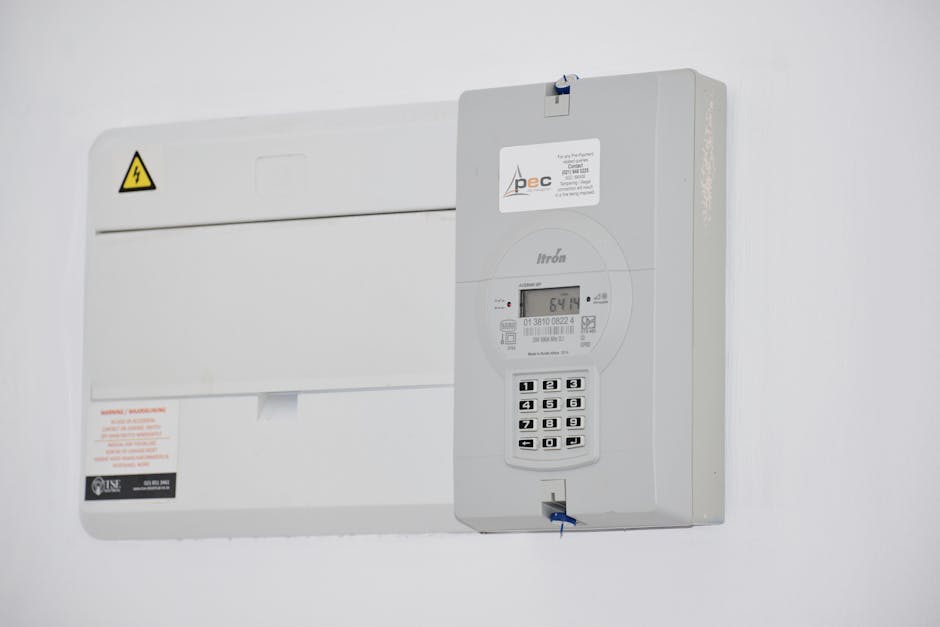
Automate Your Utility Savings in Singapore: Smart Tools, Cashback Apps, and Real-World Household Results
Introduction: The New Standard for Financially Savvy Singapore Households
In Singapore, where utility costs often eat up 10-20% of monthly household budgets, especially in HDB flats or condominiums, managing these expenses is more vital than ever. With technological advances and rising living costs, the opportunity for household managers—including those hiring and training helpers—to make impactful changes has never been greater.
As we move into 2026, affordable smart home automation paired with clever cashback apps isn't just futuristic talk; it's the next essential upgrade for efficient, financially conscious households. This article offers practical, forward-thinking guidance for GoodHelp’s readers, ensuring that—whether you’re looking to find maid in Singapore, optimize household routines, or carve out more savings for insurance or mortgage offsets—you’ll be equipped to make informed, confident choices.
Key Trends and Strategies
Smart Home Automation: Accessibility and Impact
Recent breakthroughs, showcased at the CES 2026 Singapore Pavilion, have democratized automation for everyday households. Devices from brands like Aqara, Xiaomi, SwitchBot, and local integrators now retail for under SGD 1,000 for starter kits, making savings accessible to those living in public housing, condominiums, or landed private homes. With modular setups—smart switches, curtain motors, aircon controllers, and central hubs—users can cut utility costs by 20-40% with minimal disruption to daily routines (AT Smart Home).
Whether you rely on a live-in helper or manage the household solo, wireless compatibility (Zigbee, Matter) means no wall hacking and quick installs. For those seeking to find maid in Singapore, these automations also help standardize routines and lower learning curves for new staff.
Cashback Apps: Stacking Rebates for Passive Income
Layering cashback on top of utility savings turbocharges financial results. Apps like ShopBack, Cashback.sg, and SP Utilities App now integrate directly with payment ecosystems (PayNow, GrabPay) for rebates of 1-10% on bills and related purchases. Real households in Singapore are reporting net savings of 15-30% when combining smart home controls with consistent cashback use (Outo.sg).
Market Surge: Home Segmentation and Adoption Dynamics
According to Statista, smart home penetration is accelerating, fueled by rising tariffs and digitization. The landscape differs by segment:
Condominiums/Private Homes: Higher baseline bills and larger spaces mean a bigger payoff from automation—SGD 90-140/month in potential savings, especially from aircon and security controls.
Public Housing (HDB/BTOs): Starter kits around SGD 1,000 support simple control schemes. Helpers can easily use wall switches and phone apps, making savings accessible for families and elderly households.
Challenges: For both segments, Wi-Fi reliability, initial outlay, and adapting helper/child routines are top barriers. Opportunities arise from cashback stacking, NEA green grants, and modular upgrades.
State and Recommendations
- Assess your utility usage: Use the SP Utilities app to identify high-consumption appliances—target aircon, lighting, and phantom loads first.
- Start with modular kits: Begin with a SGD 1,000 package (e.g., hub, 5 smart switches, aircon controller, basic sensors). Scale up only after verifying savings.
- Train household helpers: Ensure simplicity: wall switches plus app access. Most systems support voice assistant controls, ideal for less tech-savvy users.
- Stack cashback apps: Download ShopBack, Cashback.sg, and SP Utilities App. Link payment methods and automate bill payments for effortless rebates.
- Track and verify ROI: Log your bills pre- and post-automation for 6 months via Excel or energy tracking apps. Most households recover the initial investment within a year.
- Explore solar and premium services: NEM (Net Energy Metering) setups yield even higher rebates. Consider insurance coverage for smart device assets.
- For agencies/firms: Recommend starter kits to new clients and include automation orientation in helper onboarding programs.
- Consider trial periods: Opt for short-term install contracts, especially when testing solutions or onboarding new helpers.
Summary Comparison Table: Helper Segmentation and Domestic Management Approaches
| Criteria | Live-in Helper | Part-time Helper | First-time Helper | Experienced Helper | Cultural Fit | Skill Depth | Premium Services | Standard Services | Agency Hire | Direct Hire | Contract Duration | Trial Mindset |
|---|---|---|---|---|---|---|---|---|---|---|---|---|
| House Type: Condo | Full-time management | Flexible schedule | Needs orientation | Ready-trained | High interaction | Deep skill sets | Security, automation | Routine support | Agency-screened | Reference-based | Long-term | 1-3 month trial |
| House Type: Private | Live-in preferred | Occasional help | Needs supervision | Manages solo | Family focus | Versatile skills | Premium integration | Basic cleaning | Agency contract | Direct hire risk | Annual renewal | Trial before contract |
| House Type: Public (HDB) | Cost-efficient | Task-based | Helper learning curve | Efficient routine | Community culture | Focused tasks | Insurance, automation | Regular chores | Agency pool | Neighbour referral | Flexible | Trial/transition phase |
This table highlights the nuances of hiring and managing helpers—whether live-in or part-time, first-timers or experienced—from the perspective of utility savings, cultural fit, and automation integration. Agencies often offer screening and contract stability, while direct hire arrangements can be more flexible but riskier. The optimal choice depends on house type, skill needs, and the household’s willingness to embrace technology and trial solutions before committing.
Challenges and Opportunities – By Housing Segment
Condominiums and Private Homes
- Challenges: Higher utility bills demand robust solutions. Integration with security (smart locks, sensors) and managing larger helper teams add complexity.
- Opportunities: Advanced automations (occupancy sensors, full-home hubs), premium cashback stacking, and insurance bundling for smart assets.
Public Housing (HDB/BTO)
- Challenges: Budget constraints, limited space for hardware, need for helper-friendly interfaces.
- Opportunities: Starter kits with simple controls, rapid ROI, scalable upgrades. Cashback and grant eligibility are often higher, supporting trial and error approaches to find maid in Singapore and automation fit.
Comparison Segment
While condominiums and private homes benefit from scale and premium integrations, public housing offers easier entry points and stronger financial incentives to adopt automation and cashback routines. Both segments face the same core challenge: ensuring that helpers and residents can operate smart devices without friction.
"In 2026, the convergence of affordable home automation, AI-powered controls, and evolving cashback apps marks the tipping point for utility savings—transforming once-manual household management into effortless, proactive financial optimization."
Conclusion: The Strategic Importance of Automation for Household Managers
Smart home automation and cashback strategies are no longer luxuries—they are foundational tools for Singapore’s household leads seeking to balance helper management, budgets, and comfort. By taking actionable steps—assessing usage, starting with affordable kits, stacking cashback apps, and tracking real savings—households can expect to reclaim SGD 700-2,000 per year, offsetting costs for bills, insurance, or mortgage repayments (Krazio Cloud).
Looking ahead, expect rapid expansion of smart home penetration, unified device standards (Matter), and more cashback and green rebate schemes. The best-positioned households will not only leverage technology but also adapt hiring and management practices—choosing helpers comfortable with automation, trialing solutions before full commitment, and blending premium services with efficient routines.
For those seeking to find maid in Singapore and optimize domestic life, now is the moment to invest in automation and financial stacking, ensuring a future-proof household that’s both efficient and empowered.