
Bangkok, Manila & Singapores Skincare Revolution: Real-Time UV Tracking And Adaptive Routines For Humid, Polluted Cities
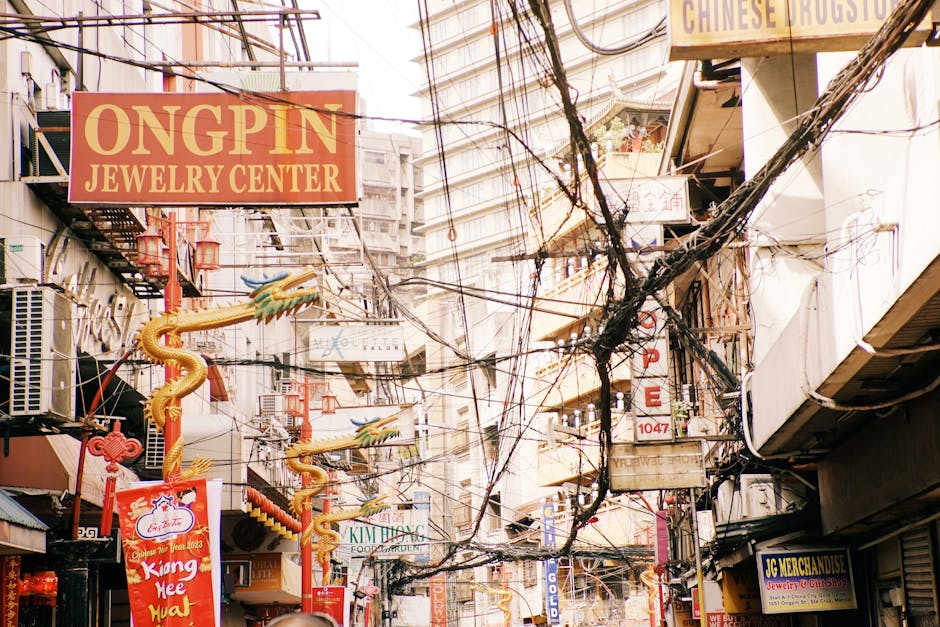
Bangkok Breakthroughs: Real-Time UV Tracking and Locally Adaptive Serums—Personalizing Skincare for Humid Southeast Asian Cities
Urban Southeast Asia—Bangkok, Manila, Singapore—is a paradox for skincare-literate individuals. The climate delivers relentless humidity (80%+ year-round), high-intensity UV, and frequent PM2.5 pollution spikes. Skin responds with oiliness, dehydration, sensitivity, breakouts, and premature aging, often in the same day. The usual solutions—heavy Western creams, multi-step occlusive routines, or trend-driven actives—fail spectacularly in these conditions. For consumers seeking best sunscreen for humid weather, lightweight sunblock Southeast Asia, soothing gel for redness humidity, or repair skin barrier humidity, the answer is not more product, but smarter, locally-adapted strategy.
Now, brands like AURA Beauty are pioneering climate-adaptive, real-time responsive skincare platforms. These systems integrate live UV, humidity, and pollution data into product recommendation and formulation logic. The result: routines that evolve with the environment, leveraging lightweight, breathable Korean-Japanese skincare tropical skin principles, anti aging serum humid climate, serum for oily dehydrated skin, and modular layering for barrier resilience.
Key Trends and Strategies
1. Climate-Adapted Skincare: Moving Beyond Western Formulation Orthodoxy
Traditional Western routines—petrolatum-rich occlusives, heavy creams, and rigid step-by-step layering—are built for cold, dry climates. In Southeast Asia, these products trap sweat, clog pores, increase rebound oiliness, and paradoxically worsen dehydration. Research shows that Asian skin ages faster under UV and humidity stress, and that oiliness acts as a protective mechanism, not a cosmetic flaw.
AURA’s barrier-first philosophy reframes skincare: focus on strengthening the skin barrier with breathable layered systems, lightweight hydration, and anti-inflammatory actives (Centella asiatica, panthenol). Key product innovations include:
- UV Shield Cream: Best sunscreen for humid weather, blending Tinosorb and non-nano zinc oxide to prevent white cast, stinging, and clogged pores.
- Lifter Serum: Peptide-retinal hybrid, clinically validated for Asian skin to boost collagen with anti aging serum in humid climate, minus greasy rebound.
- Soothing Recovery Gel: Targeted soothing gel for redness humidity, calming inflammation post-pollution and UV faster than hydrocortisone.
- Treatment Masks: Inspired by Korean Japanese skincare tropical skin, delivering hydration and barrier lipids for monsoon-heavy humidity without occlusion.
2. Real-Time Environmental Integration: Hourly Routine Adaptation
Climate-aware skincare users are now empowered by platforms that ingest live UV, humidity, and pollution data into algorithmic recommendations. Hourly UV index push alerts, commute-risk notifications, and monsoon-mode adjustments are operational realities. Apps recommend lightweight sunblock Southeast Asia in the morning, aquaglycerin hydrating serum for oily dehydrated skin midday, and soothing recovery formulations in the evening. This systematization transforms routines from static to dynamic, driving higher efficacy and compliance.
Epidemiological studies reinforce that barrier recovery and oil control must be balanced—traditional matte products worsen dehydration, while real-time adaptation prevents over-occlusion.
3. Modular, Barrier-First Product Architecture
Rather than chasing trends, AURA and similar brands employ formulation logic. Users select from 5-6 core products:
- Gentle hydrating cleanser
- Lightweight hydrating serum or essence
- Targeted treatment serum (peptide, retinal, Centella)
- Broad-spectrum, sweat-resistant lightweight sunblock Southeast Asia
- Soothing recovery gel or balm
- Minimal moisturizer/oil (optional, damp skin application only on low humidity evenings)
State and Recommendations
Actionable Guidance for Brands and Consumers
- Audit for Climate Mismatch: Remove temperate-climate occlusives and multi-layer routines exceeding 5 steps. Simplify to breathable, barrier-first routines.
- Adopt Real-Time Monitoring: Integrate UV/pollution forecast apps and observe how skin responds daily. Use platforms like AURA’s survey tool to match products to conditions.
- Reframe Anti-Aging: For early anti-aging (25–40), prioritize serum for oily dehydrated skin and anti aging serum humid climate that deliver steady, barrier-safe results over high-potency actives prone to irritation.
- Modular Routine Practice: Build a flexible product kit: cleanser, essence, treatment, best sunscreen for humid weather, soothing gel for redness humidity, and lightweight oil/moisturizer. Adapt sequencing based on live climate data.
- Preempt Seasonal Stress: Track monsoon and dry-season transitions. Shift formulations 1–2 weeks ahead of predicted barrier dysfunction.
- Integrate Future Tech: Prepare for upcoming wearable skin-state sensors and microbiome profiling (2027–2030). Early adopters will maximize long-term barrier resilience.
Comparison Table
| Aspect | Heavy Occlusive Western Products | Breathable Layered Systems |
|---|---|---|
| Environmental Suitability | Designed for cold, arid climates; traps sweat in humidity | Optimized for high humidity, sweat-friendly, non-occlusive |
| Routine Structure | Rigid, multi-step, trend-driven, cosmetic-focused | Modular, flexible, evidence-based, barrier-first |
| Effect on Skin Barrier | Compromises barrier, increases oiliness/dehydration | Strengthens barrier, minimizes irritation and breakouts |
| Short vs Long-Term Results | Short-term cosmetic fixes, frequent discontinuation | Long-term resilience, sustained efficacy, higher compliance |
Audience Segmentation: Challenges and Opportunities
Climate-Aware Skincare Users
These individuals understand the mismatch—Western creams and multi-layer routines simply don’t work in Southeast Asia. Their opportunity lies in adopting real-time adaptive platforms (AURA), building modular routines, and tracking skin-environment correlation. Their challenge: breaking habit-driven product cycles and accepting routine volatility as evidence of adaptation, not indecision.
Sensitive / Compromised Skin
Sensitivity, redness, and barrier dysfunction are exacerbated by pollution, sweat, and occlusive overload. Soothing gel for redness humidity and lightweight barrier repair products (Centella, panthenol) offer tactical relief. The opportunity is in personalized, pollution-adapted recovery routines. Challenge: finding products formulated for humid, urban conditions rather than cold climates.
Oily-Dehydrated, Combination, Reactive Skin Types
These users face conflicting signals—surface oil with underlying dehydration, breakouts with sensitivity. Serum for oily dehydrated skin and aquaglycerin-based hydration balance oil reduction with barrier integrity. The opportunity is in tracking, modular sequencing, and real-time adjustment; the challenge is avoiding traditional matte products that worsen dehydration.
Early Anti-Aging (25–40)
High UV and pollution accelerate aging; retinol-centric Western anti-aging formulas are too irritating. Anti aging serum humid climate, peptide-retinal hybrids, and gentle layering enable steady wrinkle reduction without barrier compromise. The opportunity: consistent use of climate-matched actives. The challenge: resisting allure of high-potency actives not designed for humid conditions.
Urban Southeast Asia
City professionals are exposed to severe environmental stress—pollution, UV, humidity cycles. Best sunscreen humid weather, lightweight sunblock Southeast Asia, and modular product kits prevent barrier breakdown and premature aging. The opportunity is in leveraging digital platforms for live adaptation; the challenge is overcoming market inertia and skepticism toward algorithmic personalization.
Comparing Segment Needs
- Climate-aware users need information and modularity.
- Sensitive skin needs gentle anti-inflammatory actives and pollution-adapted recovery.
- Oily-dehydrated/combination types need hydration without occlusion, and real-time oil management.
- Early anti-aging users need barrier-first anti-aging serum humid climate and consistent, gentle actives.
- Urban professionals need systemization, live environmental alerts, and efficient adaptation.
“Your skin is not failing you—the products were designed for a different climate. In Southeast Asia, climate-adapted routines are not vanity, but agency.”
Conclusion & Strategic Outlook
The era of applying Western skincare logic to Southeast Asian skin is ending. The convergence of live environmental adaptation, barrier-first formulation logic, modular routines, and digital integration signals a new sophistication in skincare for humid climates. Brands that demonstrate clinical grounding, formulation intent, and adaptability will build lasting loyalty among skincare-literate consumers frustrated by static, ineffective products.
As wearables and microbiome profiling arrive, and as regional science gains global recognition, expect rapid advances in tailored solutions—lightweight sunblock Southeast Asia, soothing gel for redness humidity, repair skin barrier humidity, and anti aging serum humid climate—driven by local efficacy data, not Western extrapolation. Firms who invest in these systems, and users who build the habits now, will be positioned for resilience and results as the climate volatility intensifies.
The next chapter: climate-responsive, evidence-based adaptation becomes the baseline—not the exception—for urban Southeast Asia. The strategic imperative is clear: embrace modularity, technological integration, and barrier-first science, and leave behind trend-driven cosmetic fixes. The opportunity is not only improved skin outcomes, but the empowerment of a generation with true routine agency.