
Barrier-First Skincare: Building Climate-Intelligent Routines For Kuala Lumpur & Singapore Using ASEAN Ingredient Databases
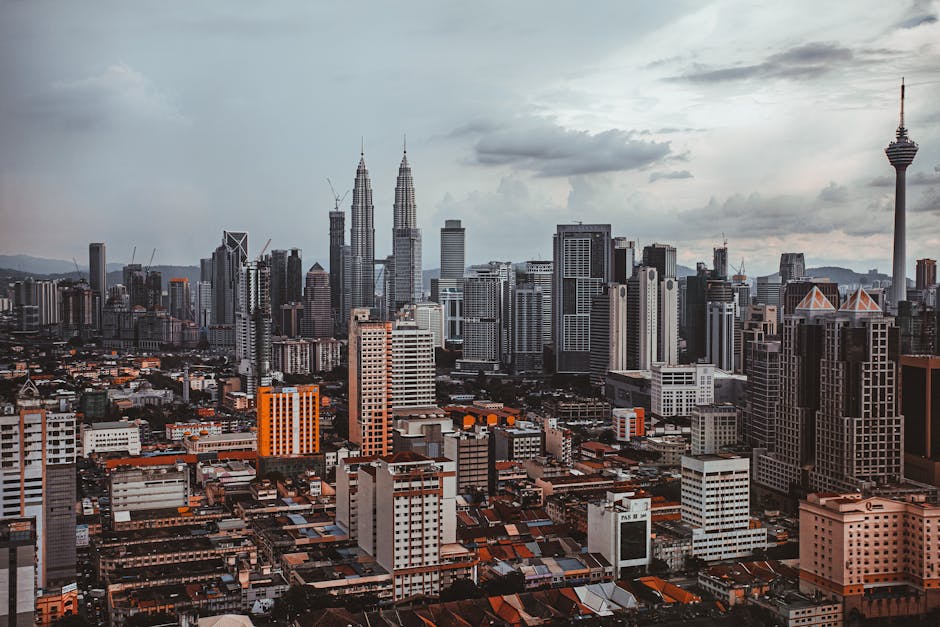
Systematic Skincare for Humid Megacities: How Ingredient Databases and ASEAN Regulation Are Shaping Better Routines in Kuala Lumpur and Singapore
Living in Kuala Lumpur or Singapore—and by extension much of urban Southeast Asia—means navigating one of the world’s most challenging environments for your skin. Year-round high humidity (often 70–90%), relentless UV exposure (UV index 10–12 is “extreme”), urban pollution, and the ever-present blast of indoor air-conditioning conspire to create conflicting skin signals: oiliness with dehydration, sensitivity with breakouts, and premature fine lines even among those still dealing with adult acne.
Standard advice from Western or K-beauty sources often backfires—leaving routines feeling heavy, occlusive, or overly aggressive. What truly works is adopting a climate-intelligent, barrier-first approach—anchored by regulatory insight, verified ingredient functions, and new tools for ingredient transparency. This article details why this shift matters, how to systematize it, and how consumers and brands alike can adapt for real resilience. If you’re constantly searching for the best sunscreen humid weather, lightweight sunblock southeast asia, soothing gel for redness humidity, or how to repair skin barrier humidity, a data-driven approach is no longer optional—it is powerful, accessible, and future-proof.
Key Trends and Strategies
ASEAN Regulatory Harmonization: Ingredient Transparency as Advantage
For years, consumers in Southeast Asia struggled with imported products, vague “Asian focus” claims, and opaque ingredient lists. Today, the ASEAN Cosmetic Directive (ACD) aligns regional rules with the EU, introducing:
- Unified banned/restricted ingredient lists (ACD Annexes)
- Required INCI disclosure on product packaging
- Publicly accessible product databases for Malaysia and oversight in Singapore
Barrier-First Skincare: From Trend-Following to Systematic Resilience
“Barrier-first” means prioritizing ingredients, textures, and routines that maintain and rebuild the skin's protective layer in the face of humidity, UV, and pollution. This philosophy, backed by modern dermatology, recognizes that many persistent problems—sensitivity, redness, stubborn acne—are symptoms of chronic barrier disruption rather than individual “bad ingredients.”
Combining ASEAN transparency with global ingredient resources like EU CosIng and Cosmetic Ingredient Review (CIR), advanced users can:
- Systematically avoid irritants (fragrance, essential oils, harsh preservatives)
- Choose appropriate vehicles (gel-creams, light emulsions, breathable textures) that won’t suffocate skin in humidity
- Layer actives only on a stable barrier; avoid redundancy
- Bring in advanced ingredients: think biomimetic ceramides, modern Asian UV filters (best sunscreen humid weather, lightweight sunblock southeast asia), and serums for oily dehydrated skin
Digital Ingredient Literacy: From Guesswork to Informed Routines
With ingredient lists now traceable via regulatory and international databases, consumers can match products not just by brand, but by tolerance and evidence. Tools like INCIDecoder help with first-pass interpretation, while official databases confirm safety and function.
As more consumers become ingredient-literate, brands respond with clinical transparency, and routines become more climate- and barrier-adapted—turning “skincare for humid climate” and “anti aging serum humid climate” from buzzwords into research-backed strategies.
State and Recommendations
For Skincare Brands and Formulators
- Disclose full INCI lists and, where possible, percentages of key actives. Reference ASEAN Cosmetic Directive and CosIng status.
- Design for humidity and UV: prioritize lightweight, breathable layered systems over heavy occlusion. Test for sweat-resistance, minimal pilling, and rapid absorption.
- Formulate for barrier support: combine humectants (glycerin, hyaluronic acid, panthenol) with ceramides, cholesterol, and fatty acids. Avoid high levels of known irritants (fragrance, certain alcohols, reactive preservatives).
- Provide clinical data or in-house testing that reflects real-world use: “hot and humid climate,” “under mask/AC stress,” “urban pollution exposure.”
- Monitor local regulatory alerts (Malaysia NPRA, Singapore HSA) and respond proactively to ingredient or notification issues.
For Advanced Skincare Consumers
- Audit every daily-use product: Check Malaysia’s NPRA for ban alerts; cross-reference ingredient lists against ACD Annexes.
- Build a “Barrier Friends/Foes” list: Track which ingredients, textures, and filters work for your unique climate and skin type (see below for segmentation).
- Sequence your routine: Gentle cleanse → Humectant serum → Lightweight barrier layer → High-protection, climate-adapted sunscreen (best sunscreen humid weather; lightweight sunblock southeast asia).
- Prioritize barrier before actives: Only introduce exfoliants, retinoids, or acids once your skin no longer stings, flakes, or feels tight.
- Reassess with environmental changes: Pollution spikes, increased sun, or new indoor exposures (e.g., AC, masks) may require formula or routine shifts.
Comparison Table: Old vs New Skincare Logic in Humid Southeast Asia
| Heavy Occlusive Western Products | Breathable Layered System (ASEAN/Modern) | |
|---|---|---|
| Texture & User Experience | Rich creams, butters, waxes; can suffocate in humidity | Gel-creams, emulsions, watery serums; layers adapt to climate and AC use |
| Routine Logic | Trend-based, “more is better”; active-heavy | Barrier-first; actives sequenced after stability; products cross-checked for compatibility |
| Longevity & Results | Short-term improvement, but often leads to congestion, irritation, rebound oiliness | Fewer breakouts, stable hydration, less sensitivity, improved anti-aging metrics over time |
| Regulatory Compliance | Variable; not always adapted to ASEAN bans/restrictions | ACD/EU aligned; ingredient list verifiable |
Segmentation: Real-World Scenarios and Tuning Strategies
1. Climate-Aware Skincare Users
Challenges: Finding products that don’t pill, suffocate, or break down midday. Balancing sebum, sweat, and rapid trans-epidermal water loss (especially in AC).
Opportunities: Seek best sunscreen humid weather and lightweight sunblock southeast asia. Prioritize soothing gel for redness humidity and serum for oily dehydrated skin. Master ingredient databases to select by function, not just trend.
2. Sensitive / Compromised Skin
Challenges: Reactivity to fragrance, essential oils, certain preservatives, and alcohol. Ongoing redness, tightness, stinging with actives.
Opportunities: Cross-check for all allergens and known irritants via INCIDecoder and CosIng. Focus on soothing gel for redness humidity and barrier-building creams with ceramides and panthenol; avoid trend-driven acid layering.
3. Oily-Dehydrated, Combination, and Reactive Skin Types
Challenges: Over-stripping leads to rebound oil yet adding richness causes breakouts. Mask-wearing, pollution, and humidity compound problems.
Opportunities: Use serum for oily dehydrated skin (glycerin, hyaluronic acid, betaine, panthenol). Layer with repair skin barrier humidity formulas—emulsions with ceramides, non-comedogenic light occlusives. Morning: water-based cleanser, hydrating serum, lightweight SPF. Evening: gentle double cleanse, barrier serum, minimal actives.
4. Early Anti-Aging (25–40) in Urban Southeast Asia
Challenges: Fine lines, dullness, pigment from UV/pollution despite oily or acne-prone base. Some anti-aging ingredients too harsh under local conditions.
Opportunities: Seek out anti aging serum humid climate—low-strength, multi-pathway (niacinamide, peptides, antioxidants). Use CosIng and CIR to confirm safe concentrations. Emphasize daily high-protection, non-comedogenic SPF and evening barrier repair.
5. Urban Southeast Asia: Kuala Lumpur and Singapore Context
Challenges: Pollution spikes, haze seasons, frequent sun transitions, mask mandates.
Opportunities: Shift routines adaptively. During haze: double cleanse, boost antioxidants, swap to more occlusive barrier at night. During extreme UV: reinforce SPF and opt for water-resistant, lightweight sunblock southeast asia varieties.
Segment Comparison Table
| Segment | Biggest Obstacle | Winning Strategies | Product Focus |
|---|---|---|---|
| Climate-aware users | Greasy feel, midday breakdown | Breathable, layered textures; ingredient verification | Soothing gel, lightweight sunblock, hydrating serums |
| Sensitive/compromised skin | Reactivity to actives, fragrance | Allergen avoidance; gentle humectant + ceramide focus | Repair cream, minimal active serums |
| Oily-dehydrated/combination | Congestion, dehydration lines | Hydration layering, light non-comedogenic occlusives | Serum for oily dehydrated, gel-cream SPF |
| Early anti-aging (25–40) | Actives too harsh, pigment recurrence | Multi-pathway, barrier-support actives; SPF priority | Anti-aging serum humid climate, modern UV filters |
"Once you treat skincare as systems of verified ingredients—cross-checked by regulatory and scientific sources, and chosen for your urban microclimate—your routine shifts from hopeful improvisation to deliberate, resilient self-care."
Conclusion: Strategic Importance and What’s Next
The era of “one-size-fits-all” routines is over—especially for urban Southeast Asia’s skin realities. Using ASEAN databases, ingredient-level research, and a barrier-first, climate-adapted philosophy, both brands and consumers are empowered to build routines that outlast trends, seasons, and environmental shocks.
In the next 1–3 years, expect even more ingredient transparency, public product search tools, and regulatory convergence with the EU on contentious actives. Brands will compete on clinical credibility and microclimate testing—while ingredient-literate consumers will set the pace for innovation and advocacy.
For the AURA audience—literate, ambitious, and ready for barrier-first routines—this is the moment to systematize, personalize, and demand more from both brands and yourself. Every step you take toward ingredient verification, routine clarity, and local adaptation is a strategic investment in your skin’s resilience—and an active role in defining the future of Southeast Asian skincare.
Ready to build your own data-driven, barrier-anchored routine? Start by auditing your current products, mapping your friends/foes list, and setting a baseline. In a landscape where “skincare for humid climate,” “best sunscreen humid weather,” and “anti aging serum humid climate” are no longer mere aspirations, your best results start not with the next hyped product, but with informed, strategic choices grounded in Southeast Asia’s lived reality.