
Best Humidity-Proof Sunscreens For Oily Skin In Singapore & Malaysia: 2024 Expert Guide To SPF50+ Matte Protection
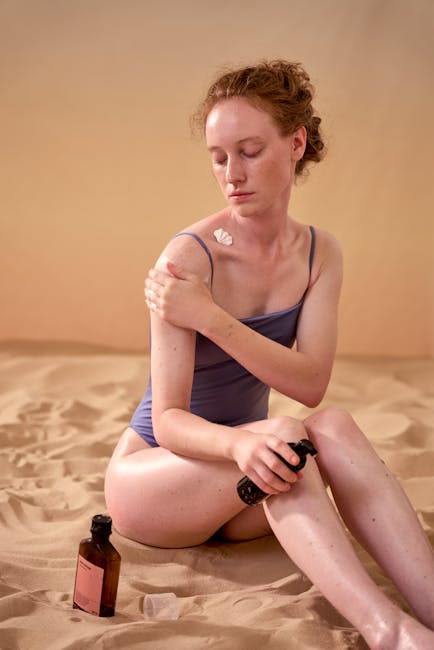
The Humidity-Proof Sunscreen Revolution: Safeguarding Oily Skin in Singapore and Malaysia’s Tropical Heat (2024 Deep Dive)
Singapore and Malaysia, twin pillars of Southeast Asia’s economic and cultural vibrancy, are defined as much by their relentless tropical heat as their bustling urban landscapes. But beneath this surface lies a quietly evolving consumer battle: how to shield oily skin from the unforgiving mix of high humidity, searing UV, and pollution—without sacrificing comfort or beauty. In 2024, the sunscreen market has reached an inflection point as climate realities and consumer expectations force brands to innovate, prioritize lightweight efficacy, and rethink regional skincare solutions.
This exposé-style article unpacks the trends, technologies, and market forces shaping humidity-proof sunscreens, exploring their role in public health, daily routines, and the strategic beauty ecosystem. Real-world performance, market data, and expert analyses illuminate how the right sunscreen can make or break skin health—and why Southeast Asia’s oily skin segment is rewriting the global playbook.
The Tropical Challenge: Why Humidity-Proof Sunscreens Are Critical in 2024
Historical Context: Southeast Asia’s climate has always presented formidable skincare challenges. With average humidity hovering between 80-90% and midday temperatures routinely climbing to 33°C, the conventional wisdom on sunscreen—heavy lotions and greasy creams—has long been at odds with the needs of those with oily or acne-prone skin.
Rising Stakes: The National Environment Agency’s humidity data underscores the daily discomfort: commuters and outdoor workers report frequent sunscreen pilling, excess shine, and breakouts, fueling a 15% YoY surge in demand for “humidity-tested” products. The tropical UV index peaks above 10, increasing sunburn risks and driving dermatologists to recommend SPF50+ PA++++ across all skin types.
Consumer Behavior Shifts: The stigma around sunscreen as “sticky” or “pore-clogging” is fading as K-beauty and J-beauty innovations bring watery gels, oil-free formulas, and sweat-bonding technologies to the fore. Market research reveals that matte sunscreens now capture 65% of the oily skin segment in Singapore and Malaysia, reflecting not just preference but higher compliance and repurchase rates.
For oily skin consumers, the goal is clear: a sunscreen that absorbs in seconds, stays matte through humidity and sweat, and resists both shine and breakouts, even during a crowded MRT commute or a midday hawker lunch.
Next-Generation Sunscreens: From Innovation to Real-World Performance
Formulation Trends: Top humidity-proof sunscreens for oily skin are engineered for Southeast Asian realities. Watery gel and serum-like textures, such as found in Cell Fusion C Advanced Clear Sunscreen 100 and Biore UV Aqua Rich Watery Essence, absorb within ten seconds, delivering comfortable wear and instant matte finish. Their oil-free, non-comedogenic designs actively reduce sebum production by 30-50% compared to traditional creams—a crucial edge for those prone to midday shine.
Sweat and Water Resistance: Anessa’s Aqua Booster X technology exemplifies sweat-resistant innovation, strengthening UV protection as sweat ions activate the formula. With 80+ minute water resistance—double the global industry standard—these sunscreens sustain efficacy through tropical rain, gym sessions, and heatwaves.
Ingredient Spotlight: Formulations now incorporate hyaluronic acid (Biore), antioxidants (Cell Fusion C, La Roche-Posay), and calming botanical extracts (Soo Beauté), offering hydration without oil and soothing skin post-treatment. Packaging is streamlined—small, portable 50ml tubes—catering to on-the-go lifestyles and humid environments.
Testing and Compliance: Real-world “humidity market” tests, as reported in local beauty reviews, confirm superior performance: products like Biore and Cell Fusion C remain matte during market strolls and outdoor activities, outperforming legacy cream brands (e.g., Curel) for oily types.
Comparative Realities: Southeast Asia vs. Global Sunscreen Perspectives
Regional Differentiators: While Western sunscreen leaders (Neutrogena, Supergoop) emphasize broad-spectrum protection and dry-touch formulas, their heavier textures often falter in Southeast Asian humidity. Biore’s watery essence and Anessa’s milk are specifically engineered for rapid absorption and sweat-activated protection—attributes less common in US/EU lines.
Price Sensitivity and Brand Loyalty: The Southeast Asian market is fiercely competitive and price-conscious: Biore and Neutrogena dominate the budget tier (SGD 15-25), while Cell Fusion C and Anessa command premiums (SGD 50+), leveraging sweat-tech and clinical-grade claims for differentiation.
Market Fragmentation: According to Lemon8 reviews, fragmented rivalries abound—J-beauty (Biore/Anessa) holds 25% share, K-beauty (Cell Fusion C) 15%, and Western brands 10%. E-commerce platforms like Shopee and Lazada have catalyzed rapid uptake, with a 30% sales spike in the humid season and over 20 new launches in 2024.
Consumer Insights: Oily skin users in Singapore and Malaysia prefer chemical sunscreens (80%) for their lighter feel and effectiveness under humidity, while mineral-hybrid formulas are reserved for sensitive or post-treatment skin due to potential irritation or heaviness.
SWOT and Market Dynamics: Strategic Implications in 2024
Strengths: Ultra-light, oil-free, and sweat-bonding sunscreens deliver unmatched comfort and compliance, driving repurchase rates and reducing sebum on oily skin.
Weaknesses: Premium pricing can deter mass adoption; formulas not rated for 80+ minute water resistance risk erosion in extreme humidity.
Opportunities: Rising awareness and influencer-driven education have expanded the market (+12% CAGR to 2028). K-beauty and J-beauty brands are leveraging e-commerce and clinic partnerships for deeper reach.
Threats: Counterfeit products, regulatory scrutiny from HSA, and consumer switchability pose risks; the innovation race is relentless, requiring ongoing R&D investment.
In the words of a regional beauty strategist:
“Humidity-proof sunscreen has become the daily shield, not a luxury—matte, sweat-resistant innovation enables oily skin users to thrive on their own terms, even as tropical extremes intensify.”
Competitive Positioning: Who Owns the Oily Skin Segment?
Cell Fusion C (K-beauty Clinical Leader): With sweat-bonding lyophilized tech and a distinctly matte finish, Cell Fusion C Advanced Clear Sunscreen 100 ranks as the #1 clinical-grade pick for Singapore’s humidity, available at Sa Sa and clinics. It is lighter and more matte than Biore, and sweat-resistant enough to compete with Anessa’s premium offerings.
Biore UV Aqua Rich: The regional mass-market hero, Biore combines affordability and a dewy-matte hybrid texture beloved by oily skin users. According to Malaysian beauty platforms, Biore holds “holy grail” status, leading repurchase rates and outperforming Western rivals for comfort.
Anessa Perfect UV Milk: Shiseido’s premium sweat-proof flagship leverages Aqua Booster X technology for double-strength protection in tropical heat, catering to active lifestyles and frequent reapplication.
Soo Beauté / Neutrogena: Though positioned in the value segment, these brands outcompete heavier creams and sensitive-focused lines (e.g., Curel) for oily skin compliance, with Neutrogena dominating Western pharmacy channels.
Regional Strategy: Retailers prioritize J/K-beauty imports (60% consumer preference) and 80min water-resistant variants for monsoon peaks, with seasonal promotions and influencer campaigns amplifying market reach.
Innovation Race: Sweat-Tech, Digital Education, and Strategic Supply Chains
Sweat-Activated Protection: Shiseido’s WetForce/HeatForce technology and Cell Fusion C’s sweat-bonding innovation create ionic bonds that maintain coverage even as sweat dilutes ordinary formulas. Such tech is increasingly patented, forming defensive moats for leading brands.
Digital Influence: TikTok and Lemon8 reviews (“humidity-tested” claims) have reached over 1 million views, shaping consumer expectations and reinforcing the shift toward lightweight, matte sunscreens. Seasonal campaigns (“Beat the Heat”) drive spikes in search queries for oily skin solutions.
Supply Chain Resilience: Asian suppliers control 60% of premium sunscreen tech, ensuring reliable access to high-quality actives (zinc oxide, chemical filters) and facilitating rapid product launches when climate extremes prompt consumer surges.
Regulatory and Quality Challenges: Singapore’s HSA intensifies scrutiny on SPF claims, and counterfeit risks rise on unofficial platforms. Clinics reinforce line exclusivity, while omni-channel retail (Watsons/Guardian/Sephora) ensures broad access.
B2B Insights and Forward-Thinking Strategy: How Brands and Retailers Adapt
Tiered Pricing and Retail Channels: Strategic segmentation ensures accessibility: budget solutions (Biore/Neutrogena), mid-tier (Soo Beauté), and premium (Cell Fusion C/Anessa) target different consumer priorities. Sa Sa and Guardian dominate brick-and-mortar, while Shopee and Lazada grow rapidly in e-commerce.
Promotion and Seasonal Tactics: Bundled discounts and influencer-led reviews underpin sales spikes; digital ad campaigns align with Google Trends, targeting oily skin queries (+200% growth in summer months). Education is now a strategic pillar: consumers demand “humidity-tested” proof, not just generic SPF claims.
Innovation Pipeline: The intense rivalry (10-15% annual innovation rate) fuels continuous upgrades—next-gen sweat-tech, mineral-chemical hybrids, and smart packaging for portability in humid bags. Compliance metrics (matte formulas yield 25-30% higher daily use) guide product development.
Market Resilience: Despite regulatory shifts and climate extremes, the sunscreen market in Singapore and Malaysia is robust—projected to reach USD 500M combined, with steady 12% growth to 2028, driven by UV awareness and oil-free innovation.
Comparative Segment: Perspectives from New Viewers and Veteran Users
For New Viewers: The shift from heavy creams to watery gels is revolutionary. Many first-time buyers experience immediate comfort, reduced shine, and surprise at the ultra-light feel—dispelling myths about sunscreen as “sticky” or “bad for oily skin.”
For Veteran Users: The evolution is welcome but overdue; years of managing midday shine and breakouts have led to skepticism until humidity-proof formulas proved their worth. Veteran consumers now demand sweat-resistance, matte finishes, and visible proof of “humidity efficacy”—with many switching brands only after rigorous real-world testing.
For Clinicians and Retailers: Education, ingredient transparency, and seasonality are central. Clinics selectively recommend clinical-grade brands (Cell Fusion C, Heliocare) post-treatment, while retailers invest in omnichannel access and seasonal bundles to capture peak demand.
These perspectives highlight the importance of trust, performance, and ongoing innovation in maintaining market share.
Strategic Outlook: The Future of Sunscreen in Southeast Asia—A Call to Action
Climate-Driven Necessity: As humidity intensifies and UV risks escalate, humidity-proof, oil-free sunscreens will move from niche to necessity. Brands must double down on matte, sweat-resistant innovation, and educate consumers on compliance for truly effective skin health.
Public Health and Beauty Intersection: Sunscreen is no longer just a cosmetic product—it’s a daily shield against environmental aggressors and a cornerstone of long-term skin wellness. Oily skin users, once marginalized, now drive the region’s beauty narrative.
Strategic Imperatives: Retailers and brands must prioritize authentic, science-backed products, leverage digital education, and anticipate regulatory and climate shifts. The innovation race will reward those who invest in sweat-bonding tech, ingredient transparency, and consumer-centric design.
Final Opinion: The rise of humidity-proof sunscreen signals a new era for Southeast Asian skin health—one that empowers consumers to thrive amid tropical extremes. As high rivalry and market expansion push boundaries, the region’s oily skin segment stands as a bellwether for global sunscreen innovation.
Explore leading Southeast Asian sunscreen reviews and innovation trends via trusted platforms like Dr Rachel Ho’s blog and Watsons Singapore Beauty Guide—and join the movement toward humidity-proof confidence.