
Blending Kopitiam Culture And Skincare: How Singapore And Malaysias Coffee Rituals Are Shaping The Future Of Beauty And Wellness
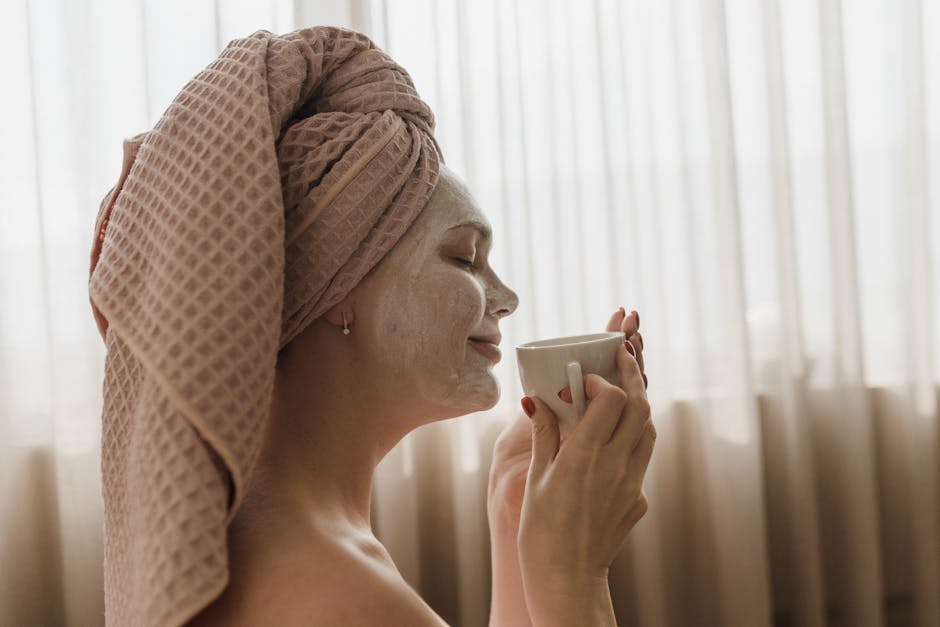
Cultural Rituals, Coffee, and Adaptive Skincare: A New Frontier in Singapore & Malaysia
Deep in the pulse of Singapore and Malaysia, where kopitiam coffee anchors daily life and specialty micro-roasters are reshaping local palates, a new intersection is emerging. The habitual world of coffee—from nostalgic kopitiam rituals to avant-garde home roasting—now entwines with beauty, wellness, and adaptive skincare practices in commercially meaningful ways. Brands, investors, and café operators are beginning to recognize the profound opportunity offered by aligning two of the region’s most ingrained rituals: drinking coffee and caring for skin.
This exposé explores how coffee culture, market dynamics, and public health priorities are converging to shape the next wave of adaptive skincare in Singapore and Malaysia. Drawing on recent data and respected sources, we examine real-world implications, tactical shifts, and forward-thinking insights for business leaders across beauty, personal care, and retail.
From Kopitiam to Micro-Roaster: The Ritual Architecture of Coffee
Kopitiam as Cultural Anchor
The kopitiam—a Hokkien term combining “kopi” (coffee) and “tiam” (shop)—is not merely a venue for caffeine consumption. In both Singapore and Malaysia, it serves as a communal “ritual hub”: a place for people to trade gossip, discuss politics, and organize their day around the comforting repetition of food and drink. As noted by Urban Sketchers, kopitiams are “meeting places for anyone who wants to talk about the latest news or gossip about politics,” emphasizing their social function beyond mere nourishment.
This structured, repeatable ritual—anchored by the morning or mid-day kopi—is mirrored in how skincare brands construct routines around “AM shield” and “PM repair.” Both are vehicles for adherence, habit-building, and emotional comfort.
Distinctive Singapore Kopi & Personalized Ordering
Singapore’s kopi is sensorially unique, produced through a roasting process involving sugar, margarine, or butter—a variation of the torrefacto method—yielding robust, caramelized flavors. According to Wikipedia, there are at least 12 ordering variants (kopi, kopi‑o, kopi‑c, siew dai, kosong, etc.), with most Singaporeans able to recite them instinctively.
This nuanced “ordering language,” blending Malay, Hokkien, and Cantonese, is emblematic of localized expertise and personalization—concepts directly relevant to adaptive, customizable skincare in the age of personalization.
Emotional Resonance and Nostalgia
While younger generations balance the allure of specialty coffee with local kopi, the latter remains emotionally anchored. As cited by Whetstone Magazine, kopi transports young Singaporeans “back to their childhood, especially those whose parents brought them to kopitiams.”
This nostalgia is a potent commercial driver: heritage-inflected skincare—leveraging scents, textures, and formats reminiscent of kopitiam culture—can carve out a distinctive position in an increasingly functional and crowded market.
Multicultural Migration and Layered Wisdom
Kopitiam culture’s emergence is rooted in migratory patterns and culinary layering. As Whetstone Magazine describes, “The Malay people had their own coffee culture, and when people from South China and India moved to Malaysia and Singapore, they brought their coffee practices with them.” The Hainanese community, notably, pioneered distinctive roasting and brewing techniques.
For skincare, this history supports narratives of multicultural, multi-generational wisdom—uniting Malay herbal traditions, Chinese medicinal ingredients, and Indian Ayurvedic botanicals with coffee-based actives and rituals.
Market Dynamics: Coffee Consumption Trends & Specialty Growth
Coffee Penetration and Local Attachment
Malaysia’s coffee penetration is exceptionally high, with “61% of Malaysians claim[ing] to be regular coffee drinkers” (source: Intelligence Coffee). Instant coffee still dominates, but specialty segments are growing rapidly. Singapore, with its bustling specialty café scene and culturally entrenched kopi, exhibits similar trends.
The implication is profound: widespread familiarity and attachment to coffee means coffee-themed skincare is not a mere novelty—it is intuitively understandable. The opportunity is to graduate from gimmicky “coffee scrubs” to sophisticated, locally adaptive solutions.
Rise of Home Roasting and the “Prosumer”
Both markets are witnessing a surge in home coffee roasting—a clear sign of a technically savvy, experimental consumer base. As Intelligence Coffee observes, “The growing number of home coffee roasters in the two countries is a clear indication of this trend.” These prosumers—comfortable with technical language and inclined toward experimentation—are prime targets for adaptive skincare offering modularity and control.
Health, Regulatory, and Environmental Stress: Converging Concerns
Government Campaigns on Sugar and Lifestyle Disease
Singapore’s proactive stance on sugar reduction, especially in sweet beverages like kopi, is notable. Nationwide campaigns target diabetes and advocate for lower-sugar options (e.g., kopi‑o kosong) (Wikipedia). These health priorities dovetail with consumer attention to inflammation, glycation, and skin aging, offering fertile ground for cross-category narratives that link diet, sleep, stress, and skin health.
Climate and Urban Skin Stress
Both countries’ equatorial climates—hot, humid, and urban—expose skin to unique stresses: persistent humidity, excessive sebum, urban pollution, and trans-epidermal water loss under heavy air-conditioning. Adaptive skincare must respond dynamically to time of day, environmental shifts, and lifestyle factors: commuter sweat and UV, office air-con, late-night screen time, and high coffee intake.
Coffee as Temporal Anchor for Skincare Ritual
With coffee already structuring timepoints (morning, mid-day, evening), embedding skincare moments around these anchors drives routine adherence and emotional resonance.
Adaptive Skincare Routines: Mapping Coffee Rituals to Beauty Practice
Morning: “First Kopi” and Barrier Priming
The typical morning in Singapore and Malaysia begins with kopi at a kopitiam, accompanied by local breakfast fare. The skincare opportunity lies in positioning a “Kopi AM Shield”—a light, fast-absorbing serum enriched with caffeine, niacinamide, and humectants, designed for humid environments and urban stress. Messaging parallels the nuanced kopi order (“kopi‑c siew dai,” “kopi‑o kosong”), allowing users to dial in their AM shield by skin type or environmental context.
Mid-Day Reset: Kopi Break and Re-Hydration
Kopitiams are mid-day sanctuaries for workers. The skincare equivalent: hydrating mists, oil-absorbing pads, and lightweight serum sticks. These products can be seamlessly integrated into office, café, or kopitiam environments, reinforcing habitual midday resets.
Evening/Night: Specialty Rituals and Slow Beauty
After-work café visits and home brewing underpin evening coffee rituals. The matching skincare moment is a “slow ritual,” featuring richer textures, multi-step masks, and spent coffee ground scrubs (for body, not face). This mirrors specialty coffee’s deliberate pace and offers a soothing wind-down narrative.
Design Principles: Localization, Modularity, and Data-Informed Adaptivity
Localized Actives and Storytelling
Adaptive skincare must leverage local coffee origins—Singapore’s torrefacto-style kopi, Malaysia’s robusta/liberica blends—and integrate multicultural botanicals: coconut, pandan, tongkat ali, turmeric, goji, green tea, licorice root, neem, ashwagandha. Micro-lines such as “Kopi-Hainan” (Singapore) and “Kopi-Kampung” (Malaysia) can reference heritage while catering to regional needs.
Modular “Order-Like” Systems
Kopi ordering is inherently modular: base (kopi, kopi‑o, kopi‑c), modifiers (siew dai, kosong, peng, gao, po). This maps elegantly onto skincare, allowing users to customize regimens (oil control, hydration, sensitivity) in culturally familiar ways. A simple parameter system enables tailored routines, echoing the ritual of ordering kopi.
Data-Informed Adaptivity
With both markets highly mobile and digital, adaptive skincare can sync with weather APIs, coffee consumption patterns, and urban stress metrics. This supports subscription models, app-linked loyalty, and cross-promotions with cafés—deepening engagement and retention.
Comparative Perspectives: Singapore vs. Malaysia
Singapore: Policy-Driven, Specialty-Focused, Highly Digital
Singapore’s strong policy conversation around sugar reduction and diabetes is matched by a dense specialty café landscape and affluent, tech-integrated consumers. Skincare here should emphasize anti-glycation, urban protection, and Hainanese kopitiam heritage, deploying advanced digital configurators and app-linked routines.
Malaysia: Mass Penetration, Rapid Specialty Growth, Heritage Accessibility
Malaysia’s coffee consumption (61% regular drinkers) is driven by instant coffee and rapid specialty expansion in urban centers. Skincare should focus on accessibility, price tiers, and narratives that bridge rural (“kampung”) and urban lifestyles, leveraging deep ethnic café culture.
The most defensible brands in this landscape will be those who respect the depth of kopitiam tradition, align with evolving public-health priorities, and use adaptive tech and modular design to create rituals that feel authentically local yet future-forward.
Concrete Opportunity Spaces: Strategic Recommendations for Business
Café–Skincare Collaborations
The surge of specialty coffee and home roasting enables creative collaboration:
- In-café retail corners with limited-edition “Kopi AM Shield” mists or cleansers.
- Seasonal beverage menus paired with skincare product drops, referencing shared ingredient palettes.
- Zero-waste narratives leveraging spent grounds in body care, underscoring ESG commitments.
Kopitiam Heritage Brands in Beauty
Heritage kopitiams and trusted local coffee brands can extend into skin-adjacent categories: hand creams, sanitizers, and “Kopitiam hand ritual” kits—targeting F&B staff and office workers, anchored by nostalgic storytelling.
Health-Aligned, Low-Sugar Coffee & Skin Platforms
With government campaigns on sugar reduction, brand ecosystems can link beverage (kopi‑o kosong, sugar-free drinks) with skincare (anti-glycation, anti-inflammatory positioning), co-branded with nutritionists or clinics for medical-adjacent authority.
Home-Roaster & Prosumer Community Products
Technically sophisticated home roasters are prime candidates for DIY “skin brew” kits (safe coffee extracts plus botanicals), lab-style packaging, and educational content clarifying safe DIY practices.
Risk Mitigation: Health, Sourcing, and Claims
- Avoid glorifying sugar-heavy kopi variants in skincare branding.
- Ensure traceable supply chains and standardization for spent grounds.
- Anchor claims in evidence-based science—use coffee heritage for emotional framing, not as sole functional promise.
Innovative Practices: Adaptive Rituals and Tech Integration
Modular Systems and Digital Tools
Beauty brands are piloting “kopi-coded” adaptive systems: users “order” routines with a kopi menu-like configurator—base, intensity, environment. This not only personalizes care but builds memorable engagement.
Time-of-day anchoring (“Before Kopi” cleanser, “Kopi Break Mist,” “Last Cup Night Mask”) strengthens adherence, leveraging existing daily structure.
Collaborations with baristas, roasters, and kopitiam owners on scent development and origin stories add authenticity and depth to brand narratives.
Coffee Businesses: Skin-Adjacent Care and ESG
Cafés are extending cautiously into skin-adjacent categories—hand creams, lip balms, facial mists—minimizing regulatory burden while maximizing cross-category resonance. ESG leadership through upcycling, waste reduction, and fair wage practices is increasingly central.
Investor and Corporate Innovation: Urban Pilots and Omnichannel Models
Flagship pilots in urban nodes (Singapore: Tanjong Pagar, Tiong Bahru; Malaysia: Bukit Bintang, George Town) are testing models such as café-inside-beauty, beauty-inside-café, and “phygital” subscriptions linking skincare and coffee.
Measuring basket uplift, cross-category conversion, and subscription retention is key to iterating successful models.
Comparative Segment: Perspectives for New Entrants vs. Established Players
New Entrants
For newcomers, the starting point is understanding and respecting ritual depth. Building modular, localized routines that echo kopi ordering will differentiate from generic global skincare launches. Lean into digital configurators, accessible price tiers, and hyper-local storytelling.
Established Players
Legacy coffee brands can extend into beauty via skin-adjacent products, leveraging trust and nostalgia. Heritage storytelling, co-creation with beauty professionals, and strategic partnerships in urban hubs are recommended. Focus on ESG and health narratives to balance tradition with contemporary sensibilities.
Conclusion: The Strategic Trajectory of Coffee-Skincare Intersection
Singapore and Malaysia stand at a unique convergence. Kopitiam traditions and specialty coffee movements simultaneously define local identity while catalyzing rapid innovation. Meanwhile, skincare in both markets has reached a level of sophistication and digital integration, yet remains largely disconnected from daily cultural rituals.
Opinion: The next frontier lies in merging these two habitual behaviors—drinking kopi and caring for skin—into coherent, adaptive rituals grounded in local language, heritage, and environmental context. The opportunity is not simply in cross-marketing coffee and skincare, but in designing systems, narratives, and digital tools that embed self-care into the rhythm of everyday life.
Brands, investors, and café operators who align with kopitiam heritage, health priorities, and adaptive modular design will capture high-engagement positions at this intersection.
As the lines between beauty, wellness, and F&B blur, the strategic importance of understanding local ritual architecture and deploying culturally coded, authentic adaptive systems cannot be overstated. The transformation underway in Singapore and Malaysia is not only a commercial opportunity—it is a blueprint for how deeply rooted rituals can shape the future of cross-category innovation.