
Bogotá Fragrance Market 2024-2033: Growth, Imports, And Premium Trends In Colombias Leading Urban Hub
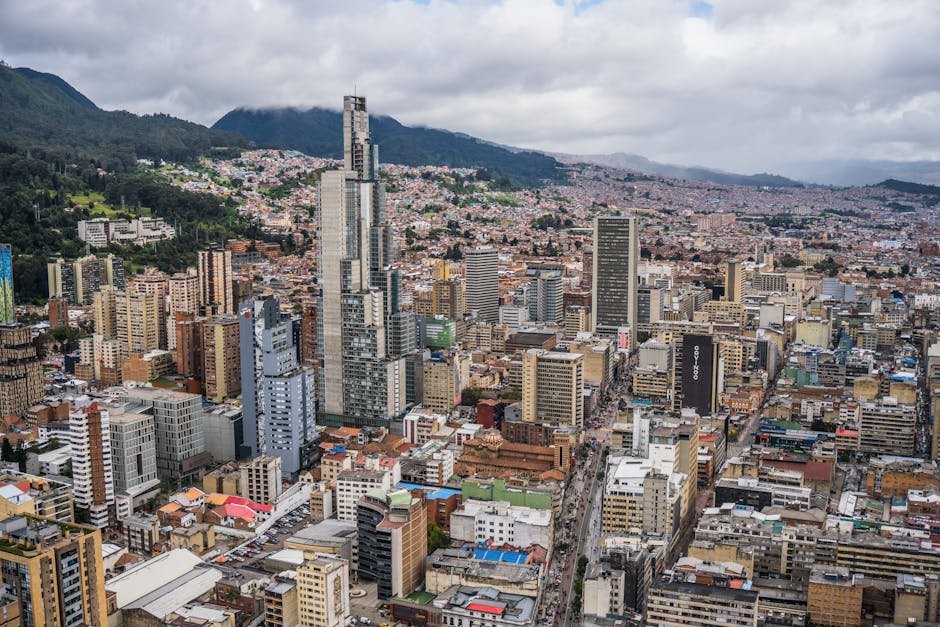
Bogotá’s Fragrance Market: Old World Luxury, New World Ambitions, and the Race for Scented Distinction
In the heady swirl of modern Bogotá, Colombia’s capital and cultural heart, fragrances have become more than an olfactory indulgence—they are markers of status, identity, and the nation’s upward mobility. Once dominated by mass imports and global titans, Bogotá’s fragrance sector now stands at a crossroads: a $0.36 billion market (2024), growing at a projected 4.75% CAGR toward a $0.55 billion future by 2033, intensely shaped by premiumization, personalization, and international supply chains. Yet, beneath the surface, a subtle but significant absence shapes the narrative: while Brazil, France, Spain, the USA, and Italy shape the city's scented landscape, Saudi Arabian and Korean/European custom fragrances remain notably off the radar.
This exposé unspools the history and present of Bogotá’s fragrance industry, examining why certain global players dominate, why artisanal trends matter, and how the scent of the city reflects deep currents in consumer taste, economics, and global supply. As we look ahead, we weigh the prospects of new entrants and the strategic decisions facing industry actors.
The Evolution of Bogotá’s Fragrance Market
Historic Foundations: Colombia’s affinity for perfume is rooted in centuries of cultural exchange, but nowhere are these impulses more concentrated than in Bogotá. As the capital’s middle and upper classes flourished, so too did demand for fine scents—mirroring European tastes while retaining local flair.
Booming Market Dynamics: Today, Bogotá’s dominance is undisputed. The city anchors the nation’s $3.75 billion beauty market (2024), expected to reach $5.31 billion by 2031 (7.18% CAGR). Within this, perfumes alone account for between $305-620 million, with projections peaking at $684 million by 2033/34—a testament to the sector’s resilience even amidst global volatility. This growth is driven by urban density, high disposable incomes, evolving notions of self-care, and a distinct appetite for premium and luxury offerings (Market Insights: Colombian Perfume Sector).
Dominant Import Origins—A Patchwork of Prestige
Global Powerhouses: The tapestry of Bogotá’s scent market is woven almost exclusively from threads spun in Brazil, France, Spain, the USA, and Italy. Here, Western and European houses—LVMH, Chanel, L’Oréal, Estée Lauder—loom largest, leveraging heritage, branding, and supply chain muscle to outpace all rivals. French and Italian houses, in particular, funnel luxury through established retail and digital platforms, with Eau de Parfum standing as the apex of market desirability.
Absence of Saudi/Korean/Europe-Specific Customs: Despite periodic fads for exotic or artisanal imports, the data reveals no significant presence from Saudi Arabia, Korea, or even “custom” European entrants. Imports from these regions are essentially untracked, with no meaningful news or disruption as of 2026. The region’s established imports and an entrenched consumer preference for Western brands create high barriers for new, unproven players (6WResearch: Colombia Fragrance Imports).
Emerging Patterns: Artisans, Influencers, and Urban Aspirations
Premiumization and Customization: Bogotá’s scent market is not static. As consumers become savvier and social channels more influential, an appetite for artisanal and customizable scents emerges. While mass-market perfumes hold sway, the city’s urban elite increasingly gravitate toward niche, limited-edition blends, often shaped by local perfumers or bespoke European studios. This trend, though nascent, signals the slow pivot from pure global branding to personalized, story-rich olfactory experiences.
Influencer-Driven Consumption: The city’s dense retail landscape is matched only by its vibrant social sphere. Influencer partnerships and digital-first campaigns amplify the reach of prestige brands, making scents like Dior, Chanel, or Dolce & Gabbana as familiar as household names. Simultaneously, home fragrance—especially sprays, which hold a 33.52% market share—turbocharges this demand, doubling from $72.2 million in 2023 to a projected $147.2 million by 2030 (Grandview Research: Home Fragrance Colombia).
Differentiation and Market Gaps: The Case of Absent Entrants
Western Resilience vs. Untracked Origins: While European industry giants innovate with sustainability and gender-neutral branding, countries like Saudi Arabia and Korea remain absent from the mainstream narrative. Whether by strategic choice or market inertia, neither “custom” Saudi nor Korean fragrances are present—even as artisanal European imports find growing success.
Comparative Perspective:
- Established European Importers enjoy strong infrastructure, customs familiarity, and brand prestige; their scents embody trust, longevity, and aspirational lifestyle.
- Asia and Middle East Entrants face hurdles—not only in logistics but in overcoming entrenched consumer biases and regulatory ambiguity. Without sustained marketing, local alliances, or distinctive storytelling, their entries remain invisible.
Key Players and Tactical Shifts
Major Actors: PVH Corp., LVMH, Chanel, Estée Lauder, and L’Oréal set the tone, joined by strong regional names like Yanbal and Natura. Their focus? Unisex blends, sustainable packaging, and meaningful influencer collaborations that sidestep fleeting trends for long-term resonance.
Retail Density and the Power of Distribution: Bogotá’s dense retail ecosystem means shelf space is as valuable as brand equity. Direct imports from France and Italy are the most reliable route to the city’s high-spending consumers. Digital and brick-and-mortar converge, giving added edge to those with established distributor networks and a nuanced grasp of local tastes (Morgan Reed Insights: Cosmetics Market Colombia).
Real-World Implications: Bogotá as a Testbed for Scented Innovation
The Rise of the Artisanal Mindset: As mass-market fatigue sets in among urbanites, customization takes on new urgency. Artisanal perfumers (often local, sometimes boutique European) begin to nibble at the market’s edge, offering experiences that blend exclusivity, sustainability, and narrative. Yet, the absence of Korean and Saudi custom lines signals a gap: the logistical, cultural, and financial leap into Bogotá remains daunting—at least for now.
Consumer Empowerment and Brand Trust: Today’s Bogotá shopper is more informed and far less forgiving of irrelevant or generic offerings. Provenance and ethical sourcing matter more than ever. Western and European brands respond by doubling down on transparency and influencer partnerships, leaving latecomers (or those without local cachet) sidelined.
Comparative Insights: Decoding the Market’s Unwritten Rules
For the Western Entrant: The formula is time-tested—a blend of prestige, distribution power, and local adaptation. Bogotá’s retail density rewards those who can blend heritage with innovation, putting a premium on experience over novelty alone.
For Would-Be Disruptors (Korea, Saudi Arabia): The hurdles are not merely regulatory, but deeply cultural. Without a compelling narrative, clear differentiation, and trusted local partners, entry strategies struggle to gain traction. The city’s scent landscape is not closed, but its doors only open to those who understand its rhythms—and invest accordingly.
Strategic Opportunities and Forward-Looking Insights
“Markets like Bogotá will not reward those who simply arrive; they will celebrate those who adapt, innovate, and earn their place in the city’s sensory imagination.”
Monitoring the Next Wave: Savvy stakeholders must keep a pulse on import data—particularly through 2025-2031—to detect emerging entrants, evolving preferences, and the strengthening of artisanal/independent challenger brands.
Why Artisanal and Customization Win: With premiumization comes a hunger for story and personal connection. Artisanal and customized offerings—at least those with the right heritage or local relevance—are well positioned for growth, even if “custom” from Korea or Saudi Arabia is, for now, a non-factor.
Strategic Recommendations: Established importers should double down on influencer engagement, sustainability, and unisex offerings. New entrants (particularly from Asia or the Middle East) should prioritize local partnerships, differentiated narratives, and regulatory navigation—if they seek to unlock Bogotá’s potential.
Conclusion: The Future of Scent—Strategy, Story, and Sensory Power
Bogotá’s fragrance market is a microcosm of global luxury and local ambition. The dominance of Brazil, France, Spain, the USA, and Italy is not simply the result of inertia but of relentless brand building, adaptive strategies, and a deep understanding of local consumer aspirations. The city’s hunger for premium, customized experiences points to future opportunity—yet also underscores the high walls facing new entrants from less familiar regions.
The absence of Saudi Arabian and Korean/European custom fragrances is telling: only those with a clear story, trusted channels, and adaptive strategies will find a place in the city’s ever-evolving scent narrative. The next decade will reward those who move beyond mere imports to become part of Bogotá’s cultural fabric—innovating not only in formula, but in meaning and market connection.
As Bogotá’s retail landscape continues to grow and diversify, the call is clear: invest in understanding, customize for relevance, and lead with both authenticity and ambition. The future belongs to those who make Bogotá’s sensory imagination their own—turning the city’s passion for scent into a sustainable engine of growth, identity, and prestige.