
Candy Tok On TikTok: How Sour And Gummy Trends Drive Viral Sales, Store Traffic, And Product Innovation In 2025
Candy Tok’s Rise: How Sour and Gummy Content Became TikTok’s Sweetest Commerce Engine
In the era of hyper-visual, short-form video, TikTok’s “Candy Tok” niche has rapidly evolved from playful experimentation to a dominant, algorithm-driven marketplace. Powered by creator-led challenges, sour and gummy cravings, and always-on seasonal spikes, Candy Tok has transformed how confectionery brands launch products, engage fans, and drive real-world sales. From the fizzling crackle of sour powder to the satisfying stretch of a gummy bear, this vibrant ecosystem not only mirrors but amplifies broader shifts in digital culture—where consumer attention is fleeting, but viral engagement can move tens of thousands of units overnight. This exposé unpacks Candy Tok’s core dynamics, the data behind its meteoric rise, and why every candy executive should now treat TikTok as a boardroom priority rather than a creative playground.
The Evolution of Candy Tok: From Niche Curiosity to Performance Powerhouse
Historical roots and market context. Candy and social media have long intersected, with sweets featuring in Instagram “flat lays” and YouTube “unboxing” videos. Yet it wasn’t until TikTok’s viral engine matured that Candy Tok—focused on sour, gummy, and challenge-driven content—emerged as a high-impact channel. Recent Accio market analysis shows that by 2025, sour and gummy formats now dominate TikTok candy engagement, driving uplifts in search demand, store traffic, and ecommerce performance for brands that sync launches to platform cycles.
Always-on, with seasonal surges. Unlike traditional candy marketing, which relies on tentpole holidays, Candy Tok operates as a year-round “attention engine,” surging further during Halloween, back-to-school, and the winter holidays. Google Trends corroborates this cycle, with “sour candy” peaking at a normalized value of 100 in November 2024 and “gummy candy” maintaining steady interest into August 2025.
What’s Working on Candy Tok Right Now
Short-form, high-visual content rules. The most successful Candy Tok videos capture seconds-long sensory experience: close-ups of stretchy gummies, dramatic sour faces, and the crunch of candy shells. These formats—often “before/after” reveals, store hauls, or how-it’s-made shots—deliver fast hooks and clear visual payoffs, perfectly mapped to TikTok’s algorithm priorities as noted by Growth HQ.
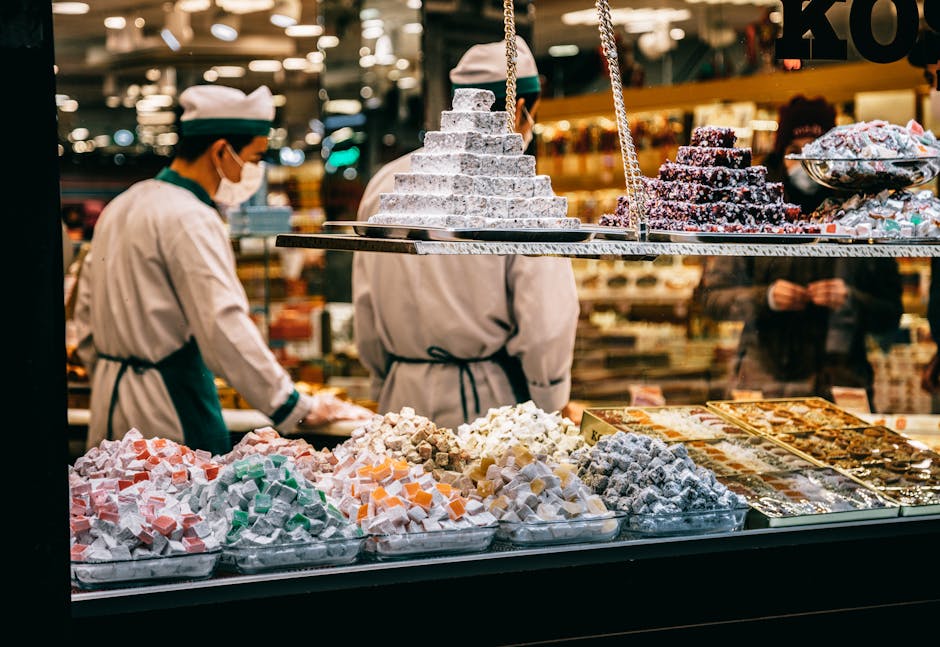
How-it’s-made and shop tours drive commerce results. Behind-the-scenes candy-making tutorials, ASMR experiments (“will it freeze/crunch?”), and retail shop tours consistently score high watch-through rates and drive measurable foot traffic, showing that TikTok’s “interest graph” can rapidly boost local and national store visibility.
AI-assisted edits and challenge formats gain traction. Recent seasons feature AI-generated stickers, overlays, and transitions—keeping repetitive formats fresh and gamifying engagement. Notably, hashtags like #candycrush10 outperform in per-post engagement (12,225 avg. views), suggesting that “game-like” tags catalyze deeper, active viewing compared to broader discovery tags.
Candy Tok vs. Other Food Niches: A Comparative Perspective
Distinctiveness from broader FoodTok. While FoodTok spans everything from cooking hacks to restaurant reviews, Candy Tok is defined by its low production barriers, instant sensory payoff, and built-in ASMR qualities. It’s less about complex narratives and more about repeatable dopamine hits: texture, sound, and challenge.
Algorithm compatibility. Candy clips excel with TikTok’s demand for a “hook in the first 1–2 seconds,” maximizing the platform’s rewatch and share features. Unlike longer recipe content, Candy Tok’s modular templates (“rate this sourness,” “store haul under $20”) allow for effortless regional adaptation and endless reskinning using AI tools.
Commerce connection. FoodTok often drives culinary inspiration or restaurant visits; Candy Tok directly correlates to spikes in retail footfall and ecommerce transactions, with Accio and Growth HQ reports showing real-world uplifts during campaign launches.
Hashtags, Cycles, and the Mechanics of Virality
Discovery versus engagement hashtags. The Accio dataset quantifies how tag volume and view rates shape strategy:
| Hashtag | Posts (Millions) | Avg. Post Views |
|---|---|---|
| #candy | 3.4 | 16,145 |
| #sourcandy | 0.5 | 14,293 |
| #gummycandy | 0.2 | 4,689 |
| #candyshop | 2.1 | 4,571 |
| #candycrush10 | 1.5 | 12,225 |
Seasonal Peaks and the Commercial Impact
Real-world sales uplift. Brands with proactive Candy Tok strategies report direct, correlated spikes in foot traffic and online sales, especially during Halloween and holiday drops. TikTok’s discovery engine enables even small regional candy stores to achieve national recognition when formats and timing align.
Product prioritization. Sourced reports recommend emphasizing sour and gummy SKUs in Q4 and late summer, leveraging TikTok’s cyclical activity. Chocolate and “hard” candies often serve as secondary “supporting cast” in multi-product hauls or assortment packs.
From awareness to conversion. Challenge-tagged campaigns and store-tour videos not only capture attention but measurably drive in-store engagement, validating TikTok as both brand-builder and sales accelerator.
Structural Drivers: Why Candy Tok Thrives
Low production barriers, high rewatch potential. Many viral Candy Tok clips are shot in stores, kitchens, or homes using basic equipment but strong framing and sensory cues. The platform’s sound-driven culture—crunch, fizz, stretch—offers built-in ASMR hooks, amplifying viewer retention and shareability.
AI and creative tooling. TikTok’s AI updates allow auto-generation of stickers, captions, and thematic overlays, enabling brands to endlessly refresh templates (“rate this sourness,” “guess the flavor”) and localize for different regions, seasons, and product launches.
Template-based content scalability. Repeatable formats (haul, sour challenge, experiment) can be modularly adapted, making Candy Tok campaigns efficient to scale and cross-promote across global markets.
Regional Playbooks: North America, Europe, MENA and Asia-Pacific
North America: High TikTok penetration and a mature creator economy mean Candy Tok is both competitive and full of partnership opportunities. Key tactics include limited-time drops, gaming/anime crossovers, and “store haul” content in major retailers. Seasonal alignment (Halloween, Christmas, Valentine’s Day) is crucial.
Europe: Fragmented by language and taste, but rich in nostalgia, craftsmanship, and premium trends. Sub-regional localization, heritage storytelling (“how traditional sweets are made”), and major-city shop tours (Paris, London, Berlin) are effective content pivots.
MENA and Asia-Pacific: Fast TikTok adoption, strong youth demographics, and affinity for novel textures and imported trends. Candy often appears alongside K-pop, anime, and lifestyle content, with bilingual creators bridging global and local sensibilities. Extreme sour/spicy formats and fandom integrations (props in gaming, K-culture settings) add distinctive regional flavor.
Strategic Recommendations for Executives and Marketers
Product and campaign design. Make sour and gummy SKUs the heroes of TikTok campaigns; anchor discovery in broad hashtags (#candy, #sourcandy) and layer challenge/game tags (#candycrush10) for engagement. Standardize 3–5 reusable “Candy Tok templates” to localize across regions and activate AI-assisted creative at scale.
Creator and partnership strategy. Segment creators by reach, conversion, and concept innovation potential. Structure deals around recurring series (“Sour Sunday,” “Mystery Flavor Fridays”), not just one-offs—co-own hashtags for lasting campaign equity.
Offline-online integration. Use TikTok to drive in-store visits via QR codes, geo-targeted ads, and exclusive product drops. Connect packaging and POS to TikTok challenge pages for seamless multichannel engagement.
Measurement and experimentation. Track a KPI stack beyond views: average watch time, hashtag engagement rate, branded search lift, and real-world store traffic or sales within 7–14 days of campaign spikes. Treat hashtags as levers, A/B testing bundles to optimize cost per thousand views and organic virality.
Risk, Governance, and Brand Safety
Guardrails and proactive governance. While Growth HQ notes no major Candy Tok safety incident through October 2025, brands should avoid promoting unsafe “extreme sour” behaviors and ensure clear sponsored disclosures. Preemptively prepare moderation messaging for possible health debates around sugar and artificial color usage.
Actionable Roadmap: 6–12 Month Agenda for Candy Tok Success
Quarter 1–2: Foundation and experimentation. Map SKUs to TikTok suitability; prioritize sour and gummy hero lines. Identify 10–20 creators per region and launch 2–3 reusable content templates, A/B testing hashtag stacks for optimal results.
Quarter 3: Scale and localization. Expand best-performing templates with localized creators, introduce regional limited editions for holidays, and embed QR-to-TikTok touchpoints at POS.
Quarter 4: Seasonal peak and measurement. Run major holiday campaigns with refined toolkit, integrating TikTok analytics into executive dashboards to tie activations to search, store, and sales metrics. Use post-season reviews to inform next year’s innovation pipeline.
“Candy Tok is a mature, always-on performance channel—executives must now industrialize its integration into marketing and product cycles, scaling beyond experimentation to become a strategic pillar of brand and commerce growth.”
The Forward Trajectory: Candy Tok’s Strategic Importance
From viral playground to core business lever. The data is clear: Candy Tok is no longer a novelty or youth experiment. With sour and gummy visuals aligned to TikTok’s algorithm, and search, store, and sales metrics all moving in lockstep, Candy Tok has become a critical performance engine for confectionery brands.
The power of creator-led, challenge-based engagement. Hashtag performance, real-world impact, and the ability to localize templates across global regions make Candy Tok uniquely scalable. Executives who treat TikTok as mission-critical—investing in hero SKUs, modular creative, rigorous measurement, and strong creator partnerships—will not only capture viral attention but drive sustained commercial growth.
Final imperative. As Candy Tok continues to industrialize, its strategic importance will only grow. Brands should move decisively: embed TikTok cycles into product roadmaps, anchor every campaign in proven hashtag and format stacks, and measure commerce impact on par with traditional retail and digital channels. The candy industry’s future isn’t just sweet—it’s algorithmic, creator-powered, and always just one viral “sour face” away from the next sales surge.