
Canpotex Invests CA$500 Million In North Vancouvers Neptune Bulk Terminals To Secure Potash Exports And Boost Jobs
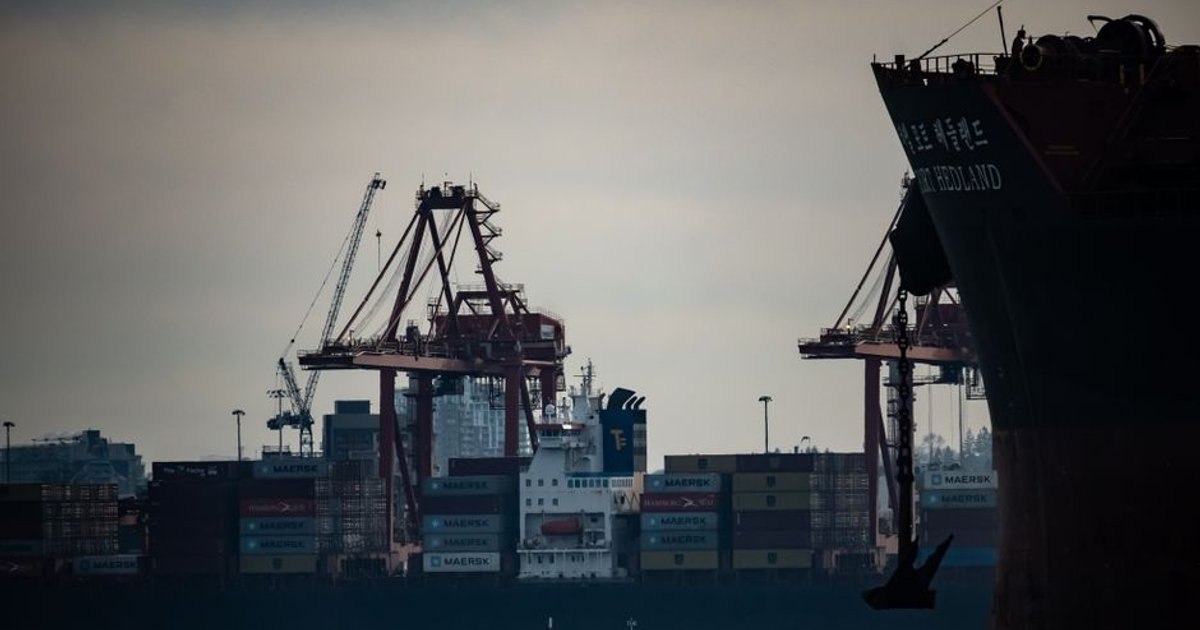
Modernizing Canada’s Potash Gateway: Canpotex’s CA$500 Million Neptune Bulk Terminals Upgrade
In the world of global agriculture and resource exports, few commodities wield as much influence as potash, the essential fertilizer ingredient mined extensively in Saskatchewan, Canada. The Canadian prairies have for decades supplied overseas markets with potash, undergirding food security and productivity across continents. Amid intensifying geopolitical tensions, supply chain upheavals, and rising demand from emerging economies, Canpotex’s decision in September 2026 to invest CA$500 million in a major reliability upgrade to Neptune Bulk Terminals in North Vancouver marks a pivotal moment for the industry. This exposé explores the strategic reasoning, market implications, and future outlook for Canada’s potash export infrastructure, revealing how one investment can ripple across industries, communities, and global food systems.
The Historical Backdrop: Potash as a Pillar of Canadian Export Identity
The Saskatchewan legacy. Saskatchewan’s potash reserves are among the richest in the world, with annual production frequently surpassing the thresholds required to meet global fertilizer needs. Over recent decades, Canadian potash has become a cornerstone of agricultural supply chains, delivering crucial nutrients that power crops in Asia, Latin America, and beyond.
Neptune Bulk Terminals: The nerve center. Located in North Vancouver, Neptune Bulk Terminals is the world’s largest potash export terminal, according to Canpotex. The site is instrumental in channeling Saskatchewan’s potash to overseas markets, leveraging the Pacific gateway to fuel agricultural growth and food production worldwide.
Market pressures and infrastructure realities. As international trading dynamics become more volatile, the resilience of export infrastructure is tested. The aging shiploaders, conveyors, and railcar unloading systems at Neptune prompted Canpotex, owned by Nutrien and The Mosaic Company, to launch its largest-ever upgrade initiative, anticipating the needs of global agriculture industries and cementing Canada’s competitive edge.
Why Now? Navigating Tight Supply and Future Uncertainties
Forecasting supply shocks. The context surrounding Canpotex’s investment was colored by predictions of possible supply disruptions within the coming 12 months. While no physical supply shock has been confirmed, global fertilizer markets remain tightly balanced. Disruptions from major producers, sanctions, and rail congestion could quickly cascade into shortages or price spikes.
Strategic modernization versus emergency response. The CA$500 million Neptune project, announced and broken ground on September 25, 2026, is not an urgent reaction to imminent crisis. Instead, it is a forward-looking reliability measure aimed at preserving capacity and modernizing aging infrastructure. This distinction matters: modernization ensures long-term throughput, whereas an emergency expansion would signal immediate risk.
Long-term export reliability. The investment is expected to support reliable throughput of approximately 11 million tonnes of potash annually and maintain operational shipments throughout construction, which is set to conclude by 2028. These promises position Canada as an enduring supplier, even as near-term risks persist elsewhere in the supply chain.
Patterns, Innovations, and Tactical Shifts in Bulk Logistics
Resilience through infrastructure. The Neptune Bulk Terminals upgrade is not merely a technical enhancement; it is a strategic bet on the future of Canadian potash exports. Upgrading shiploaders, conveyors, and railcar unloading equipment is essential to both efficiency and resilience, acting as insurance against bottlenecks and outages.
Job creation and regional impact. Construction is expected to create or support more than 400 jobs and stimulate procurement opportunities in engineering, maintenance, and bulk-material handling. Such investments ripple through local economies, strengthening the Prairie-to-Pacific corridor and increasing the strategic value of rail and port services.
Supply-chain innovation. By modernizing core infrastructure, Canpotex is setting a new standard in export reliability. This move echoes broader industry trends, where automation, digital logistics systems, and predictive maintenance are leveraged to boost throughput and minimize downtime. The Neptune project is thus emblematic of a wider tactical shift toward supply-chain resilience.
Comparative Perspectives: Newcomers Versus Industry Veterans
New viewers: Charting uncertainty. For those newly exposed to the potash market, the Neptune upgrade may appear as a reaction to looming shortages or price volatility. The headlines about supply shocks and market tightness could suggest that Canada is scrambling to keep pace with demand.
Veterans: Navigating cycles and capacity. Long-time industry participants recognize the difference between terminal capacity and mine supply. Upgrading the port does not directly expand mined production; it preserves the ability to move existing volumes efficiently. For these stakeholders, the CA$500 million investment is a calculated effort to fortify foundational infrastructure, rather than a sign of panic.
Bridging the perspectives. The strategic message is clear: Neptune will stay operational during construction, protecting Canada’s export reputation and smoothing the path through volatile markets. Buyers, logistics operators, and regional governments must thus distinguish between physical supply disruptions and infrastructure modernization when interpreting market signals.
Real-World Implications and Cross-Sector Opportunities
Fertilizer buyers and agricultural businesses. With Neptune remaining operational, buyers can rest assured that Canadian potash export availability will be maintained. The project is designed for long-term reliability, not rapid expansion, so near-term risks still hinge on production, rail performance, and global trade conditions.
Logistics, industrial, and infrastructure suppliers. The investment opens doors for businesses specializing in conveyor systems, shiploading technology, and rail unloading infrastructure. More than 400 construction-related jobs underscore the regional procurement opportunity, supporting engineering and maintenance services.
Households and service providers. The Neptune project is unlikely to create immediate changes in consumer prices. Its importance is more indirect: reliable potash exports stabilize farm input costs and underpin the economics of food production over time. Near-term fertilizer price movements will remain most influenced by global supply, energy costs, freight rates, and currency fluctuations.
The Bottom Line: Canada’s Potash Export Future
Protecting critical export routes. The CA$500 million Neptune Bulk Terminals upgrade is a sign that Canada is protecting and modernizing one of its most vital export channels. With approximately 11 million tonnes of annual throughput, 400-plus construction jobs, and a completion goal of 2028, the project is a capacity-preservation and modernization measure, securing Saskatchewan’s access to overseas agricultural markets for decades to come.
Strategic importance for the Prairie-to-Pacific corridor. Neptune’s centrality as the largest potash export terminal is undisputed. The Port of Vancouver ranks as Saskatchewan potash’s most important export gateway, and the new investment will further cement its role in global food security and supply chain resilience.
Industry commitment, not emergency action. Canpotex, backed by Nutrien and The Mosaic Company, has signaled unwavering commitment to maintaining sales volumes through June 2026, citing strong demand and robust agricultural fundamentals. This decision supports a tight-demand and infrastructure-resilience narrative, rather than an emergency scramble to offset confirmed supply shocks.
Global context and future outlook. The Neptune project is a model for how countries can tackle supply chain vulnerabilities before crises erupt. In a world where disruptions can arise from sanctions, rail congestion, geopolitical force majeure, or export restrictions, proactive infrastructure investment is key to sustaining reliable commodity flows.
Forward-Thinking Insights: Lessons for Global Commodities
Anticipating market volatility. As international potash markets remain susceptible to sudden disruptions, the Neptune upgrade provides critical reassurance to buyers, shippers, and farmers. It demonstrates that infrastructure resilience is as important as mined supply when safeguarding against shocks.
Innovation as strategic insurance. By focusing on reliability, rather than rapid expansion or crisis management, Canpotex illustrates how modernization can serve as strategic insurance for global supply chains. The move sets a benchmark for other commodity sectors grappling with aging infrastructure and market uncertainty.
“The Neptune Bulk Terminals upgrade is a testament to Canada’s commitment to long-term export reliability, ensuring that the backbone of global food security remains strong regardless of market volatility or supply chain disruption.”
Connecting to the Wider World: Sources and Verification
For a deeper dive into Canpotex’s CA$500 million investment, project details, and market context, see these reputable sources:
CTV News: Canpotex announces $500M Port of Vancouver investment
Canpotex official news release
CityNews Vancouver coverage
Global News report
Western Producer analysis
Conclusion: The Strategic Trajectory of Canadian Potash Logistics
The Neptune Bulk Terminals upgrade signals a watershed moment for Canadian potash exports. Rather than triggering emergency shipments or responding to confirmed supply shocks, Canpotex’s investment is a deliberate, strategic act of modernization, one that positions Canada at the forefront of global fertilizer supply and export reliability. The decision to keep Neptune operational during construction reassures global buyers, preserves regional economic activity, and strengthens Canada’s role as a bedrock of agricultural productivity.
Looking forward, the project should inspire action across commodity sectors, reminding decision-makers that proactive infrastructure renewal is the best defense against supply chain chaos. As the world’s largest potash export terminal undergoes its most ambitious upgrade, Canada underscores the vital importance of reliability, capacity, and resilience in securing food systems for generations to come.
In a time of uncertainty, Neptune stands as a beacon for global supply chain stability, offering lessons and leadership that resonate far beyond the shores of North Vancouver. The fortified Prairie-to-Pacific corridor is more than a logistical route, it is a lifeline for global agriculture, food security, and economic progress. Now is the time to recognize, invest in, and protect these critical infrastructure assets, ensuring they continue to deliver when the world needs them most.