
Climate-Adaptive Skincare Systems: The Southeast Asia Solution For Oily, Sensitive, And UV-Stressed Skin In 2026
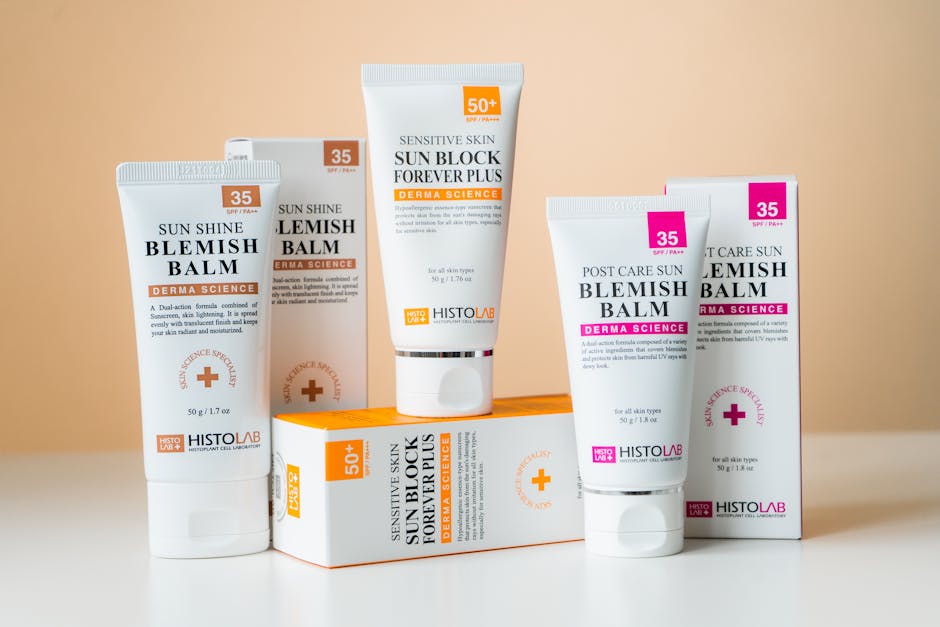
Climate-Adaptive Skincare: The New Mainstream for Southeast Asia’s Humid, Urban Landscape (2026 Update)
The skincare industry is undergoing a seismic shift in August 2026: “climate-adaptive” is no longer a niche, but a dominant force, especially in hot, humid environments such as Southeast Asia. As consumers face relentless UV exposure, oppressive humidity, and environmental stressors, they experience a unique set of skin issues—oily yet dehydrated, reactive yet prone to irritation, prematurely aging despite diligent routines. The old Western playbook of heavy occlusives or single-claim cosmetics simply does not work here.
With humid-climate skincare, best sunscreen for humid weather, lightweight sunblock Southeast Asia, and soothing gel for redness in humidity surging in both search and sales, brands are being forced to re-think every step of product development. Consumers are demanding systems that deliver hydration without heaviness, hybrid UV defense, cooling, and resilience—plus a new standard of sustainability.
Key Trends and Strategies in Climate-Adaptive Skincare (2026)
From Concept to Growth Category
The surge in climate-adaptive routines is not a trend, but a new category validated by market data, fueling strong growth projections into the next decade. This shift is particularly pronounced in Southeast Asia, where “routine-based adaptation” is overtaking one-off fixes. Formulators are now focused on building entire regimens centered around hydration, cooling, UV defense, and barrier support, moving away from heavy occlusive solutions that can suffocate skin in the tropics (see source).
Thermo-Regulating and Multifunctional Formats
Consumers no longer want routines crammed with multiple steps or isolated actives. The new expectation is for hybrid serums, SPF-boosted moisturizers, and thermo-regulating textures—products that do more in fewer steps, minimizing irritation while maximizing climate resilience. This is especially relevant for skin types that are oily-dehydrated, combination, or sensitive under environmental stress (source).
Barrier Resilience Over Short-Term Fixes
The newest formulations prioritize skin barrier repair for humidity and long-term resilience rather than cosmetic quick fixes. Adaptive polymers, calming gel moisturizers, and soothing ampoules that help skin recover from heat, sun, and over-exfoliation are taking center stage. For example, treatment masks that address the cumulative effects of pollution, UV, and over-washing are now routine essentials.
Sustainability and Transparency
Climate-adaptive skincare is merging with expectations for refillable and low-waste packaging. Southeast Asian consumers now see sustainability as part of product efficacy—brands are being asked to demonstrate not only performance, but also climate accountability in every SKU (source).
Systemization and Local Relevance
In highly urbanized and polluted megacities, brands that build entire systems (not just hero products) win trust. There’s a new premium on “Korean and Japanese skincare for tropical skin”—where routines integrate serum for oily dehydrated skin and anti-aging serum for humid climate in layers that support, not smother, with textures consumers can use year-round.
State and Recommendations: What Brands Must Do Now
- Position products as “climate-resilient skin systems”—integrate hydration, UV defense, and soothing in breathable, layered sets built for Southeast Asia (source).
- Prioritize systemization over single-star products: Offer complete regimens to simplify routines for urban, time-pressed consumers.
- Develop lightweight barrier serums for dehydration, calming gel moisturizers for redness and humidity stress, and high-UV climate-adapted sunscreens for daily city use (source).
- Emphasize multifunctional hybrids (e.g., serum-SPF, cooling gels with antioxidants) to reduce steps and irritation risk.
- Embed sustainability (refillable, low-waste, transparent packaging) into the climate-adaptive claim (source).
- Pilot clinical validation and environmental data specific to Southeast Asia to build trust and local performance credibility.
- Educate consumers on how climate-adaptive routines outperform “trend-driven” or imported Western products.
Comparison Table: Adapting for Southeast Asia’s Skin Realities
| Category | Heavy Occlusive Western Products | Breathable, Layered Systems for Humidity |
|---|---|---|
| Texture & Feel | Thick, may suffocate skin & exacerbate oiliness | Lightweight, gel or water-based; quick absorption |
| Formulation Logic | One-size-fits-all; trend-driven ingredients | Purpose-built for humid climate, layering logic, real-world validation |
| Routine Approach | Single-step, cosmetic fixes | Systemized: hydration, cooling, UV defense, barrier repair in synergy |
| Durability/Results | Short-term improvement, long-term congestion | Long-term barrier resilience, supports sensitive/oily-dehydrated skin |
Segmentation: Challenges and Opportunities by Audience
1. Climate-Aware Skincare Users
Challenges: Overwhelmed by choice, lacking confidence in imported products; frustrated by routines that don’t factor in humidity or pollution.
Opportunities: Strong demand for “best sunscreen for humid weather,” “soothing gel for redness humidity,” and regimen-building for urban exposure (source).
2. Sensitive / Compromised Skin
Challenges: Chronic redness, post-inflammatory hyperpigmentation, and sunscreen reactivity.
Opportunities: Soothing gel for redness humidity, calming barrier serums, and recovery masks are in high demand; consumers now expect “clinical yet gentle” plus non-comedogenic claims (source).
3. Oily-Dehydrated, Combination & Reactive Skin Types
Challenges: Traditional “oil control” dries skin, heavy creams lead to clogged pores, and breakouts worsen with heat.
Opportunities: Serum for oily dehydrated skin with adaptive, cooling hydration; hybrid SPF-serums and “ampoule toners” become must-haves for humid weather (source).
4. Early Anti-Aging (25–40)
Challenges: Premature aging from UV and pollution; frustration with sticky, heavy anti-aging creams.
Opportunities: Anti aging serum humid climate that combines peptide, antioxidant, and filter technologies—market is shifting toward “long-term barrier support” rather than just wrinkle minimization (source).
5. Urban Southeast Asia
Challenges: Multiple stressors—pollution, heatwaves, constant sunscreen layers, and poor air quality.
Opportunities: “Korean/Japanese skincare for tropical skin” and single-system routines featuring cleansing + protection + recovery are now the gold standard (source).
Segment Comparison
- All segments reject “heavy, Western occlusives” in favor of systemized, climate-adaptive routines.
- Sensitive/reactive types prioritize calming and barrier repair, while oily-dehydrated users need adaptive, non-clogging hydration.
- Urban and anti-aging consumers seek resilient, lightweight sunblock for Southeast Asia, and streamlined products that address both daily UV load and pollution stress.
- Korean/Japanese system logic is preferred across groups, but must be optimized for tropical humidity rather than just imported as-is.
“The mainstreaming of climate-adaptive skincare in Southeast Asia validates what consumers have felt for years: innovation must start with local climate logic, not just follow global trends. Brands that adapt fastest will own tomorrow’s loyalty.”
Conclusion: Strategic Imperatives for 2026 and Beyond
The shift to climate-resilient skin systems has become a non-negotiable for brands aiming to lead in Southeast Asia. This transition—anchored by market validation, clinical grounding, and new consumer expectations—means that legacy routines and trend-chasing SKUs will rapidly lose relevance. Formulation intent, sustainability, and a system-based approach are the pillars of success.
Looking forward, brands that listen, localize, and leverage real climate science will define the next era of skincare. Expect major launches to focus on rehydration without heaviness, best sunscreen for humid weather, and urban pollution-recovery routines—and consumers to demand more transparency and accountability at every step.
The call to action is clear: prioritize Southeast Asia’s unique climate realities, embrace adaptive innovation, and deliver integrated solutions that address both the skin and environmental health for the decade ahead.