
Climate-Resilient Skincare: Evidence-Based Routines For Hot, Humid Urban Environments In Singapore, Kuala Lumpur, Jakarta, Bangkok, Ho Chi Minh City, And Manila
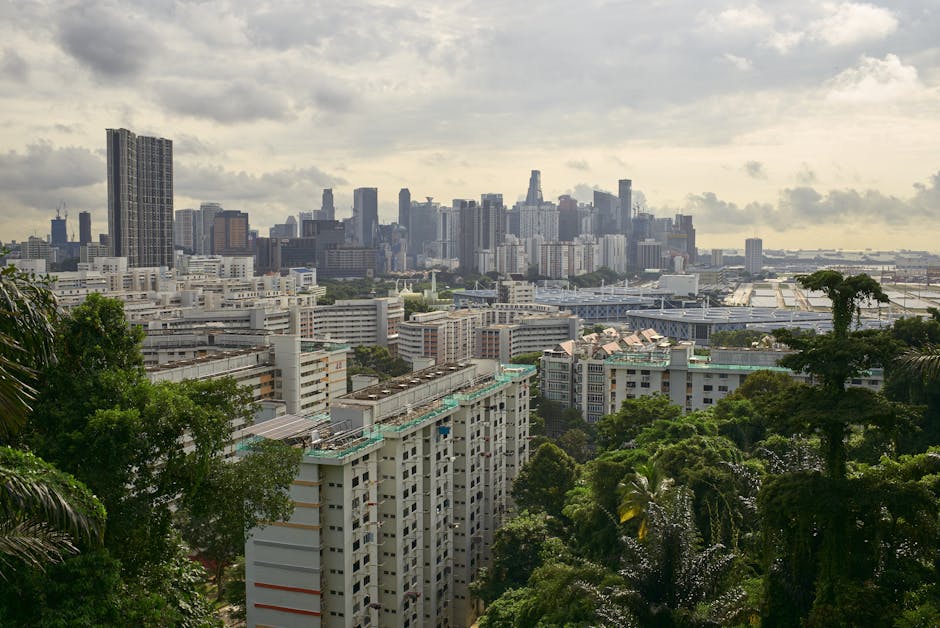
Building Resilient Skincare Routines for Southeast Asia’s Humid Urban Future
Southeast Asia’s booming cities—Singapore, Kuala Lumpur, Bangkok, Jakarta, Ho Chi Minh City, Manila, and beyond—are not just centers of commerce and culture. They are living laboratories for climate-adaptive beauty, where unrelenting heat, near-constant humidity, and urban pollution are not anomalies but the daily backdrop. For decades, global skincare solutions arrived here with little adaptation, treating Southeast Asian consumers as a footnote of “universal” beauty marketing. Today, this status quo is being upended. Fueled by region-specific research, rising dermatology literacy, and the relentless spread of climate-adaptive discourse, the conversation has shifted. The urban youth and middle class across these cities now demand more: proof-driven skincare that can outlast sweat, shield against city smog, and harmonize with tropical realities. This exposé unpacks the game-changing dynamics reshaping skincare in Southeast Asia’s urban tropics—revealing evidence, strategies, and the next horizon for brands, retailers, and consumers.
The Climate as Destiny: Why Tropical Urban Realities Redefine Skincare
Heat, Humidity, and Pollution as Year-Round Constants. Southeast Asia is not merely “hot and sticky”—it sits decisively within the tropical monsoon and rainforest belt, where daily temperatures hover between 27–29°C and humidity routinely spikes above 80%. Cities like Singapore, Kuala Lumpur, and Manila face UV indices of 10–12 nearly every day. With industrialization and dense traffic, PM2.5 and ozone pollution join the mix, particularly in Jakarta and Ho Chi Minh City. These environmental forces are not passing inconveniences. They shape skin physiology by ramping up sebum and sweat, accelerating photoaging, and undermining barrier function.
Skin’s Vulnerabilities in the Southeast Asian Cityscape. The impact is tangible and visible. Dermatologists and epidemiologic studies have shown that prolonged urban humidity boosts rates of acne, sebaceous overproduction, and folliculitis. High UV triggers pigmentation—melasma, sun spots, and persistent post-inflammatory hyperpigmentation (PIH)—well beyond what’s seen in temperate climates. Pollution, meanwhile, is linked to premature wrinkling, lentigines, and chronic sensitivity, pushing urbanites into a loop of “trial and error” product switching and, often, greater irritation.
Market-Validated Demands. The region’s median age sits at 25–33 years, with a youthful, digital-first population driving skincare experimentation. Fast urbanization, rising incomes, and the cross-cultural flow of K-beauty and J-beauty trends—supercharged by social platforms—fuel demand for lightweight, non-occlusive, science-backed routines. The result? A collective turning away from generic, heavy products toward agile, climate-resilient systems that work with Southeast Asia’s heat, not against it.
The Emergence of Climate-Adaptive Skincare: Patterns and Tactical Shifts
From “One-Size-Fits-All” to Climate-First Formulation. The historic approach—skincare designed for temperate markets, rebranded with “Asian” endorsements—has lost credibility. Today, Southeast Asian consumers are savvier, leaning into routines and products that explicitly reference their environmental context: “Singapore humidity,” “Jakarta pollution,” and “Bangkok sun.” Brands that ignore the unique interplay of sweat, oil, and particulate exposure risk obsolescence, as local and global players recalibrate products for regional realities.
Core Principles: Simplicity, Evidence, and Flexibility. Across the region and the latest expert sources, several pillars emerge:
- Gentle but effective cleansing, including double cleansing at night to dissolve sunscreen and pollution particles.
- Hydration through water-based, gel, or serum textures—eschewing heavy occlusives that suffocate skin in muggy air.
- Daily antioxidant defense, with stabilized vitamin C and related actives to guard against UV and smog-induced damage.
- Non-negotiable, high-SPF, sweat-resistant photo-protection—applied and re-applied, not merely purchased as a token item.
- Targeted actives for acne, pigmentation, and sensitivity, such as niacinamide, salicylic acid, and ceramides—layered mindfully, not maxed out.
Disruption in Product Preferences and Form Factors. In this context, “lightweight” isn’t just a preference—it’s a prerequisite. Gels, thin emulsions, and rapidly absorbed serums replace thick creams and oils. “Non-sticky” (non-lengket in Indonesian, tidak melekit in Malay) is a recurring theme in local branding, and sunscreens are rejected if they leave a white cast or sting when mixed with sweat. The industry is witnessing a “decentralization” of routine steps, with kits and systems marketed for specific climates and lifestyles: “AC office days” versus “commuting in city smog” or “outdoor weekends.”
Country-by-Country: Nuanced Needs in the Humid Urban Core
Singapore: Innovation and Literacy at the Forefront. In Singapore, consumers expect science-driven, lightweight routines, reflecting high skincare literacy and purchasing power. The emphasis is on minimal layering, barrier repair, and “tropical-ready” professional products. Adoption of international derm brands is high, but local labels are carving space through hyper-localized claims and comfort in AC-heavy environments.
Malaysia and Indonesia: Halal, Transparency, and Urban Realities. These markets are defined by rapid middle-class growth, a young population, and the strong appeal of Halal and “clean” formulations. With perennial humidity and monsoon cycles, oily skin and pigmentation top concern lists. Brands win by offering oil-free, pollution-shielding, and Halal-certified products in both affordable and premium tiers, often borrowing language and formats from K- and J-beauty but localizing for cultural needs.
Thailand: The Brightening and Oil Control Imperative. Demand for actives that deliver visible brightening (vitamin C, niacinamide, arbutin) is matched by the need for non-irritating, mattifying routines that feel fresh in extreme heat. Formulas that address sweat-induced congestion and pigmentation—without stinging or causing rebound oiliness—are top performers.
Vietnam: Pollution Defense and Barrier Recovery. Here, awareness of pollution’s impact is rising, and so is the appetite for K-beauty routines with a local twist. Products with azelaic acid, centella asiatica, and ceramides are positioned as everyday pollution shields, with special focus on sensitive, redness-prone skin exacerbated by both environmental and product-related stressors.
Philippines: Mattification and UV Defense. With one of the region’s strongest youth demographics, Filipino consumers are drawn to oil control, acne solutions, and brightening. Education around consistent SPF application—not just spot treating blemishes or dark marks—is shaping purchasing, especially as exposure to digital beauty education grows.
Innovative Practices and the New Skincare Playbook
Double Cleansing as Non-Negotiable in City Life. Across expert and consumer content, double cleansing—an initial oil or micellar step followed by a gentle gel or foam—has cemented its status as the foundation for removing sunscreen and particulate pollutants. This is no longer a “K-beauty” trend but standard protocol in cities like Singapore, as both online guides and dermatologists agree its importance in the humid, polluted context.
Lightweight Hydration and Barrier Fortification. Rather than skipping moisturizers due to perceived oiliness, urban Southeast Asian consumers are embracing gel-cream textures with humectants (glycerin, hyaluronic acid) and “intelligent” barrier builders (ceramides, panthenol, centella). Daytime demands non-occlusivity; richer night products are reserved for air-conditioned or compromised skin.
Antioxidant Serums: The New Morning Anchor. Vitamin C—especially stabilized derivatives suited to the tropical climate—has become a must-have for its dual role in combating UV-induced free radicals and reducing pigmentation. Brands are formulating at favorable pH and using encapsulation to ensure activity in hot, humid environments.
SPF: From Afterthought to Hero Product. The best-selling sunscreens are now gel-based, sweat-resistant, non-comedogenic, and tested for zero white cast on tan and deeper skin. Re-application is made easier by stick and powder formats, with influencer and dermatologist messaging pushing SPF from “special occasion” to essential, everyday urban armor.
Targeted, Low-Irritation Actives. Niacinamide and salicylic acid are mainstays for tackling oiliness and acne, while azelaic acid, vitamin C, and gentler retinoids serve pigmentation and texture needs. Centella asiatica, panthenol, and ceramides are broadly used to repair and buffer skin against both environmental and product-driven sensitivity.
Comparing Perspectives: What Sets Southeast Asia Apart
Universal Skincare Dogma vs. Climate-Driven Practice. Traditional skincare algorithms—imported from Western or East Asian laboratories—often assume cool, drier, or fluctuating climates and ignore the reality of constant humidity and UV. Layering multiple occlusives, using strong exfoliants year-round, or under-emphasizing sun protection can backfire spectacularly in Southeast Asia’s tropics.
Why Over-Layering Fails in the Tropics. Both local dermatology authorities and recent content agree: layering more than 3–4 steps in the morning risks pilling, congestion, and exacerbation of oiliness. The move toward minimalist, modular routines is not just about convenience, but necessity—an insight that’s only beginning to filter into global product strategy.
Ingredient Sensitivity and “Actives Misuse.” With increased accessibility comes increased risk: aggressive acid exfoliation, overuse of high-concentration actives, and constant product switching are driving an epidemic of sensitivity and barrier dysfunction, layered atop environmental stressors. In response, brands now embed clear usage guidance and “how to start/when to stop” instructions as part of their value proposition.
Embracing Flexibility and Rotation. No single routine or product fits all scenarios. As articulated by Twelve Beauty’s climate-adaptive framework, resilient routines build in flexibility—encouraging rotation between antioxidants, barrier boosters, and actives depending on weather, pollution, and lifestyle shifts.
“The most effective skincare for urban Southeast Asia is not a frozen script, but an adaptive language—one that listens to each day’s heat, humidity, and haze, and responds with tailored protection, repair, and restraint.”
Forward-Thinking Product and Category Opportunities
Modular Climate-Resilient Systems. The era of “one hero product for all” is waning. The next wave is modular kits: cleanse + antioxidant + SPF as the base, with add-on modules for oily/acne-prone, sensitive/barrier, or pigmentation goals. This systemization helps consumers navigate variant needs while lowering the risk of irritation and over-layering.
Locally-Tested, Sweat-Resistant Sunscreens. The biggest complaint, region-wide, is sticky, heavy SPF with a white cast or formulas that sting eyes in the heat. Formulas that pass real humidity, sweat, and tan/deep tone usability tests, with transparent data, are poised for breakout growth.
Serum-Weight Barrier Repair. With awareness of the skin barrier at an all-time high, there is an opportunity for daytime-suitable, non-occlusive barrier serums built for hot, polluted cities. Ingredients like ceramides, centella, and panthenol—fragrance-free, hypoallergenic—define this category.
“Tropical-Safe” Acne and Exfoliant Systems. Breakout-prone skin is common across age groups, but consumers are wary of overdrying or irritating formulas. Smart, low-level salicylic acid, azelaic acid, and niacinamide systems—supported by education on gentle exfoliation and strict sun protection—meet this need.
On-the-Go Hydration and Protection Tools. Urban commutes, AC exposure, and mask-wearing have elevated face mists, SPF sticks, and antioxidant lip balms from novelty to necessity. Non-irritating, alcohol-free mists with humectants and pollution defense are especially relevant for busy city lifestyles.
Real-World Implications: For Brands, Retailers, and Consumers
Brand Adaptation: From “Asian Skin” to “SEA City Skin.” Winning brands invest in region-specific R&D, employ user testing in 30–35°C, 70–90% humidity environments, and craft claims around familiar pain points: “Bangkok humidity,” “Jakarta traffic pollution,” “Manila sun.” Success stories localize not only language but sensoriality, usage guidance, and ingredient transparency.
Retailer Strategy: Curation and Education as Value Adds. In a market overloaded with options and dubious claims, curation—guiding shoppers to 3–4 core steps for their city, skin type, and daily environment—becomes a differentiator. Tutorials, in-store diagnostics, and TikTok/YouTube partnerships with local dermatologists (see Dr. Joyce Park) build credibility and loyalty.
Consumer Empowerment: Literacy and Caution in the Era of Actives. As actives become table stakes, so does the risk of overuse and barrier compromise. Savvy users now seek brands that guide them through starting, ramping up, and pausing actives—and who foreground barrier health with as much urgency as brightening or acne.
Operational Guidance: Ensuring Products Fit the Tropical Script
Testing for Real-World Use—Not Just the Lab. Stability tests at actual Southeast Asian humidity and temperature are non-negotiable. User experience (pilling, absorption, tolerability) must be evaluated on diverse regional skin tones, under conditions of sweat and daily sunscreen use.
Sensorial Innovation and Sensitivity Safety. Fast dry-down, zero residue, and non-clogging textures are baseline expectations. Fragrance-free or hypo-allergenic lines—once niche, now mainstream—are essential for sensitive-skin users battered by environmental and chemical exposures.
Multi-Channel, Tiered Offerings for Maximum Reach. Success rides on omnichannel availability: e-commerce, specialty retail, and social-led discovery all matter. Entrant lines built around cleanser + SPF + basic gel moisturizer (entry price) anchor the portfolio, with up-sell to premium antioxidants and climate-adaptive barrier products as trust and income grow.
Looking Forward: The Strategic Imperative of Climate-Resilient Skincare in Southeast Asia
The historical tides—demographic boom, urban density, rising incomes—are converging with unrelenting climate and pollution realities to reshape the very definition of “skincare” in Southeast Asia. Business decision-makers who still see this region as an afterthought for global product launches are missing the shift: here, the climate is not simply a backdrop, but the protagonist of the skincare story.
Brands, retailers, and consumers alike are moving toward agile, streamlined routines based on barrier science, antioxidant defense, and SPF permanence—built, tested, and iterated for unyielding heat, humidity, and environmental stressors. The future value in beauty is not in superfluous steps, but in climate intelligence: transparent R&D, flexible systems, and deep empathic listening to Southeast Asia’s lived city realities.
The next decade will belong to those who embed these lessons as standard operating procedure, not premium exceptions. Strategic leadership means investing in local R&D, validating claims in region, and guiding users with clarity and humility. As the climate crisis intensifies and urbanization accelerates, the world’s most dynamic skincare innovation will not be led by Paris, New York, or Seoul—but by the pulse of Singapore, Jakarta, Manila, Bangkok, Kuala Lumpur, and Ho Chi Minh City.
The verdict is clear: Skincare’s future in Southeast Asia—and, by extension, in every climate-stressed urban market worldwide—belongs to evidence, empathy, and environmental adaptation. To ignore this is to cede relevance in the world’s fastest-growing, most climate-challenged beauty arena.