
Climate-Resilient Skincare For Southeast Asia: The Ultimate Guide To Building Barrier-First Routines In Singapore, Bangkok, Jakarta, Manila & Kuala Lumpur
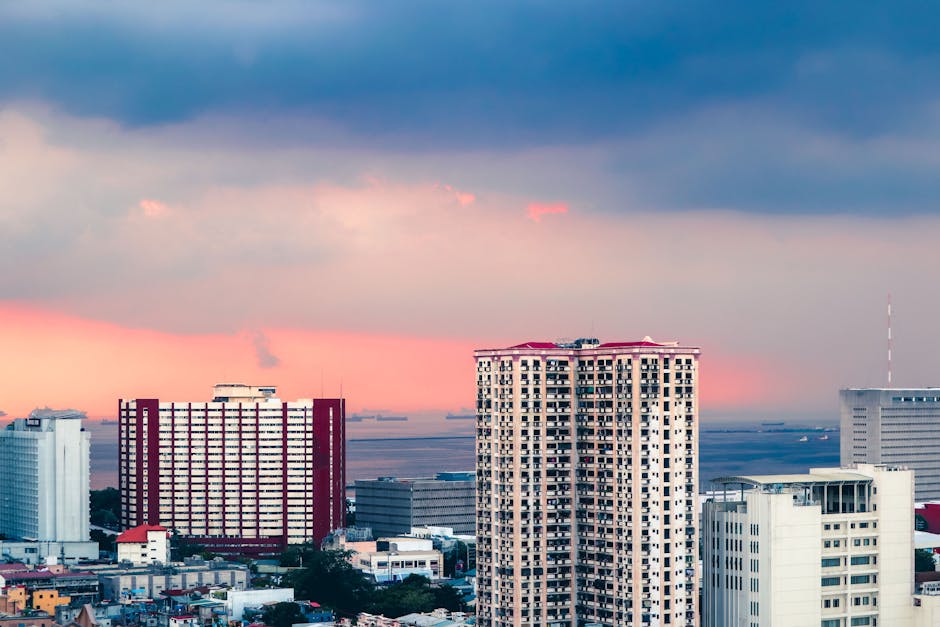
Climate-Resilient Skincare: Rethinking Beauty for Tropical Cities in Southeast Asia
As the climate crisis intensifies and Southeast Asia’s megacities surge in population and economic power, the region’s beauty and personal-care industry faces a pivotal reckoning. The intersection of relentless humidity, extreme UV exposure, and pollution—hallmarks of urban life in cities like Singapore, Bangkok, Jakarta, Manila, and Kuala Lumpur—has fundamentally transformed what it means to achieve and maintain healthy skin. Climate-resilient skincare has moved from a niche concern for the few into a strategic, data-driven imperative for every brand, investor, and professional shaping the future of beauty in this high-growth region.
The Humidity Factor: Why Tropical Cities Are the New Skincare Battlegrounds
Historical context: From imported solutions to local realities. For decades, Southeast Asian consumers navigated a market dominated by global brands and routines engineered for temperate or arid climates. Heavy creams, multi-step layering, and aggressive whitening regimes were the norm, built for winters and dry air far removed from the lived experience of the tropics.
The new normal: Now, as GrowthHQ and sector leaders point out, “In the heart of Southeast Asia… skincare is more than vanity. It is a battle for barrier health.” World Bank-backed climate data confirm more than 80% year-round humidity as standard. UV indices routinely hit “very high” or “extreme,” and every day brings a new assault of airborne particulates and city grime.
Market impact: The region’s unique stressors have catalyzed a profound evolution in consumer demand and product design. Skincare routines are being rearchitected for function, performance, and environmental defense—not just aesthetics.
Emerging Consumer Patterns: Data-Driven Shifts in Skincare Priorities
Hydration and sun protection: The new essentials. The 2023 Asian Women Index by Illuminate Asia—spanning over 1,500 consumers in Singapore, Bangkok, Jakarta, Kuala Lumpur, and Manila—reveals striking common ground. Moisturizers (58.9%) and sunscreens (58.5%) are the most used categories, followed closely by gentle cleansers (57%). By contrast, exfoliators and essences lag with less than 20% penetration.
Minimalist, breathable routines: Less is more. Instead of complex 10-step regimens borrowed from Korea or the West, tropical city dwellers are stripping routines back. As SSKINS notes in its Singapore-specific guide, routines are built on three to five key steps: gentle cleansing, lightweight hydration, antioxidant serums, and high-SPF sunscreen.
Barrier-first thinking emerges. The unifying thread? A move toward “barrier-first” care—protecting and repairing the skin’s natural defenses against continual environmental attack. Pollution and UV exposure are no longer afterthoughts, but drivers of daily decision-making.
Why Western Routines Fail: The Science Behind Structural Misalignment
Occlusive overload in endless humidity. Many global products—rich creams, petrolatum balms, and occlusive masks—were designed for “winter skin” or dry climates. In tropical cities where the air is saturated, these products do more harm than good. As GrowthHQ observes, “Occlusive creams… simply fail in their tropical reality.” Heavy layering traps heat and sebum, leading to breakouts, irritation, and poor skin feel.
Formulas must breathe. The new paradigm prioritizes oil-free, gel or water-based moisturizers; non-comedogenic, sweat-resistant sunscreens; and serums that deliver actives without a sticky finish. Pollution-resilience, antioxidant defense, and anti-inflammatory action are embedded from the start.
Building Blocks of a Climate-Resilient Routine
Sun protection as a non-negotiable foundation. Every expert and local brand positions sunscreen at the heart of tropical skincare. V10 Plus and SSKINS call for broad-spectrum, sweat- and humidity-resistant formulas, ideally with built-in antioxidant complexes to offset photo-aging and urban pollution.
Barrier-first hydration—without the occlusion. Hydrating gels and emulsions, enriched with humectants (like hyaluronic acid, glycerin) and barrier lipids (ceramides, cholesterol), are becoming mainstream. Anti-inflammatory botanicals such as Centella asiatica and panthenol address irritation and post-sun redness. For example, AURA Skin Lab’s Soothing Recovery Gel claims to resolve redness “40% faster than 1% hydrocortisone in humidity.”
Gentle, high-frequency cleansing. With constant sweat, oil, and pollution exposure, cleansing is a twice-daily ritual. Yet, harsh surfactants are out. The trend is toward pH ~5.5 gel cleansers with mild agents, sometimes paired with low-dose salicylic acid for acne-prone skin.
Mandatory antioxidants for urban defense. Vitamin C, vitamin E, green tea, and ferulic acid are no longer “nice to have.” They are now essential ingredients—protecting against free radicals from UV and pollution and engineered to remain stable in heat and humidity.
Responsive, modular routines that adapt to climate stressors. As environmental conditions shift daily—heatwaves, haze, air-conditioning vs. street-level pollution—routines become modular. Step up the barrier gels during haze days. Switch to extra antioxidant boosters during major pollution episodes. The focus: skin intelligence and adaptation.
Comparative Perspectives: Local Innovation vs. Imported Templates
Imported routines: A mismatch in philosophy. Western and even Korean/Japanese skincare brands long anchored their Southeast Asian strategy in global bestsellers—the heavy creams of winter, the “glow” of 10-step layering, the promise of aggressive whitening. But as the data show, these approaches falter in Southeast Asia’s relentless humidity.
Local leaders setting the agenda. Brands like AURA Skin Lab in Singapore and med-aesthetic chains like SSKINS have shifted the narrative: from surface-level aesthetics to functional, health-focused skin performance. Local brands speak in the language of “city-resilience,” “barrier recovery,” and measurable outcomes under tropical conditions.
Consumer behavior as the ultimate arbiter. The shift is not just top-down. As urban consumers grow more sophisticated, they demand products that fit their climate, their routines, and their lived experience. Simplification, proven performance in humidity, and gentle treatment are now deal-breakers for mass adoption.
Country-by-Country Playbook: Tailoring for Local Realities
Singapore: High Sophistication, High Climate Stress
Consumer insight: Well-educated, affluent, and information-hungry, Singaporean consumers drive demand for clinical-grade, minimalist solutions. According to SSKINS, routines gravitate toward gentle cleansing, hydrating toners, AM vitamin C serums, oil-free moisturizers, and high-SPF sunscreens. Nightly routines favor gentle exfoliation (1–2× per week) and barrier repair. Professional treatments—like oxygen and cryotherapy facials—are mainstream.
Strategic lever: Brands succeed by offering evidence-backed, barrier-first lines and by partnering with clinics or medi-spas. The market’s appetite for scientific claims, such as faster redness resolution in humidity, opens opportunities for results-driven marketing.
Bangkok & Manila: Pollution, Heat, and the Rise of the Middle Class
Climate challenge: Heat and haze episodes are constant. Consumers—often younger and social-media savvy—are interested in Korean/Japanese-inspired formats but expect local adaptation.
Key opportunities: According to Dewha and GrowthHQ, pollution-resilient, city-savvy routines—gentle cleansing, lightweight barrier gels, and daily sunscreen—are in demand. There is white-space for education-driven, barrier-centric brands offering clear, simple guidance. Price sensitivity is higher, so mass and masstige tiers must balance cost with performance.
Jakarta & Kuala Lumpur: Oiliness, Humidity, and Barrier Gentle Care
Consumer data: Illuminate Asia’s research highlights a strong focus on moisturizers and sunscreens, but a notable lag in exfoliator use (18%). Oily, acne-prone skin is common.
Brand strategy: The market is ripe for climate-tuned, non-comedogenic, gel-cream moisturizers and gentle niacinamide + salicylic acid blends for sebum and breakout control. Exfoliation, when introduced, must be positioned as “clarifying and soothing,” never harsh or stripping.
Pan-Regional Patterns
Minimalism rules: Across all cities, routines are built for time-efficiency, year-round consistency, and gentle touch. Heavy layering and drastic seasonal switches are absent. The opportunity is to align product design with these realities—one ambitious step at a time.
Portfolio and Product Design: From Global SKUs to Climate-First Platforms
Engineering for the environment. Traditional product briefs center on skin type or age. In tropical Southeast Asia, climate must come first: “Is this for humid, high-UV, high-pollution environments?” Only then do concerns like oiliness, pigmentation, or aging enter the calculus.
Flexible, modular portfolios. The recommended structure, drawn from expert consensus and real-world usage:
- Core daily essentials: pH 5.5 gentle gel cleanser, lightweight oil-free moisturizer, broad-spectrum sunscreen (SPF 30–50+), basic antioxidant serum.
- Climate stress boosters: Pollution-day antioxidant/anti-inflammatory serums, haze-day barrier gels/masks (featuring Centella, panthenol, ceramides), and heat-wave mists.
- Professional-linked offerings: Post-procedure barrier care, cryotherapy/oxygen-facial home kits, and in-clinic/homecare hybrids.
Concrete Product Directions: Models for Replication and Innovation
Cleansers: Mild, pH-balanced (≈5.5) gels with no harsh sulfates, suitable for twice-daily use. Optionally, low-dose salicylic acid or lactate for acne-prone users.
Moisturizers/Barrier gels: Gel or gel-cream, humectant-rich (HA, glycerin), with non-occlusive barrier lipids and anti-inflammatory agents (Centella, panthenol).
Serums: Stable vitamin C derivatives, vitamin E, ferulic acid, green tea, and niacinamide, all suspended in non-sticky, quick-absorbing bases.
Sunscreens: Broad-spectrum SPF 30–50+, humidity- and sweat-resistant, non-comedogenic, with antioxidants for added pollution defense.
Masks/treatments: Short-contact, non-occlusive sheets or gels loaded with Centella, madecassoside, peptides, and barrier lipids; designed for use after sun/pollution exposure or professional treatments.
Big Picture: What Sets Climate-Resilient Skincare Apart?
Quantifiable, environment-specific results. The bar has risen: brands are expected to demonstrate real-world efficacy—such as improved redness resolution vs. standard hydrocortisone, or TEWL reduction in high humidity—backed by clinical data collected in Southeast Asian climates.
Hyper-localization within a regional platform. While the “climate-resilient” ethos provides an overarching narrative, successful strategies tailor messaging, price, and channel approach city by city: clinical and premium in Singapore, education-focused and accessible in Bangkok/Manila, oil-control and gentle exfoliation-leading in Jakarta/KL.
“The age of generic, ‘one-size-fits-all’ beauty is giving way to systems engineered for real, lived environments—where barrier-first, breathable solutions are not luxury, but necessity.”
Implications for Brands, Investors, and Professionals: What Comes Next?
Winning the knowledge race with evidence and empathy. The fastest-growing brands will be those that combine scientific rigor with an understanding of local pain points—publishing humidity-proof efficacy stats, developing city-specific education platforms, and aligning marketing with the lived realities of Southeast Asian urbanites.
Functional beauty as the new status symbol. In a region where skin is continuously under environmental siege, radiant, resilient skin is no longer just a cosmetic achievement—it is a marker of health, performance, and self-mastery.
Emergence of new category leaders. As “climate-resilient” becomes a household phrase, expect new partnerships at the intersection of beauty, wellness, and urban health: collaborations with medi-spas, dermatology clinics, and even urban environmental agencies.
ESG and sustainability as essential context. Given the climate context, sustainability claims and local sourcing are no longer optional. Products that reduce pollution exposure, avoid occlusive petrochemicals, or sustainably source botanicals will have a further competitive edge.
Conclusion: Owning the “Climate-Resilient” Narrative—A Strategic Imperative
Tropical Southeast Asia’s cities are not just test beds but launchpads for a new era in beauty and wellness. The data is unambiguous: routines must be streamlined, products engineered for high humidity and extreme UV, and messaging laser-focused on barrier integrity and adaptive resilience. Global brands that fail to retool their portfolios for these realities will be left behind by a new generation of local innovators who understand what it means to build for the world’s most skin-stressed megacities.
The future belongs to those who treat climate not as a constraint, but as a catalyst for product excellence, market differentiation, and true consumer advocacy. Southeast Asia’s climate-resilient skincare revolution has only just begun—savvy brands and leaders should embrace its complexities, champion its innovations, and set new benchmarks for city-proof wellness worldwide.
For a deeper, country-by-country breakdown—including granular price tiers, channel strategy, and category roadmaps—targeted playbooks can be developed to support cross-functional teams and local market activation.