
Decoding Skincare Ingredient Lists For Singapore, Malaysia, Thailand, Indonesia, Philippines & Vietnam: The Ultimate Guide To Humidity-Friendly Beauty In Southeast Asia
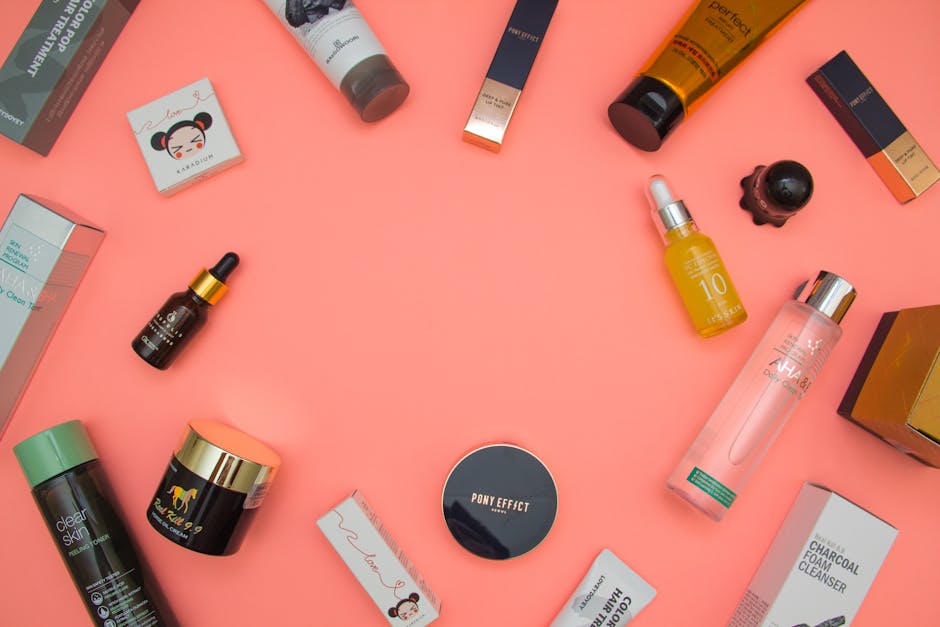
Decoding Skincare Ingredient Lists for Southeast Asian Humidity: From Marketing to Molecular Reality
For decades, the skincare industry has revolved around ingredient “miracles” and glossy marketing claims. But in the tropical cities of Southeast Asia—where humidity spikes to 90%, UV burns at 10+ indexes, and urban pollution is rampant—the gap between what’s promised and what’s delivered is more than just a cosmetic concern. Today, Singapore, Malaysia, Thailand, Indonesia, the Philippines, and Vietnam are not only bustling beauty markets; they’re ground zero for an ingredient-literacy revolution, as Gen Z, urban professionals, and tourists alike demand skin health solutions attuned to their climate realities. This exposé explores why decoding skincare ingredient lists is now a strategic imperative for brands, retailers, and regulators, and maps a forward-looking playbook for navigating the challenges and opportunities of tropical skincare formulation.
Understanding the Climate: Why Decoding Ingredients Matters in Southeast Asia
Living in the Tropics: The coastal metropolises of Southeast Asia—Singapore, Kuala Lumpur, Bangkok, Jakarta, Manila, Ho Chi Minh City—are defined by relentless heat and humidity. Relative humidity hovers between 70% and 90%; average annual temperatures rarely dip below 27°C. UV indices consistently register at “very high” to “extreme”. This backdrop creates a unique physiological cocktail: increased sweat, ramped-up sebum production, higher risks of clogged pores, folliculitis, malassezia-related (fungal) acne, pigmentation, and irritation.
Consumer Evolution: SEA buyers are no longer passive recipients of marketing. Ingredient-savvy urbanites routinely Google or app-scan INCI lists (the standardized International Nomenclature of Cosmetic Ingredients) before purchase. The V10Plus guide for Southeast Asia stresses the importance of “lightweight, water-based formulations” and warns against the pore-clogging risks of heavy, greasy products in this climate (V10Plus).
Business Implications: Brands failing to align ingredient logic with climate performance face higher return rates, negative digital word-of-mouth, and mounting scrutiny around regulatory compliance and greenwashing. In Southeast Asia, “humidity-friendly” isn’t a slogan—it’s a design constraint, with real-world repercussions.
Local Realities: Humidity-Specific Skin Concerns Across Southeast Asia
Singapore: With year-round humidity (~80%), severe UV exposure, and urban pollution, Singapore’s consumers demand minimalist routines, dermatological backing, and ingredient transparency.
Malaysia: Urban and coastal dynamics combine with religious (halal) compliance and a rising wave of locally branded “humidity-friendly” formulas built on Asian botanicals (Vexx Skincare).
Thailand: Tourism, high UV, and familiarity with whitening actives create a market for sunscreens, after-sun treatments, and plant-based pigmentation solutions.
Indonesia: The world’s fourth-largest population faces intense humidity, sun, and unique microclimates for hijab-wearers; oiliness, acne, and scalp health are top concerns.
Philippines: Dermatologists highlight the tendency for skin to be “much oilier” in hot weather (Dr. Mara), with storm-season acne flare-ups and sensitivity as common complaints.
Vietnam: Pollution, long humid seasons, and K-beauty influence drive demand for brightening and barrier-protecting actives.
Common Denominator: Oily-combo skin, congestion, high UV, pollution, and an ingrained cultural drive for even, bright skin. Slow-drying, occlusive formulas backfire, especially in daily wear.
The Anatomy of an INCI List: What Actually Matters in Humidity
Top 5–8 Ingredients: These constitute 80–95% of the formula, determining texture, feel, and climate compatibility. For SEA, prioritize water, lightweight humectants (glycerin, butylene glycol), fast-spreading emollients (C12-15 alkyl benzoate, isoamyl laurate), and low-occlusive silicones in moderation.
Functional Actives (0.5–5%): Niacinamide, vitamin C derivatives, salicylic acid, azelaic acid, ceramides, panthenol. In SEA, focus on anti-inflammatory and pigment-modulating actives.
Preservatives & Fragrances (<1%): While often overlooked, these can trigger dermatitis or barrier compromise, especially in humid, polluted environments.
Total System Perspective: The interplay between humectant, emollient, occlusive, and film-former ingredients determines stickiness, pilling, sweat-resistance, and pore occlusion potential.
Actionable Insight: Brands must internally triage ingredient lists—extract top 8, categorize by function, and score for occlusion and wash-off resistance—rather than relying on “non-sticky” marketing claims.
Winning Ingredients: Classes That Thrive in Southeast Asian Humidity
Lightweight Humectants: Skin needs hydration, but ambient moisture is already high. Glycerin remains a gold standard. Butylene glycol, pentylene glycol, and propanediol provide hydration without tackiness. Low-percent hyaluronic acid (with blended molecular weights) avoids a sticky finish.
Fast-Spreading Emollients & Esters: Caprylic/capric triglyceride, C12-15 alkyl benzoate, isoamyl laurate, and squalane (especially sugar-cane derived) deliver barrier support without clogging pores.
Smart Silicones & Film-Formers: Volatile silicones like cyclopentasiloxane evaporate after spreading, leaving a smooth, breathable layer. Dimethicone at low percentages offers slip and protection with minimal occlusion.
Oil-Control & Mattifying Actives: Niacinamide is a star; it regulates sebum, improves barrier, and reduces post-inflammatory hyperpigmentation. Salicylic acid is crucial for pore clearing, especially in cleansers and spot treatments. Clays and zinc PCA provide additional oil control.
Barrier & Soothing Agents: Ceramides, cholesterol, and fatty acids replenish lipids. Panthenol, allantoin, beta-glucan soothe environmental stress. Centella asiatica (madecassoside) is a mainstay, calming irritation and supporting PIH management.
Antioxidants: Vitamin C, vitamin E, ferulic acid, green tea extract, and plant polyphenols counteract UV and pollution-induced oxidative stress (V10Plus).
Sunscreen Filters & Vehicles: Modern filters (Tinosorb S, Uvinul A Plus, Uvinul T 150) outperform old-school oxybenzone/octinoxate, which also pose reef-safety issues. Vehicle matters—gel creams, fluid milks, and “dry-touch” finishes excel in sweat-rich environments. Tourism pushes demand for reef-safe formulations (Benable).
Red Flags: Ingredient Classes That Fail in SEA Humidity
Heavy Occlusives in Day Products: Petrolatum, mineral oil, lanolin, and thick butters (shea, cocoa) suffocate the skin and magnify perceived greasiness. While useful for night repair or damaged skin, they’re a liability in 80–90% humidity (V10Plus).
High-Fragrance & Irritant Loads: Fragrance and certain essential oils heighten dermatitis risks and can interact with UV to cause photosensitization. Sensitive-skin segments increasingly favor fragrance-free or “barely there” formulas.
Aggressive Exfoliation Systems: High-dose AHAs (glycolic/lactic >10%) accelerate barrier damage and pigmentation, especially when combined with sun and pollution. SEA dermatologists advocate for gentle, intermittent exfoliation and strict SPF compliance.
Highly Comedogenic Oils: Coconut oil, wheat germ oil, and other long-chain triglycerides in high percentages are risky for daily leave-on products in humid, oily-skin markets. They’re best reserved for wash-off or targeted treatments.
Regulatory Realities: ASEAN, EU, and US Frameworks
ASEAN Cosmetic Directive (ACD): The six SEA core markets operate under the harmonized ACD framework (see Singapore HSA), requiring INCI names, restricted ingredient lists, and substantiated claims. A single safety dossier often covers the region with cultural and marketing adaptation as needed.
EU & US Standards: Many SEA brands export or white-label; EU’s CosIng database and US FDA guidelines serve as default “safety baselines”. See EU CosIng and US FDA Cosmetics for regulatory status and approval.
Strategic Takeaway: Compliance checks should begin with EU/ASEAN frameworks—these cover the majority of SEA’s regulatory expectations and establish trust for both business-to-business and consumer segments.
The Ingredient-Literacy Revolution: Behavior and Tools
Rise of Ingredient Literacy: Contemporary guides, dermatologist videos, and island-travel lists emphasize ingredients (AHAs, BHAs, niacinamide, salicylic acid, antioxidants), not just brands. Ingredient-led searches—“niacinamide serum”, “salicylic acid toner”—have spiked across SEA e-commerce.
Decoding Tools in Practice: While there’s no SEA-exclusive ingredient analyzer, several global tools are widely used: INCI Decoder (consumer-friendly, functional explanations), Skincarisma (acne-prone & fungal acne flags), CosDNA (popular in Asian beauty), and EWG Skin Deep (hazard scoring, often conservative). SEA buyers cross-check ingredients—if “humidity-friendly” claims conflict with tool assessments (comedogenic, irritant-heavy), trust erodes.
Comparative Perspectives: Local Nuances and Global Trends
Old Paradigm vs. New Reality: In legacy markets, “moisturizing” often meant richer, occlusive formulas—petrolatum, shea butter, lanolin. In SEA, these very ingredients are liabilities in daily wear. The global trend toward ingredient transparency is amplified by the region’s climate; what works in London or Seoul may not survive in Jakarta or Manila.
Divergent Needs by Market: Singapore and Malaysia prioritize scientific validation and dermatologist input; Thailand and Vietnam blend modern actives with botanicals and spotlight brightening; Indonesia and the Philippines emphasize oil-control, acne safety, halal/reef safety, and price accessibility. These variations are critical for brands seeking regional scale.
Tools and Trust: Digitally mature SEA markets expect self-serve ingredient breakdowns. Retailers embedding ingredient-based filters, comparisons, and explanations within shopping platforms are rewarded with higher loyalty and reduced churn.
Actionable Playbook: From Formulation to Retail Execution
Climate-Correct Formulations: Create lighter, gel-cream versions of hero SKUs for SEA. Preserve star actives (niacinamide, vitamin C) but recalibrate vehicles for sweat compatibility and minimal occlusion.
Routine Design: Day routines should feature gentle, pH-balanced foaming cleansers (as recommended by Dr. Mara), lightweight antioxidant/serum combos, gel-cream moisturizers, and sweat-tolerant, dry-touch SPFs.
Education and Transparency: Front-of-pack clarity (“non-comedogenic”, “tested in 80% humidity”, “pH-balanced”), back-of-pack ingredient breakdowns via QR codes or digital touchpoints, and explanations for controversial ingredients (silicones, mineral oil, chemical filters). For tourism-heavy markets, label reef-friendly formulations clearly.
Localized Messaging: Singapore/Malaysia—science and humidity testing. Thailand/Vietnam—botanical and brightening focus. Indonesia/Philippines—oil-control, halal, reef safety, affordability.
Retail and E-Commerce Innovation: Enable “climate filter” or “humidity-friendly” sorting on platforms. Provide ingredient-based comparison tools to keep shoppers engaged and informed.
Data-Driven Decisions: Track returns and reviews referencing “too sticky”, “too greasy”, “broke me out” in SEA transactions. A/B test humidity-tailored vs. generic formulations for repurchase and net promoter scores.
Recommended Decoding Tools and Reference Links
Consumer Analyzers: INCI Decoder, Skincarisma, CosDNA, EWG Skin Deep.
Professional References: EU CosIng, ASEAN Cosmetic Directive (via Singapore HSA), US FDA Cosmetics.
Climate-Specific Guidance: V10Plus Skincare Guide, Dr. Mara’s Rulebook, Benable Island Travel Skincare, iShopChangi Humid Climate Curation.
“Brands that treat ‘hot and humid’ as a core design constraint—not a retrofitted marketing slogan—will lead in Singapore, Malaysia, Thailand, Indonesia, Philippines and Vietnam over the next product cycle.”
Looking Ahead: Future Trajectory and Strategic Importance
The Ingredient Decoding Imperative: Southeast Asia’s beauty landscape is no longer an appendix to global trends—it is a laboratory for climate-smart innovation, ingredient literacy, and regulatory harmonization. As digital tools democratize access, consumer expectations rise: every claim, every INCI list, every retail filter is scrutinized for compatibility with tropical realities.
Strategic Outlook: The next wave of winners will be those who design with sweat, sun, and sebum in mind—leveraging lightweight vehicles, oil-control actives, and transparent education. Portfolio segmentation, regulatory alignment, and ingredient storytelling are not optional. They are essential for retention and growth.
Final Opinion: Brands must move beyond “tropical-friendly” marketing to invest in true climate-centric R&D, regulatory mastery, and consumer-facing ingredient literacy. In a region where skin health is both a personal and cultural priority, the ability to decode—and deliver—on ingredient logic will define the future of beauty retail in Southeast Asia.