
Digital-First Skincare In Southeast Asia: Routine-Ready Playbooks And Growth Strategies For Brands In Indonesia, Malaysia, Thailand, Vietnam, And Singapore
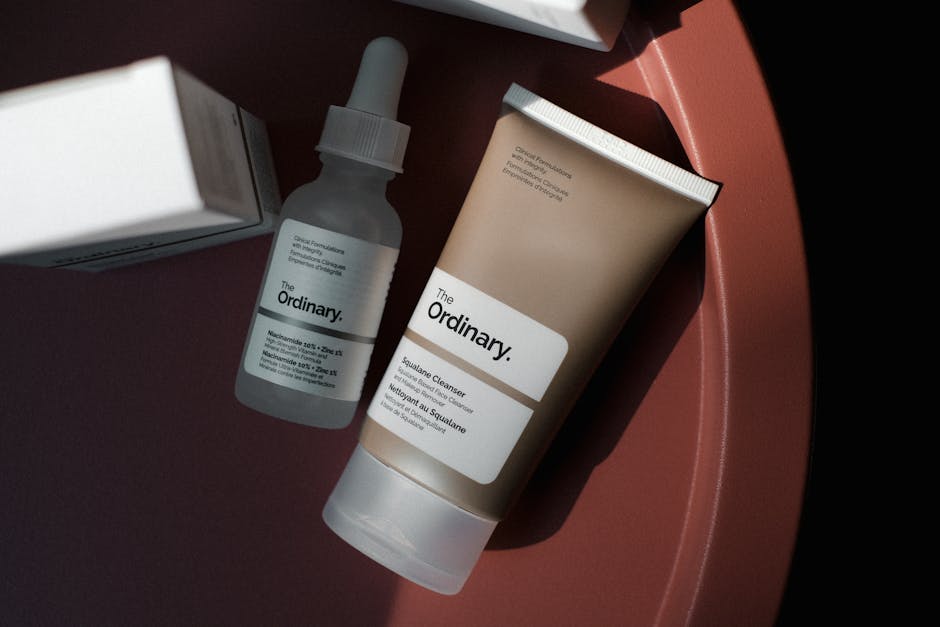
The Race for Routine: How Southeast Asian Skincare Brands Can Win the Digital-First Era
In Southeast Asia, the beauty and skincare industry is undergoing a profound transformation. What was once a category built on legacy offline retail—pressed powder compacts behind glass counters, word-of-mouth recommendations, and beauty advisors in department stores—has rapidly become a competitive digital battleground. From Jakarta to Ho Chi Minh City, Bangkok to Kuala Lumpur, the region’s surging youth population, increasing disposable income, and fervent embrace of e-commerce and social platforms have thrown open the gates to new challengers and disrupted the old order.
But as the likes of China’s Skintific and Korea’s K-Beauty giants seize market share with slick routines and deep digital mastery, a question emerges: Are homegrown Southeast Asian brands ready to reinvent themselves—not just to sell products, but to embed themselves as must-have, daily rituals in consumers’ lives? This is the strategic question at the heart of the region’s beauty revolution.
Setting the Stage: SEA’s Beauty Boom and the Rise of Digital Commerce
Unprecedented Growth Outpacing the Economy
According to KR-Asia, beauty and skincare in Southeast Asia are expanding at a pace that far exceeds overall economic growth, propelled by rising disposable incomes and a youth-skewed demographic: Indonesia’s median age hovers around 30, Vietnam’s around 32, and the Philippines, an astounding 25. These “digital natives”—always-on, ever-scrolling—are driving demand for hyper-personalized, socially-validated beauty experiences.
The Digital Pivot: From Marketplace to Mobile, Social, and Live
E-commerce penetration is already formidable: Euromonitor data shows nearly one-third of all beauty sales in Asia-Pacific now flow through digital channels. Social and e-commerce platforms together account for approximately 20% of category sales regionally, per Flywheel. The growth is turbocharged by a unique blend of mobile-first culture, influencer-driven trial, and super-app convenience, with Shopee and Lazada taking the lion’s share in SEA and TikTok Shop emerging as a critical conversion lever for beauty brands.
Cross-Border Commerce and the New Wave of Competition
The market’s rapid maturation is a magnet for international challengers: Skintific, a Chinese brand disguising itself with local flavor, racked up over RMB 800 million (US$114 million) in Southeast Asian sales within just two years, ranking third among skincare players on Shopee and Lazada across the region. Meanwhile, some SEA beauty sub-categories are witnessing export value increases of over 500% year-on-year, according to Alibaba. With Chinese and Korean brands moving aggressively, the stakes for local brands have never been higher.
From Product Launches to “Routine-Ready” Ecosystems
Why One-Off Virality Isn’t Enough
The viral euphoria of a TikTok-hit serum or a flash-sale cleanser is fleeting. True loyalty—and sustainable market share—now comes from something bigger: integrating brands into the fabric of consumers’ daily lives, transforming single transactions into enduring routines. The analogy? The “daily coffee habit” engineered by app-first F&B brands like ZUS Coffee in Malaysia, whose digital ecosystem is less about beverages than it is about orchestrating ritual, consistency, and personal reward.
Lessons in Habit-Formation from ZUS Coffee
ZUS Coffee’s success offers an instructive blueprint for beauty:
- App-anchored engagement: The ZUS app is the hub for discovery, ordering, and rewards.
- Routine-centric design: Offers and “streaks” are centered on habitual consumption, not sporadic purchases.
- Gamified loyalty: Points and status unlock perks for repeat, not just volume.
- Experimentation: Quick rollouts of localized flavors—mirrored, in skincare, as region-relevant regimens or ingredient hero stories.
Case Studies: Playbooks from the Region’s New Champions
Skintific: The Art of “Local-Looking” Disruption
What sets Skintific apart is not just its sales velocity, but its method. Owned by a Chinese corporation, the brand purposely cultivated an Indonesian-inspired persona while deploying a hyper-localized digital strategy. It invested heavily in TikTok and Instagram content marketing, flooding feeds with product trials by local beauty bloggers and micro-influencers. It achieved “Sales Champion” status on both Shopee and TikTok Shop, and by 2024 had become the third-best selling skincare brand on top regional marketplaces, outmaneuvering legacy players with decades of offline presence.
Key takeaway: A data-driven, digitally native operator can leapfrog to top-three market share in under 24 months by mastering marketplace mechanics, building an influencer flywheel, and localizing both narrative and content at speed.
Proya: Storytelling for Emotional Resonance
China’s Proya, as chronicled by Flywheel, moved away from perfunctory celebrity endorsements to “everyday” storytelling—the “Lion Dancing Girl” campaign for Women’s Day and “Only Mothers Can See” for Mother’s Day were viral because they were authentic. These purpose-driven stories delivered a 35% year-on-year sales jump and cemented Proya’s community gravitas.
K-Beauty and the Localization of Global Success
Korean brands continue their regional expansion, with Shopee reporting a 191% spike in K-Beauty orders in Southeast Asia in 2024, per GLEADS. Their formula? Innovative ingredients, strong national branding, and systematic social media engagement. Parallel to this, local brands like Vietnam’s Cocoon and Thailand’s Panpuri are leveraging local ingredient stories and national pride, positioning themselves as authentic alternatives with global ambition.
Malaysian Brands on Xiaohongshu: The “Education-First” Infiltration
As described in Hashmeta’s case study, Malaysian natural brands entering China’s hyper-competitive digital market built credibility not with brute-force advertising, but through a two-phase strategy: content educating users about unique tropical ingredients, followed by a cascade of authentic influencer reviews. This “slow burn” created trust in a market saturated with established Korean and Japanese names.
Emerging Patterns: The New Competitive Playbook
Platform Power: E-Commerce, Social, and Live Streaming as the “Digital Shelf”
Across the region, the overwhelming evidence is that digital shelf—not offline stores—is the new primary battleground. TikTok Shop and Shopee Live are not mere experiment zones; they are the growth engines. Market data show beauty as a top-performing TikTok Shop category, and Skintific’s ascendancy owes much to its mastery of these channels.
Localized Storytelling and Ingredient Authenticity
The path to differentiation is increasingly paved with stories of local ingredients—Vietnam’s lotus and coffee, Malaysia’s coconut and pandan, Indonesia’s rice bran and botanical blends. Brands that anchor routines in national identity or environmental consciousness (as Cocoon does) cultivate emotional resonance that imported competitors struggle to replicate, especially when combined with visible social proof from local users.
Routine Bundling and Ritualization
Instead of competing SKU by SKU, the winning play is to own the routine. This means curating bundled solutions mapped to need-states—“Anti-Acne Study Routine,” “Pollution Shield for Commuters,” or “Hijab-Friendly Oil Control”—and guiding users through education, app-based tracking, and reward-driven adherence.
A Comparative Perspective: How Strategies Diverge by Market
Indonesia
With SEA’s largest and youngest population, Indonesia is a testing ground for new digital tactics. TikTok, Shopee Live, and influencer-led challenges (“Get ready with me” or “7-day transformation”) resonate especially well. Content must localize further—think routines tailored for Jakarta’s pollution or Muslim-friendly regimens for hijabi consumers.
Malaysia
Here, consumers are digitally sophisticated and amenable to app-driven daily habits—ZUS Coffee’s playbook demonstrates this. Brands that package routines emphasizing “halal assurance” and skin safety, and that digitally gamify adherence through apps or WhatsApp bots, can win share and loyalty.
Thailand
The market is mature, with entrenched local and Korean competition. Routines that incorporate “spa-like” or sensorial elements, promoted in partnership with dermatologists or wellness KOLs, can cut through the noise.
Vietnam
National pride in local ingredients is surging. Beauty routines branded around Vietnamese botanicals (lotus, green tea, coffee) and tuned to seasonal shifts enjoy strong traction.
Singapore
A small but influential testbed, Singapore’s consumers gravitate toward premium and advanced digital features. Here, AI-powered diagnostic tools and AR try-ons can reposition otherwise regional brands as cutting-edge, signaling aspiration across the region.
Real-World Implications: Operationalizing Routine-First Strategies
Reframing Offerings from Products to Solutions
Brands must shift from pushing solo SKUs to delivering holistic outcome-based routines. This means bundling bestselling products into AM/PM regimens, offering starter kits (7, 14, 30-day trials), and providing just-in-time nudges through apps or chatbots.
Owning the Digital Interface
Building an owned mobile app or at least a progressive web app (PWA) enables control of the routine journey—diagnostics, education, refill reminders, subscription management, and gamified loyalty. For many brands, lightweight bots on WhatsApp or LINE can serve as bridge solutions.
Gamifying Consistency and Adherence
Reward systems should incentivize not simply purchase, but routine adherence: daily check-ins, progress photos, or user-generated “before and after” stories. Early access, exclusive content, and mini SKUs can drive stickiness. This mirrors how ZUS Coffee uses streaks and status, but adapted for skincare.
Optimizing on Marketplaces as Data-Driven Battlegrounds
With up to a third of sales running through Shopee and Lazada, brands must treat these platforms as live laboratories. Product titles and bundles should directly reflect routine steps (“Step 1: Cleanse”), and video demos, Q&A sections, and structured reviews (including skin type and goal) move the needle on conversion and feedback loops.
Innovative Practices: Tactical Shifts Driving Value
Micro- and Macro-Influencer Strategies
As the Malaysian Xiaohongshu case underscores, credibility often comes from micro-influencers with tight niche segments—acne care, sensitive skin, hijabi audiences—supplemented by macro voices for broader reach. Allowing creative freedom, but with brand-aligned narrative anchors, fosters authenticity and engagement.
Routine Challenges and “Live” Education
Live streaming is not just for launch events; “routine challenges” anchored on TikTok Shop—“7-Day Barrier Repair,” “Night Reset Clinic”—drive not only sales but routine adoption. Immediate purchase bundles, interactive Q&A, and “join our challenge” gamification (with digital rewards) turn engagement into ongoing habit.
Localization Through Purpose and Ingredient Storytelling
In every market, brands that tie hero ingredients to science, tradition, and local context—supported by emotionally resonant campaigns (Proya’s “Only Mothers Can See”)—command premium, loyalty, and social virality.
Risks on the Horizon—and How to Navigate Them
Platform Volatility and Regulatory Uncertainty
With potential regulatory pressures on key platforms (e.g., TikTok Shop), brands should build omni-channel flexibility and ensure educational content is portable and not platform-dependent.
Commoditization and “Me-Too” Fatigue
The proliferation of brands with near-identical actives and claims means that values, narrative, and ritual design—proprietary protocols, timing, and community validation—become critical to differentiation.
Influencer Saturation and Trust Deficit
With authenticity concerns mounting, balanced influencer portfolios and education-first strategies (as in the Malaysian Xiaohongshu playbook) are essential.
The next era of Southeast Asian skincare will be won not by those who sell the most units, but by those who design, own, and orchestrate the daily rituals—and digital interfaces—of tomorrow’s consumers.
Comparative Insights: Diverging Pathways to Digital Beauty Leadership
SEA Brands vs. Foreign Challengers
While Chinese and Korean brands leverage operational scale and content excellence, SEA-origin brands hold unique advantages: ingredient authenticity, local cultural nuance, and the ability to rapidly shape narratives that feel “of the place.” However, foreign brands have shown that disciplined, data-driven digital execution can quickly erode these advantages—unless local incumbents reinvest in tech stacks, routine design, and cross-border vision.
The App-First “Routine Stack” Model vs. Traditional Marketplaces
New entrants (and a few bold incumbents) are experimenting with proprietary mobile apps, diagnostic tools, and gamified adherence, while others continue to invest primarily in Shopee, Lazada, and TikTok Shop optimization. The most future-proof approach blends the two: market-wide availability with a deep, brand-owned interface that fosters direct relationships and higher LTV.
Localization Strategies: Ingredient, Identity, and Platform Mix
The tension: Should brands double down on hyper-local ingredient storytelling and cultural resonance, or should they pivot to “global citizen” routines that travel easily across ASEAN’s porous digital borders? The best performers are doing both—tailoring routines locally, but investing in story and design frameworks that can scale regionally and even export to China and beyond, as Panpuri and Malaysian brands demonstrate.
Roadmap for Decision-Makers: From Audit to Expansion
Phase 1 (0–3 months): Diagnostic and Routine Architecture
- Map core SKUs to routine outcomes (e.g., acne, brightening, hydration, sensitive).
- Identify gaps for a coherent “flagship” routine portfolio per market.
- Curate content, platform mix, and initial bundle pricing.
- Launch quiz-driven routine finders (web/PWA), localized by language and culture.
- Implement gamified tracking via app, PWA, or messaging bots.
- Kickstart micro-KOL pilots and routine-education live events.
- Deploy or enhance full-feature mobile apps in high-value markets (Indonesia, Malaysia first).
- Roll out routine-based subscriptions with refill perks and tiered loyalty.
- Initiate cross-border exports leveraging Alibaba and similar platforms for regulatory compliance and data insights.
Conclusion: The Strategic Imperative for Skincare Leaders
The verdict is clear: Southeast Asia’s beauty market is no longer defined by product launches and short-term virality, but by the creation of digitally enabled rituals that harmonize brand value, personalized education, and community validation. The cases of Skintific, Proya, and K-Beauty’s surge demonstrate that digital fluency—when coupled with local narrative and ingredient authenticity—is a powerful engine for leapfrogging legacy competition.
SEA brands now stand at a crossroads. They can choose to master the art of “routine design,” building their own app-driven, community-powered ecosystems—or risk being relegated to the role of supplier brands in marketplaces dominated by foreign routine architects. The next three to five years will cement the winners, with those investing in digital-first, routine-ready strategies reaping exponential rewards.
The future belongs to Southeast Asian skincare brands bold enough to own not just the digital shelf, but the daily habits and aspirations of a new generation. This is no longer about being “present” online—it’s about redefining what it means to be an irreplaceable part of everyday life.