
Digital Innovation Brewing Success: How Southeast Asian Cafés Drive Hyperlocal Customer Engagement In 2024
Digital Innovation and Hyperlocal Engagement: The Transformation of Southeast Asia’s Café Landscape
Step into the sensory bustle of a Southeast Asian café today, and you’ll discover more than the aroma of single-origin beans or the gentle hum of conversation; you’ll find a sector in the throes of digital reinvention. Traditionally, these cafés have been sanctuaries of culinary heritage and neighborhood connection, their walls steeped in stories and shared moments. Yet as the region’s market surges—projected to reach a remarkable US$8.2 billion in 2023, expanding at 7.83% annually—the once-familiar rhythms are evolving rapidly. In this exposé, we uncover how digital innovation is not just reshaping operational efficiency or customer-facing tech, but fundamentally redefining what it means to engage “hyperlocally” in the Southeast Asian café scene.
The Rise of the Digital Café: From Tradition to Technology
Historical Roots and Modern Acceleration: Southeast Asia’s cafés have long thrived as more than retail spaces—they’re gathering spots for ideas, activism, and social cohesion. Yet, as global influences and tech-savvy demographics converge, a new digital narrative is taking hold. Traditional values, such as hospitality and authenticity, increasingly mingle with data-driven customer insights and AI-enhanced service.
Pace of Change: According to sector analysis, the café market’s unprecedented growth is tethered to its willingness to blend time-honored practices with bold innovation. Recent reports point to significant advances in digital ordering, mobile loyalty programs, and the growing importance of sustainability messaging in consumer decision-making (Thaifex HoReCa).
Patterns of Digital Engagement: How Tech Is Changing the Café Experience
Embracing AI for Personalization: One transformative trend is the use of artificial intelligence to tailor recommendations, predict local taste trends, and streamline the ordering process. With 45% of APAC consumers now using AI tools for shopping decisions, Southeast Asian cafés are leveraging predictive analytics to craft hyperlocal menus and targeted promotions.
Localization and Ethical Sourcing Storytelling: Digital menus increasingly highlight origin stories—whether coffee is ethically sourced from Vietnamese highlands or grown according to regenerative practices in Indonesia. This transparency, delivered through QR codes and augmented reality cards, gives customers both a narrative and a sense of impact in their choices (World Coffee Portal).
Mobile Engagement and Community: Mobile loyalty apps are fast becoming standard in high-growth urban centers. These platforms offer location-based specials, push notifications about local events, and rewards for engaging with sustainability or community initiatives, fostering digital communities that mirror the hyperlocal feel of the cafés themselves.
Tactical Shifts: From One-Size-Fits-All to Hyperlocal Precision
Micro-Market Targeting: Where once regional campaigns sufficed, today’s digital strategies break down by neighborhood and even block. Geographic information systems (GIS) are used to identify local preferences—whether a penchant for coconut-infused drinks in Manila or a surge in plant-based orders in Singapore’s Bugis district.
AI-Driven Feedback Loops: AI-powered chatbots and sentiment analysis tools transform customer feedback into actionable business intelligence. Cafés respond not only to what customers eat or drink, but also to how they feel and what they value, rapidly iterating offerings to remain hyper-relevant.
Sustainability and Waste-Reduction Initiatives: Sustainability is a core concern, not just as a marketing tool but as a differentiator. Digital solutions that track and share sustainability metrics—such as carbon footprint calculators or zero-waste inventory dashboards—are gaining traction, reflecting both consumer demand and new regulatory pressures across the region (Food Navigator Asia).
Comparative Perspectives: Newcomers vs. Industry Veterans
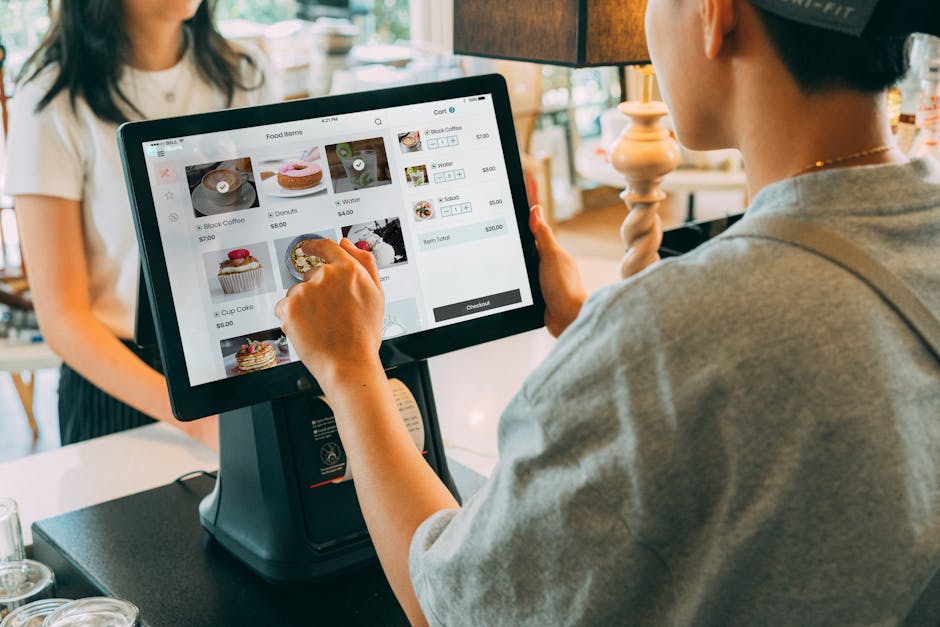
Established Chains and Legacy Adaptation: For legacy players, digital innovation is often about integrating new platforms with existing systems—think comprehensive point-of-sale upgrades, staff retraining, and loyalty program overhauls. The focus tends to be on operational efficiency and brand consistency across multiple markets.
Independent and Emerging Brands: In contrast, independent cafés and recent entrants typically use digital tools to experiment rapidly, create hyper-niche offerings, and build cult local followings. They may lack the resources for large-scale tech investments, but their agility enables fast pivots, customized campaigns, and collaborative initiatives with local artists or agricultural cooperatives.
The Startup Effect: The region’s tech startup ecosystem, particularly in Singapore, Jakarta, and Ho Chi Minh City, is catalyzing new models—such as pop-up virtual cafés, influencer-driven menu collaborations, and live-streamed barista competitions—that blur the line between online and offline engagement.
Storytelling in the Digital Age: Real-World Implications
Redefining “Local” Through Data: For many Southeast Asian consumers, local authenticity is shifting from proximity to experience. Digital platforms analyze preferences and purchasing patterns to deliver bespoke experiences, whether that means offering time-limited regional specialties or customized sustainability challenges.
Economic Uplift and Market Access: By connecting farmers, roasters, and baristas through transparent supply chains and digital storytelling, cafés are expanding economic opportunities for rural producers and fostering a deeper sense of community ownership.
Risks of Digital Divide: However, the benefits of digital innovation are not evenly distributed. Urban-centric rollouts risk sidelining rural economies and older demographics less comfortable with technology, making strategic inclusion and digital literacy efforts essential for truly “hyperlocal” engagement.
Key Insights and Forward-Looking Principles
“The Southeast Asian café is no longer just a place—it is a platform for continuous innovation and connectedness, where technology, tradition, and community intertwine to redefine what it means to be ‘local’ in a digital era.”
Opportunities and Challenges on the Horizon
Tech as a Differentiator: As digital engagement becomes the baseline, true competitive advantage will lie not in the technology itself but in how it is localized, personalized, and made meaningful.
Regulatory and Sustainability Pressures: Governments are expected to intensify regulations on food safety, data governance, and environmental impact. Forward-thinking cafés are embedding compliance into their digital strategies and leveraging transparency as a trust-building tool.
The Human Connection: Amid all the technological transformation, the most resilient cafés will be those that use digital tools to amplify—not replace—their human touch, ensuring that every customer feels seen, heard, and valued, whether online or in-person.
Conclusion: The Strategic Imperative for Southeast Asian Cafés
As Southeast Asia’s café market continues its rapid ascent, digital innovation is emerging not just as an operational lever, but as the fabric that weaves together sustainability, hyperlocal relevance, and authentic customer relationships. The next several years will determine which market players are able to translate data and digital platforms into lasting cultural capital, driving not only profits but positive social change. For café owners, marketers, and ecosystem partners, the mandate is clear: Embrace digital as both tool and ethos, ensuring that every technological advance deepens—not dilutes—the spirit of local community. Those who rise to this challenge will not merely survive the digital wave; they will define the future of Southeast Asia’s café culture.
For deeper insights, market dynamics, and regional specifics, we invite readers to explore ongoing analyses by Thaifex HoReCa, World Coffee Portal, and Food Navigator Asia.