
Driving Sustainable Growth: Starbucks Ethical Sourcing And Expansion Strategies Across Latin America
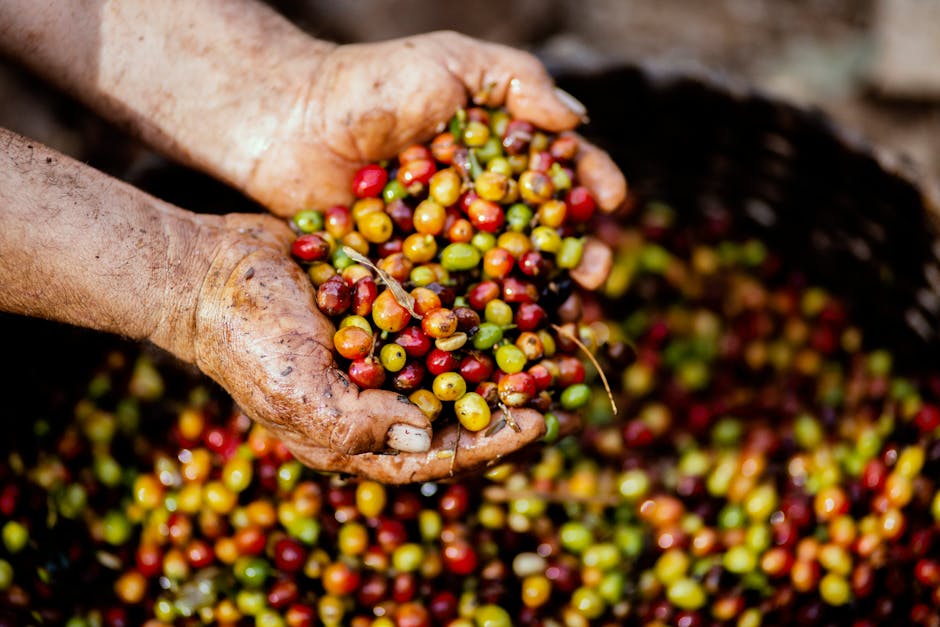
Sowing Responsibility: Starbucks, Sustainability, and the Transformative Power of Coffee Retail in Latin America
In the heart of Latin America, coffee is far more than a beverage—it is a culture, a livelihood, and increasingly, a litmus test for corporate responsibility. As global coffee demand surges, titans like Starbucks stand at a crossroad: their sourcing decisions echo through rainforests, rural communities, and bustling city blocks. This article explores not only the historical entanglement of coffee retail in Latin America but also the mounting pressure—ethical, environmental, and competitive—for Starbucks and its peers to redefine what “sustainable growth” really means. Through an exposé lens, we uncover the patterns, challenges, and opportunities facing decision makers in this vibrant region, while offering actionable insights grounded in sector realities and emerging innovations.
Grounds for Change: The Historical Context and Evolving Market Landscape
Coffee’s Colonial Legacy and Modern-Day Reverberations
For centuries, Latin America has supplied the world with its most treasured beans. From Brazil’s sprawling plantations to Colombia’s mountainous fincas and Mexico’s shade-grown micro-lots, the industry’s growth has shaped local economies and global supply chains. Yet, legacy systems—characterized by volatile farm-gate pricing, limited access to credit, and environmental degradation—have endured.
A New Era of Consumer and Investor Scrutiny
As sustainability climbed the public agenda, influential buyers like Starbucks faced heightened expectations. Consumer awareness of issues such as deforestation, water scarcity, labor conditions, and fair pricing has transformed ethical sourcing from niche concern to boardroom imperative. The business case for sustainability has become inseparable from reputational risk, regulatory exposure, and long-term growth prospects.
Starbucks’ green initiatives in Latin American stores illustrate the sector’s strategic pivot. With each expansion—such as the 2023 drive-thru growth across Central America—comes renewed pressure to address the downstream impacts of every cup sold.
Emerging Patterns: Ethical Sourcing and Sustainability Levers in Latin American Coffee Retail
Innovative Practices in Farmer Support and Resilience
Starbucks’ sustainability approach prioritizes partnerships that bolster economic resilience for producers. Programs deploy technical training, direct support for climate-adaptive agriculture, and investment in local infrastructure. According to recent reporting, Starbucks Mexico City expanded direct farmer support, targeting improved productivity and income stability for thousands of smallholders.
Deforestation, Land-Use, and Climate Accountability
Deforestation remains one of the thorniest issues. The expansion of coffee-growing areas—often at the expense of biodiverse forests—poses a direct threat to ecosystem health. Strategic shifts toward verification models, including Rainforest Alliance and C.A.F.E. Practices, are increasingly standard but not without limitations. Starbucks often touts its commitment to mitigating land-use risk, yet regional implementation varies. Scope 3 greenhouse gas emissions—those linked to farming operations and transport—are now under greater scrutiny, with key hotspots emerging across Brazil and Central America.
Water Scarcity and Environmental Stewardship
Water stress is acute in many Latin American coffee regions. Sustainability initiatives have responded with water-saving irrigation techniques, waste management protocols, and investment in local natural resource stewardship. Yet, the scale of change lags behind what climate projections demand.
Tactical Shifts: Targets, KPIs, and Verification in Action
From Intent to Measurement—The KPI Evolution
Data-driven decision making underpins modern sustainability strategies. Coffee retailers now track metrics such as percentage of verified/ethically sourced coffee, average farm-gate price compared to global commodity benchmarks, and greenhouse gas footprints by origin country. Starbucks, for instance, publicly reports sourcing percentages and progress on farmer support targets, though granularity—and independent verification—remains a work in progress.
Certification and Disclosure—Partnerships or PR?
Certification—Rainforest Alliance, Fairtrade, and others—offers both credibility and strategic value. However, controversies persist regarding effectiveness, coverage, and the administrative burden on smallholders. The rise of collaborative models, including direct partnerships with local cooperatives and regional NGOs, signals a tactical evolution. Increasingly, retailers are called upon to transparently disclose supply chain traceability, emissions data, and third-party audit outcomes.
Starbucks’ 2022 expansion in Latin America coincided with ambitions to deepen sustainability KPIs—yet, implementation across markets remains uneven.
Comparative Perspectives: Business Models, Regulatory Risk, and Competitive Dynamics
Starbucks vs. Local Chains and B2B Roasters
While Starbucks’ global footprint offers scale and resources, local chains and B2B buyers often leverage deeper regional relationships. Smaller roasters may prioritize long-term supply agreements and direct trade, fostering more personalized farmer support but sometimes lacking the capacity for large-scale impact.
Regulatory and Market Pressures—A Multinational’s Dilemma
Starbucks must navigate complex regulatory terrain: Latin American governments increasingly require environmental disclosure, traceability, and labor standards compliance. Meanwhile, competitive pressure mounts as consumers gravitate toward brands with authentic and locally-rooted sustainability narratives.
Supply Chain Resilience and Shifting Consumer Preferences
Post-pandemic, both global players and local competitors have faced supply chain shocks—climate extremes, labor shortages, and shifting consumption patterns. Those positioned to pivot—incorporating digital traceability, adaptive sourcing, and agile farmer support—now outpace slower-moving rivals.
Importantly, new viewers and stakeholders often approach the market from divergent vantage points: investors may prioritize risk mitigation and disclosure, while non-governmental organizations focus on grassroots impact. For decision makers, recognizing and reconciling these perspectives is vital for shaping durable, cross-functional sustainability strategies.
Real-World Implications: From Rural Communities to Regional Ecosystems
Local Economic Impact—Beyond Sourcing Premiums
In Brazil, Colombia, and Mexico, tens of thousands of livelihoods depend on coffee’s international demand. While premium pricing and sustainability-linked contracts offer some relief, producer incomes remain volatile, especially for smallholders. Starbucks’ farmer support programs—such as subsidized seedlings and climate training—offer promise, but the breadth of reach is constrained by logistics and costs.
Ecosystem Health and Climate Vulnerability
Coffee-growing regions face acute climate risks: rising temperatures, erratic rainfall, and disease outbreaks. Starbucks and other major buyers have invested in climate adaptation, reforestation, and agroforestry, yet large tracts continue to experience biodiversity loss and environmental degradation.
Urban Expansion and New Retail Formats
The urbanization of coffee retail—marked by Starbucks’ drive-thru expansion in Latin America (see analysis) —creates new opportunities and risks. Greater access for urban consumers stimulates demand but can exacerbate land-use pressures and increase carbon footprints unless aligned with sustainable sourcing and logistics models.
Forward-Thinking Insights: Strategic Recommendations for Decision Makers
Priority Actions by Country and Cluster
Decision makers should adopt tailored approaches:
- Brazil: Focus on large-scale verification, traceable supply chains, and climate-resilient cultivation. Partner with leading research institutes and co-ops for technology deployment.
- Colombia: Incentivize smallholder participation in sustainability certification; expand gender equity and youth outreach for rural resilience.
- Mexico and Central America: Invest in water management, regenerative agriculture, and direct farmer support. Leverage urban retail growth for cross-sector partnerships.
A Sourcing-Risk Heatmap Framework
Develop visual dashboards that rank countries and regions by sustainability risk—deforestation, water stress, labor conditions, and supply chain reliability. Use these to guide resource allocation, partnership prioritization, and reporting.
Governance, Disclosure, and Partnership Models
Strengthen governance by formalizing sustainability oversight at the board and regional management levels. Set clear, audited disclosure standards for emissions, sourcing percentages, and farmer impacts. Build partnerships not only with certification bodies but also with local governments, NGOs, and farmer groups—ensuring that commitments translate from policy to practice.
KPIs and Targets—What to Measure
- Share of coffee sourced under verified, transparent sustainability protocols (target: 90%+ over three years)
- Average farm-gate price paid versus regional market average (target: +15–20% above local spot rates)
- Scope 3 emissions per kilogram sourced by country (target: reduction of 10% per annum)
- Percentage of farms participating in climate adaptation and reforestation programs (target: 70%+ engagement)
Stakeholder Engagement—Beyond Compliance
Move from compliance-driven engagement toward proactive collaboration with stakeholders. Draw insights from direct dialogue with farmers, community leaders, and environmental experts—and incorporate feedback into strategy design.
The next decade will belong to coffee retailers who see sustainability not as compliance or branding, but as systemic stewardship—where every decision reverberates across farms, forests, cities, and cups. The winners will be those who invest in resilient supply chains, transparent governance, and truly equitable partnerships.
Conclusion: The Future of Coffee Retail—Strategic Imperative and Moral Mandate
The sustainability challenge facing Starbucks and competitors in Latin America is no longer just about ethical sourcing—it is the central strategic lever for business resilience, market differentiation, and long-term viability. As climate and social risks intensify, boardrooms and buyers alike must recalibrate KPIs, invest in adaptive partnerships, and disclose impacts with transparency and rigor.
Yet, the ultimate test will be in the real-world outcomes: poverty reduction, ecosystem recovery, and genuine transformation of rural economies. Latin America’s coffee fields are more than the source of Starbucks’ latest expansion—they are where the future of responsible retail will be written.
For those charting the next chapter, the call is clear: sustainability is not an add-on. It is the defining opportunity—and obligation—of modern coffee retail. Companies who answer this call with vision, integrity, and cross-functional action will shape not just the market, but the very fabric of Latin American progress.