
Empowering Southeast Asian Coffee Farmers: How Businesses And Consumers Can Drive Impact In Indonesia, Vietnam, The Philippines, Myanmar, And Thailand (Bangkok) In 2026
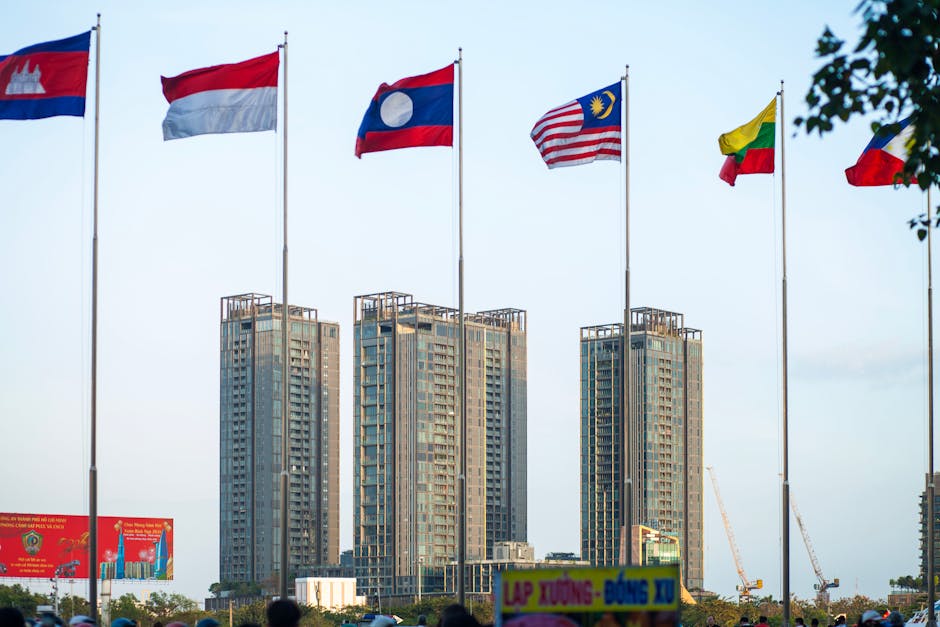
Empowering Southeast Asian Coffee Farmers: Real Stories, Strategic Actions, and the Future of Direct Support
Coffee has long been interwoven with Southeast Asia’s landscapes, communities, and economies. From Indonesia’s volcanic highlands to Vietnam’s sprawling plantations, the region’s coffee farmers—many of whom are women—supply beans critical to global blends in an industry valued at billions of dollars. Yet behind the aroma and allure lies a deeper story: one of resilience, innovation, and urgent need for transparent, equitable supply chains. As global markets intensify demand and climate variability increases, both consumers and business leaders now stand at a crossroads. Will they continue to rely on outdated, intermediary-heavy channels, or will they engage directly with the farmers and networks transforming Southeast Asia’s coffee narrative?
The Modern Southeast Asian Coffee Landscape: Metrics, Challenges, and New Leaders
Historical Evolution and Current State:
Southeast Asia’s coffee sector began as a colonial export engine, but has evolved into a complex ecosystem where local innovation, sustainability, and gender equity increasingly shape its trajectory. Indonesia alone produces over 600,000 tons annually—a feat supported by more than 400,000 registered producers—and robusta and arabica beans from Vietnam, the Philippines, Myanmar, and Thailand now fill cups and coffers worldwide. Yet, the stories behind these beans remain largely untold, with many farmers still facing volatility, low margins, and restricted access to global markets.
Women-Led Networks as Change Agents:
At the heart of emerging resilience are organizations like the International Women’s Coffee Alliance (IWCA), whose chapters report over 3,000 active members across key regional hubs: Indonesia, Vietnam, Philippines, and Myanmar. Indonesia, under President Francisca Indirsiani, boasts a staggering 2,800+ members spanning six regions—Sumatera, Java, Bali, East Nusa Tenggara, Sulawesi, Papua—where 95% are actual coffee producers. These networks are not mere associations; they are vehicles of skill-building, quality enhancement, and business empowerment, raising incomes by 20-30% through targeted training and partnerships.
Strategic Data Points:
- Indonesia: 2,800+ IWCA members in six regions; 95% direct producer linkage.
- Vietnam: 20+ IWCA members, 50% producers in Son La, Hung Yen, Ha Noi.
- Philippines: Growing member collection; demo-farm models led by Rosalie Ellasus inspire smallholder adaptation.
- Myanmar: 50+ IWCA members, with 70% focused on export, active in seven states.
These figures provide actionable leverage for business leaders: direct engagement can yield 15-30% boosts in farmer incomes and a 10-20% reduction in supply chain costs.
Farm Directories and Verified Sourcing: The Backbone of Transparent Supply
Bypassing Intermediaries for Impact:
For decades, coffee procurement depended on layers of intermediaries, diluting producer margins and obscuring traceability. Today, businesses and consumers can drive meaningful change through verified farm directories and IWCA Asia chapters, connecting directly with farmers and cooperatives. Such partnerships offer premiums up to 50% for certified beans, with the potential to reshape global supply standards.
Regional Directory Highlights:
- IWCA Indonesia: Contact President Francisca Indirsiani or VP Yusuf Rahmah to access a deep pool of robusta producers.
- IWCA Vietnam: President Anh Dao Ngoc provides entry to Son La producers and policy forums, opening doors to compliance and rural empowerment.
- IWCA Philippines: Led by Pacita Juan, aligns with an expanding exporter network and demo-farming expertise.
- IWCA Myanmar: President Nang Sein Myaning walks the line between exporter focus and sustainable partnerships.
Other directories include scalable farm models led by women such as Rosalie Ellasus (Philippines, 800 producers, 2,500 ha) and Supranee (Kay) Aramtip (implied Thailand, financing 4,500 ha maize), offering templates for smallholder training and co-op formation.
Global Reach with Local Roots:
While US-based importer directories remain dominant, forward-thinking Asian chains are adapting, and cross-referencing networks like the Asian Farmers Association ensures sustainability, rural development, and updated market access as of 2026.
Coffee Shops, Retail Channels, and Consumer-Driven Support
Engaging Retail for Direct Farmer Benefits:
Consumers wield enormous power—each purchase can reinforce equitable sourcing, especially when shops and chains partner with IWCA networks or importers committed to Southeast Asian supply. The movement is gaining steam:
- IWCA Japan: With 100+ members, this network promotes awareness via the "Coffee Women’s Story" publication and offers retail connections to SE Asian blends.
- IWCA South Korea: 40+ members bridge producer-consumer linkages and advocate for women farmers’ employment rights.
- World of Coffee Asia 2026: Scheduled for May 7-9 in Bangkok, this event is expected to draw thousands—roasters, baristas, importers, and producers—fostering new shop partnerships, cold chain retail models, and exposure for regional beans.
Strategic Recommendations for Shops:
Retailers should prioritize IWCA-sourced Indonesian robusta for its depth and complexity, while Vietnamese arabicas from Son La provide policy-aligned supply. Importer directories link roasters to Asia-origin greens, and the upcoming SE Asia Meet Up 2026 (May 18-19, JW Marriott) offers fresh insights on retail trends and agricultural innovation.
Business Decision Makers: Strategic Actions and ROI
Leveraging Critical Numbers for Growth:
To optimize impact, businesses must act on these data points:
- Indonesia: 2,800+ IWCA members (95% producers)—ideal for direct supply contracts.
- Myanmar: 50+ members (70% exporters)—focus on partnership expansion.
- Vietnam: 20+ members (50% producers)—policy forums for compliance.
These figures should inform 2026 sourcing strategies, skills investments, and event sponsorships, enabling income gains of 15-30% through targeted training.
Five Strategic Recommendations:
1. Direct Partnerships: Connect with IWCA presidents for farm visits and co-funding training/health events (cf. “Coffee Santhe” India model).
2. Event Investment: Sponsor major 2026 events—World of Coffee Asia and SE Meet Up—for market penetration.
3. Supply Chain Metrics: Use global benchmarks (80-ha farm, 1350-1550m in El Salvador) to adapt proven models for Southeast Asia.
4. Risk Mitigation: Focus on women-led co-ops; global consensus shows 20% higher sustainability.
5. Consumer Activation: Promote certified SE beans using transparency tools from Japanese and South Korean networks, targeting 40% margin gains.
ROI Projections:
Direct engagement can cut intermediary costs by 25%, and event involvement generates up to 5x more leads, according to 2026 projections. These are not just numbers—they mark the path to resilient, ethical supply chains.
Indonesia: Deep Dive into the Powerhouse of Producer Networks
Regional Dynamics and Market Scale:
Indonesia’s IWCA chapter, under Francisca Indirsiani’s leadership, serves as a template for regional scaling. With more than 2,800 members across six key areas, the country’s coffee ecosystem is anchored by high producer connectivity (95% are farm-direct contacts). These networks cover not only robusta stalwarts in Sumatera, but specialty arabicas in Java, emerging profiles in Papua, and premium beans from Sulawesi.
Impact Metrics:
- 2,660+ farm contacts
- Income gains of 20% via targeted training
- Premiums of $2-4/lb over commodity prices for traceable beans
Approximately 6% of Indonesia’s total producers are IWCA-affiliated, allowing for scalable interventions and high impact per dollar invested. Business leaders are advised to allocate up to 30% of their 2026 sourcing budget to Indonesian co-ops for robust returns (15% yield gains projected).
Real-World Implications:
With women comprising about 30% of Indonesia’s coffee workforce, the strategic focus on gender equity is not merely ethical—it is economically vital. Case studies, such as Charles Chenza’s 12-acre coffee/maize operation, illustrate how cross-crop expertise builds sustainable, diversified income streams.
Vietnam: Unlocking Policy-Driven Empowerment in the Highlands
Key Metrics and Regional Opportunities:
Vietnam’s coffee landscape is dominated by the highlands of Son La, Hung Yen, and Ha Noi. The IWCA chapter, led by President Anh Dao Ngoc, manages 20+ members with half directly producing coffee. These numbers, though modest, offer direct access to Vietnam’s 1.8 million-hectare coffee sector (the world’s second-largest robusta exporter).
Income and Empowerment:
Rural families can realize up to 25% income boosts via policy forums, joint ventures, and targeted skill-building programs. For business leaders, direct engagement with Son La producers and extension into Dak Lak (another major coffee hub) can unlock new supply channels and compliance advantages.
Philippines and Myanmar: Diverse Models and Export Opportunities
Philippines—Demo Farms and Smallholder Expansion:
Under Pacita Juan’s leadership, the IWCA Philippines chapter is collecting member data and fostering growth. Demo-farm models pioneered by Rosalie Ellasus (President of Maize Federation, overseeing 800 producers on 2,500 ha) offer scalable blueprints adaptable to coffee, empowering smallholders to access international markets.
Myanmar—Export-Focused Partnerships:
Myanmar’s 50+ IWCA members represent seven states, with a strong exporter orientation (70%). President Nang Sein Myaning prioritizes sustainable partnerships and gender equity—a critical necessity given Myanmar’s emergent robusta output amid ongoing political stabilization. Businesses seeking to enter Myanmar’s market should prioritize direct exporter contracts, leveraging these networks for transparency and risk mitigation.
Thailand: The Regional Hub for Coffee Innovation and Collaboration
Bangkok as a Gateway:
Though Thailand lacks a dedicated IWCA chapter, Bangkok is emerging as the regional nexus for coffee networking, thanks to high-profile events like World of Coffee Asia 2026 (May 7-9, BITEC) and SE Asia Meet Up 2026 (May 18-19, JW Marriott). These gatherings attract roasters, baristas, and producers, consolidating Thailand’s agri-food leadership and offering platforms for rapid scaling, market expansion, and cross-regional collaboration.
Innovation through Events:
Event-driven retail—such as CityFresh tours connecting importers to retailers like Makro and Big C—model the cold chain operations vital for coffee’s freshness and market appeal. With Thailand’s ag sector growing fast, these forums offer strategic opportunities for both supply and retail chains to engage directly with Southeast Asian producers.
Comparative Analysis: Old Paradigms vs. Forward-Thinking Engagement
Legacy Approaches:
Historically, coffee procurement followed a linear, intermediary-driven path: commodities trading, bulk exports, opaque pricing, and minimal direct farmer contact. This model, while functional, perpetuated low margins, limited transparency, and little scope for innovation or gender equity.
The New Model—Direct, Transparent, and Inclusive:
Emerging best practices now emphasize direct partnerships, verified directories, event-driven engagement, and women-led networks. These approaches enable not only higher premiums but also supply chain visibility, ethical certifications (organic, Fair Trade), and scalable income growth. ROI projections show direct ties can cut intermediary costs by 25% and boost event-generated leads by up to 5x, all while supporting gender equity and sustainability.
For Consumers:
The new paradigm is actionable: choosing shops that source from IWCA chapters, supporting certified beans, and using transparency tools promoted by South Korea and Japan networks can drive income growth and resilience for Southeast Asian farmers.
“It’s no longer just about sourcing a better bean—it’s about forging direct relationships that transform farmers’ lives, strengthen supply chains, and create a sustainable, equitable coffee industry for Southeast Asia and beyond.”
Forward-Looking Insights and Recommendations
Proactive Engagement with 2026 Events:
World of Coffee Asia and SE Asia Meet Up 2026 will be pivotal in shaping the future of Southeast Asian coffee. Business leaders are advised to sponsor, attend, and actively participate—leveraging these platforms for new supply contracts, innovation, and network expansion.
Leveraging Directories and Farmer Networks:
Engage with IWCA chapters and global directories for transparent, scalable sourcing. Adapt demo-farm models from leaders like Rosalie Ellasus to empower smallholders and secure robust supply chains.
Prioritizing Women-Led Initiatives:
Invest in projects that prioritize gender equity—global consensus points to 20% higher sustainability and resilience in women-led co-ops, with proven income gains and improved quality.
Activating Consumers and Retail Partnerships:
Promote certified beans, transparency tools, and direct engagement to drive consumer demand. Use retail events and shop partnerships to expand market reach and reinforce ethical sourcing.
Conclusion: The Strategic Imperative of Direct Support for Southeast Asian Coffee Farmers
The future of Southeast Asian coffee is not just a story of flavor, exports, or market share—it’s a story of empowerment, innovation, and ethical leadership. Decision makers must pivot from legacy channels to direct partnerships, leveraging IWCA networks, verified directories, and regional events to promote transparency, income growth, and gender equity. The data is clear: engaging with women-led producer groups, investing in skill-building, and sponsoring key 2026 events will yield resilient supply chains and sustainable returns for both farmers and businesses.
Southeast Asia stands poised to redefine what equitable, sustainable coffee looks like. The next move belongs to consumers, retailers, and industry leaders: will they seize the opportunity to support the region’s farmers, or leave potential unrealized? The answer will shape not only cups of coffee, but the livelihoods and legacies of communities across Indonesia, Vietnam, the Philippines, Myanmar, and Thailand. The time for direct action is now.