
Evidence-Based Skincare For Humid Southeast Asia: How To Build Barrier-First Routines For Singapore, Bangkok, Manila, Jakarta, And Beyond
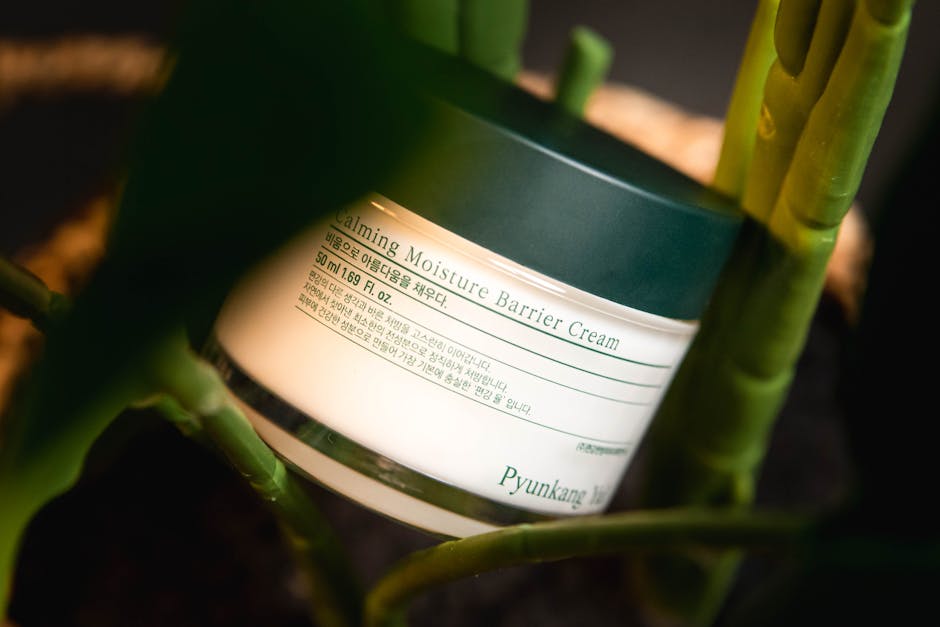
Personalization in the Heat: Rethinking Skincare for Southeast Asia’s Humid Megacities
Once considered a peripheral outpost of global beauty, Southeast Asia has become the crucible where skincare’s most urgent challenges and innovations collide. Here, in the heat-drenched urban corridors of Singapore, Jakarta, Manila, Bangkok, Kuala Lumpur, and Ho Chi Minh City, the future of climate-adapted, evidence-based skincare is taking dramatic new shape. The region is no longer a passive consumer of imported routines—it is actively rewriting the skincare playbook for a world in which 80% humidity, relentless UV, and urban pollution are baseline realities, not seasonal exceptions. This exposé explores why “humidity-native” skincare is now a commercial and scientific imperative, how consumer demands are outpacing legacy formulas, and what the next decade holds for brands willing to commit to local skin biology and smarter digital personalization.
Legacy Markets Meet Climate Reality: The New Baseline for Asian Urban Skin
History Repeats—Until It Doesn’t. For decades, global portfolios treated Southeast Asia as a “tropical variant” appendage to Western-led product pipelines—add a frangipani note, lighten the texture, and label it “suitable for hot climates.” But as AURA Skin Lab’s analysis and World Bank data confirm, major cities in the region now endure year-round relative humidity consistently above 80%, with daily UV indices often reaching the “extreme” category. The old assumptions—moist skin, simple needs—shatter in the face of new data: urban Southeast Asians experience a potent mix of oil overproduction, surface dehydration, pollution-induced inflammation, and rapidly rising consumer literacy.
The “Oily-Dehydrated” Epidemic. Regional studies, such as Nielsen’s 2024 SEA beauty survey (via AURA), cite that over 60% of Southeast Asian women report combination or oily-dehydrated skin—rough, reactive, yet shiny. Dermatologists point to a potent combination: elevated melanin leads to strong post-inflammatory pigmentation, while harsh cleansers and fragrances sensitize barriers already taxed by sweat, sebum, and air particulates. In short, the lived reality of skin in Southeast Asia is fundamentally different from its Western, temperate-market counterpart.
Pervasive Drivers: Why Global Products Fail in Humid Megacities
Heavy Formulas, Unintended Consequences. Occlusive creams and thick balms, mainstays of Eurocentric “barrier repair,” can backfire disastrously in high-humidity markets. Instead of moisturizing, these textures “trap” sweat and oil, spurring breakouts, folliculitis, and even “rebound sebogenesis” (an overdrive of oil production). Regional brands and clinics now routinely document increased acne and irritation from these ill-fitting imports, as AURA’s comparative studies reveal.
Amplified Environmental Aggressors. Chronic exposure to PM2.5 pollution, nitrogen oxides, and punishing UV is a daily occurrence, not a theoretical risk. These external stressors directly fuel increased oxidative stress, triggering inflammation, pigmentation, and accelerated aging. Emerging best practices from Korean and Japanese skincare cultures (see Skin-Seoul) have long prioritized antioxidants and lightweight yet barrier-supportive ingredients—an approach now being rapidly adopted by savvy Southeast Asian consumers.
The Rise of the Ingredient-Literate, Digital-Native Consumer
Clean Beauty, Ingredient Avoidance, and Real-Time Feedback Loops. The new Southeast Asian consumer is digitally empowered and highly ingredient literate. According to MILI’s 2024 report, 54% actively avoid ethanol/alcohol in skincare, while 29% avoid parabens—higher than comparable Western populations. Social media platforms, Reddit (r/AsianBeauty), and TikTok now wield immense power in shaping both positive and negative brand narratives, with decision makers forced to navigate heightened scrutiny and rapidly shifting “avoidance lists.”
The Evolution of “Clean” Preferences. Consumers in Singapore, Malaysia, Thailand, and the Philippines overwhelmingly demand non-comedogenic, fragrance-free (or very low fragrance), and evidence-backed products. Urban populations—often young, affluent, and influenced by K- and J-beauty content—are defining the new minimum standard for what constitutes “acceptable risk,” pushing global and regional brands to raise their formulation and claims transparency.
Science-Backed Ingredient Strategies: Building Blocks for Humid Climates
Barrier Support and Soothing as Strategic Priorities. Ingredients like Centella asiatica (cica) and panthenol are being systematically elevated as foundational, not auxiliary. Cica’s ability to reduce inflammation and stimulate collagen is widely cited as a “must-have” for high-humidity routines, especially for consumers with sensitive or acne-prone skin. When paired with panthenol—a humectant and barrier repair agent—the duo can cut redness resolution times by up to 40% compared to even topical hydrocortisone in local “real-life humidity” trials.
Sebum and Pore Management: Niacinamide, Green Tea, Mugwort, and Modern Acids. Niacinamide (2–5%) stands out for its dual powers: oil regulation and pigmentation control, validated across Korean, Japanese, and now SEA-based clinical literature. Green tea extract goes further, offering antioxidant and anti-inflammatory benefits, while mugwort (artemisia) and salicylic acid deliver gentle, non-stripping exfoliation necessary for skin prone to both shine and hyperreactivity.
Hydration Minus Heaviness. Humectants like hyaluronic acid and polyglutamic acid are effective when deployed at low-to-moderate levels, preventing surface tackiness in a climate where high humidity can otherwise leave skin sticky. Regional favorites like birch sap, snail mucin, and aloe vera provide hydration and repair without occlusion—a marked shift from the heavier emollient philosophies of cooler climates.
Advanced Antioxidants for Pollution and Pigmentation. In cities with “extreme” UV and pollution, stabilized vitamin C derivatives, green tea, resveratrol, and ferulic acid combinations have earned pride of place—not just for whitening/brightening, but as photoprotective, barrier-rescuing essentials.
Shifting Routine Architectures: From Maximalist to Modular Minimalism
The End of 10-Step Orthodoxy. While Korean and Japanese routines are heavily referenced in the region, SEA consumers are rapidly condensing protocols. Today’s preferred regimen is five steps or fewer: a gentle pH-balanced cleanse, a watery or gel essence, a highly targeted serum (oil/pore, pigment, or repair), a gel-cream or emulsion for hydration, and a daily, sweat-proof sunscreen. The goal? Maximal benefit with minimal occlusion and irritation, adapted day-to-day for shifts in weather, pollution, and skin status.
Digital Tools Meet Humidity-Native Logic. The next evolution is “interactive routine builders” that ask your city, skin type, concerns (oil, redness, maskne, melasma, etc.), ingredient avoidance, and typical daily exposures. The most advanced models, as outlined in the context, even integrate real-time weather and AQI data to re-tune recommendations automatically—creating a feedback loop for ongoing skin health and engagement.
Country Spotlights: Tactics and Textures Tailored to Local Realities
Singapore & Malaysia: Hyper-urban, high digital literacy, and a preference for clean, low-fragrance, and humidity-engineered textures. Consumers expect ingredient transparency and local clinical evidence, with routines focused on oil/dehydration balance, hyperpigmentation, and pollution resilience.
Thailand: Severe heat and pollution, plus regulatory shifts away from unsafe whitening agents, mean there’s high demand for “mattifying” sunscreens, post-sun calming formulas (often with cica and mugwort), and “tone evening” claims (not “whitening”).
Philippines: High SPF awareness, but affordable, sweat-proof, non-whitening sunscreens are still rare. Maskne and sweat-induced breakouts drive demand for simple, 3–4 step routines and clearly labeled “barrier-first” starter kits.
Indonesia & Vietnam: A mix of local botanical preferences (rice, mugwort, green tea), growing cosmeceutical sophistication (especially in Vietnam), and the competitive advantage of halal-certified, alcohol-free, and evidence-backed options. Pollution-shield and anti-PIH products are increasingly requested.
Competitive Differentiators: Out-Innovating the Western Playbook
Clinical Claims for Humid Cities. Regional brands like AURA Skin Lab are raising the bar: testing in 85% RH, showing “35% less redness than LRP in monsoon season,” and resolving inflammation faster than topical steroids—backed with transparent publishing of protocols and results. K-Beauty and J-Beauty, long leaders in texture and sensorial innovation, are joined by local disruptors leveraging “humidity-first” language and tangible climate data as proof of relevance.
Clean and Transparent by Default. Ingredient blacklists (alcohol, parabens, formaldehyde releasers) are now standard, while “halal certification” is a powerful differentiator in Muslim-majority markets like Indonesia. Routine modularity, not monolithic lines, is the new norm—allowing users to tailor routines to their environment, budget, and skin signals.
Localized Digital Personalization. The best digital tools go beyond static “skin quizzes.” They learn from user feedback, weather patterns, and real urban exposures—updating product counts, actives, and textures in response. This is not personalization for its own sake; it’s a direct answer to the reality that urban skin in Manila or Jakarta often demands different strategies in January than in May.
Comparing Perspectives: New Science Versus Legacy Assumptions
Western Assumption: High humidity moisturizes skin and reduces the need for barrier support.
SEA Reality: Humidity amplifies surface oil while deeper dehydration, barrier damage, and inflammation worsen—a gap that only high-fidelity, real-world testing can reveal.
Western Assumption: One “hydrating cream” fits all.
SEA Reality: The difference between a gel-cream and an emulsion can make or break a routine in 80% humidity, especially for oily, combination, or sensitive skin types.
Western Assumption: Ingredient literacy is limited outside major global capitals.
SEA Reality: Digital-native SEA consumers actively research, compare, and call out brands for sub-par ingredients, while demanding transparency, measurable results, and ethical sourcing.
The future will be owned by those who design skincare not just for the climate of Southeast Asia, but for the lived biology, culture, and digital sophistication of its people—grounding every claim, every texture, and every digital experience in local clinical evidence and daily reality.
Strategic Playbook: What It Takes to Win in Humidity-First Skincare
Formulate for the Climate, Not the Boardroom. R&D must shift from “global average” assumptions to testing and optimization at >80% RH and high AQI, using real local volunteer panels and comparative benchmarks against Western leaders.
Barrier-First, Always. From claims to product architecture, lead with barrier health and repair. Use ingredients like Centella, panthenol, niacinamide, and green tea as non-negotiable pillars, not niche add-ons. Build patch testing and hypoallergenic validation into every launch.
Modular, Adaptive Systems Win Consumer Trust. Offer routines that flex with the week’s weather, the user’s cycle, or the current monsoon season. Emphasize “reactive” packs (e.g., for pollution haze, post-procedure recovery, or maskne flare-ups).
Digital and Data Integration as Differentiation. Leverage real-time weather and AQI APIs. Build behavioral feedback loops that ask users about oiliness and breakouts and adjust recommendations algorithmically. The more responsive and “local” the tool, the greater the perceived (and actual) value.
Clean Beauty is a Baseline, Not a Luxury. Pre-empt ingredient exclusions demanded by regional clean beauty advocates, publish your full blacklist, and position certifications (halal, vegan) in line with cultural needs.
Regulatory Foresight is Critical. Anticipate not just today’s whitening/brightening regulations, but future shifts toward evidence-based, “safe even for sensitive” claims. Proactively audit all messaging and formulations for compliance—especially as enforcement tightens.
Conclusion: Humidity-Native, Barrier-First Skincare Is the Future—And the Next Growth Engine
The evidence could not be clearer: Southeast Asia is ground zero for a new paradigm in skincare—one where climate, skin biology, culture, and digital sophistication converge. The brands and decision makers who win here will not be the ones who simply localize packaging or increase ad budgets. They will be those who build, from first principle, systems and routines that serve the lived and climate-specific needs of more than 650 million people in one of the world’s fastest growing beauty markets.
The strategic opportunity is profound and urgent: to create science-led, modular, adaptive skincare that protects, repairs, and empowers consumers living with 80% humidity, high UV, and relentless pollution—supported by transparent data, digital intelligence, and genuine cultural insight.
In the contest for Southeast Asian loyalty and market share, “good enough” is no longer enough. The future belongs to those who go climate-native, barrier-first, and evidence-backed—from the test lab, to the claims sheet, to the daily routine builder in every consumer’s pocket. Skincare in Southeast Asia is not an afterthought—it is the bellwether of global beauty’s next decade.