
February 2026 HDB BTO Launch: Faster Keys In Tampines, Sembawang & More—Smart Homebuyers Guide To Affordable, Quick-Move Flats In Singapore
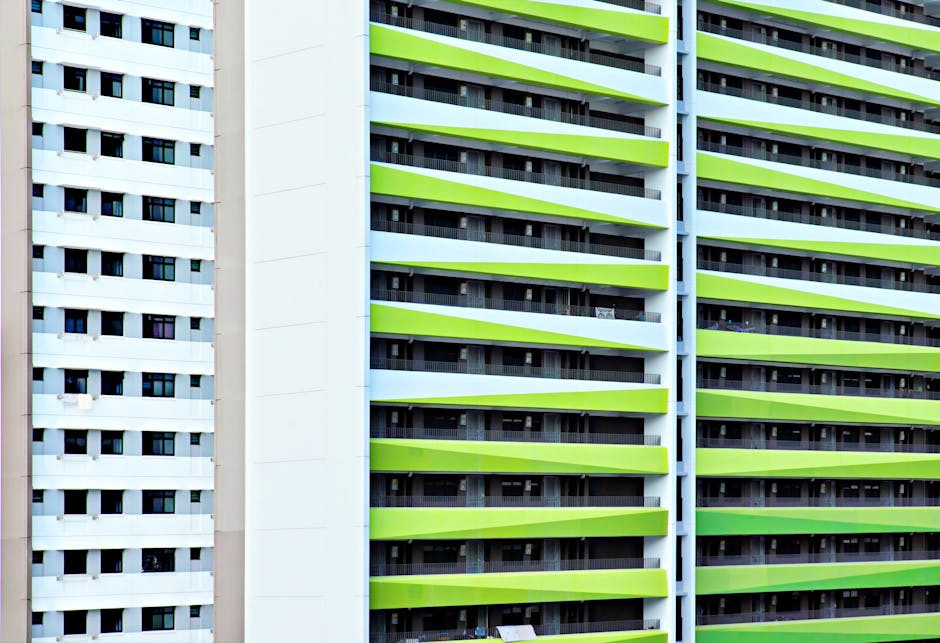
Singapore’s 2026 HDB BTO Launch: Strategic Implications for Household Managers and Domestic Staffing
The February 2026 HDB BTO launch redefines the way financially savvy Singaporeans and dedicated household managers approach domestic living and staffing. With over 1,300 shorter-waiting-time public housing flats—some ready in under 2 years—and nearly 9,000 new HDB units flooding the market, the landscape for balancing affordable home ownership, domestic help logistics, and smart budgeting is evolving rapidly. For those seeking to find maid in Singapore while upgrading their homes or optimizing routines, the latest trends offer both timely opportunities and new challenges.
This comprehensive guide analyzes the latest BTO exercise, highlighting innovations like Tampines Bliss (keys in 1 year 11 months!) and the rising supply of larger units suitable for live-in helpers. We’ll explore key trends, offer actionable recommendations, and empower you to make confident, future-ready decisions for your home and household personnel.
Key Trends and Strategies
1. Rapid Flat Completion: Shorter Waits, Swifter Moves
Flagship projects like Tampines Bliss offer a move-in timeline of just 1 year and 11 months, a significant improvement over past averages. This allows household managers to plan staffing upgrades with minimal rental overlap, reducing costs and uncertainty. The ability to secure helper-friendly layouts sooner is a game-changer for those balancing work, family, and household help arrangements.
For readers comparing options to find maid in Singapore, earlier key collection means you can align recruitment, onboarding, and training with your home move—streamlining all aspects of domestic management.
2. Larger Units and Family-Centric Designs
The 2026 BTO supply emphasizes three- to five-room flats—ideal for families planning for live-in helpers or multi-generational living. Notably, developments like Sembawang Deck (777 units, including spacious five-roomers) create new opportunities to set up dedicated staff quarters without sacrificing privacy or workflow. [1]
Savvy households can tap into these layouts for helper accommodation, facilitating smoother transitions for both staff and employers and contributing to better long-term working relationships.
3. Financial Optimizations Amid Calm Markets
Rising supply—augmented by a 40% increase in Sale of Balance Flats (SBF)—is projected to stabilize HDB resale prices (forecast 0-2% growth), alleviating past FOMO-driven bidding wars. With SORA rates expected to fall to 0.7% by end-2026, monthly HDB loan payments will shrink, offering a chance to lock in low mortgage rates with DBS or OCBC for 2-3% savings.
Financially conscious readers should use this “breather” to compare home loans and CPF grants, maximizing value before competition resumes as market cycles turn.
4. Platform Efficiency: Digital Tools and Actionable Insights
With HDB portals now streamlining applications and eligibility checks, plus exclusive tools like the mortgage calculator tool, you can instantly gauge your home financing plan. This digital transformation makes it easier than ever to find maid in Singapore in sync with your housing journey, ensuring no detail is overlooked—whether you’re upgrading, rightsizing, or hiring your first live-in helper.
State and Recommendations
- Align Domestic Staffing with BTO Timelines: Use shorter construction wait times (e.g., Tampines Bliss and Nova) to synchronize your domestic help recruitment and key collection, minimizing costly rental or extended stays. [1]
- Prioritize Helper-Friendly Layouts: Target larger, family-centric units that allow for dedicated helper spaces, privacy, and comfort—especially critical for multi-generational families or those planning to find maid in Singapore for the first time.
- Optimize Financing: Leverage enhanced CPF grants, explore fixed-rate loans during this market lull, and use digital calculators to compare offers. Proactively lock in mortgage rates with trusted banks while SORA remains low. [4]
- Act Early on SBF Opportunities: The surge in near-ready SBF units reduces competition and allows for faster transitions—ideal for high-efficiency households or those needing urgent moves.
- Prepare for Helper Integration: Use the faster move-in to plan onboarding, orientation, and workflow integration for new or replacement helpers. Consider trial periods or part-time support in the interim, if needed.
- Monitor Resale and MOP Trends: Keep an eye on the influx of MOP (Minimum Occupation Period) flats—over 13,800 units enter the market in 2026—which may further ease competition and present alternative upgrading options.
Summary Comparison Table: Domestic Staffing Models
| Aspect | Live-in | Part-time | First-time Helper | Experienced Helper | Cultural Fit | Skill Depth vs Attitude | Premium Services | Standard Services | Agency Hire | Direct Hire | Contract Duration | Trial Mindset |
|---|---|---|---|---|---|---|---|---|---|---|---|---|
| Pros | 24/7 support, flexible routines | Lower cost, less commitment | Fresh energy, trainable | Proven skills, faster onboarding | Tailored for household values | Customize based on needs | Seamless, inclusive packages | Budget-friendly, core needs met | Managed process, recourse | Lower fees, direct negotiation | Stability, loyalty potential | Test fit, flexible replacements |
| Cons | Privacy sacrifice, higher costs | More planning, less availability | Learning curve, adaptation needed | Higher salary, expectations | May limit talent pool | Trade-off between skills & attitude | Costlier, may exceed budget | Less tailored solutions | Additional agency fees | Risk, less support | Locked contracts | Uncertain continuity |
| When Ideal | Large families, multi-generation, shift workers | Small flats, variable needs | Budget or new employers | Special needs, complex routines | Multicultural, specific preferences | Specific requirements vs household harmony | Luxury lifestyles, medical needs | Routine cleaning, basic child/elderly care | First-timers, risk-averse | Experienced employers, confident managers | Long-term stability needed | Pilot, short-term requirements |
Segmented Insights: House Type Comparison
Condominiums
- Opportunities: Often equipped with dedicated helper’s rooms, back entrances, and enhanced security. Ideal for live-in helpers and premium services. Onsite facilities simplify helper routines (e.g., gyms, pools for recreation).
- Challenges: Higher overall costs (maintenance, conservancy charges), and possible restrictions under MCST rules on helper activities. May require higher salary expectations for helpers used to such environments.
Private Landed Homes
- Opportunities: Ample space for staff quarters, gardens, dedicated laundry/utility areas. Suitable for families needing multiple helpers or specialized tasks (gardening, elderly care). Easier to host trial or part-time arrangements due to flexibility.
- Challenges: Higher security risks, logistical concerns (e.g., helpers working alone in large homes), greater salary expectations, and possible zoning restrictions.
Public Housing (HDB)
- Opportunities: Newer BTOs, especially 3+ room units, now come with layouts that accommodate live-in helpers while being cost efficient. Shorter BTO waits (as with Tampines Bliss) empower upgraders to synchronize helper hiring with home moves, reducing double housing costs. Lower taxes and conservancy charges.
- Challenges: Privacy and space constraints for large families or those needing multiple helpers. Fewer amenities than condos or landed, and some flats may lack purpose-built helper rooms.
Comparison
- Space: Landed > Condo > HDB
- Helper Accommodation: Condo/Landed (usually ready) > Newer HDBs (3+ rooms) > Older HDBs
- Cost: HDB most economical for most; landed highest overall outlay
- Efficiency: New HDB BTOs close the gap with improved layouts and locations (e.g., near MRT for helper commutes or errands)
- Process: Condos and landed offer easier paperwork for helpers due to agency relationships; HDBs require more self-management but are integrated into digital platforms.
“With Singapore’s 2026 BTO wave—especially fast-completion projects like Tampines Bliss—household managers finally gain the power to synchronize domestic staffing, home upgrades, and financial planning. This holistic efficiency is set to transform the way families find maid in Singapore and optimize their routines for years to come.”
Conclusion: The Road Ahead for Households and Domestic Staffing
The convergence of rapid BTO completions, expanded supply, and smart digital tools marks a new era for Singapore-based household managers. Whether you’re an upgrader seeking more space, a first-time homebuyer, or a veteran employer looking to find maid in Singapore in line with your next move, the 2026 landscape empowers you with unprecedented flexibility and cost control.
HDB’s strategy of boosting supply and shortening completion times directly benefits those balancing domestic staffing with home transitions. Expect a sustained, if temporary, period of stable prices and rationalized competition—an ideal window to plan, act, and secure both your dream home and your ideal household routine.
Looking ahead, as digital platforms evolve and more families embrace flexible employment models, GoodHelp readers are poised to lead the way—combining smart financial moves with best-in-class domestic support.