
Gen Z Coffee Trends In Southeast Asia: Digital Loyalty, Cold Brews, And The Future Of Urban Coffee Culture
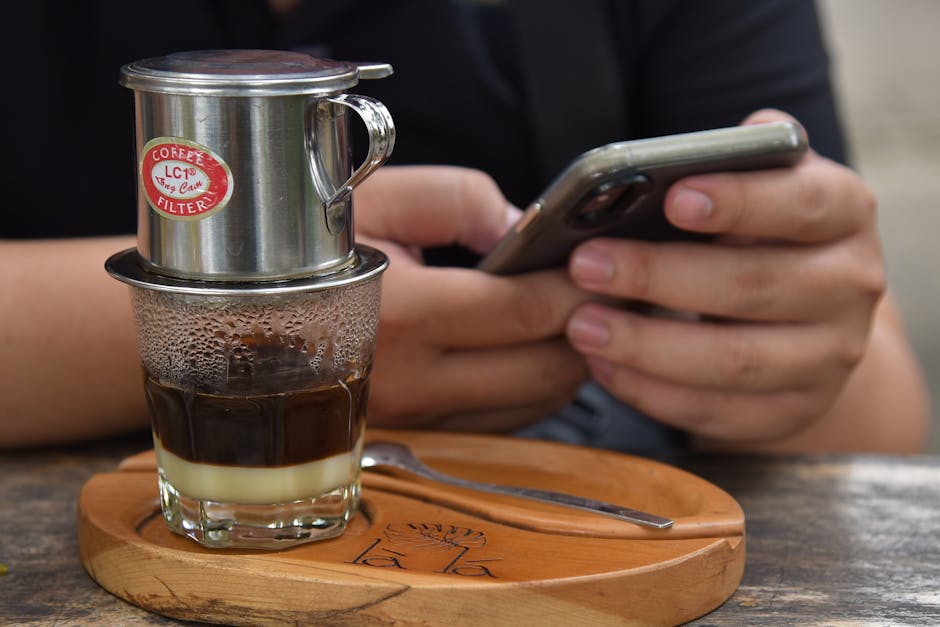
Gen Z and the Coffee Revolution: Unpacking Global Trends and Southeast Asian Implications
Coffee has long been more than just a beverage—it is a ritual, a social lubricant, and, in recent years, a marker of both identity and innovation. As the world pivots toward digital transformation and experiential consumption, Generation Z stands at the crossroads, reshaping the coffee landscape from bean to cup. This exposé delves into global Gen Z coffee trends, revealing how their preferences, digital behaviors, and experience-driven values are upending traditional business models. While granular data for Southeast Asia—including Malaysia, the Philippines, Thailand, and Indonesia—remains elusive, global patterns and regional context provide a lens through which we can anticipate and strategize for imminent shifts.
The Rise of Experience-Driven Coffee Culture
From Commodity to Community: Coffee's function as a simple energy booster has transformed radically among younger populations. Gen Z, defined by its digital fluency and pursuit of meaningful experiences, is driving a new era where coffee shops are gathering places, creative studios, and hubs for innovation. According to Hard Tank’s analysis, this cohort prefers coffee experiences that blend quality beverages with ambiance, sustainable practices, and digital interactivity.
Cold Brew and Iced Coffee Go Mainstream: Cold brew and iced coffee are not just fashionable—they are foundational. The trend is widely documented, with Gen Z showing strong preference for these beverages over traditional hot offerings (Tastewise). For Southeast Asian climates, where heat and humidity persist year-round, this shift is particularly pronounced, suggesting alignment between global tastes and regional realities.
Spaces as Destinations: The coffee shop is not merely a place to grab a drink; it is a destination. Gen Z values unique decor, Instagrammable spaces, and personalized service. Coffee outlets are responding by investing in store design, pop-up experiences, and partnerships with local artists, turning their locations into social touchpoints rather than transactional nodes.
Digital Loyalty: The New Currency of Coffee
Mobile App Adoption Sets New Benchmarks: Gen Z’s penchant for seamless technology is reflected in coffee ordering behaviors. A full 73% of Gen Z consumers have used mobile apps to order coffee, according to Tastewise and other reporting. These digital loyalty programs—powered by gamification, rewards, and personalized recommendations—are becoming the norm, not the exception.
Contactless Payments and Digital Wallets: Even in markets without reliable country-specific data, we see the broad adoption of contactless payments and digital wallets among Gen Z. Coffee retailers are being pushed to integrate payment platforms, loyalty apps, and order-ahead functions, meeting young consumers where they already are: on their smartphones.
Challenges for Regional Markets: Malaysia, Indonesia, Thailand, and the Philippines face unique hurdles around payment infrastructure and app development. Without granular, recent statistics, it is difficult to pinpoint adoption rates, but the trajectory globally is clear—the future of coffee retail is digital-first, with loyalty programs driving repeat visits and data-driven marketing.
Consumption Patterns: More Than Just a Daily Ritual
Frequency and Volume: Gen Z drinks coffee daily at remarkable rates. Recent findings suggest 47% are regular daily consumers (Coffee Bi). However, their approach to consumption is different: they opt for smaller, more frequent purchases, prioritizing freshness, novelty, and occasion over bulk buying.
Urban versus Rural Nuances: While the current dataset lacks direct urban-rural breakdowns for Southeast Asia, global trends indicate that urban Gen Zers drive innovation, digital adoption, and experiential consumption. Rural Gen Z consumers may focus more on price, accessibility, and familiarity, representing a potential growth frontier for value-driven brands.
Sustainable and Ethical Choices: The environmental and social footprint of coffee is under renewed scrutiny. Gen Z shows strong preference for ethical sourcing, eco-friendly packaging, and transparent supply chains. Brands meeting these expectations gain loyalty and word-of-mouth advocacy, echoing the larger sustainability movement sweeping across emerging markets.
Comparative Insights: Southeast Asia Versus Global Markets
Diverging Perspectives: While global Gen Z trends emphasize digital loyalty, cold coffee products, and experience-driven retail, Southeast Asia’s coffee markets are shaped by their own rich histories. Indonesia, recognized as one of the world’s largest producers (Jakpat), boasts a strong domestic consumption trend. Urban centers in Malaysia, Thailand, and the Philippines are rapidly catching up on global patterns, with a rising cohort of digital-native consumers.
Market Maturity and Infrastructure: Southeast Asian markets lack the extensive digital payment and loyalty infrastructure seen in North America or Europe. Nevertheless, adaptation is accelerating, especially as multinational brands and local startups vie for market share.
Unique Flavors and Local Preferences: Gen Z in Southeast Asia is not just following global trends—they are shaping them. Fusion flavors, locally sourced ingredients, and traditional brewing techniques are being integrated into modern offerings, creating a dynamic interplay between heritage and innovation.
Coffee’s future will be shaped by Gen Z’s demand for authenticity, convenience, and digital integration—businesses that ignore these drivers risk irrelevance in the decade ahead.
Forward Thinking: Real-World Implications for Business Decision Makers
Strategic Imperatives: For retail operators, strategists, and brand leaders, the signals are clear: invest in digital, prioritize experience, and foster sustainability. Market entry, growth, or pivot decisions should be informed by rigorous, regionally segmented consumer data. Where this data is lacking, creative experimentation—pilot projects, partnership models, and agile digital rollouts—can fill the gaps.
Leverage Social Media and Influencers: Gen Z’s relationship with coffee is often mediated by social platforms. Investing in influencer collaborations, user-generated content, and shareable in-store moments is key for both expansion and retention.
Data Is King—But Context Is Queen: Robust market intelligence remains a barrier. Business leaders must demand better data from market research firms, invest in customer feedback loops, and foster collaborations across sectors to unlock actionable insights for Southeast Asia.
Innovative Store Formats: Micro-cafés, drive-thru concepts, and hybrid retail spaces can help bridge digital and physical customer journeys, especially in dense urban contexts where convenience is paramount.
Conclusion: The Next Decade of Coffee Is Written by Gen Z
The global coffee landscape is being reinvented by Generation Z—a cohort whose values, habits, and digital native status are redefining every stage of coffee’s journey. For Southeast Asian markets, the convergence of global trends and local context promises both challenge and opportunity. The lack of region-specific data points to a broader gap in market intelligence, but the broad patterns are unmistakable: digital loyalty, experience-driven retail, and sustainability are the new pillars. Businesses that embrace these trends, cultivate community, and adapt to the fluid interplay of global and local influences will seize the lion’s share of tomorrow’s coffee market. The future is not just caffeinated—it’s connected, creative, and conscious. The strategic importance of understanding, anticipating, and acting upon Gen Z-driven coffee trends cannot be overstated.