
Gen Z Loyalty Revolution: How Urban Southeast Asia Cities Are Redefining Brand Engagement, Personalization, And Community
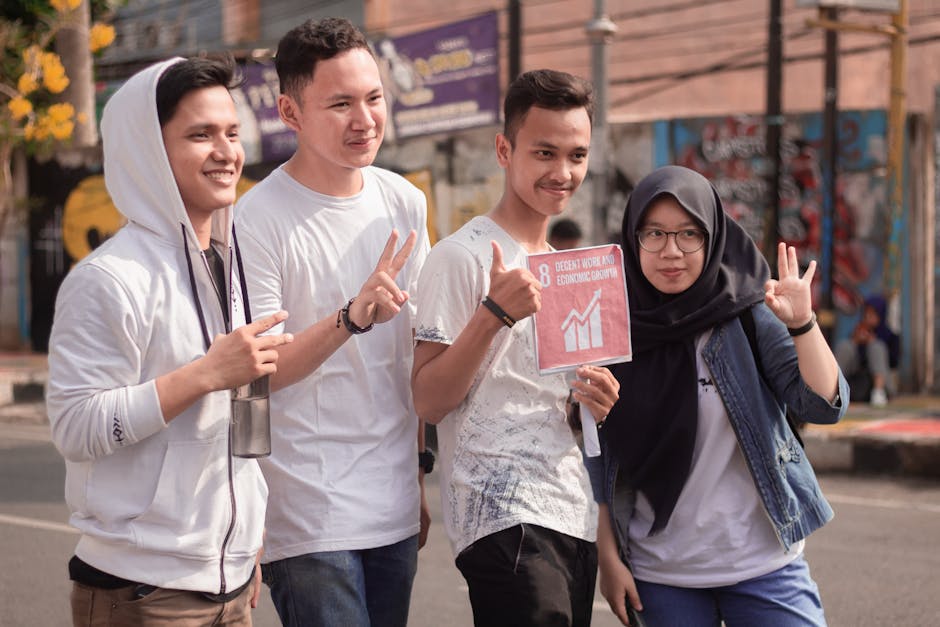
Gen Z Digital Loyalty in Urban Southeast Asia: Unveiling the Next Frontier for Brands
Southeast Asia is undergoing an unprecedented transformation—its urban youth, primarily Gen Z, are rewriting the rules of brand loyalty, commerce, and digital engagement. In a region where over 63% of young people are active on social media, and digital economy projections soar above $300 billion by 2025, the traditional paradigms of loyalty are dissolving. The old world of points-for-purchase is rapidly being replaced by AI-driven personalization, mobile-first payment systems, and vibrant community engagement—creating both existential threat and unrivaled opportunity for business leaders. As the region leapfrogs from offline to integrated digital ecosystems, this article investigates the disruptive dynamics, strategic pivots, and actionable steps shaping the future of loyalty in Southeast Asia’s urban Gen Z landscape.
The Digital Native Consumer: Foundations of Fluid Loyalty
From Passive Customers to Active Architects
Gen Z and Millennials now represent nearly half the population in Southeast Asia, wielding outsized influence on retail, technology, and cultural trends (Kadence). Unlike their predecessors, these youth are digital natives—they do not simply use digital channels but define how brands must operate within them. According to SuperMom Business, Gen Z actively searches for unique experiences and purchases brands that distinguish them, rather than settling for established incumbents. Their loyalty is not inherited or static—it is built through discovery, engagement, and a sense of belonging.
Discovery Trumps Loyalty
Research reveals a paradoxical dynamic: Gen Z prefers trying new brands, especially those born from creator communities or social platforms (D8ASpring). In this “discovery over loyalty” environment, brand incumbency is less valuable than ever. Rather than passive recipients, Gen Z functions as active architects of their brand relationships, demanding two-way engagement and continuously reevaluating their loyalties.
Switching Propensity and the Loyalty Paradox
Fluid Brand Loyalty and High Switching Rates
Gen Z is the most likely generation to switch brands for better alternatives or unmet expectations. Their upbringing in information-rich environments, combined with sophisticated research capabilities, results in fluid loyalty. Even when Gen Z participates in loyalty programs, engagement is declining. Pulse iD reports that Gen Z abandons programs when earning and redeeming rewards is slow—revealing a critical friction point for business leaders.
Unmet Personalization Expectations
Despite the appetite for loyalty, there is a glaring gap between expectation and delivery. Current data highlights that 66% of Gen Z want personalized recommendations, but only 15% feel brands deliver effective personalization. Less than 39% have purchased recommended products in the past six months—a 51-point gap representing a massive opportunity for forward-thinking brands to capture loyalty premiums through genuine personalization (not just performative gestures).
Digital Engagement Patterns: Transforming Commerce and Loyalty
E-Commerce Ascendancy
Gen Z’s preference for digital shopping is fueling rapid e-commerce growth. The traditional retail hierarchy is obsolete; viral launches on platforms such as TikTok can generate market penetration rivaling established retail chains (Jing Daily). This shift is reshaping go-to-market strategies, pushing brands to master online discovery and social commerce integration.
Super Apps: The New Infrastructure
The rise of “Super Apps”—integrating social, e-commerce, payment, and even healthcare—has created seamless digital journeys for Gen Z. Integration with platforms like GCash in the Philippines is now a baseline requirement for competitive relevance. Brands unable to operate within these ecosystems risk systematic exclusion from Gen Z’s primary transaction pathways. As Kadence notes, Super Apps are not just competitive advantages; they are survival necessities.
Fintech Adoption and Mobile-First Loyalty
Urban Southeast Asian youth lead the adoption of digital payment systems, making mobile-first loyalty integration essential. Loyalty is now deeply embedded in daily digital habits—shopping, payments, travel, and entertainment all flow through mobile app ecosystems. Only brands with mobile-first infrastructure and frictionless mechanics are positioned to capture Gen Z attention, engagement, and spending.
Innovative Loyalty Models: The Era of Predictive Personalization
From Transactional to Behavioral Loyalty
Loyalty programs are shifting from rewarding transactions to monetizing behavioral patterns. The modern approach focuses on customer lifetime value, not just single purchase metrics. Programs now function as data collection engines, powering retail media, targeted advertising, and cross-brand partnerships (Novus Loyalty).
AI-Driven Personalization as Baseline
Artificial intelligence enables real-time personalization, predictive rewards, and dynamic offers based on intent signals. Brands are expected to anticipate needs, rather than react after the fact. This fundamental inversion means reactive brands are effectively invisible to Gen Z—making technology investment in CDPs, real-time analytics, and machine learning a critical competitive differentiator.
Case Study: Telkomsel’s by.U Platform
Indonesia's Telkomsel launched by.U, a Gen Z-tailored platform, leveraging analysis of over 9,000 data points per customer. By eliminating physical friction, prioritizing choice and control, and delivering granular personalization, by.U demonstrates how incumbent advantage persists not through scale alone, but through technological leverage. As Southeast Asia's largest mobile operator, Telkomsel used its data infrastructure to create a loyalty experience competitors could not match.
Comparative Perspectives: Southeast Asia Versus Global Loyalty Trends
Western Versus Eastern Approaches
Traditional Western loyalty models emphasize point accumulation, delayed gratification, and broad discounting. In contrast, Southeast Asian Gen Z values immediate rewards, discovery, and community. Chinese platforms (like TikTok and Xiaohongshu) are outmaneuvering Western brands by providing AI-powered personalization and culturally fluent engagement. The competitive window is closing—superior digital native capabilities are redefining the landscape for loyalty economics (Jing Daily).
Country-Specific Dynamics
Vietnamese retailers lead in personalized engagement and experience-driven strategies, with price and quality receding in importance (Retail Asia). The Philippines and Thailand see emerging affluent segments prioritizing connection and network-building. Indonesia, with its massive digital penetration, represents the largest opportunity for data-driven, personalized loyalty platforms.
Critical Gaps and Strategic Opportunities
Loyalty Program Participation Decline
Despite high engagement with brands offering loyalty programs, Gen Z participation is falling due to poor design, lack of perceived value, and redemption friction. The assumption that consumers tolerate slow earning and complex mechanics is outdated. Immediate gratification and simplicity are table stakes for loyalty architecture targeting Gen Z.
The Personalization Paradox
The stark gap between the desire for personalized experiences and actual brand delivery—66% want personalization, only 15% feel they get it—creates a strategic goldmine. Brands that genuinely invest in real-time, AI-powered personalization unlock loyalty premiums and retention rates unavailable through traditional points-based models.
Community as the New Loyalty Engine
Transactional rewards are losing their appeal. Gen Z increasingly demands meaningful relationships and belonging. The future of loyalty lies in community-building infrastructure: branded platforms, creator partnerships, peer-to-peer engagement, and digital identity features (like badges or status levels). The brands that cultivate engaged communities will create loyalty stickiness beyond anything transactional models can deliver (Marketing Interactive).
Emerging Trends: Discovery, Sustainability, and Online-to-Offline Integration
Discovery-Driven Shopping
Gen Z’s preference for frequent brand discovery means loyalty is earned through constant interaction, community feeling, and meaningful benefits. Static marketing and one-directional communication are obsolete—two-way engagement ecosystems are essential. Content platforms, creator partnerships, and community governance become the new loyalty infrastructure.
Sustainability and Ethical Consumption
Gen Z increasingly evaluates brands on wellness, ethics, and sustainability. Loyalty programs that communicate impact and values, and allow consumers to track their contributions, drive retention at rates exceeding traditional rewards. For brands, measuring and communicating sustainability impact is now a retention mechanism, not just a corporate social responsibility gesture.
Online-to-Offline Integration
Seamless integration of digital discovery with physical experiences deepens engagement. Brands that bridge the gap between online and offline—through community events, pop-ups, or digital rewards that translate to real-world benefits—generate stickier, multi-channel loyalty.
Strategic Recommendations: Leadership for the Digital Loyalty Era
Reimagine Loyalty Architecture Around Behavioral Data
Traditional mechanics are failing. Brands must migrate to lifetime value segmentation, predictive offer engines, and frictionless mobile-first experiences. Behavioral data is the new competitive currency; investment in CDP and real-time analytics must be prioritized.
Integrate with Super App Ecosystems
Market accessibility depends on integration with Super Apps—GCash, Grab, and similar platforms. Design rewards compatible with these ecosystems, maintain ongoing API integration, and ensure mobile app interfaces prioritize speed and clarity.
Genuine Personalization Infrastructure
Capture and activate thousands of data points per customer, launch dynamic recommendation engines, and continuously optimize personalization through A/B testing. Transparent data governance is essential to build trust and justify data collection.
Community Building Over Transactional Rewards
Build branded platforms for Gen Z to gather, partner with creators for authentic engagement, and enable members to influence brand direction. Measure engagement metrics—not just purchases—as primary loyalty indicators.
Optimize Mobile-First Experiences
Audit for friction, implement one-click earning, and enable instant redemption. Integrate loyalty notifications directly into transaction flows to maximize real-time engagement.
Monetize Data for Revenue
Convert loyalty programs from cost centers to profit centers through retail media, first-party data partnerships, dynamic pricing infrastructure, and subscription-tiered benefits. Communicate data practices transparently to Gen Z, framing data sharing as a mutual value exchange.
Localize by Country-Specific Market Dynamics
Tailor strategy to each market: prioritize personalization and discovery in Vietnam, emphasize GCash integration and community in the Philippines, focus on lifestyle differentiation in Thailand, and leverage scale and data-driven personalization in Indonesia.
Implementation Roadmap: A 12-Month Transformation Plan
Months 1-3: Audit loyalty infrastructure and Super App ecosystem integration opportunities. Implement CDP and analytics to capture customer data.
Months 4-6: Launch redesigned, frictionless loyalty program. Integrate with primary Super Apps.
Months 7-9: Deploy personalization engine and dynamic offers. Launch branded community platforms and creator engagements.
Months 10-12: Implement retail media and data monetization. Evaluate performance by country and adjust strategies accordingly.
Risk Considerations and Mitigation Strategies
Data Privacy and Trust
Gen Z is privacy-aware. Transparent data practices, granular consent controls, and compliance with regional regulations (like Thailand’s PDPA) are non-negotiable.
Technology Execution
CDP implementation and platform integration are technically complex. Partner with proven vendors, build internal capabilities, and stage rollouts with pilots before scaling. Realistic timelines are critical.
Competitive Response
Chinese platforms and regional incumbents can rapidly replicate successful strategies. Defensible advantages must be built through deep community engagement and continuous innovation.
Program Participation Inertia
Transitioning from legacy to new loyalty models requires careful change management. Dual-track launches, clear communication, and enrollment incentives mitigate friction.
“Brands who embrace community, personalization, and seamless integration will thrive; those who cling to transactional mechanics will become irrelevant in the eyes of Southeast Asia’s Gen Z—where discovery, identity, and genuine digital engagement are the new currency of loyalty.”
Looking Ahead: The Future Trajectory of Loyalty in Urban Southeast Asia
The competitive landscape for loyalty in Southeast Asia is reaching its critical inflection point. As digital economy growth accelerates and the Gen Z cohort expands, the strategic stakes have never been higher. Chinese platforms are capturing market share through digitally native, AI-driven engagement, while legacy brands risk being outpaced by the velocity of change.
Business leaders must move decisively—implementing predictive, personalized, community-driven loyalty strategies at scale within the next 12 months. Investing in behavioral data infrastructure, Super App integration, and real-time personalization is not just recommended; it is required for survival. The time of static, transactional loyalty is over.
Southeast Asia’s Gen Z is transforming loyalty from a transactional exercise into a rich tapestry of discovery, belonging, and digital identity. Brands that recognize and act on these shifts will capture disproportionate loyalty and revenue in a landscape valued at hundreds of billions. Those who fail to adapt will find themselves excluded from the primary consumer journeys of an entire generation.
The future belongs to community builders, experience architects, and data-powered innovators. The question is no longer if loyalty must be transformed—but how fast and how well brands can execute before competitive advantage slips away.