
Gigi Coffees Rapid Rise: How A Malaysian Franchise Is Brewing Success Across 150 Outlets And Expanding To South Korea
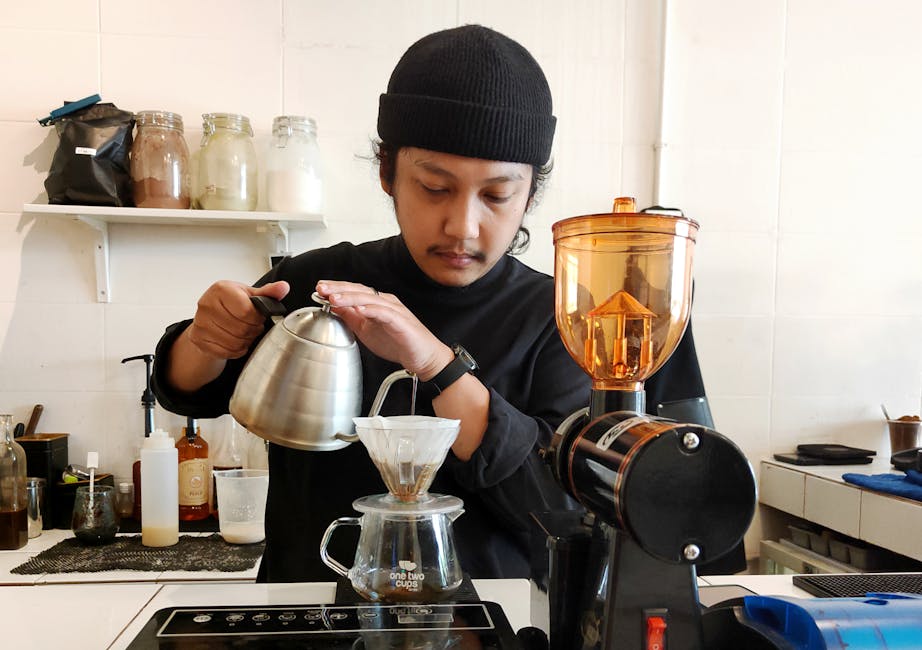
Gigi Coffee: Brewing Malaysia’s Next Big Global Coffee Franchise?
In the crowded landscape of Southeast Asia’s quick-service coffee sector, Gigi Coffee’s rise from a single outlet in 2019 to a burgeoning network of approximately 150 locations by 2024 is nothing short of remarkable. As global titans like Starbucks, and homegrown stalwarts such as OldTown White Coffee, jockey for the palates and pockets of Malaysia’s diverse consumers, Gigi Coffee’s entry has sparked conversations about affordability, accessibility, and the next wave of food and beverage (F&B) entrepreneurship in Malaysia. This exposé explores not just the brand’s trajectory, but also the deeper forces shaping its strategic journey—from halal certification and pricing innovation to bold, cross-border ambitions.
The Origins and Evolution of Gigi Coffee
From Modest Beginnings to National Footprint
Launched with the goal to democratize “premium” coffee for Malaysia’s mass market, Gigi Coffee entered at a critical juncture—when urbanization, rising incomes, and shifting consumer tastes were converging. While international brands had already cultivated a loyal customer base among the urban middle class, there remained a gap for affordable, everyday indulgence that didn’t compromise on quality or social experience.
Halal-Certified and Proudly Local
A cornerstone of Gigi’s value proposition is its halal certification—an essential differentiator in a nation where over 60% of the population is Muslim. This move is more than mere compliance; it is a calculated embrace of Malaysia’s demographic and cultural realities, ensuring inclusivity while targeting a broader market often underserved by Western-centric brands.
Patterns Shaping Malaysia’s Coffee Scene
Pervasive Coffee Culture, Localized Preferences
In Malaysia’s major cities, daily coffee rituals have become a status symbol and a social lubricant. Yet, consumer preferences remain uniquely local, with strong demand for kopitiam traditions—sweetened condensed milk coffee, toast, and a convivial atmosphere—alongside international formats.
Price Accessibility as a Competitive Lever
Gigi Coffee’s aggressive pricing strategy sets it apart: by offering beverages that are affordable even for students and entry-level professionals, the brand challenges the notion that quality coffee must come with a premium price tag. This approach creates a broad customer funnel and enables higher repeat patronage, a tactic that’s particularly effective in price-sensitive Southeast Asian markets.
Menu Innovation & Diversification
Beyond coffee, Gigi’s expansion into milkshakes and burgers—recently channeled through its Gigi Coffee Diner launched in May 2023—demonstrates an agile response to evolving tastes. This hybridization of café and diner concepts positions Gigi to capture not just coffee breaks but also full meals and social gatherings, challenging traditional coffeehouse boundaries.
Tactical Shifts and Strategic Innovation
Multi-Format Expansion: Shopfronts and Diners
While most coffee chains stick to a single concept, Gigi has adopted a diversified approach: standard “grab-and-go” outlets for high-traffic malls and transit hubs, complemented by its immersive diner concept for extended visits and family meals. This dual-pronged strategy allows the brand to serve both transient customers and those seeking a social dining experience.
Halal Certification as Inclusive Branding
Halal status is not just a legal checkbox but a foundation for trust and community-building, particularly in Malaysia’s heartland towns. Gigi’s consistent communication of this value has enabled seamless integration into shopping malls and mixed-community locales, bypassing the friction that sometimes plagues non-certified competitors.
Comparative Perspectives: Gigi Coffee Versus the Competition
Starbucks and the Global Chains: Aspirational but Pricey
International brands like Starbucks offer aspirational lifestyles but often at price points inaccessible to the broad market. Their Westernized menus and occasional lack of halal options further limit their reach.
Local Chains: OldTown White Coffee and Kopitiam Legends
OldTown and similar local franchises have cultivated nostalgia and local-flavor loyalty, but their traditionalist menus can sometimes alienate younger consumers seeking novelty or international café ambience.
Gigi Coffee: Bridging Affordability, Modernity, and Inclusivity
Gigi’s sweet spot is its ability to blend modern F&B aesthetics with local relevance, all while maintaining inclusive pricing and halal credibility. For new market entrants or global investors, this approach is a live case study in context-sensitive brand building.
What the Numbers and the Gaps Suggest
Blazing a Rapid Growth Trail
With approximately 150 outlets in just five years, Gigi’s expansion trajectory is among the fastest in the region’s coffee sector, especially for a brand not backed by legacy conglomerates.
Missing Metrics: The Blind Spots
However, the absence of detailed financial disclosures, competitive benchmarking, and granular market share data underscore a key challenge: transparency. For investors or analysts, these gaps can obscure a true reading of operational health and scalability.
Forward-Looking Insights: Gigi Coffee’s Next Act
International Forays: The South Korea Expansion
Gigi’s recent move into South Korea signals a bolder ambition to become a regional—perhaps even global—contender. This venture will test its product adaptability, supply chain acumen, and ability to translate the “Malaysian halal café” concept to non-local audiences.
Risks and Resilience
Expansion brings operational complexity and new forms of competition—from entrenched Korean brands to global hotel chains. Gigi’s challenge will be to maintain its value-driven ethos without diluting quality or local resonance.
Market Dynamics: The Quick-Service Restaurant (QSR) Revolution
Gigi’s evolution sits within a broader surge of QSR innovation in Asia—where speed, convenience, and digital integration are disrupting age-old notions of dining. If Gigi leverages technology—mobile ordering, loyalty programs, and influencer-driven campaigns—it could further solidify its hold on the next generation of Southeast Asian consumers.
As the boundaries between café, diner, and quick-service restaurant blur, the brands that endure will be those that harmonize tradition, affordability, and digital innovation—not just for Malaysia, but for a borderless, multicultural Asia.
Conclusion: Brewing a Roadmap for Malaysia’s F&B Champions
Gigi Coffee’s meteoric rise is not merely a story of retail expansion; it is a blueprint for how Malaysian brands can win in an era of globalized tastes and hyper-local sensitivities. By forging an inclusive, affordable, and innovative identity, Gigi taps into the aspirations of a generation—urban, mobile, and proudly multicultural. Yet, the road ahead demands greater transparency, strategic data-sharing, and operational discipline if Gigi is to move from national champion to regional powerhouse.
For policymakers and industry leaders, the Gigi Coffee case invites urgent reflection: How can Malaysia nurture more homegrown brands to not just participate, but lead, in Asia’s F&B renaissance? The answer, as Gigi has demonstrated, lies at the fertile intersection of cultural authenticity, relentless innovation, and market inclusivity.