
Global Supply Chain & Tariff Trends: Data-Driven Insights For Business Leaders Heading Into 2026
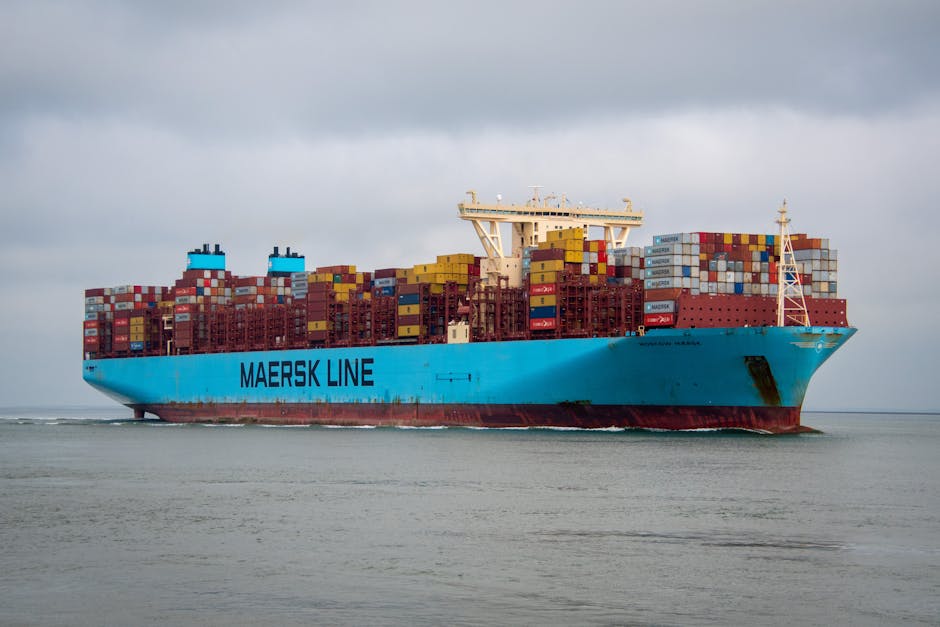
The New Front Lines of Global Supply Chains: Navigating Uncertainty and Seizing Tomorrow’s Opportunity
Supply chains have always been the connective tissue of the global economy, quietly underwriting prosperity, innovation, and the fabric of daily life. But in the last half-decade, this behind-the-scenes discipline has been thrust into the spotlight. From the cascading shocks of the COVID-19 pandemic to geopolitical realignments and mounting tariff battles, supply chains are no longer just logistical concerns—they are now central to boardroom strategy and national security. As of late 2025, a delicate balance persists: companies worldwide are racing to stabilize their networks, mitigate risk, and transform crisis-born lessons into sustainable competitive advantage. Drawing on data through September and October 2025, this exposé explores the evolving contours of supply chains, the impacts of tariffs, and the real-world choices shaping tomorrow’s winners and losers.
Emerging Patterns: The Unpredictable Terrain of 2025
Complex Resilience is the Order of the Day
The volatility that upended global logistics in recent years has not vanished—it has simply shifted shape. According to the latest insights, 2025’s supply chain risks are less about sudden shocks and more about persistent, evolving disruptions. Cyber threats, extreme weather events, and regional conflicts now coexist with enduring labor shortages and port congestion. The upshot? Companies are building layered resilience, blending onshoring, nearshoring, and digitalization in pursuit of agility.
Reglobalization Redefines Sourcing Strategies
A striking narrative for 2025 is not deglobalization, but “reglobalization”—a reconfiguration of trade flows and production footprints. According to industry commentators, firms are diversifying their supplier base beyond traditional strongholds in East Asia, balancing risk reduction with cost competitiveness. Mexico and Southeast Asia are rising as alternative sourcing hubs, propelled by new trade agreements and upgraded infrastructure.
Tariff Waves and Trade Wars: Still a Strategic Threat
Tariffs remain a formidable force, especially between the US, China, and the EU. The uncertain landscape, with ongoing and threatened tariff escalations, complicates long-term contracts and investment. According to recent forecasts, many US importers are absorbing higher costs or accelerating “friendshoring” to countries with more stable trade relations.
Real-World Implications: Winners, Losers, and Crosswinds
Retailers and Manufacturers on the Razor’s Edge
For retailers, the volatility of freight rates and inventory uncertainty has become a defining challenge. Notably, the Global Supply Chain Pressure Index remains elevated relative to pre-pandemic norms, underscoring latent fragility. Manufacturing, especially in automotive and aerospace, is straining under the weight of component shortages and rapid regulatory shifts. Some, as noted by industry leaders, see “green shoots” of recovery as pressures slowly abate, but systemic vulnerabilities persist.
Innovation as the Ultimate Hedge
The firms faring best are those embracing digital transformation. Advanced analytics, AI-driven demand forecasting, and real-time visibility platforms are shifting the paradigm from reactive to proactive supply chain management. Innovative port and warehouse automation is shrinking turnaround times and reducing the impact of labor disruptions.
Cost, Speed, Sustainability: The Trilemma
A persistent theme for 2025 is the struggle to balance cost control, rapid fulfillment, and environmental stewardship. The need for just-in-case inventories and carbon tracking dovetails with pressure to minimize spend and maximize service levels. Best-in-class companies are rewriting playbooks, building agile, multi-modal networks, and investing in collaborative supplier partnerships.
Tactical Shifts and Future-Facing Practices
Supply Chain Risk Management Gets Personal
The most successful organizations are bringing risk management out of the shadows. Rather than treating it as a compliance box-tick, they are embedding scenario planning, tabletop exercises, and multi-tier supplier mapping into daily operations. According to KPMG’s September 2025 Update, companies with mature risk-management frameworks recovered from disruptions 40% faster than their peers.
New Models of Strategic Partnership
Collaboration is becoming an imperative. Firms are sharing data and forecasts with upstream and downstream partners, leveraging shared platforms to unlock efficiencies. In some sectors, consortium buying power is blunting inflationary shocks, especially in critical components and logistics services.
Sustainability Moves from Slogan to Requirement
Regulations such as the EU’s corporate sustainability due diligence directive and California’s new supply chain disclosure laws are tightening the screws. Compliance is no longer optional; it’s foundational to market access and investor trust. Companies are investing in traceability, ESG reporting, and green logistics, mindful that brand reputation and regulatory fines are now inextricably linked.
Comparative Perspectives: A World of Divergent Risks and Opportunities
North America vs. Asia-Pacific
US and Canadian firms are contending with tight labor markets and infrastructure bottlenecks, but benefit from diversified supply networks and relative political stability. Asia-Pacific remains the world’s manufacturing engine, but faces wage inflation, energy volatility, and the ever-present risk of geopolitical flashpoints.
Europe’s Regulatory Gambit
European firms face the highest regulatory burdens but enjoy the clearest roadmaps for sustainability and digitalization. Their challenge is cost: higher compliance standards and energy transition come with a premium, but also create opportunities for innovation leadership.
Disruption Breeds Innovation, but Also Inequality
While global giants accelerate investment in AI and automation, smaller firms—especially those mid-supply chain—struggle with fragmented data and limited access to capital. This digital divide risks widening competitive gaps, leaving some permanently on the back foot.
“In the new era of supply chain management, resilience is no longer about weathering the next storm—it’s about building adaptive systems that thrive on change and turn disruption into data-driven opportunity.”
Forward-Looking Insights: What’s Next for Supply Chains?
Expect the Unexpected—and Prepare to Pivot
The best intelligence warns against complacency. From macro trends to on-the-ground disruptions, the only certainty is that volatility will persist. Leaders are betting not on perfect forecasts, but on architectures that support rapid adaptation.
Reglobalization and the New Geography of Trust
A defining trend is the emergence of “trusted networks”—ecosystems of suppliers, logistics providers, and regulators aligned by data standards, shared values, and transparent governance. These new trade corridors are underwritten less by geography and more by shared risk and trust.
AI, Automation, and the Human Element
Digital transformation is no panacea. While AI and automation drive efficiency and visibility, talent remains paramount. Human judgment, ethical leadership, and cross-functional collaboration are the true differentiators in a world awash with data but starved for actionable wisdom.
Conclusion: The Strategic Imperative—From Fragility to Forward Momentum
The turbulence of the past several years has recast supply chain management as a critical strategic discipline, not merely an operational one. As we approach 2026, the window for incremental change is closing; transformation is now an imperative. Those who invest in resilience, transparency, and digital capability will not just survive the next disruption—they will define the next age of global commerce. The strategic importance of supply chains will only intensify, shaping geopolitical dynamics, economic competitiveness, and the very texture of daily life. For organizations, the call is clear: build adaptive supply chains now, or risk being left behind in a world where the only constant is change.