
Global Trade Upended: Middle East Chokepoint Closures Reshape Shipping Via Cape Of Good Hope, Singapore, And Malaysia
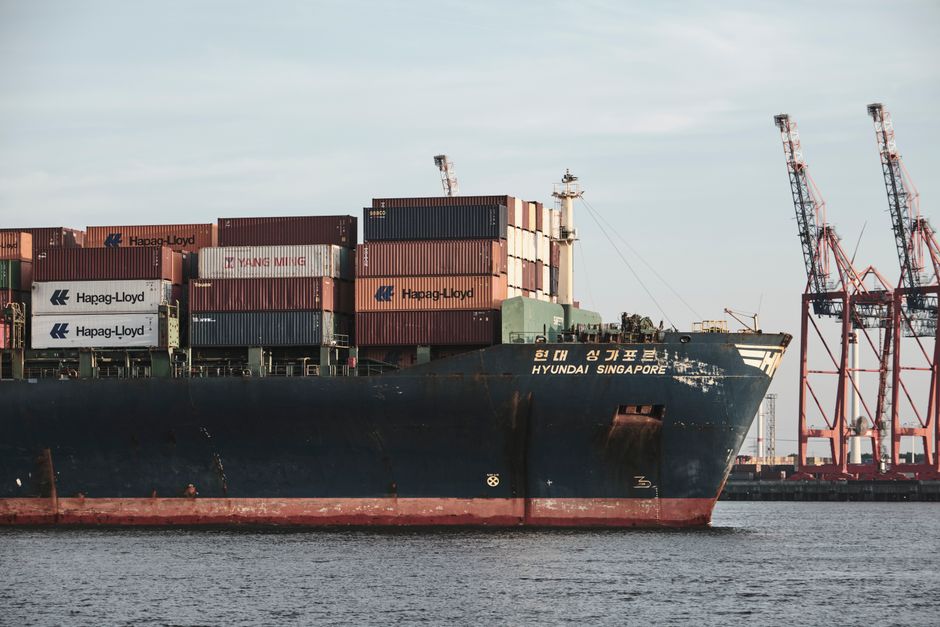
After the Chokepoint: How Middle East Maritime Disruption is Reshaping Global Trade
2026 stands as a watershed year in the history of global commerce. The once-reliable arteries of the world’s trade—the Strait of Hormuz and Bab el-Mandeb—are now almost impassable, their near-closure sending shockwaves through supply chains, commodity markets, and the strategies of every significant trading nation. While wars, embargoes, and piracy have threatened maritime corridors before, the scale, speed, and interconnectedness of today’s disruptions have created a crisis—and opportunity—unseen in decades. As ships reroute, prices spike, and new trade maps are drawn, the world is witnessing a vivid lesson: the era of effortless reliance on Middle East transit is over. It is, in many respects, a “great rerouting”—one that will define winners and losers for years to come.
The Shock Heard Round the Seas: What Happened
The Blockade of Hormuz: Triggered by Crisis — In early 2026, after the escalation of the US–Israel war on Iran, the Strait of Hormuz, a gateway for more than one-third of globally traded crude oil, was functionally blocked. Vessel movements plummeted by 95%, from over 100 ships daily to fewer than a handful. This didn’t just slow the energy trade; it forcibly diverted or halted an estimated 20–25% of the world’s seaborne oil, 19% of LNG, and almost 30% of fertilizer traffic—commodities at the root of both industrial production and food security.
The Red Sea and Bab el-Mandeb: Operational Hazards — Simultaneously, a resurgence of attacks in the Red Sea, primarily from Houthi forces, rendered the Suez corridor “operationally hazardous.” Container and bulk flows through the Red Sea dropped 70% below pre-crisis volumes. With 30% of global container traffic and up to 20% of total container shipping normally passing through this corridor, the rerouting via the Cape of Good Hope has become not just a detour, but a new normal.
Regional Fallout: Egypt, Saudi Arabia and Beyond — For littoral states like Egypt, Saudi Arabia, Jordan, Sudan, and Yemen, the impact is already quantifiable. Average export declines are near 10%, compounded by lost Suez Canal revenues and diminished port activity. For global shippers and traders, the resulting squeeze is immediate and severe.
Real-World Impacts: Cost, Time, and Supply Chain Pressure
Longer Voyages, Higher Costs — The forced avoidance of the Red Sea and Hormuz means ships now circle Africa, adding 10–18 days to typical Asia–Europe container voyages. Besides time, insurance premiums for risk-prone zones have soared, and almost every major shipping line has implemented surcharges to cover fuel and crewing costs on longer routes.
Commodity Price Shockwaves — Brent crude surged above $100 per barrel, reflecting both the real threat to supply and the new risks embedded in transit. Fertilizer markets, already sensitive to feedstock volatility, saw price spikes that rippled through global food systems. In vulnerable Asian and Pacific regions, governments imposed rationing—reminders of the fragility of modern, just-in-time supply chains.
Air Freight: The Last Resort (at a Cost) — As sea and even air corridors across the Middle East became unsafe, a surge in demand sent air freight rates on South Asia–Europe lanes to record highs. Goods once moved by sea—electronics, perishables, and pharmaceuticals—now compete for costly airspace or are forced onto multimodal routes, lengthening delivery cycles and disrupting inventory planning.
Sector-Specific Disruption: From Oil to Aluminium to Food
Energy and Petrochemicals: New Hubs, New Risks — The loss of Hormuz and Red Sea transit has upended the world’s energy map. Buyers desperate for supply are now turning to Singapore and Malaysia as alternative distribution hubs, while Atlantic Basin exporters—West Africa, the Americas—suddenly find themselves in the driver’s seat for contract negotiations. Volatility is up, with derivatives and hedging in higher demand as price gaps widen between regions.
Agriculture, Fertilizers, and Food Security — Disruption in the flow of ammonia, nitrogen, potash, and sulfur is acutely felt by farmers and governments alike. The United Nations warns of fertilizer-driven food insecurity, especially in Asia-Pacific and other import-dependent economies. Non-Gulf producers (notably in Africa and the Americas) enjoy a moment of market power, their diversified routes less exposed to geopolitical shocks.
Manufacturing and Metals: In Search of Substitutes — The blockage of Hormuz constrains exports of aluminium, petrochemicals, and even helium, sending downstream industries (from auto to electronics) scrambling for substitute suppliers. Non-Gulf producers in Africa, Asia, and the Americas are seeing demand spike, but must ramp up quickly to fill the sudden gap.
Emerging Patterns: Winners, Pivots, and Lessons
The “Replacement Shock”: Atlantic and Alternative Suppliers Ascendant — The disruption is a windfall for producers able to serve Europe and Asia without touching Middle East chokepoints. Atlantic exporters, from US LNG producers to Brazilian and West African oil firms, are inking multi-year contracts at premium prices; North African fertilizer exporters, accessed via the Atlantic or Mediterranean, are similarly in demand.
Logistics Renaissance Along New Routes — With ~40–42% of east–west trade previously transiting the Red Sea, the rerouting via the Cape of Good Hope is transforming the region. Ports in South Africa and neighboring countries are handling increased traffic, driving private and public investment in capacity, ship repair, and fuel bunkering. Southeast Asian hubs like Singapore and Malaysia, already logistics powerhouses, are emerging as critical energy and container transshipment points.
Insurance, Risk, and Financial Innovation — As risk premiums rise, so too does the need for sophisticated financial solutions. Leading trade finance and insurance houses are rolling out new risk assessment tools, indexed products, and bespoke hedging solutions, turning maritime instability into a driver of product innovation rather than just losses.
Air and Multimodal: New Logistics Blueprints — The airfreight surge is only the beginning. Multimodal solutions—sea-rail-air combinations using safe transshipment hubs—are proliferating, especially for electronics, perishables, and high-value manufacturing. Regional air hubs outside conflict zones are investing rapidly to handle diverted volumes, often in partnership with freight forwarders and e-commerce giants.
Comparative Perspectives: Who Gains, Who Loses?
Exporters Outside the Chokepoints — The biggest relative gainers are commodity producers and logistics providers outside the Gulf and Red Sea. Their comparative advantage: reliability of access. Newcomers, such as non-Gulf fertilizer, ammonia, or aluminium exporters, are seizing market share that may never return to the old order.
Legacy Hub Disadvantages — Traditional Middle East exporters, despite their scale, are now “stranded” assets to some extent: their cargoes, pipelines, and ports built for a world of open chokepoints. Even with peace, the memory of 2026’s disruptions could make buyers and shippers reluctant to return fully, cementing a structural, not just cyclical, shift.
Import-Dependent Regions: Asia and Europe in the Crosshairs — Asia and Europe, as net importers of energy, fertilizers, and metals from the Middle East, must now navigate higher costs, longer lead times, and persistent supply risk. For policymakers, the crisis is a catalyst for “friend-shoring,” strategic stockpiling, and supply chain diversification on a scale last seen in the Cold War.
Domestic Producers: Temporary Boon, Lasting Opportunity? — North American, African, and some Latin American producers of oil, LNG, chemicals, and food inputs, if they invest wisely, could lock in durable advantages as preferred, politically safer suppliers.
Forward-Thinking Opportunities: Playbook for the New Era
Alternative Producers: Secure Contracts, Build Capacity — Producers outside the Gulf are racing to capitalize. The winners will be those who secure infrastructure investments—ports, storage, shipping slots—and sign multi-year offtake contracts before the competition catches up.
Logistics and Ports: Strategic Expansion — Forward-thinking port operators in Africa, Southeast Asia, and the Mediterranean are investing in bunkering, repair, and transshipment—all services that lock in rerouted trade for years to come. Collaboration with shipping lines, insurers, and tech providers will be crucial.
Air and Multimodal: Innovation and Agility — Air cargo firms and railway operators able to offer creative sea-rail-air combinations, routed around the Middle East, are carving out lucrative niches in high-value, time-sensitive freight.
Trade Finance and Risk Management: Analytics as Advantage — Banks and fintechs with deep analytics on freight, energy, and counterparty risk are uniquely positioned. They can offer structured deals, dynamic hedging, and advisory services vital to clients facing persistent volatility.
Supply Chain Re-Mapping: It’s Not Just a Detour — This isn’t just “wait and hope.” Smart companies are rapidly re-mapping their critical supply chains, stress-testing for future chokepoint disruptions, and renegotiating contracts with explicit attention to port and corridor stability.
Action Points: What Global Businesses Must Do Now
Model Exposure and Resilience — Companies must quantify their direct and indirect dependence on Hormuz and Red Sea flows: how much of their oil, fertilizer, or key inputs come via these routes? What are the implications of 10–18 day longer transits, or $100+/bbl oil scenarios?
Lock In Alternative Origins — Secure deals with producers and shippers able to guarantee non-Middle-East supply, from energy to metals. Prioritize reliability and diversified port access over historical price preferences.
Reorient Logistics Strategies — Build new relationships along the Cape route and in Southeast Asian hubs. For high-margin or critical goods, invest in air and multimodal partnerships.
Integrate Chokepoint Risk into Core Planning — Bake geographic risk into procurement, pricing, insurance, and investment decisions. Use scenario planning to inform long-term capital allocation.
Embrace Financial Innovation — Deploy hedging solutions for both freight costs and commodity exposures. Consider partnering with advisory groups offering geoeconomic risk, not just traditional trade finance, expertise.
Stay Agile, Stay Informed — The situation is fluid. A competitive edge will go to those who move nimbly—pivoting as new corridors emerge and risks shift.
Looking forward, “the firms and nations that treat this as a once-in-a-generation inflection point—not a temporary blip—will emerge as the architects of a new global supply order, able to turn volatility into strategic advantage.”
Linking Data and Decisions: The Evidence in Action
Statistical Markers of Transformation — Shipping volumes tell the story. A 95% drop in Hormuz-bound vessels, a 70% fall in Red Sea traffic, and double-digit declines in exports for key regional economies are not anecdotes—they are the signals of a systemic shift. The repercussions are visible in global benchmarks, from Brent crude’s surge to fertilizer price indices and insurance premiums.
Structural, Not Temporary, Shifts — PwC and industry analysts agree: Cape of Good Hope diversions are likely to persist at least into 2027, if not beyond. That means new investments made today—ports, alternative supply contracts, financial risk solutions—will not be wasted when peace comes, but are more likely to define the new baseline for global trade.
Scenario Planning: The Critical Differentiator — The firms and economies using this disruption to aggressively diversify sources, shift logistics, and build in risk management are vastly better positioned for both current volatility and the next unforeseen crisis.
Conclusion: The Strategic Imperative—Redraw the Map, Redefine Advantage
The near-closure of the Middle East’s vital maritime chokepoints is not just a disruption—it is a structural break that will echo for years, if not decades. While some may cling to the hope that Hormuz and Bab el-Mandeb will quickly reopen and trade will revert, the data and lived experience of 2026 suggest otherwise. Smart decision-makers—from CEOs of energy majors to port authorities, from finance chiefs to government ministers—are already acting as if the old order will never fully return.
Those who move first to secure alternative supplies, new logistics partnerships, and best-in-class risk management will capture durable advantages. The chaos in the Middle East has not simply raised costs—it has exposed the brittle underpinnings of past models and lit a path for those bold enough to embrace change. In a world where a single strait can throttle a continent’s economy, flexibility, foresight, and geographic optionality are the new currencies of power.
If there is one lesson, it is this: the future of global trade belongs not to those who wait for stability, but to those who build it. The rerouting of the world is underway. The only question is who will shape, and who will follow, the new map.