
Hibiscus White Coffee In Ho Chi Minh City: Specialty Fusion Driving Vietnams $1.2B Coffee Market Boom To 2033
Hibiscus White Coffee: Vietnam’s Innovative Brew Reshaping the Global Coffee Scene
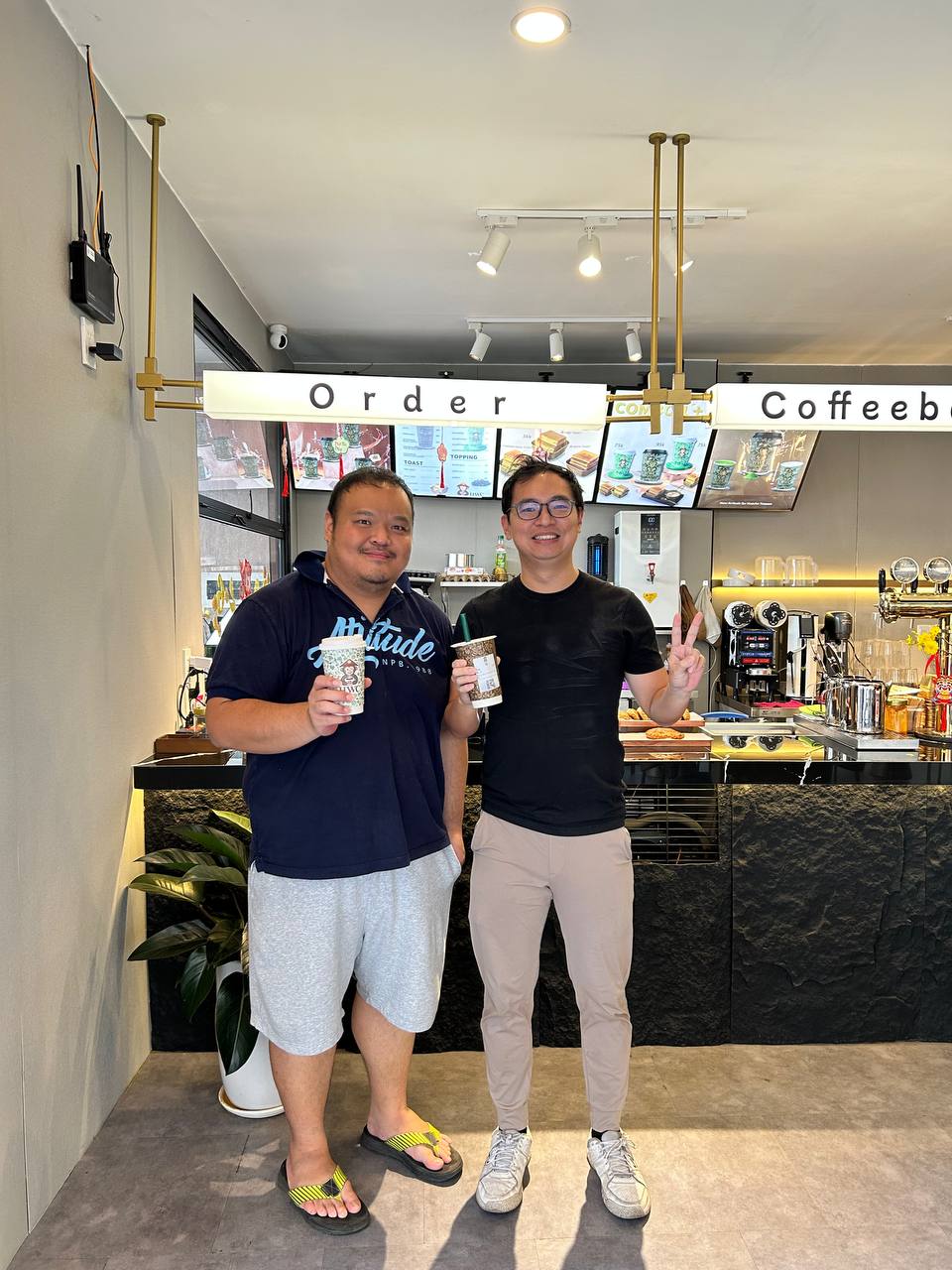
Vietnam’s coffee narrative has long been dominated by the resilient, earthy Robusta bean—from sunlit plantations in the Central Highlands to bustling city cafés fueling the morning rush with phin-brewed classics. Today, however, a new chapter is unfolding on the vibrant streets of Ho Chi Minh City, where bold drink makers are blending tradition with audacity. At specialty spots such as the bustling address of 244 Điện Biên Phủ, Phường 17, Bình Thạnh, Hibiscus White Coffee (HWC)—a tart, floral, and creamy fusion—captivates locals and tourists alike. As Vietnam’s coffee market eyes US$1.2 billion in domestic growth by 2033, HWC signals not only a shift in consumer taste but a deeper transformation: premium innovation, global ambition, and a sustainable future.
The Rise of Specialty Coffee and the Vietnam Market Boom
Historical Roots Meet Modern Demand: Once a quiet powerhouse, Vietnam now sits at the global coffee table as the world’s #2 exporter, riding a surge of US$8.3–8.4 billion in exports for market year 2024/25—driven by resilient Robusta crops and high prices averaging US$4,151/ton. But beneath the headline numbers, the market’s fabric is evolving. More than 500,000 domestic outlets—including giants like Highlands Coffee (855–900 stores) and Starbucks (150 stores)—signal deep urbanization and café culture.
Premium Innovation: As disposable incomes and aspirations rise, so does demand for premium specialty drinks. The Vietnamese coffee market, valued at US$511 million in 2025, is projected to swell to US$1.2 billion by 2033, charting a CAGR of 8.13%. This is driven by rising appetite for innovative beverages like HWC, organic/green/single-origin coffees, and creative fusions that echo global trends (incorp.asia).
Hibiscus White Coffee: Storytelling Through Flavor and Experience
Beverage Fusion as Reflection: HWC uniquely blends hibiscus tea’s tart floral notes with the creamy depth of Vietnamese white coffee—a union that echoes the diversity and dynamism of modern Vietnam. This beverage is more than a flavor experiment; it is a canvas for the country's evolving palate, drawing in young, urban consumers who crave novelty and authenticity. HWC’s presence in Bình Thạnh, an epicenter for affluent youth and café density, highlights how product innovations anchor themselves in the market through vibrant, experiential retail.
Responding to Consumer Pulse: Premium coffee consumption is forecasted at 4.9 million 60-kg bags for MY 2025/26, with annual growth at 6–6.6% through 2030. The 12% CAGR in instant coffee, combined with the specialty segment’s 7–12% CAGR, illustrates Vietnam’s twin-track approach: speed and quality. With government support for export and chains’ vertical integration, this market is ripe for value-added products and creative fusions.
Comparative Perspectives: Tradition Versus Innovation in Vietnamese Coffee
Conventional Wisdom: For decades, Vietnam’s coffee story was built on the sturdy backbone of Robusta cultivation and export. Brands like Trung Nguyên and Phúc Long, with their hundreds of outlets, thrived on consistency, volume, and national identity. Many traditionalists view coffee through the lens of its agricultural roots—farmers, weather cycles, and global commodity flows.
Innovators’ Approach: However, innovators like HWC cafés are shifting the paradigm, prioritizing product-market fit, immersive experiences, and premium positioning. The rise of specialty coffee fusions—organic, green, single-origin—reflects a consumer desire for sustainability and differentiation. E-commerce further accelerates this transformation, democratizing access and empowering individual roasters and creative entrepreneurs.
Global Context: Vietnam’s production rebound in 2026, combined with robust export momentum, is an opportunity for both traditional chains and specialty startups to scale new products and engage international markets, especially in times of global shortages (Tridge).
Emerging Patterns and Tactical Shifts in Vietnamese Coffee
Market Diversification: The café boom—underpinned by 17.2 million tourists in ten months of 2025—has fostered a landscape where specialty drinks like HWC thrive alongside classic brews. Urbanization and the rising affluence of Vietnam’s cities fuel innovation, with chains swiftly adapting to sustainability and organic trends.
Vertical Integration and Farmer Empowerment: High coffee prices sustain farmer incomes, enabling investment in quality and experimentation. Chains leverage vertical integration, from bean sourcing to café operations, to maintain consistent quality and introduce novel products, reducing risk from weather cycles and market saturation.
Risk and Opportunity: The sector faces risks—weather volatility, global supply constraints, and outlet saturation—but specialty fusions, tourism-driven experiences, and digital platforms offer resilient buffers and new revenue streams. Business leaders visit HWC cafés to validate product-market fit, network with roasters, and position themselves for the 2026 production rebound (Datainsights Market).
Innovative Practices: The Business Case for Specialty Fusions
Trend Leadership and Market Validation: Offering specialty fusions like Hibiscus White Coffee is more than a creative flourish; it is a strategic move. Café operators and chains deploy these products to lead local trends, test new concepts, and gauge consumer appetite for value-added beverages. This aligns with the sector’s critical shift toward organic, green, and single-origin, which is a core growth catalyst.
Competitive Benchmarking: Visiting specialty spots provides tangible insight into consumer behaviors—how young, affluent demographics interact with the product, sustainability narratives, and experiential elements. Leaders compare these experiences against established chains to extract lessons on differentiation, pricing, and scalability.
“There is no longer just one Vietnamese coffee story. The new chapter is being written in every cup of Hibiscus White Coffee, where tradition fuses with innovation—and where the world’s second-largest exporter becomes a global leader in creative, premium coffee experiences.”
Real-World Implications: The Café as a Laboratory for Growth
Café Density as Testbed: With over 500,000 outlets dotting Vietnam’s urban landscape, the café is not just a social hub but a laboratory for product testing and consumer engagement. Bình Thạnh’s café clusters are ground zero for observing the intersection of local identity, global influences, and emerging taste preferences.
Investment and Scale: Government support for export, combined with chains’ scale and vertical integration, creates fertile ground for specialty product growth. High coffee prices and steady farmer income enable the value chain to adopt innovations without sacrificing financial stability.
Forward-Looking Insights: Strategic Imperatives for Business Leaders
Capitalizing on the 2026 Production Rebound: As Vietnam gears up for a 6–10% production increase in MY 2025/26, business leaders must position themselves to capture both domestic and international market growth. Visiting HWC cafés provides actionable intelligence—validating product-market fit, networking with local roasters, and benchmarking against established chains.
E-Commerce and Tourism Synergies: The marriage between specialty coffee, e-commerce, and tourism offers unique synergies. With 17.2 million tourists and rising café density, Vietnam’s coffee sector is increasingly exportable—both as a tangible commodity and as a lifestyle experience.
Comparative Reflections: New Viewers Versus Seasoned Players
For New Viewers: Specialty fusions like HWC may appear as trendy novelties, emblematic of Vietnam’s rapid urbanization and youthful energy. But beneath the surface lies a strategic reimagining of national identity—one where sustainability, creativity, and global appeal fuse with deep-rooted tradition.
For Seasoned Players: Established chains and legacy brands view this innovation as both an opportunity and a challenge. The rise of specialty drinks demands investment in product development, marketing, and supply chain agility. Those who can adapt will sustain relevance; those who resist risk obsolescence in a market with a projected CAGR of over 8% (Daily Coffee News).
Conclusion: The Future Trajectory of Vietnam’s Coffee Innovation
Vietnam stands on the cusp of a transformational era in coffee. The market’s swelling size—US$1.2 billion projected by 2033—reflects not just growth, but a fundamental shift in what coffee means to Vietnamese society and consumers around the globe. Specialty fusions like Hibiscus White Coffee are emblematic of a broader narrative: urbanization, affluence, and the rise of premium, sustainable, and innovative beverages. As business leaders, investors, and café operators engage with this landscape, the strategic imperative is clear—embrace innovation, leverage local insights, and capitalize on the market’s growing appetite for creative coffee experiences.
With government support, robust export momentum, and a production rebound on the horizon for 2026, Vietnam’s coffee sector is set to lead—not just with volume, but with vision. The world is watching; now is the time to invest, experiment, and shape the next chapter in global coffee culture, cup by specialty cup.