
Home Contents Insurance In Singapore (2024–2026): Whats Covered, Fire & Theft Limits, And Key Trends For Decision Makers
The Evolution of Home Contents Insurance in Singapore: Navigating Fire, Theft, and the Multi-Peril Era
Singapore’s skyline is a testament to ingenuity, prosperity, and careful regulation. But beneath this architectural beauty, a quieter revolution has been shaping how Singaporeans protect what matters most—their home contents. While fire insurance for structural damage has been compulsory for decades, the advent and rapid refinement of home contents insurance has transformed homeowner security, risk management, and even financial planning for households across the nation. This exposé dives deep into the market’s trajectory, unpacks the interplay of fire and theft coverage, and showcases the wider implications for insurers, brokers, property agencies, and the public as Singapore moves toward a new era of comprehensive, lifestyle-driven protection.
Understanding “Home Contents”: A Standardized Paradigm with Local Nuance
Defining the Scope
The term “home contents” is now standardized across major Singapore insurers, but its roots and current interpretation carry distinct local nuances. Traditionally, insurance covered only immovable structures—walls, roofs, permanent fixtures. In contrast, contents insurance focuses on movable household items—furniture, appliances, electronics, clothing—as well as internal fixtures and renovations such as built-in carpentry, flooring, and air-conditioning units (Allianz SG). This modular approach reflects Singapore’s unique blend of public and private housing, and the rising importance of renovations as both financial and lifestyle investments.
Valuables and Personal Belongings
Expanding the umbrella, policies now include artwork, collectibles, personal money, papers, and even credit cards—provided the loss occurs due to an insured peril at the residence (DBS Home Contents Insurance). The concept is no longer just about physical objects; it’s about protecting the full spectrum of daily life.
Fire Coverage: The Anchor Peril and Its Strategic Implications
Fire as a Core Insured Event
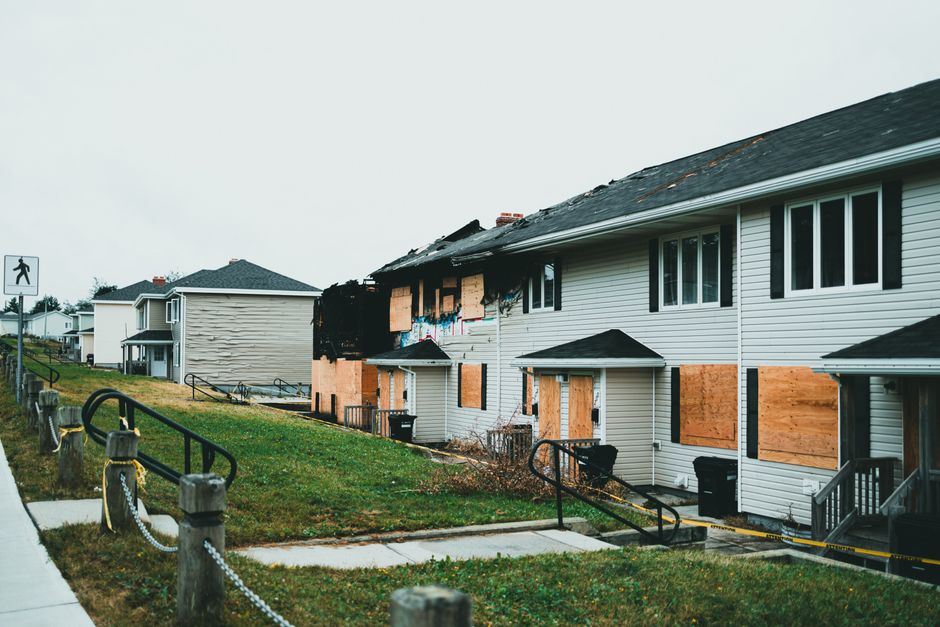
Singapore’s insurers universally position fire as a headline peril. In fact, most home contents policies explicitly list fire, lightning, and explosion among insured events, underlining its foundational status (Singlife, NTUC Income, AIG).
Supplementing Compulsory Building Fire Insurance
For HDB and strata-title homeowners, compulsory fire policies cover only the building’s structure. Home contents insurance fills this gap by extending coverage to what’s inside and to renovations—an important distinction that shapes both consumer demand and product design (DBS).
From Fire-Only to Multi-Peril Packages
The biggest shift? Fire is now the baseline, with modern products competing on breadth of coverage—water damage, accidental damage, living expense benefits, and more. This broadening of scope reflects both greater risk awareness and a desire for seamless recovery after disasters.
Theft Coverage: The Critical Role of “Situation” and Risk Controls
Theft with Forcible Entry
While fire is near-universal, theft coverage is nuanced. Insurers almost always require forcible or violent entry for theft claims—limiting payout to situations where there’s clear evidence of break-in (AIG, Allianz). This stipulation guards against opportunistic, unexplained disappearances and soft fraud.
Sub-Limits and Structured Protection
Theft coverage is often subject to a percentage of the total contents sum insured (for instance, 25%) or a fixed sub-limit—S$37,500 in some AIG Homes Essential products. These controls help insurers manage capital allocation and loss ratios, even as they market theft cover prominently.
Exclusions for Portable Items
Most policies exclude loss of portable items outside the home, or treat them under separate riders. This reflects both actuarial risk and practical security realities in Singapore’s urban context.
Emerging Patterns: The Rise of Multi-Peril and Lifestyle-Oriented Protection
Water Damage, Flood, and Accidental Events
A clear pattern is the expansion of covered perils. Now, policies frequently include water damage (from burst pipes or overflowing tanks), flood, accidental damage, explosion, and even riot and civil commotion (99.co guide). This multi-peril approach ensures that homeowners are protected from a wide spectrum of modern risks.
Peripheral Benefits: Cash Allowance and Temporary Accommodation
Insurance is no longer just about replacing lost items. Increasingly, products offer emergency cash allowances, temporary accommodation (often up to 30 days), and storage costs after major incidents like fire or flood (Ohmyhome/Singlife). These benefits align closely with customer experience—helping families rebuild their lives faster and more comfortably.
Legal Liability and Personal Accident
Some packages now bundle legal liability, personal accident, and even emergency assistance, expanding the value proposition beyond traditional property protection (HL Bank).
Comparative Perspectives: How Singapore Differs from Global and Regional Norms
Singapore vs. Global Markets
Globally, home contents insurance often excludes renovations or internal fixtures, focusing strictly on movable items. Singapore’s inclusion of built-in carpentry, flooring, and air-conditioning units is a deliberate adaptation to local housing stock and renovation culture.
Risk Controls and Capital Allocation
Singapore’s structured theft coverage, with its insistence on forcible entry and capped sub-limits, is stricter than many Western markets but reflects the realities of dense urban living and the need for tight loss management.
Modular, Digital Distribution
Banks and property platforms have led the way in offering digital purchase pathways and tiered sum-insured options—making contents insurance accessible and customizable for Singapore’s digitally savvy population (DBS, Ohmyhome).
Strategic Shifts: Product Structure, Limits, and Regulatory Context
Split Sums Insured for Renovations and Contents
A major innovation: Policies now often have separate buckets—and pricing—for renovations and contents (HSBC HomeSure, Singlife). This allows tailored coverage, reflecting the differing risks and values.
Interaction with Building Fire Insurance
Public housing owners are required to hold fire insurance for the building structure; contents policies are marketed as essential supplements, with brokers and banks emphasizing the gap in coverage that can leave homeowners exposed.
Risk Differentiation via Wordings
Increasingly, products compete on the precision of their policy wordings—especially regarding theft, accidental damage, and sub-limits. Tight definitions support more predictable claims and distinguish products in aggregator rankings (SmartCalculator.sg).
Real-World Implications: Claims, Recovery, and Customer Experience
Claims Frequency and Severity
Statistical patterns show that contents claims are more frequent—but generally lower in severity—than structural fire claims. Theft and water damage are the most common, driving insurer focus on risk management protocols. Renovation claims spike in major incidents, underscoring the need for accurate insured values.
Customer Experience After Disaster
The evolution toward multi-peril coverage and ancillary benefits has been driven by real-world feedback: families displaced by fire need both item reimbursement and temporary accommodation; the trauma of theft requires fast payouts and emotional support.
Public Housing Focus
Enhanced public-housing products provide detailed theft and household contents limits, reflecting government and insurer partnership to deliver structural protection to mass-market policyholders (AIG Enhanced Public Housing Contents).
Emerging Innovations and Tactical Shifts
Digital Purchase and Modularity
Online distribution has democratized access, with rapid onboarding and instant coverage. Tiered packages, flexible sum-insured choices, and easy claims submission are now standard across major banks and property platforms (DBS NAV).
Lifestyle-Oriented Marketing
Modern messaging frames home contents insurance not as a reluctant necessity but as a lifestyle enabler—bundling liability, personal accident, and travel coverage for a holistic solution.
Risk Controls: From Underwriting to Wordings
Sophisticated insurers now deploy granular sub-limits, situational clauses (like “theft by forcible entry”), and digital risk profiling, ensuring claims are both fair and sustainable.
Forward-Looking Risks and Opportunities
Climate Change and Water Damage
Increasing incidence of floods and pipe bursts, driven by climate volatility and aging infrastructure, are pushing water damage coverage higher in the product hierarchy (MSIG Home Insurance). Insurers are responding with tighter claims inspection protocols and premium differentiation.
Data-Driven Personalization
The next frontier is likely personalized contents insurance—using smart devices and digital profiles to tailor coverage, price, and claims processes. This shift will further align products with individual household risk.
Cross-Platform Ecosystems
Agencies, property platforms, and banks are exploring cross-selling, bundling, and ecosystem strategies—delivering value via bundled protection, rewards, and service integration.
The strategic future of home contents insurance in Singapore is not just about insuring physical assets, but about orchestrating holistic protection, seamless recovery, and resilient lifestyles—where coverage, customer experience, and digital innovation converge to redefine what it means to feel truly secure at home.
Comparative Segment: Old vs. New Perspectives
Classic Peril-Only vs. Modern Multi-Peril Coverage
Older policies focused narrowly on fire and theft—often with vague definitions and cumbersome claims. The new generation, by contrast, offers expanded peril lists, clear situational requirements, modular pricing, and prominent ancillary benefits.
Policy Wordings and Claims Practices
Where “theft” once implied vague losses, now it’s tightly constrained (“violent and forcible entry”), with evidence required and sub-limits enforced. This clarity benefits both insurer and insured—reducing disputes and improving claims transparency.
Distribution and Customer Experience
The digital revolution has transformed insurance from a complex, agent-driven process to an accessible, customer-focused one—allowing consumers to compare, customize, and claim with unprecedented speed.
Conclusion: The Strategic Imperative for Stakeholders
Singapore’s home contents insurance market is at a pivotal juncture. Fire remains the bedrock peril, but the market has evolved—driven by urban realities, regulatory change, digital transformation, and rising customer expectations. Crucially, theft is covered, but only in situations backed by evidence; water damage, flood, and accidental damage now round out a comprehensive risk protection model.
For insurers, brokers, and agencies, the imperative is clear: innovate, differentiate, and deliver holistic, modular cover—combining precise underwriting, lifestyle benefits, and digital convenience. For homeowners, the challenge is to select coverage that not only replaces lost items, but enables resilient recovery and peace of mind.
Looking forward, the strategic importance of home contents insurance will only deepen—anchored in a vision of protection that transcends objects and embraces the complexity of modern living. Those who succeed will be the ones who anticipate new risks, build flexible products, and empower customers every step of the way.