
How A Dynamic Skin Health Dashboard Is Revolutionizing Skincare Routines In Bangkok: Real-Time UV, Pharmacy Data, And Climate-Adaptive Solutions
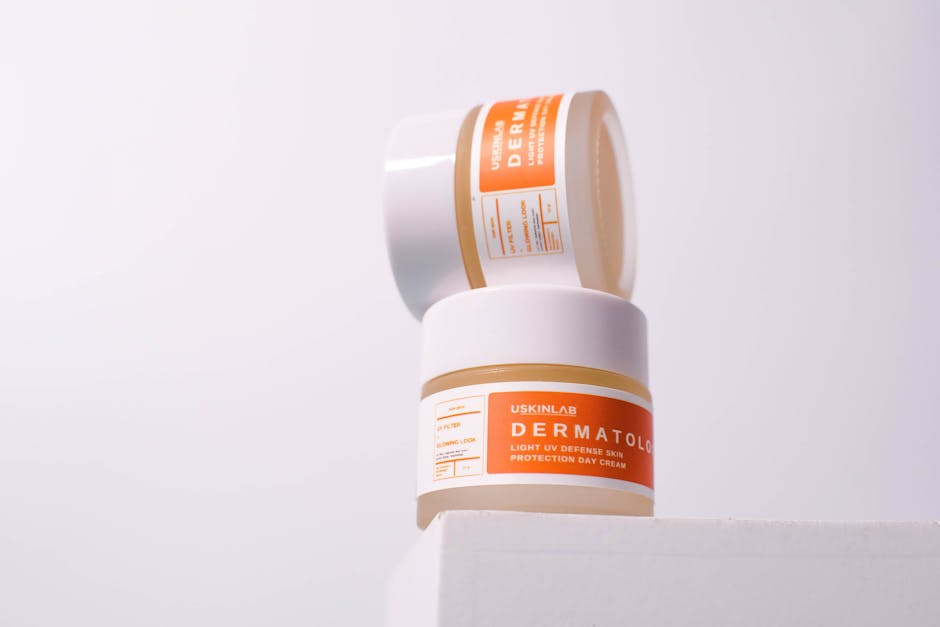
Building a Dynamic Skin Health Dashboard for Bangkok: Revolutionizing Skincare in Humid Urban Climates
Introduction: Beyond One-Size-Fits-All—Why Bangkok Needs Dynamic Skincare
Skin health in Bangkok is uniquely challenged by a relentless mix of high heat, constant humidity, intense UV radiation, and fluctuating pollution. For the skincare-literate urban Southeast Asian, traditional approaches—whether heavy creams or “quick-fix” serums—often prove inadequate and even counterproductive. Many experience the paradox of oily yet dehydrated skin, cycles of reactivity after ambitious routines, and the frustration of products that promise much but deliver little in real-world conditions.
Enter the era of dynamic skincare dashboards: systems that combine real-time wearable UV data, local weather, and pharmacy purchase behavior to make precise AM/PM skincare recommendations. For consumers accustomed to layering products and still battling midday shine, redness, or breakouts, this approach is a game-changer. This article explores how wearable technology and pharmacy data can empower consumers and brands to shift from static routines to context-aware, barrier-first systems—especially in climates like Bangkok’s where the best sunscreen for humid weather, lightweight sunblock Southeast Asia, soothing gel for redness humidity, and repair skin barrier humidity are not luxury, but necessity.
Key Trends and Strategies in Climate-Adaptive Skincare
1. The Move from Product-Centric to Context-Centric Care
Southeast Asian skincare consumers, especially those aged 25–40 in urban environments, are rejecting static, Western-style routines in favor of approaches that factor in their unique climate. Local leading brands such as AURA and Aurea are at the forefront, advocating for:
- Lightweight, breathable, non-comedogenic formulas—think serum for oily dehydrated skin and repair skin barrier humidity products
- Barrier-first and gentle biotech solutions targeting both acne and sensitivity
- Pollution protection and sweat-resistant routines, integrating Korean Japanese skincare for tropical skin innovation
2. Integrating Wearables—Bringing Environmental Triggers into Your Routine
Modern wearable UV sensors and smartphone APIs are now able to track UV exposure, humidity, and pollution in real time. Brands are leveraging this data to time sunscreen reminders and adapt product recommendations: for instance, a surge in UV exposure during a lunch commute triggers a switch to lightweight sunblock Southeast Asia or prompts midday reapplication. These personalized nudges lead to higher compliance with best sunscreen practices for humid climates, supporting anti-aging in a practical, daily way.
3. Pharmacy Loyalty Data—Turning Real Purchases into Routine Intelligence
Pharmacy loyalty programs now offer a “real-world window” into skin behavior. Patterns in product purchases—such as spikes in acne treatments, calming creams, or barrier repair moisturizers—can indicate underlying routine drift or emerging skin concerns. For instance, a sequence of exfoliant followed by soothing gel for redness humidity purchases may signal irritation, prompting a system recommendation to dial back actives and focus on barrier recovery.
4. Routine Intelligence: Making Skincare a Feedback Loop
The strategic convergence of environmental, behavioral, and purchase data allows brands and individuals to create dynamic dashboards that:
- Adjust AM routines based on forecast UV, humidity, and commute
- Guide mid-day actions (e.g., sunscreen reapplication) via wearable triggers
- Refine PM recovery steps using cumulative exposure and product purchase history
State and Recommendations: Practical Guidance
- Prioritize context over habit: Build routines that update daily with UV, pollution, and skin state, especially using dashboard tools.
- Track with intent: Use wearable UV sensors and log reactions to pinpoint when and why flare-ups or breakouts occur.
- Let pharmacy purchases guide adjustment: Recurring calming or acne-treatment buys signal routine mismatch—act on it, not just with more products but better sequencing and timing.
- Separate AM protection from PM repair: Use lightweight sunblock Southeast Asia and anti-pollution layers in the morning; focus on soothing gel for redness humidity and barrier repair at night.
- Emphasize barrier-first before actives: Only introduce anti aging serum humid climate and exfoliants once the skin barrier is stable and not irritated.
- Demand privacy and transparency: Always use dashboards and loyalty programs that offer explicit opt-in, data deletion, and local processing.
- Measure success by stability: The goal is fewer flare-ups, less product churn, and longer routine adherence—not just more app engagement.
Comparison Table: Legacy vs Adaptive Approaches
| Dimension | Heavy Occlusive Western Products | Breathable Layered Systems |
|---|---|---|
| Texture/Performance | Thick creams, may feel suffocating in humid climates, often clog pores | Light, fast-absorbing; optimized for sweat, pollution, and daily climate shifts |
| Routine Logic | Static, based on outdated climate assumptions | Dynamic, context and state-based (formulation logic and feedback loops) |
| Skincare Outcome | Short-term fixes, frequent irritation or congestion cycles | Long-term resilience, improved barrier health, fewer breakouts |
Segmentation: Challenges, Opportunities, and Comparison
Climate-Aware Skincare Users
This group actively seeks out Korean Japanese skincare for tropical skin, lightweight sunblocks, and products with proven efficacy in high heat/humidity. The main challenge lies in navigating overwhelming product choices and deciphering which routine fits the day’s environment. Opportunities include dashboard-driven recommendations, timely reminders for reapplication, and barrier-first regimens that match Southeast Asian urban realities.
Sensitive / Compromised Skin
Users prone to flares or redness from pollution and heat often experience little relief from standard calming products. They benefit most from dashboards that flag pollution spikes (e.g., PM2.5 surges) and suggest switching to soothing gel for redness humidity and avoiding actives. Brands can differentiate by demonstrating clinical validation and flexible, gentle recovery options.
Oily-Dehydrated, Combination, and Reactive Skin Types
Common in Bangkok, these users face the paradox of midday shine with underlying dehydration. The greatest opportunity is separating oil-control from barrier repair: lighter cleansers in the AM, humectant-rich hydrators, and reducing overuse of acids. Dynamic routines help prevent the see-saw of stripping followed by over-moisturizing.
Early Anti-Aging (25–40)
This cohort is proactive but cautious, often layering anti-aging serum humid climate with sunscreen. They struggle with irritation from potent actives under humid conditions. Dashboards can optimize timing, spacing introduction of retinoids, and ensuring UV protection is prioritized as the first anti-aging step.
Urban Southeast Asia: Segmented Comparison
- Opportunities: Unified dashboards, climate-adaptive product lines, real-time recommendations, habit tracking, and pharmacy-linked behavioral insights
- Challenges: Data privacy, analytic complexity, and adapting Western-origin product marketing to local needs
Segment Comparison
| Segment | Main Challenge | Dashboard Opportunity |
|---|---|---|
| Climate-aware | Choosing daily routine under complex weather/UV | Personalized, adaptive routines; AM/PM split |
| Sensitive/Compromised | Barrier flares from pollution, actives misuse | Early warning for triggers, barrier-first prioritization |
| Oily-Dehydrated/Reactive | Oiliness misread as hydration excess | Gentle, non-stripping routines; humectant layering |
| Early Anti-Aging | Tolerance for actives, balancing results with comfort | Routine pacing, UV-driven scheduling of actives |
“In Southeast Asia’s humid cities, the best skincare is not the strongest—it’s the most adaptive. Turning data from wearable UV sensors and pharmacy purchases into actionable routines marks the new era of barrier-first, environment-aware skin health.”
Conclusion: Strategic Imperatives and What Comes Next
The future of skincare in Bangkok and Southeast Asia is clear: routines must become as dynamic as the climate itself. Relying on static, Western-origin routines or trend-driven “hero” products is no longer sufficient, especially for those seeking real barrier resilience, anti-aging, and comfort in humidity. Brands and consumers should embrace dashboards that integrate wearable UV sensors and pharmacy loyalty data, moving toward context-aware, feedback-driven skin systems.
As more users demand privacy, measurable results, and simple, effective recommendations, firms that combine clinical intent, technological integration, and climate-adapted formulation will lead. Those clinging to static products or ignoring behavioral feedback will be left behind.
In the coming years, expect dynamic dashboards to become mainstream—not surveillance tools, but decision partners. The distinction between skincare and health-tech will blur. Consumers will finally have the clarity, control, and skin stability they have long sought—right when and where they need it.