
How Amazon Prime, DashPass, And Streaming Bundles Are Transforming Urban Food Delivery In The US And Canada
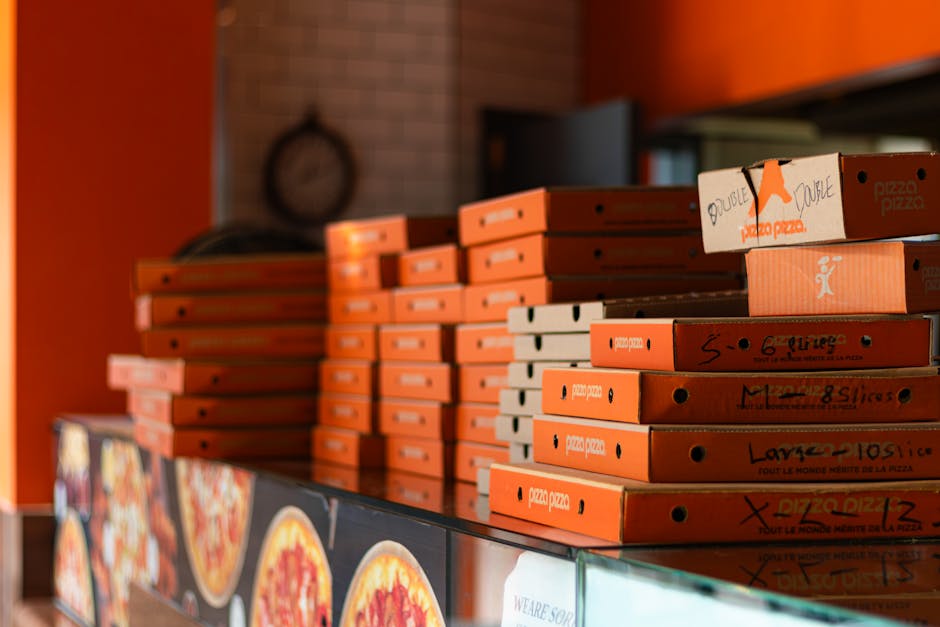
Urban Food Delivery Is Bundled: How Prime + DashPass Are Remaking North American Commerce
Over the last decade, the explosion of urban food delivery transformed how consumers in North America eat, shop, and experience convenience. Once considered a premium add-on for the time-starved or affluent, delivery now sits at the beating heart of urban lifestyles. But a new wave of change is upon us: the age of the subscription bundle. Amazon’s Prime, DoorDash’s DashPass, and financial-service integrations like Chase have fused food, retail, and streaming into seamless, always-on ecosystems. As bundles become the default access point to delivery, the rules of growth, competition, and customer expectation are being rewritten in the US and Canada. This exposé explores the mechanics, implications, and future of bundled delivery, drawing on market data and leadership insights.
The Rise of the Bundle: Delivery as Default, Not Luxury
From “Delivery Insurance” to Multi-Service Membership: Once, DashPass was sold primarily as a way to offset delivery fees for frequent DoorDash users. At $96/year in the US (source), the subscription unlocked $0 delivery fees and reduced service fees, creating “insurance” for high-volume consumers. Yet in 2024, DashPass has evolved. With streaming perks (Max With Ads bundled in) and tie-ins to Amazon Prime and Chase credit cards, it’s now a multi-service loyalty platform, rivaling industry giants for a place in the household budget.
Amazon Prime: The Universal Loyalty Backbone: Prime membership—already ubiquitous in North America for retail and streaming—has expanded into food delivery. In the US, members can order from Grubhub via the Amazon app, with exclusive deals; in Canada, Prime waives the C$120/year DashPass fee for a full year (source). For millions, the psychological barrier to delivery—“is this fee worth it?”—evaporates, replaced by a sense that delivery is an always-on entitlement.
Financial Services: Bundling as Acquisition Engine: Banks are co-funding access to delivery platforms, using DashPass as a hook. Chase cardholders, for instance, can unlock a year (or more) of DashPass perks with $0 delivery and credits back for pick-up orders (source). The result: DashPass and similar memberships are ambient—they’re simply part of your lifestyle by virtue of your wallet or mobile plan.
Behavioral Shifts: What Bundling Means for Urban Ordering Habits
Order Frequency and Low-Friction Consumption: Bundling obliterates the old marginal cost question. Instead of agonizing over whether a delivery fee is justified, urban users with Prime or DashPass simply order as frequently as they wish—often for smaller, more spontaneous occasions. Industry data consistently shows subscription users ordering far more often than the non-bundled cohort, especially in cities where Prime and DashPass overlap sharply.
Bigger, Broader Baskets: Removing delivery fees naturally incentivizes larger orders. Consumers load extra items—desserts, family packs, snacks—to maximize value. Grocery and convenience platforms actively promote “fill-in” baskets and add-ons to DashPass users, expanding category mix beyond the classic restaurant meal.
Stream-Driven Demand and Temporal Shifts: The fusion of food and streaming (think Max + DashPass) transforms evenings and weekends into hot demand windows. Ordering synchronizes with TV premieres, sports events, and release schedules. For operators, expect volatility and order spikes around tentpole content, with off-peak and late-night orders climbing among subscription-heavy households.
Competitive Dynamics: Ecosystems, Margin Pressure, and the New Reality
A Shrinking Space for Standalone Apps: In both the US and Canada, the incremental appeal of a non-bundled delivery service is waning. The dominant ecosystems—Amazon (Prime), DoorDash (DashPass), and financial services perks—capture loyal, high-frequency users. Competing apps without bundle tie-ins face much steeper customer-acquisition costs and retention challenges.
Resetting Price Expectations: Bundles anchor urban users to $0 delivery and heavily discounted fees, making fee increases commercially risky. Platforms, in turn, squeeze margins from merchants (higher commission rates, paid placements), couriers (batching and efficiency), and ancillary fees (small-order surcharges). For restaurants, participation in DashPass and Prime-linked bundles becomes less an option and more a matter of survival in top metros.
Regulatory Complexity Rises: As bundled subscriptions become structural infrastructure, cities and provinces grapple with delivery-fee caps, worker classification, and transparency mandates. Regulators eye auto-renewals, cross-subsidization, and the potential anti-competitive impact of bundles, especially on independent restaurants and small retailers.
Comparative Perspectives: United States vs. Canada
United States: Integration, Overlap, and Streaming Synergy
US markets showcase maximum ecosystem overlap. Urban households often hold multiple memberships (Prime, DashPass, Chase), resulting in outsized delivery penetration and multi-platform ordering. Bundles like Max With Ads (via DashPass annual) add entertainment stickiness to food delivery, while financial institutions like Chase subsidize membership for millions.
Local restaurant groups in the US must participate in at least one major bundle ecosystem to access the city’s most engaged customers, combining marketplace presence (DoorDash, Grubhub) with direct ordering and loyalty for margin preservation. Suburban areas see moderated bundle impact due to restaurant density and delivery logistics.
Canada: Prime-Powered DashPass Expansion
In Canada, Amazon Prime’s free DashPass year extends Prime’s reach into restaurant, grocery, and convenience delivery. The reservation price for trying DoorDash among Prime households is zero, turbocharging trial and habit formation. For at least one year, DoorDash gains structural share among urban Prime subscribers, forcing competitors like Uber Eats and SkipTheDishes to devise their own bundling strategies.
Canadian multi-location brands should prioritize DoorDash integration during the Prime-funded year, tracking order mix and DashPass penetration. Smaller platforms face an uphill battle matching a C$120 annual fee waiver underwritten by Amazon’s immense scale.
Numbers That Matter: Subscription Economics and the New Logic
DashPass and Bundled Value: In the US, DashPass runs $96/year (or $9.99/month), offering $0 delivery and exclusive deals. Chase cardholders can get up to 17 months free, and Prime in Canada waives C$120/year for a full year. Max With Ads streaming amplifies the annual plan's stickiness, with ad-free upgrades at $10.99/month.
Platforms justify these heavy subsidies through higher order frequency, larger baskets, and incremental digital gross merchandise value (GMV). For merchants, the effective cost-per-incremental order remains competitive, especially when compared to the cost of acquiring equivalent digital demand through standalone efforts.
Innovative Practices and Playbooks for Decision Makers
For Restaurant and Virtual-Brand Operators: DashPass and Prime-linked subscriptions are non-optional in dense urban areas. Engineering menu offerings for bundle economics (family packs, high-margin add-ons), leveraging streaming-driven promo opportunities, and building direct-order loyalty programs are essential. Testing paid placements and DashPass-only discounts during peak streaming events can win share.
For Grocery, Convenience, and CPG Brands: On-demand baskets, cross-category “fill-in” packs, and localized assortment in DashPass/Prime-heavy neighborhoods drive engagement. Co-marketing with platforms around streaming or tentpole moments unlocks incremental trial.
For Financial Institutions and Telcos: Bundling delivery perks to premium cards or mobile plans, leveraging delivery data for lifecycle marketing, and building differentiated loyalty stacks are potent opportunities. The Chase–DashPass and Prime–DashPass/Grubhub models offer benchmarks for engagement and retention.
For Delivery Platforms: Pursue multi-service bundling (streaming, gaming, mobility), optimize courier networks with subscription-driven data, and plan retention offers ahead of post-promotion churn windows. Coordination with partners (Amazon, telcos) to sustain retention after free periods may be the next competitive frontier.
For Policymakers: Treat subscription bundles as permanent infrastructure, not a pandemic-era anomaly. Transparency around auto-renewals, real fee structures, and competitive impacts must rise to meet the new baseline of urban delivery.
Forward-Looking Insight
“In the urban commerce stack, bundled delivery memberships are fast becoming as fundamental as mobile data plans or credit cards—structural channels that shape not just what consumers order, but how entire cities function.”
Strategic Roadmap: Next 12–24 Months
Market Mapping and Financial Modeling: Quantify Prime and DashPass penetration in target DMAs, and benchmark subscription-member share of orders. Build P&Ls that model fee tiers, margin impact of add-ons, and bundle-driven demand surges on operations.
Scenario Planning: Assume bundles will deepen as banks, telcos, and streaming services pile on, driving higher volume but also price compression and regulatory scrutiny. Plan for downside scenarios—fee increases, cost shocks, or policy changes—and upside, including new partner integrations.
Execution: In the next 0–6 months, brands must align with at least one major bundle ecosystem and reengineer menus and promos for subscription economics. In 6–18 months, scale direct digital and loyalty; test co-marketing around streaming events. In 18–24+ months, reassess channel mix and renegotiate platform terms, considering multi-city expansion anchored on subscription-driven demand pockets.
Conclusion: The Strategic Imperative—and Crossroads—of Bundled Urban Delivery
Bundled delivery memberships, once a fringe convenience, now represent the backbone of urban commerce in North America. Amazon Prime, DashPass, and their streaming and banking partners are not just driving higher order frequency—they are teaching millions that instant delivery, fee-free, is an expected baseline. The tactical opportunity for restaurants, grocers, and brands is immense: those who embrace the subscription-centered ecosystem can ride the wave of trial, retention, and incremental demand. But the strategic challenge is clear. Competing outside the bundle is an increasingly uphill battle, with margin pressure, regulatory complexity, and channel lock-in as persistent threats.
For leaders in food, grocery, and adjacent sectors, the next 24 months are a test: will you leverage bundled delivery as the engine of growth, experimentation, and cross-category expansion, or will you watch as loyalty and market share pool around those who do? The future is not just more digital; it is more bundled, more hybrid, and more entwined with the fabric of urban life than ever before. Strategic action now will determine who shapes—and who is shaped by—the new bundled reality of North American delivery.