
How Coffee And Tea Extracts Are Fueling The Next Generation Of Skincare And Nutricosmetics In Southeast Asia: Trends, Insights & Opportunities Across Singapore, Malaysia, Thailand, Indonesia, Vietnam, And The Philippines
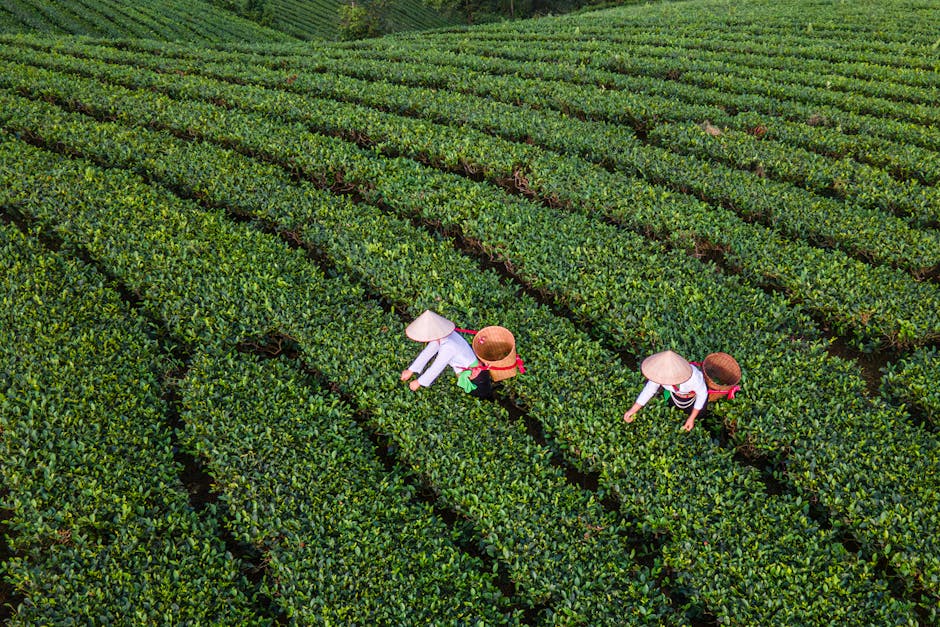
Coffee and Tea Plant Extracts: Shaping Next-Gen Skincare in Southeast Asia
Southeast Asia, renowned for its vibrant cultures and thriving agricultural landscapes, is experiencing a beauty revolution. At the heart of this seismic shift are coffee and tea plant extracts—long revered for their flavor and ritual, now rapidly ascending as flagship bio-botanicals in skincare and nutricosmetic innovation. This exposé traces the journey of coffee and tea from commodity crops to next-gen skincare powerhouses, dissecting scientific, consumer, and commercial forces now converging across Singapore, Malaysia, Thailand, Indonesia, Vietnam, and the Philippines. With robust evidence-based insight and a focus on real-world business implications, we explore how historic traditions, modern science, and sustainability meet at the intersection of beauty and wellness—with implications rippling across global markets.
The Science Behind Coffee and Tea Extracts in Skincare
Unlocking the Power of Botanical Actives
From the humble coffee bean to prized green tea leaves, plant extracts are gaining prominence in skin health conversations. A landmark 2026 systematic review in Antioxidants (Basel) synthesized considerable preclinical and early human data on coffee-derived materials: beans, leaves, fruit (cascara), and spent grounds. The review confirmed that polyphenols like chlorogenic acids and catechins are potent antioxidants, while alkaloids such as caffeine offer micro-circulatory and anti-inflammatory benefits. Diterpenes—including cafestol and kahweol—may even help defend skin against UV damage.
Key Biological Effects demonstrated in vitro and in small human trials include:
- Antioxidant and anti-aging actions (reducing oxidative stress, protecting collagen)
- Anti-inflammatory effects (down-regulating pro-inflammatory cytokines)
- Photoprotection (reducing UV-induced erythema)
- Wound healing and antimicrobial activities
Tea: The Established Botanical Champion
Tea extracts, particularly from Camellia sinensis, are already embedded in Asia’s skincare DNA. Polyphenols like EGCG (epigallocatechin gallate) deliver robust antioxidant, photoprotective, and anti-inflammatory benefits. L-theanine, prominent in green tea and matcha, is gaining ground for its stress-relief properties, supporting both topical and ingestible “holistic anti-stress skin” narratives.
Tea is steadily being reframed from common beverage to premium, functional botanical. Specialty tea’s projected 6.51% CAGR from 2026 to 2031 underlines its rising status across Asia Pacific (Kerry, 2026).
Consumer Shifts: The Rise of Edible Beauty and Beauty Snacking
Cultural Alignment Drives Acceptance
Asia’s historical belief system—“you are what you eat”—has paved the way for edible nutricosmetics. From bird’s nest popsicles to biotin-rich gummies, consumers increasingly turn to ingestible formats promising radiant skin and hair. The Straits Times highlighted the mainstreaming of collagen-infused coffees and teas, reflecting deep-rooted traditions in Southeast Asia of consuming collagen-rich foods for youthful appearance.
Dermatologists, however, urge a balanced approach: oral antioxidants like vitamin C and green tea extract can support skin color, firmness, and luminosity, but “are not substitutes for sunscreen” (The Straits Times). Brands are thus positioning these new offerings for synergy—not substitution—with conventional skincare.
Beauty Snacking: Ritual Meets Convenience
“Beauty snacking”—small, frequent doses of supplements via jellies, shots, or gummies—aligns seamlessly with Southeast Asian coffee and tea rituals. Morning collagen coffee, afternoon matcha beauty latte—these are increasingly common, connecting beauty routines with daily habits.
Tea Versus Coffee: Tactical Differentiation in the Asia Pacific
Tea's "Clean Caffeine" Advantage
According to Kerry’s 2026 analysis, tea is outpacing coffee in growth, particularly among Gen Z consumers seeking “clean caffeine”—calm energy without jitters or crash. Matcha and green teas are marketed for stress relief, gut health, and cognitive support.
Specialty tea is projected to grow at 6.51% CAGR (2026–2031), with Asia Pacific leading in market share (Kerry, 2026). These functional teas, layered with beauty actives like collagen and hyaluronic acid, hit the sweet spot for Southeast Asian consumers already attuned to flavor-driven tea culture.
Coffee’s Upcycling and Local Resonance
Coffee’s strengths lie in its sustainability narrative and deep regional roots. Upcycled coffee fruit or spent grounds fit circular beauty and waste valorisation trends. Indonesia, Vietnam, and Thailand, as major coffee producers, can leverage local sourcing to create farm-to-face stories, fulfilling both ESG mandates and consumer demand for authenticity.
Gen Z Beauty: Science-Backed Botanicals and Experiential Rituals
Demand for Science and Proof
Gen Z’s beauty purchasing is shaped by insistence on scientific substantiation. They look for named actives—EGCG, chlorogenic acid, caffeine—and references to mechanistic or clinical studies, rejecting vague herbal marketing (Provital).
Sensory and Sustainability Appeal
Experience matters: aromas, textures, and rituals are integral to product appeal. Coffee and tea inherently deliver on this, both topically (scrubs, masks) and orally (beverages, jellies). Sustainability and ethical sourcing are non-negotiable—upcycled ingredients, transparent supply chains, and community impact all drive purchasing decisions.
Next-Gen Formulations: Integrating Coffee and Tea in Modern Skincare
Topical Skincare: Hero Actives and Microbiome-Aware Innovation
Concentrated Botanical Extracts
Coffeeberry (coffee fruit) extracts and green/white tea are increasingly used for antioxidant and brightening claims. Bioreactor-produced actives ensure stable, standardised ingredient profiles, addressing a major gap—poor extract standardisation—identified in recent reviews (Antioxidants, 2026).
Microbiome Dynamics
Emerging research shows botanicals can reshape skin microbiota, offering opportunities (targeting acne-associated species) and risks (disrupting beneficial flora). Coffee and tea extracts with antimicrobial potential must be formulated thoughtfully, possibly paired with prebiotics for microbiome-friendly claims (World Pharma News).
Ingestible Beauty: Collagen Coffees and Beauty Teas
Collagen Coffee: Retail Breakthrough
Korea’s Clöud Café, a hydrolyzed collagen-infused coffee brand, launched into Wellness by Ulta Beauty in 2026, marking collagen coffee as a validated wellness category (GCI/Ulta Beauty). Southeast Asian brands can localise this model using indigenous beans and flavors.
Collagen Jellies and Shots: Mainstream Beauty Snacking
Collagen jellies and skin-brightening shots, profiled in The Straits Times, are ideal carriers for tea-based actives (matcha, jasmine, oolong) and coffeeberry. Ready-to-drink tea and instant coffee formats, already ubiquitous, can be directly upgraded with skin-linked actives.
Functional Teas: Beauty, Focus, and Gut Health
Next-gen “therapeutic teas” blend green tea with adaptogens for holistic stress relief, connecting to “stress-skin” narratives (stress-induced barrier damage, inflammation). Kerry notes rising demand for antioxidants, collagen, L-theanine, and probiotics in APAC tea offerings (Kerry, 2026).
Comparative Insights: Coffee Versus Tea in Southeast Asian Skincare
Scientific Evidence and Consumer Perceptions
While both coffee and tea deliver potent antioxidant and anti-inflammatory actions, tea currently enjoys somewhat stronger evidence for oral consumption’s photoprotective and systemic antioxidant benefits. Coffee’s topical benefits are promising but less substantiated, mainly due to methodological gaps in human studies. Consumer perceptions are shaped by tradition: tea is associated with calm and ritual, coffee with energy and sustainability.
Market Dynamics
Tea’s specialty market is expanding rapidly, especially among Gen Z (6.51% CAGR, 2026-2031), while coffee leverages upcycling and local cultural resonance. Brands must navigate these nuances: tea for premium functional positioning; coffee for farm-to-face and sustainability stories. Both ingredients fit seamlessly into beauty snacking formats and paired topical-ingestible product architectures.
Country-Level Strategies in Southeast Asia
Singapore
Premium, Evidence-Based Beauty
With high income and advanced retail infrastructure, Singapore is a proving ground for ingestible beauty. Consumers are early adopters but demand proof—products must be clinically substantiated and positioned as complements, not substitutes, for basic skincare (The Straits Times). Opportunities abound for premium collagen coffees, antioxidant matcha shots, and tech-plus-botanical narratives.
Malaysia
Café Culture Meets Halal Beauty
Malaysia’s rapidly growing middle class and strong café culture support RTD tea innovation. Halal-certified collagen matcha drinks and upcycled coffee cherry extracts can differentiate local brands. “Inner & outer halal beauty”—matching topical serums and beverages—is a strategic positioning.
Thailand
Spa Traditions and Brightening Claims
Thailand’s beauty culture centers on brightening and spa wellness. Coffee scrubs and green tea masks feature in spa menus, but next-gen opportunity lies in standardized spa-to-retail lines, using local arabica and green tea extracts paired with niacinamide and vitamin C for measurable brightening effects.
Indonesia
Upcycled Coffee and Community Impact
Indonesia’s status as a major coffee producer enables strong upcycling stories—spent grounds and husks as exfoliants and antioxidants. Brands can partner with coffee cooperatives for traceable, fair-trade supply. Instant collagen coffee sachets tailored to local profiles are a natural fit for the nutricosmetic market.
Vietnam
Farm-to-Face and Global Export
Vietnam can leverage its dual coffee and tea agriculture for domestic “farm-to-face” skincare and ingestibles. As a global B2B supplier of extracts—especially from upcycled grounds—Vietnam is poised to shape global beauty ingredient sourcing.
Philippines
Social Media-Driven, Climate-Adaptive Beauty
Filipino consumers, influenced by K-beauty and US trends, seek “Instagrammable” collagen milk teas and beauty cold brews. Climate challenges—heat, humidity, UV—drive demand for photoprotective catechins and barrier-supporting antioxidants. Influencer partnerships and café-to-beauty branding are key channels.
Risks, Gaps, and Scientific Ceiling: Navigating Reality Over Hype
Evidence Versus Marketing
While preclinical evidence for coffee and tea extracts is robust, human clinical validation remains limited. Small, short-term trials indicate modest improvements in hydration and elasticity, but methodological weaknesses (non-standardized extracts, heterogeneous outcomes) restrict their generalisability (Antioxidants, 2026). Tea’s evidence is stronger, particularly for oral photoprotection, but remains largely within cosmeceutical bounds.
Translational Barriers
Major barriers include insufficient pharmacokinetic data, inconsistent extract standardisation, formulation challenges (polyphenol stability), bioavailability uncertainties, and limited independent validation. Brands must invest in research and partnerships to overcome these gaps.
Regulatory and Claims Risks
ASEAN Cosmetic Directive and parallel frameworks require that products avoid therapeutic claims—“treats,” “cures,” “prevents disease” are strictly off-limits. Observational links between coffee intake and melanoma/BCC risk remain scientifically unproven and high-risk for marketing. Brands should stick to cosmetic/wellness claims, backed by ingredient-level tests and small human studies.
Strategic Recommendations: Building Science-Driven, Sustainable Beauty
Lead with Specific Actives and Evidence
Avoid generic messaging; spotlight “chlorogenic acid-rich coffee fruit extract (standardised to X% polyphenols)” or “EGCG-standardised green tea extract.” Reference credible endpoints—lab tests, clinical trials—for marketing and regulatory integrity. Upcycle spent grounds or coffee fruit from regional producers to showcase sustainability and waste reduction.
Pair Topical and Ingestible Launches
Twin launch strategies—serums paired with ingestible shots—reinforce daily ritual and cross-channel engagement. Segment by need state: stress skin (matcha, L-theanine, adaptogens); urban/pollution skin (coffee, green tea antioxidants); sun-exposed skin (catechins and chlorogenic acids, with clear SPF reminders).
Invest in Clinical Trials and Academic Partnerships
A 12–16 week randomised, controlled trial—even with 50–100 participants—confers credibility and supports premium pricing. Collaborate with dermatologists and regional universities for KOL validation and publishable results. Develop standardised extracts in-house or with suppliers for polyphenol content, stability, and bioreactor cultivation.
Channel and Branding Evolution
Cafés and bubble tea chains are powerful beauty channels—co-branded beverages, in-store promotions, and linked topical products. In Singapore, Malaysia, and Thailand, derm clinics and pharmacy chains (Watsons, Guardian) deliver evidence-focused products. Digital storytelling—QR codes linking to sourcing, science, and sustainability—builds trust and resonance with Gen Z.
Product Examples: Real-World Leaders and Concepts
- Clöud Café – Collagen-Infused Coffee: Korean brand placed in Wellness by Ulta Beauty validates collagen coffee as a serious category (GCI/Ulta Beauty). Southeast Asian brands can localise this model.
- Collagen Jellies and Shots in Singapore: As featured in The Straits Times, these formats exemplify beauty snacking and daily ritual, ideal for tea-based formulations.
- Matcha and Functional Tea Beverages: Gong Cha’s Matcha Levitea series exemplifies “calm focus” positioning (Kerry, 2026); adding skin-targeted actives creates beauty-plus-focus SKUs.
- Botanical “Hero” Ingredients from K-Beauty: Antibacterial plant extracts can be branded as hero urban shield complexes, anchored by lab data and ideally, small human trials (World Pharma News).
Forward-Looking Principle for Brands and Investors
To define next-gen beauty in Southeast Asia, brands must invest in credible science, standardise actives, and build cross-channel collaborations—leveraging café culture, sustainable sourcing, and paired topical-ingestible launches. Early movers who anchor their strategy in evidence, transparency, and local resonance will shape the region’s beauty future.
Conclusion: The Future Trajectory of Coffee and Tea in Southeast Asian Skincare
Coffee and tea extracts are transforming from everyday beverages to the frontline of beauty innovation in Southeast Asia. Scientific evidence supports their potential for antioxidant, anti-inflammatory, and photoprotective effects—but the clinical ceiling remains modest for now, requiring claims to stay within cosmeceutical and wellness boundaries.
Yet, the market signals are unmistakable: tea is outpacing coffee in specialty growth, with “beauty snacking” and ingestible formats now mainstream. Gen Z’s insistence on science-backed naturals, sustainability, and experiential rituals makes coffee and tea the perfect platforms for storytelling and product differentiation. Regional agriculture and café cultures offer deep narratives for upcycling, community impact, and farm-to-face innovation.
Brands and investors who act now—developing standardised, stable extracts; investing in small but robust clinical trials; collaborating across café, clinic, and digital channels—will not only capture current trends, but set the benchmark for what bio-botanical beauty can be. The strategic importance of this evolution is clear: in the next decade, Southeast Asia’s beauty landscape will be defined by those who fuse tradition with science, sustainability with sensory experience, and evidence with bold innovation.