
How Coffee Startups In Manila, Jakarta, And Ho Chi Minh City Can Accelerate Growth With Localized Influencer Marketing And Community-Driven Campaigns
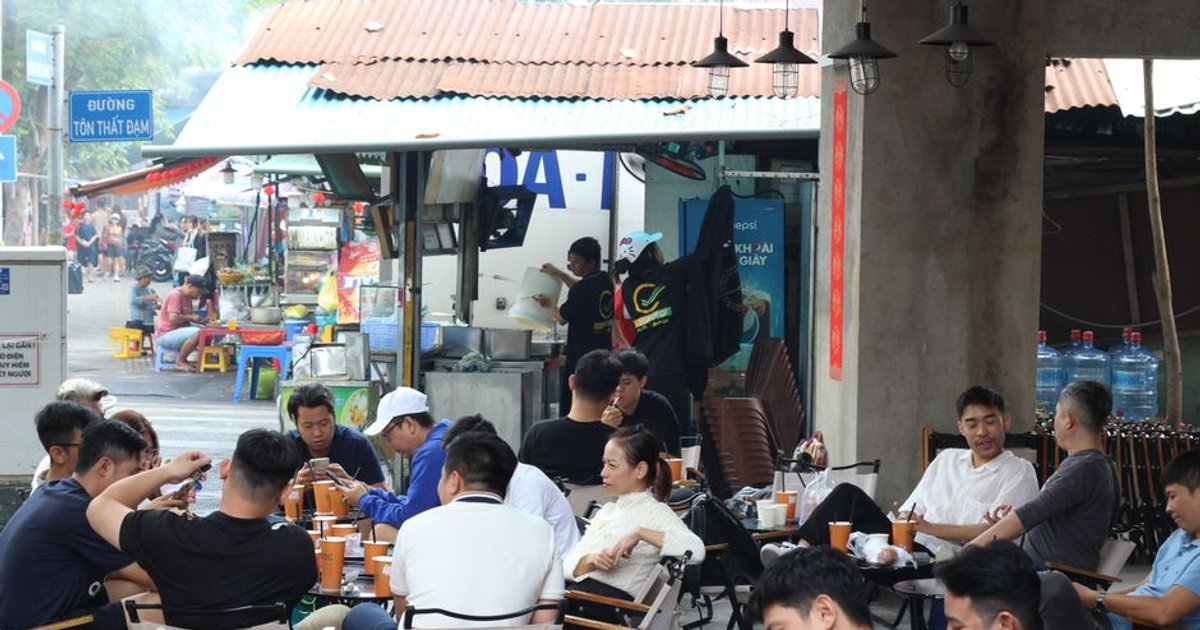
Brewing Growth: How Neighborhood Creators Are Transforming Coffee Startups in Manila, Jakarta, and Ho Chi Minh City
The aroma of fresh coffee once conjured images of plush cafés and global brands wooing customers with celebrity faces. Today, the future of coffee in Southeast Asia’s megacities is being written in neighborhood streets, delivered through social feeds, and measured in every app download, QR redemption, and shared cup. In Manila, Jakarta, and Ho Chi Minh City, coffee startups are outpacing rivals not by chasing costly endorsements, but by building vibrant, localized ecosystems where micro and mid-tier influencers wield outsize power. This transformation is redefining what it takes to win in one of the world’s fastest-growing beverage markets, and it holds urgent lessons for founders, marketers, and investors alike.
From Global Icons to Local Leaders: The New Coffee Influencer Economy
Historic loyalty, rapid urbanization, and a new breed of consumers have shaped the Southeast Asian coffee market. Chains like Highlands Coffee, Kopi Kenangan, and Starbucks once relied on scale and status, but as urban centers became denser and digital habits evolved, a powerful trend emerged: coffee discovery became local, social, and occasion-based. Today’s consumers often encounter a new brew on their mobile feeds, validate it through comments and neighborhood chatter, and redeem a promotion via an app, expecting speed, value, and instant satisfaction.
Recent market activity signals a new urgency for startups. In Manila, PickUp Coffee’s sub-PHP100 price point and app-driven model led to more than 60 thriving outlets and a $40 million raise. Jakarta’s coffee scene fused immersive events and influencer authority, while Ho Chi Minh City’s cafés rapidly evolved into community anchors, as seen in the September 2026 opening of the ISHCMC Community Cafe by The Terrazzo.
These signals are not isolated blips; they represent a fundamental shift in how coffee brands must engage, measure, and grow.
The Rise of the Performance-Led Influencer System
Abandoning the celebrity-first paradigm is no longer radical, it is increasingly essential. Analysis by Growth HQ of ZUS Coffee’s regional playbook illustrates the dramatic impact of a disciplined influencer strategy: campaigns allocating 70% of effort to micro and mid-tier creators delivered 25% to 28% increases in app downloads per cycle across the Philippines, Vietnam, and Indonesia. Digital sales, meanwhile, soared to above 65% in these models.
Micro and mid-tier creators, those with deep connections in their hyperlocal communities or specialized interests, now drive not just awareness, but qualified store visits, trackable offer redemptions, and repeat purchases. Macro influencers, while still important for launches, rarely deliver profitable incremental sales after the initial buzz fades.
Key tactics behind this transformation include:
- Customizing platform use (e.g., Facebook/Instagram in Manila, TikTok in Ho Chi Minh City) based on actual audience behavior
- Ensuring every creator post links to a measurable action: store visit, app download, or delivery order
- Tight campaign optimization: only scaling combinations that show profitable, incremental impact
- Rigorous measurement, not superficial likes or follower counts
Market-by-Market: The Playbooks Reshaping Coffee Growth
Manila: Mass-Market Affordability and Neighborhood Trust
The high-frequency value model reigns in Manila, as consumers seek products that fit seamlessly into daily commutes, work routines, and family life. PickUp Coffee’s price architecture, drinks from PHP50, nothing above PHP100, struck a cultural chord, accelerated trial, and sustained repurchase rates with broad local investment support.
The influencer model that wins relies on three archetypes:
- Barangay and neighborhood creators: Trusted in specific districts, university communities, or office clusters. Their influence is deep, not wide.
- Food and commute creators: Those who chronicle affordable eating, traffic, delivery, and work routines, making coffee a practical, everyday ritual.
- Lifestyle and family creators: Capable of positioning coffee as central to household rhythms, school runs, and weekend shopping.
Content that converts in Manila is grounded in reality and utility:
- “PHP100 coffee challenge”: Showcasing real purchasing power with transparent pricing and redemption codes
- “Before-work route”: Humanizing convenience and speed through relatable morning routines
- “Creator menu test” and “Office order drop”: Encouraging experimentation, group orders, and user-generated reviews
Jakarta: Authority, Community, and Coffee as Experience
Jakarta’s coffee scene is arguably Southeast Asia’s most mature and multifaceted. Coffee is not just a beverage; it is a badge of identity, a centerpiece of office culture, and an increasingly technical home-brewing pursuit.
The influencer system here is divided into roles:
- Mass-reach lifestyle creators for launches and viral moments.
- Coffee educators and home brewers to build authenticity and teach the value of beans, roasting, and brewing.
- Neighborhood creators to drive store discovery in the city’s sprawling districts.
- Event and community creators to energize workshops, tastings, and pop-ups.
What works in Jakarta is content that educates and connects:
- “One bean, three methods”: Demonstrates brewing versatility and quality focus
- “Jakarta coffee route”: Highlights local discovery and enables granular attribution by district
- “Coffee class in public”: Fosters grassroots coffee education and community engagement
- “Local flavor vote”: Lets real sales and repeat visits determine menu innovation
Ho Chi Minh City: Viral Velocity, Community, and Cultural Resonance
Ho Chi Minh City’s coffee landscape is dense, kinetic, and fiercely competitive. Here, the goal is to make every café a pulsing community hub, not merely a transactional counter.
The opening of the ISHCMC Community Cafe for students, families, and staff demonstrates the rising value of cafés as social meeting points. Growth HQ’s analysis underscores the effectiveness of viral, kinetic influencer content and district-level launches, with app-download benchmarks of roughly 28% growth in recent cycles.
Top-performing influencer mixes in Ho Chi Minh City are built around:
- TikTok-first food and lifestyle creators who can trigger mass discovery
- Vietnamese coffee educators who bridge authenticity and modernity
- District-level reviewers who concentrate influence by neighborhood
- Student, young professional, and family creators who drive both daytime and loyalty visits
Comparing Approaches: What Sets Winning Startups Apart?
Not every strategy translates seamlessly across borders. What works for a bustling population center in Manila may underperform in Jakarta’s coffee-obsessed communities or Ho Chi Minh City’s viral-driven neighborhoods.
- Manila optimizes for affordability, convenience, and daily repetition. Here, the battle is won by those who embed coffee into routines, office corridors, and family rhythms, as PickUp Coffee’s broad pricing and hyperlocal creator focus demonstrates.
- Jakarta prioritizes coffee authority and layered community engagement. Brands that succeed combine broad lifestyle relevance with specialty credibility and high-touch educational events, mirroring the city’s passionate home-brewing subculture.
- Ho Chi Minh City thrives on neighborhood differentiation and viral shareability. The ecosystem rewards startups that harness TikTok trends, district-specific launches, and community-centric storytelling, translating digital discovery into loyalty and physical footfall.
Behind the Curtain: The Mechanics of the Modern Coffee Influencer Model
Centralization and decentralization in perfect tension define the new operating model. While core brand positioning, creator contracts, risk controls, and data frameworks are handled centrally, creative execution, offer design, and neighborhood partnerships must be hyperlocal.
This dual structure yields two benefits:
- It prevents the common failure of standardized content that feels foreign or generic
- It enables scalable comparisons, so only profitable “cells” (such as a specific creator-type plus store plus offer) are expanded
Innovative Formats: Beyond the Paid Post
Forward-thinking startups are pushing influencer partnerships into new terrain. Instead of one-off placements, the highest-impact collaborations now include:
- Revenue-sharing and affiliate programs
- Creator-designed menu items and limited-time bundles
- Co-hosted tastings and brewing workshops
- Neighborhood and student ambassador programs
- Office coffee subscriptions and group order drop-ins
- Community events blending music, design, or cycling culture with coffee launches
Measuring What Matters: The New Financial Playbook
Treating influencer spend as a customer acquisition investment, not just marketing expense, is a mindset shift with profound consequences. Startups are calculating customer acquisition cost (CAC) as creator fees plus production, discounts, and platform cost, divided by the number of true incremental first-time customers.
Contribution margin, not revenue, is the ultimate arbiter: sales minus product and variable costs, labor, delivery, discounts, and creator commissions. Campaigns that look impressive on surface metrics may fail to deliver after all costs are netted out, while others with modest topline spikes can thrive if they drive high-retention customer bases and reusable UGC.
Three time horizons matter:
- Immediate: clicks, redemptions, footfall
- 30-day: repeat purchase, loyalty sign-ups, app activity
- 60, 90 day: net contribution margin, cohort value, churn rate, and referrals
Creator Selection: The Art and Science of Qualified Influence
Follower count is a tempting but misleading metric. The most valuable creators for a branch in Makati, Senayan, or District 7 are those with a high concentration of local followers, strong comment quality, food and beverage credibility, and a record of reliable commercial performance.
“A creator with 25,000 relevant, neighborhood followers can be worth more than one with half a million fans scattered across the country. The only metric that matters is qualified reach times conversion.”Startups scrutinize warning signs such as sudden follower jumps, generic posts, weak commercial track records, or refusal to disclose sponsorships.
Comprehensive creator databases now track not just reach, but platform breakdown, audience age, location, engagement quality, prior partnerships, and fee structures, helping brands optimize every spend.
Household and Community Engagement: Serving More Than Coffee
Real-world value trumps polished aesthetics for household and community positioning. The ISHCMC Community Cafe story in Ho Chi Minh City illustrates how cafés can become everyday spaces: parents, students, faculty, and staff use the venue for more than a caffeine fix.
Influencer partnerships that matter answer practical questions:
- Is pricing transparent?
- Is ordering, pickup, or delivery seamless?
- Are non-coffee choices available?
- Is the space clean and family- or group-friendly?
- Does the loyalty program deliver real, repeatable value?
Risk, Compliance, and Brand Safety in the Creator Age
The complexity of influencer partnerships brings new governance challenges. Every market must now maintain transparent contracts, payment terms, service-level expectations, usage rights, customer-data permissions, and clear sponsored-content disclosures.
Brands face reputational risk from undisclosed sponsorships, inaccurate product claims, or viral crises. The solution is operational rigor: written disclosure requirements, factual claim approvals, crisis procedures, and milestones for creator payment.
Startups are also investing in response plans for product complaints, service delays, viral misinformation, and food-safety or pricing disputes. The new normal is not just creativity, but compliance at scale.
Real-World Implications: What This Means for Founders, Investors, and Marketers
The stakes are high, and the opportunities are immense. Southeast Asia’s urban coffee sector is no longer a playground for imported branding or celebrity “spray and pray.” The data and early outcomes are clear: localized, performance-driven influencer systems deliver real, recurring growth.
- Startups must commit to scientific measurement, neighborhood obsession, and cultural nuance. Every content brief, offer, or event must be shaped by local creators who know their audiences’ routines, commutes, and cravings.
- Investors should demand clear reporting of not just revenue, but incremental, margin-positive transactions and retention over time.
- Marketers need to abandon shortcuts, the “big name, big spend” model is no longer competitive. Depth, authenticity, and measurable conversion win.
Forward Thinking: The Future Trajectory of Coffee Startups in Southeast Asia
The next 24 months will be decisive. As digital penetration deepens, and as more consumers move seamlessly between social, app, and in-store experiences, the brands that win will be those who out-execute at the intersection of technology, community, and measurable value.
Expect to see:
- Continued proliferation of micro and mid-tier creator networks, with brands vying for the best “conversion partners” rather than mere reach
- Blurring lines between creator, menu developer, and community ambassador
- More sophisticated commercial models, including revenue sharing, licensing, and data-driven portfolio management
- A permanent shift away from vanity metrics to net contribution and customer lifetime value
Conclusion: Brewing Local, Scaling Global, Why This Moment Matters
Southeast Asia’s booming coffee economy is at an inflection point. The old models, celebrities, generic launches, standardized advertising, no longer suffice in cities that pulse with local culture, digital discovery, and relentless competition.
The startups that emerge as category leaders will not only measure every click and redemption, but will embed their brands within the fabric of communities, leveraging the authentic voices of those who know each street, school, and office cluster best.
This is not just a tactical adjustment, but a strategic imperative. For founders, investors, and marketers alike, mastering the new rules of local creator-driven growth is now the price of entry. Miss this wave, and you risk irrelevance; harness it, and you may define the next era of urban coffee culture.