
How Costa Coffee Can Win Gen Z In Europe: Digital Loyalty, TikTok Strategies, And Market Growth In The UK, Germany, France, Spain & Italy
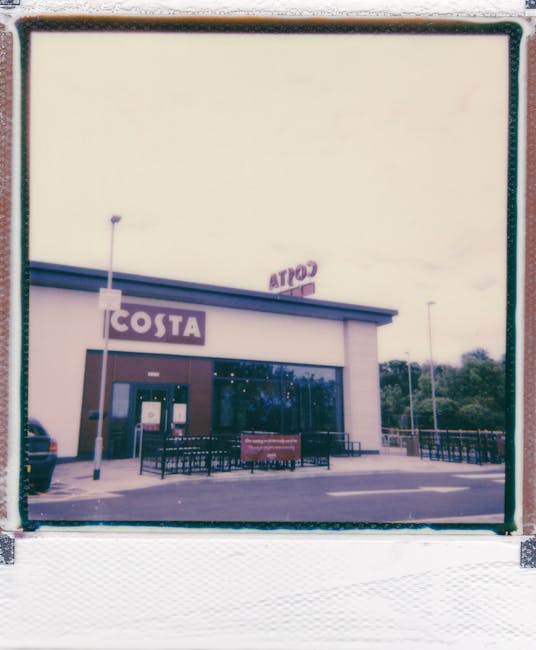
Winning Gen Z Hearts: How Costa Coffee Can Redefine Digital Loyalty in Europe
The coffeehouse, once a symbol of quiet intellectualism and ritual, is undergoing a seismic transformation. In Europe’s vibrant cities, where centuries-old cafés line the streets and coffee rituals are woven into daily life, the unassuming smartphone now commands the center stage of consumer experience. Costa Coffee, with its robust Costa Club digital loyalty ecosystem and sprawling footprint across the UK and Europe, stands at a pivotal crossroads. The company’s quest: to capture Gen Z—a generation that prizes fun, accessibility, and values over tradition—and secure its future in a market defined by digital innovation and playful indulgence.
The Digital Loyalty Revolution: From Points to Personalization
A Data-Driven Shift
Costa Coffee’s transformation is already underway. More than 70% of its transactions in Great Britain now flow through digital channels—an impressive leap spurred by the Costa Club app and integration with over 11,000 Costa Express self-serve machines. By rewarding customers with “beans” (loyalty points) for purchases, the app powers repeat visits and creates an ever-growing pool of customer data. This shift has enabled targeted marketing, increased efficiency, and seamless omnichannel experiences supported by partners like Contentful, Vegait, and Coforge.
Modernization Meets Momentum
The technological overhaul is paying off: Vegait’s enhancements have delivered stable, fast-releasing iOS integrations; Planit’s rigorous scalability testing has supported peak app downloads and high-traffic events; and Coforge’s 360-degree customer view breaks silos, enabling seamless loyalty across touchpoints. With over 1.5 million active downloads and a digital-first procurement engine powered by GEP, Costa is laying the digital foundation for broad European expansion.
Gen Z: Redefining Coffee, Rejecting Tradition
The Rise of “Little Treat Culture”
But here lies the challenge. Gen Z—born 1997-2012—wants more than convenience and caffeine. Over 46% of British Gen Z never drink coffee at home, and 52% avoid takeaway, according to LADbible research. The traditional coffeehouse gravitas is passé; Gen Z craves the fun, indulgent, TikTok-fueled “little treat culture,” prioritizing memorable moments and social sharing over espresso snobbery.
The Digital-First Imperative
Statista data suggests Gen Z’s coffee spend across Europe is still growing (up 8% year-on-year), but consumption is rapidly shifting toward ready-to-drink (RTD) and specialty beverages purchased via apps. In urban centers, 65% of Gen Z use loyalty programs weekly, and social media now drives discovery and trial. The opportunity is vast: Costa’s stronghold in the UK, paired with over 4,000 European stores and an ever-expanding Express network, provides a launchpad for innovation.
Market-by-Market: Europe’s Gen Z Loyalty Landscape
United Kingdom: A Digital Powerhouse, But Facing Decline
Costa’s home market comprises 2,800+ stores and 11,000 Express machines. The Costa Club app claims a 70%+ share of UK transactions, yet Gen Z’s enthusiasm for coffee is waning. Here, success will be measured by Costa’s ability to reframe coffee as an indulgent, shareable treat—think LADbible-style TikTok challenges and visually irresistible limited editions. With 83% smartphone penetration, the digital runway is long, but competition from Starbucks (with 40% Gen Z loyalty) is fierce.
Germany: Sustainability and Eco-Perks
Gen Z Germans are eco-conscious and pragmatic. 40% prefer iced or RTD coffee; app-based orders are up 25% year-on-year. While 55% use loyalty apps, Costa’s sustainability messaging is underdeveloped. Integrating eco-perks (like recycling bonuses) and personalized offers could drive a projected 25% Gen Z acquisition via the app by 2026.
France: The Social Café Scene
France’s Gen Z view cafés as social hubs, not just coffee stops. Here, TikTok influences 60% of beverage trends, and 50% of youth are omnichannel loyalty adopters. Frequency jumps 20% when rewards are gamified and socially shareable—an untapped lever for Costa’s European ambitions.
Spain & Italy: Innovation Meets Heritage
Spanish Gen Z lead Europe in mobile-first behaviors (70% app engagement), with plant-based and specialty beverages trending. In Italy, while tradition remains strong, 50% of Gen Z are app-savvy, seeking playful twists (like AR-powered virtual affogato builders) that respect heritage but embrace novelty. For Costa, tailoring digital loyalty to blend authenticity with viral fun is the ticket to relevance.
Competitive Chessboard: Costa vs. Starbucks
Starbucks’ Digital Dominance
Starbucks reigns supreme when it comes to digital loyalty. Its app leverages AI to personalize offers, automate mobile payments, and integrate RTD points. This data-driven model delivers a 15% higher visit frequency among app users and a 40% Gen Z loyalty share. Starbucks’ competitive edge? Gamification, AI-powered suggestions, and social/curbside integration that puts the customer—and their preferences—at the heart of every interaction.
Costa’s Strengths and Gaps
Costa’s own strengths are formidable: a vast Express machine network, strong app adoption, and omnichannel flexibility. But the company trails Starbucks in several crucial areas: social integration, advanced personalization, and seamless RTD rewards. Siloed data and less robust social engagement are key hurdles—though recent investments in Planit, Vegait, and Coforge are closing the gap.
Differentiation Opportunity
Where Costa can excel is accessibility and playful indulgence: democratizing premium experiences, doubling down on “treat” culture, and leveraging its ubiquitous presence. While Starbucks courts premium, Costa can own fun, inclusivity, and omnichannel convenience.
“The next wave of coffee loyalty won’t just track purchases—it will spark joy, ignite community, and adapt in real-time to the pulse of young consumers. For Costa, winning Gen Z means embedding play, purpose, and personalization at every touchpoint.”
From App Points to Experience Platforms: Next-Gen Loyalty Strategies
1. Hyper-Personalization via AI
Building on its already-impressive 70% app transaction share, Costa must harness AI to move beyond generic discounts. Predictive analytics can anticipate Gen Z’s preferences—think viral iced lattes or plant-based launches—and push highly tailored rewards, driving a projected 35% lift in retention versus standard offers (industry benchmarks).
2. Gamification and Social Integration
Rewards must become experiences: streaks, daily challenges (“Share your #CostaTreat on TikTok for double beans!”), and leaderboards. UK proof points: Costa’s LADbible partnership drove millions of impressions, tying digital loyalty to cultural moments in real-time.
3. Omnichannel Loyalty—Anywhere, Anytime
Costa can differentiate by rewarding purchases across all formats: in-store, curbside, Express, and RTD supermarket buys (via AI-powered receipt uploads). Omnichannel flexibility increases stickiness, especially as Gen Z toggles between channels. Expansion to 15,000+ Express machines and supermarket tie-ins are critical for scale.
4. Gen Z-First Content and Dynamic Menus
The digital platform must feel like home for TikTok users: viral drink collabs, AR filters (e.g., affogato remixes in Italy), influencer content, and meme-driven campaigns. Dynamic digital menus that update with trends turbocharge shareability and trial.
5. Sustainability as Currency
Eco-consciousness is table stakes in Europe. Building in eco-perks—“eco-beans” for reusable cups, in-app carbon tracking, and recycling bonuses—will resonate with the 60% of Gen Z who cite sustainability as a top value, especially in Germany and France.
6. Resilient, Seamless Tech
Success depends on frictionless digital experiences. Scaling Vegait and Planit’s enterprise stability, and leveraging Coforge’s 360-customer view, will keep performance robust—especially as downloads and transaction loads spike with new campaigns.
Putting Vision into Action: Roadmap, Risk, and Results
12-Month Roadmap: From UK Pilot to EU Domination
The strategy unfolds in three phases:
- Phase 1: Q1-Q2 2026 – Launch AI personalization and viral TikTok “little treat” campaigns in the UK. Beta-test RTD proof-of-purchase rewards in supermarkets. Target: 10% Gen Z signups in pilot markets.
- Phase 2: Q3-Q4 2026 – Localize loyalty in Germany (eco-perks), France (gamified sharing), and Spain/Italy (AR-driven fun). Expand Express presence and offer curbside pickup. Projected 15% Gen Z loyalty growth EU-wide.
- Phase 3: 2027 – Optimize with A/B testing, scale sustainability, and track success through Net Promoter Score and Gen Z spend metrics. Aim for 25% growth in loyalty-driven revenue.
Budget and Infrastructure
This transformation demands investment: an annual €8M for AI and app tech, €4M for Gen Z-centric marketing, €2M for partnerships, and €1M for testing/procurement enhancements. Execution will be measured through platforms like Google Analytics and Appflyer, tracking engagement, churn, and customer lifetime value in real time.
Mitigation of Risks
Tech glitches? Pre-launch Planit-scale testing is essential. Gen Z content fatigue? Regularly rotate campaigns and A/B test offers. Regulatory overhang? Coforge ensures GDPR compliance and robust data privacy. Competition? Costa must stake out a unique “joyful treat” positioning to outflank Starbucks’ premium narrative.
Stories of Progress: Case Studies and Success Evidence
Costa’s UK app overhaul has already yielded impressive results: 1.3M downloads in a single year, quickly scaling to 1.5M, withstanding birthday promo surges thanks to Planit’s QA rigor. Vegait delivered seamless iOS Wallet integration, and Coforge’s customer view has unified the user journey. The LADbible partnership sparked millions of TikTok impressions around the “little treat” theme. Industry models show Starbucks’ loyalty strategy is a proven revenue driver; Costa’s omnichannel reach and Express/RTD expansion could yield even greater returns as digital transformation accelerates.
Market projections are bullish: benchmarks suggest a potential 18% revenue growth from Gen Z and a trajectory toward €500M in added annual sales if Costa executes its loyalty roadmap.
Comparative Perspectives: A New Era for European Coffee Culture
For traditionalists, coffee loyalty was about points, discounts, and the faint thrill of a tenth free drink. For Gen Z, it’s about identity, social currency, and playful expression. Starbucks’ model is sophisticated, but leans premium and exclusive. Costa has a chance to redefine the paradigm—creating a loyalty ecosystem that is inclusive, fun, sustainable, and omnipresent.
For decision-makers, the stakes are high. Succeeding with Gen Z means outpacing not just competitors, but the very expectations of digital-native consumers who value authenticity, instant gratification, and shared experiences above all.
Conclusion: The Strategic Imperative for Costa’s Future
Costa stands on the threshold of a European loyalty revolution. With its vast network, fast-evolving tech stack, and strong UK base, it holds the keys to unlocking extraordinary Gen Z engagement—if it can pivot fast enough. The next two years are make-or-break: build a loyalty platform that delights, surprises, and flexes to local tastes, or risk falling behind as the next digital disruptor claims the Gen Z crown.
The blueprint is clear—invest in personalization, gamification, omnichannel flexibility, and social-led content. Anchor every innovation in the values, habits, and digital lives of Europe’s youngest consumers. By transforming Costa Club from a transactional app into a joyful, daily companion, Costa can become not just a coffee brand, but a cultural force for the next generation.
For multinational brands and decision-makers everywhere, Costa’s journey is a case study in cross-functional, future-forward transformation: a lesson in how digital loyalty, done right, doesn’t just drive sales—it reshapes the cultural fabric of a continent.