
How Dunkins Franchise Model Drives Record Profits Across South Korea, Philippines, India, China, Taiwan, And Indonesia: 2026 Playbook For Emerging Asian Markets
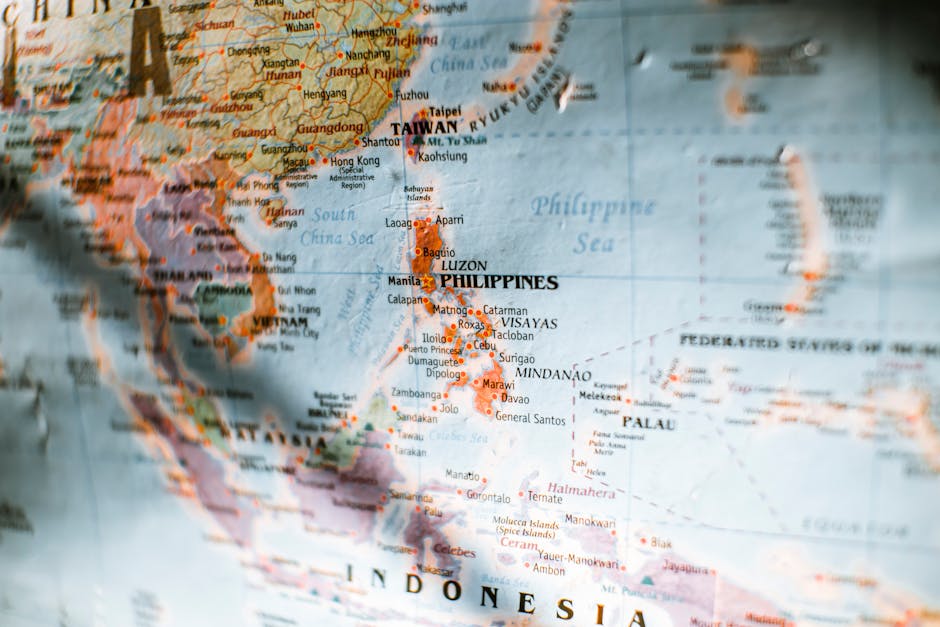
Dunkin’ in Asia: The High-Stakes Playbook for Franchise Success across Emerging Markets
In 2026, Dunkin’ (operating under Inspire Brands since 2020) stands as a testament to adaptive franchising in the hyper-competitive Asian food & beverage landscape. Its journey—a narrative rich with triumphs, failures, and bold pivots—reads not just as a case study in business expansion, but as a compelling chronicle of localization, joint venture alliances, and data-driven reinvention. As Asia-Pacific now contributes 25% of Dunkin’s global growth—with over 5,000 stores and counting—this exposé unpacks how a quintessentially American brand recalibrated its DNA to thrive from Seoul to Jakarta, and why its failures in markets like China and India are just as instructive as its runaway successes in South Korea and the Philippines.
From Massachusetts to Manila: Dunkin’s Franchise Model Evolves
Global Roots, Local Flowering: Born in Quincy, Massachusetts, Dunkin’ spent decades perfecting a franchise-first model—today, 95% of its stores are franchised, enabling rapid scaling with limited capital outlay. This low-capex, high-agility approach, averaging an initial investment between $1.2M-$2.1M USD per store (per its 2025 Franchise Disclosure Document), forms the backbone of its Asian strategy.
What distinguishes Dunkin’s Asian trajectory is its willingness to hand the reins to local experts: master franchise agreements (MFA) and joint ventures (JV) dominate, with 80% of its Asian expansion driven by such partnerships. The failed 2015 $300M China JV, with plans for 1,400 stores, underscores the risks—but also the necessity—of this model for conquering region-specific hurdles (Dunkin’ Press Release).
Mandated Localization: In Asia, adaptation isn’t optional—it’s non-negotiable. Chains that succeed do so by localizing 60-70% of their menu, embedding favorites like halo-halo donuts in the Philippines and cold brew towers in Korean outlets, where 50% of sales now come from iced drinks (YouTube Emerging Markets).
Patterns of Breakthrough: What Works and Why
Korea’s Cold Coffee Blueprint: South Korea is Dunkin’s undisputed gold standard. The shift from sweet to sippable—pivoting away from donuts to dominate the coffee market—has been transformative. Here, Dunkin’ operates over 1,200 outlets, second only to Starbucks (1,500 stores). With per capita coffee spend at $120/year and Americano accounting for 70% of Dunkin’s sales, the franchise enjoys an estimated 20% profit margin—one of the highest among global peers (PCA Design).
JV Synergy in the Philippines: In the Philippines, synergy with local F&B giant Jollibee has unlocked hypergrowth. More than 800 stores leverage Jollibee’s sprawling 5,800-outlet supply chain, trimming costs by 15% and driving AUV (average unit volume) to $1.8M—the highest in Asia. Here, innovative flavors like ube and ensaymada donuts reinforce Dunkin’s brand as both exotic and accessible.
Digital-First Culture: Across Asia, innovation means going digital. In Korea, 40% of orders are app-based (Intelligence Coffee), while TikTok campaigns in the Philippines have been directly tied to 25% year-on-year sales growth from 2024–2026.
Diverging Destinies: Successes, Failures, and Course Corrections
Success Stories—The Power of Adaptation
South Korea: Entering in 1984, Dunkin’ quickly pivoted its menu to suit Korean tastes. Today, iced lattes and Americanos eclipse donuts; 24/7 operations and a cold-coffee focus have cemented its 15% market share. The result? A mature operation with 12x EV/EBITDA, outpacing global averages.
Philippines: Dunkin’s fusion of global quality with native tastes—halo-halo, ube, local pastries—plus Jollibee’s local muscle, delivers break-even in 10 months and IRR (internal rate of return) of 32%. The integration with Jollibee post-2020 Inspire merger has also resulted in 30% of revenue coming from digital channels.
Indonesia: Often overshadowed, Indonesia’s 200+ stores represent the model’s understated power: halal certification targets the 95% Muslim population, and kopi susu-infused donuts mirror local tastes. AUV sits at $1.1M, and the market’s 12% CAGR points to significant headroom.
Hard Lessons—When Westernization Fails
India: Dunkin’ learned the hard way that donuts aren’t an Indian breakfast staple. The brand halved its store count to 150 after its initial foray flopped. Only after a 2022 overhaul—focusing on coffee, masala chai lattes (40% of sales), and youth-oriented menus—has it begun to regain traction under Jubilant FoodWorks.
China: The most expensive lesson: two failed expansions, including a 2015 JV targeting 1,400 stores that yielded fewer than 10. Menu missteps (pork floss donuts) and ambiance mismatches (New England décor in Shanghai) alienated customers. After a 2022 “focus on core” reset, Dunkin’ now targets micro-JVs in Tier-2 cities and hybridizes its menu—60% tea/coffee—while limiting ambition to 100 stores and prioritizing Guangdong province.
Tactical Shifts Driving Market-Wise Outcomes
Master Franchise Agreements (MFA) and Joint Ventures: Local capital and expertise have become prerequisites for market entry. The high bar (net worth $5M+, 10+ F&B outlets) for MFA applicants ensures skin in the game and strategic alignment. Notably, only 20% of applicants are accepted.
Menu Engineering: Six-month testing cycles for localized products (e.g., paneer croissants in India) typically require $200K in R&D, but results are decisive: 25% higher AUV for stores with localized menus.
Supply Chain Localization: Local sourcing (60% minimum) reduces costs by up to 20%—vital in markets like Indonesia, where halal supply chains are non-negotiable and contribute to a margin boost of 15%.
Capital Structure and Digital Integration: Typical financing is 60% debt, with local bank SBLCs at 7–9%. IRR targets hover around 25%. Technology investment—$150K per store for app and POS integration—ensures that, as in Korea, digital channels can account for 40% of sales.
Comparative Strategies: Why Localization Trumps Western Templates
Dunkin’s Asian playbook diverges fundamentally from its U.S. model. In the United States, hot coffee and donuts rule, but in Seoul, Jakarta, or Manila, survival—and dominance—depends on embracing local tastes and behaviors.
Return on Investment (ROI):
| Market | Break-even (mos) | 5-Yr IRR |
|---|---|---|
| Korea | 12 | 28% |
| Philippines | 10 | 32% |
| India | 18 | 22% |
| China | 24 | 15% |
Benchmarking the Competition:
| Chain | Asia Stores | Growth Rate | AUV |
|---|---|---|---|
| Dunkin’ | 5,000+ | 12% | $1.3M |
| Starbucks | 7,000 | 8% | $1.6M |
| Luckin | 20,000 (China) | 25% | $800K |
For entrepreneurs evaluating franchise options, it’s clear: Dunkin’s IRRs and break-even timelines in core Southeast Asian markets are industry-leading, but only when the brand partners with local giants and tailors its offering to fit urban youth culture and regional palates.
Real-World Implications: The Franchise Operator’s Playbook
Securing the Right Entry: Winning in Asia now hinges on securing MFAs or JVs with the blessing of Inspire Brands’ Asia HQ. The bar for entry—high net worth, proven F&B operations—means only the most capable partners proceed.
Menu Localization and R&D: The most successful franchisees commit to robust menu engineering, investing in six-month pilot programs and drawing from local food culture.
Prime Real Estate: Site selection leans heavily toward high-footfall, urban Tier-1 and Tier-2 locations. Case in point: 70% of Philippine outlets are mall-based, capitalizing on daily traffic exceeding 5,000.
Digital and Delivery Focus: Digital platforms are not an afterthought but a primary channel. Partnerships with delivery aggregators like GrabFood, for example, account for 30% of Southeast Asian orders.
Staff Training and Marketing: Speed is paramount—franchisees are expected to deliver service within 15 seconds, with turnover managed through rigorous training. Marketing budgets are set at 8% of projected revenue, with viral digital campaigns (TikTok, Instagram Reels) as the default.
Pilot First, Scale Later: China’s expensive setbacks have instilled discipline: launch only after piloting three stores, and expand when ROI crosses the 20% threshold.
Failure Autopsies: Learning What Not to Do
India’s Mismatch: Dunkin’s initial misfire in India—framing donuts as breakfast in a market wedded to savory staples—resulted in mass closures and reputational damage. Only a digital and product revamp (Instagram-heavy, youth-oriented, masala chai focus) initiated a turnaround.
China’s Pitfalls: China’s “three-strike” scenario (failed Taiwan spillover, Shanghai’s Fast Gourmet, 2015’s Golden Cup JV) illustrates that scale without cultural empathy is a recipe for disaster. Pork floss donuts and New England motifs fell flat in a market that prefers Luckin’s data-first, mobile app ecosystem and localized drinks.
Universal Fixes: The autopsies yield two universal lessons: pre-launch consumer testing (the hallmark of Korea’s 2-year pilots) and a minimum 50% local supplier base.
Comparative Perspectives: Old Playbooks vs. New Realities
For Western observers, Dunkin’s Asian experiment offers a compelling counterpoint to traditional franchise dogma. The days of “copy-paste” American retail are over; what works in Boston will almost certainly flounder in Bangalore or Beijing. Asia requires a different playbook—one that prizes iterative pilot testing, local joint ventures, and digital-first consumer strategy.
Meanwhile, local entrepreneurs are no longer content to be “implementers” of global scripts. They increasingly act as co-authors, shaping product lines, store formats, and service models.
“Success in Asia isn’t about parachuting in a proven U.S. concept; it’s about co-creating with local partners, at the intersection of data, culture, and digital innovation. Adapt or perish—this is the new Dunkin’ doctrine.”
10-Step Action Playbook for Asian Franchise Entrepreneurs
1. Secure Master Franchise or JV Agreement: Approach Inspire Brands Asia HQ with capital, experience, and a robust localization plan.
2. Localize Menu (Target 70%): Run 6-month pilots. Prioritize cold brews, indigenous flavors, and region-specific bakery items. Budget $200K for R&D.
3. Prime Urban Locations: Target Tier-1 and Tier-2 cities; prioritize malls and high-footfall hubs.
4. Localize Supply Chain: Source at least 60% locally; ensure compliance (halal, FSSAI, etc.).
5. Invest in Digital Infrastructure: Mandate app integration, POS upgrades, and partnerships with delivery apps.
6. Staff Training for Speed and Retention: Meet strict service standards (15 seconds), invest in retention programs.
7. Aggressive Digital Marketing: Allocate 8% of revenue to marketing, focusing on viral digital campaigns.
8. Pilot Before Scaling: Limit openings to three sites until ROI exceeds 20%.
9. Leverage Favorable Debt: Structure with 60% debt; aim for IRR of 25%.
10. Plan Exits and Scale Smart: Sub-franchise after 50 stores; emulate the Korean JV model for maximum enterprise value.
Emerging Risks and Competitive Tensions
Dunkin’s future in Asia is not without peril. Luckin Coffee’s tech-enabled blitz in China (20,000+ stores Tasting Table), Starbucks’ entrenched premium positioning, and regulatory delays (e.g., India’s FSSAI) require constant vigilance and nimbleness.
Competition, regulatory hurdles, and the rising sophistication of local tastes mean that ongoing adaptation is essential. The “build and hold” model of old-school franchising is being replaced by a “pilot, pivot, and partner” paradigm.
Forward-Looking Insights and Strategic Recommendations
The Asia Opportunity: With a projected $100B coffee market by 2030 (9% CAGR), Dunkin’ is only scratching the surface. The Philippine and Indonesian franchises, which now boast IRRs above 28%, will be the pillars of future growth—especially as digital channels and local flavors continue to win market share.
Global Comparisons: Dunkin’ still has ground to cover compared to Starbucks in terms of store count and AUV, but its rapid scaling via JV/MFA and a relentless focus on localization offer a differentiated path forward. Against Luckin, Dunkin’s advantage lies in its urban presence outside China and franchise model’s margin robustness.
Conclusion: Dunkin’s Asian Playbook Is the New Global Franchise Benchmark
Dunkin’ in Asia is more than a story of store counts—it is a narrative of what it means to be relevant, resilient, and relentlessly local in the world’s most dynamic consumer battleground. Entrepreneurs who seek to join this march must abandon the old copy-paste mindset and embrace a partnership model built on mutual learning, digital agility, and culinary innovation.
The brand’s highs and lows, from Korea’s coffee corridors to China’s false starts, serve as a clear call to action: the future of food franchising belongs to those who localize deeply, digitize fearlessly, and never stop piloting new ideas. For multinational brands and local operators alike, Dunkin’s Asian journey is a blueprint—and a warning. The next decade will favor those bold enough to rewrite the rules.
For franchise inquiries or a bespoke model for your market, entrepreneurs should contact Inspire Franchising Asia at franchise@inspirebrands.com—because in Asia, adaptation isn’t just a tactic, it’s a survival strategy.