
How Gen Z And Digital Loyalty Apps Are Revolutionizing Coffee Culture In Kuala Lumpur & Petaling Jaya: Actionable Strategies For Emerging Malaysian Cafes
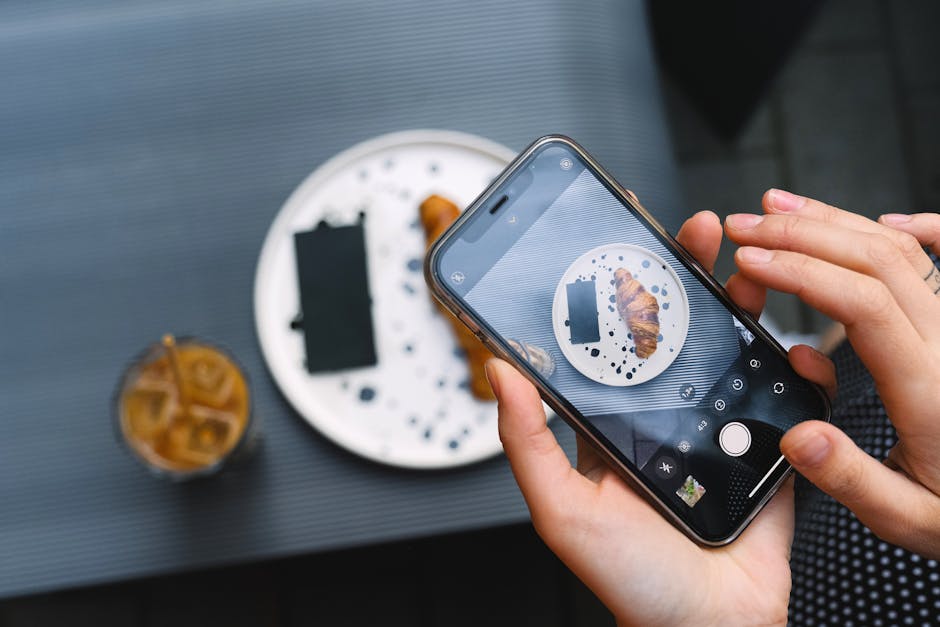
Gen Z, Gamification, and Malaysia’s New Coffee Culture: How Digital Loyalty Apps Redrew the Playbook
In the bustling corridors of Kuala Lumpur and the thriving café lanes of Petaling Jaya, an unmistakable shift is remaking Malaysia’s multi-billion-dollar coffee landscape. Once dominated by ritualistic visits to kopi shops and the global cachet of Starbucks, the coffee scene is now commanded by the digital-born energy of Gen Z. With the help of gamified loyalty apps, this generation is redefining not just how coffee is bought and consumed, but how it is experienced, shared, and personalized. The implications ripple far beyond frothy cappuccinos—pointing to the future of urban consumer culture, technology adoption, and the evolving tapestry of Malaysian identity.
The Market Awakening: From Kopitiam to App-Empowered Urban Hustle
Historic Roots, Disrupted Norms: Malaysia’s coffee culture once thrived in the humble kopitiam, where transactions were analog, flavor was tradition-bound, and loyalty belonged more to the uncle behind the counter than to any brand. By 2026, however, the market surpasses $10 billion, its growth supercharged by the convergence of smartphone ubiquity and a digitally savvy youth majority (90%+ smartphone penetration in urban centers). Gen Z, representing 50% of new loyalty program signups, has transformed the in-café ritual into a fluid, tech-mediated adventure, reshaping coffee as much as coffee is reshaping them.
Gen Z’s App-Native DNA: This consumer bloc is fiercely mobile-first. E-wallets like GrabPay, GoPay, and ShopeePay are baseline expectations, not perks. Gen Z’s embrace of O2O (online-to-offline) experiences means that the journey from digital menu to in-person collect is seamless, data-rich, and deeply personal. Here, ZUS Coffee rises as a beacon, having dethroned Starbucks in urban mindshare with 1.8 million app downloads, a 4.85/5 rating, and an astounding 70% of all sales driven digitally.
Emergent Patterns: The Rise of Gamified Loyalty and Urban Virality
Gamification as the Growth Engine: ZUS Coffee’s digital model is no accident. By infusing loyalty with tiered progression, in-app challenges, and social competition, the brand achieved 2-3x higher engagement versus old-guard competitors. Loyalty is now a game, with “VIP Elite” tiers and instant rewards supplanting yesteryear’s stamp cards. The beloved “free drink after 10 cups” morphs into a data-driven, algorithmically optimized feature that bonds nostalgia to digital engagement. The result: 20-30% higher repeat purchases, and a stable revenue base from a $5-10M app investment.
Local Flavor, Global Tactics: Where international giants like Starbucks once relied on premium imports and Westernized ambiance, the disruptors are winning through localization: palm sugar lattes, retro-inspired menus, and flavor voting that channels Gen Z’s collaborative instincts. These features not only drive emotional loyalty but create real stickiness—a 20-30% uplift in customer retention, according to recent analyses.
Shifting Competitive Dynamics: ZUS, Starbucks, and the New Challengers
The Digital Delta: While Starbucks Malaysia still commands over 300 stores, its reliance on legacy systems—physical cards and limited third-party app integration—leaves it lagging with less than 50% of sales through digital channels. In sharp contrast, ZUS Coffee’s app delivers more than 40% Gen Z loyalty rates and powers 20-30% higher repeat purchases, consolidating urban market share and CLV (customer lifetime value) at a pace that physical-first incumbents simply cannot match.
Luckin Coffee’s Kidult Pivot: Meanwhile, Chinese disruptor Luckin Coffee has staked a claim through pop-up aesthetic stores and viral campaigns tied to gaming phenomena like Honor of Kings. Its app-driven model caters explicitly to “kidult” sensibilities, favoring collectibles, social competition, and hyper-local social integration. This strategy echoes the Gen Z maxim: belonging is built, not bought.
What Sets Gen Z’s Coffee Culture Apart?
Instant Rewards over Legacy Branding: Today’s café-goer, aged 18-27, is unmoved by old-school brand promises. Instead, they seek the rush of instant wins—order streaks, surprise “badge” unlocks, and limited-edition menu items that make every visit unique. For them, coffee is not a product, but an experience—one that thrives on interactivity.
Social-Viral Growth Loops: Loyalty apps no longer sit apart from social media. Deep integration with TikTok and Instagram allows for geo-based challenges, badge sharing, and real-time feedback. In Kuala Lumpur and Petaling Jaya, this viral loop creates organic acquisition at scale—every “shared achievement” becomes a micro-marketing event.
Data-Personalization and the 82% Influence Rate: Perhaps the most seismic shift is data’s ascent. With transaction histories and in-app behaviors, cafes nudge users toward new menu trials or timely reminders, driving a 20-30% repeat uplift. According to industry reports, 82% of Asian consumers—and almost all Gen Z users—are swayed by personalization that feels native, not forced.
Comparative Perspectives: Old Guard vs. New Wave
Millennials and Legacy Rituals: The previous generation, now in their thirties and forties, built loyalty through consistency and brand status. Starbucks was a sanctuary, a signal of taste and stability. Physical loyalty cards sufficed, and the slow savoring of familiar flavors defined the experience.
Gen Z’s Digital-First, Community-Driven Mindset: In contrast, Gen Z’s loyalty is fluid and conditional. They demand real-time gratification, digital rewards, and social proof. The app is the nucleus—without it, a brand is invisible. Social features, gamification, and hyper-local menus aren’t gimmicks; they’re essential. This generational difference explains ZUS Coffee’s “overnight” ascendance and Starbucks’ struggle to keep pace.
Challenger Brilliance: Brands like Luckin Coffee have imported playbooks from China’s hyper-competitive digital F&B market—esthetic pop-ups, collectible digital assets, and integration with youth subcultures (such as gaming and streaming). The battle for Malaysia’s urban youth is not just about coffee; it’s about who owns the platform and the narrative.
Regional Epicenters: Why Kuala Lumpur and Petaling Jaya Matter
Urban Power Clusters: Both cities are not only economic nuclei but cultural bellwethers for the country. With high density, advanced mobile infrastructure, and the heaviest Gen Z penetration, these metros are “proving grounds” for digital loyalty strategies. ZUS’s push to 200 stores, and Luckin’s pop-up focus, are data-driven responses to the organic digital engagement 2-3x higher than in secondary cities.
Network Effects and Data Flywheels: Every new store isn’t just a sales node—it’s a data center for iterative product testing, hyper-local menu tweaks, and personalized marketing. The more stores in a youth-dense area, the faster the feedback loop, and the more robust the innovation pipeline.
Looking ahead, Malaysia’s coffee sector is less about who pours the smoothest espresso and more about who masters the science of digital connection, real-time feedback, and emotional resonance. The future belongs to brands who treat loyalty as both an algorithm and a conversation.
Action Steps: A Playbook for Aspiring Coffee Disruptors
1. Launch a Proprietary App (Months 1-3): The path to 70% digital sales, 4.8+ app ratings, and scalable ROI ($5-10M) starts here. The app is not optional; it’s the new storefront.
2. Embed Gamification from Day One: Mimic ZUS’s tiered levels, challenge mechanics, and “10-cup freebie” offers that draw on Malaysia’s kopitiam nostalgia. Seek engagement rates double or triple those of physical card programs.
3. Hyper-Localize Offerings: Pilot palm sugar, durian lattes, and flavor voting—at the tap level—in KL/PJ, adjusting fast based on in-app feedback.
4. Integrate Social and Viral Loops: Full API integration with TikTok/Instagram, geo-based badge sharing, and pop culture tie-ins (think gaming or local festivals) drive organic, exponential reach.
5. Leverage Data for Personalization: Use every interaction to refine prompts, offers, and retention nudges. Target an 82%+ influence rate on repeat purchase.
6. Accelerate Urban Footprint: Open 50-100 stores in Gen Z-rich metros within the first year, using each as a testbed and community hub.
7. Measure, Iterate, and Outpace: CLV, retention (>40%), and digital sales ratio are your leading KPIs. Double-digit ROI is the benchmark, with campaign agility secured through continuous A/B testing.
Risks, Mitigation, and the Ethics of Data
The Legacy Trap: Brands that delay digital transformation face Starbucks’ reality: declining margins and diminished relevance. Immediate digital assessment is non-negotiable.
Adoption Hurdles: To hit 50% Gen Z signup, early and abundant rewards must offset learning curves and platform fatigue.
Competitive Pressure: Differentiation from aesthetic-first rivals like Luckin demands continuous innovation and hyper-local storytelling.
Data Privacy and Trust: Compliance with Malaysia’s evolving data regulations is critical. The gold standard—app ratings above 4.85/5—signals consumer trust and will determine long-term competitiveness.
The Broader Ripples: Implications for Malaysia and Beyond
Urban Consumerization Reimagined: The Gen Z-led coffee revolution previews how other verticals—QSR, fast fashion, wellness—may undergo parallel transformations. Digital-native loyalty, gamification, and hyper-localization are becoming table stakes.
Cross-Functional Collaboration: Marketing, data science, product, and operations must align to deliver seamless, data-driven experiences that evolve as quickly as the consumer does.
Regional Exportability: The innovations born in Malaysia’s cities will travel: southeast Asian neighbors are watching, adapting, and, in some cases, leapfrogging these models.
Conclusion: The Next Decade—Digital Loyalty as Cultural Infrastructure
The age of passive café loyalty is over. In its place stands a model where every transaction is a relationship, every menu update is a crowd-sourced event, and every store opening is both an economic and cultural milestone. For café operators and strategic investors, the lesson is clear: digital-native, gamified loyalty platforms are not a side project but the essential infrastructure of tomorrow’s F&B brands.
Malaysia’s $10B+ coffee market is a harbinger for the region. As Gen Z cements its influence, the brands that will dominate are those who see loyalty not as a program, but as a dynamic, ongoing dialogue—one conducted through the smartphones, social platforms, and shared experiences of a new generation. To act now is to lead; to delay is to risk irrelevance in the new coffee economy.
For those willing to innovate, experiment, and put data-driven community at the heart of their brand, the future is bright—and brewing faster than ever before.