
How Ho Chi Minh Citys Green Ports Are Leveraging AI To Transform Vietnam Into ASEANs Leading Logistics Hub By 2030
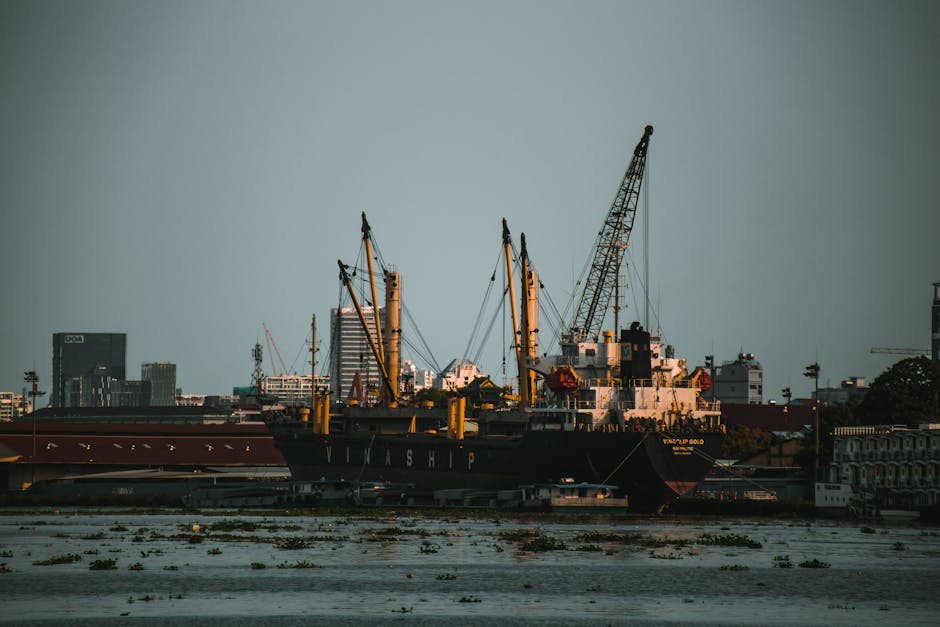
Vietnam’s AI-Powered Green Ports: Pioneering the Future of Global Logistics
Vietnam stands at a crossroads of historic transformation. Once defined by labor-intensive, analog supply chains, the nation is rapidly emerging as Southeast Asia’s digital logistics powerhouse—driven by a bold vision for “green ports,” AI-powered customs, and a commitment to international standards. As the EU’s Carbon Border Adjustment Mechanism (CBAM) looms large with a 2026 enforcement deadline, and regional competition accelerates, Vietnamese seaports are becoming living laboratories where advanced technology, sustainability, and global ambition intersect.
The Unfolding Transformation: Vietnam’s Leap Towards Smart Green Logistics
Historic Context and Strategic Imperatives: Over the past two decades, Vietnam’s logistics sector has evolved from manual, fragmented operations to interconnected networks crucial for global trade. With a projected seaport economy of $52 billion by 2025, set to surge to $72 billion by 2030 at an impressive 6.6% CAGR, Vietnam is not simply catching up—it’s setting the pace. The rise in the Logistics Performance Index (LPI) to 43rd globally and 5th in ASEAN reveals a nation intent on outpacing regional peers through innovation.
Strategic National Roadmaps: Vietnam’s 2025-2035 logistics master plan, endorsed at the highest governmental levels, mandates integration of AI, IoT, and green infrastructure. These efforts are not mere window dressing; they are designed to counteract the entrenched challenges of port congestion, emissions, and rising logistics costs that have long eroded export competitiveness. This is further accelerated by a dedicated 3% allocation of the state budget for AI and digital tech—underscoring the government’s prioritization of logistics as a transformative sector.
How AI Redefines Port Operations: Efficiency, Speed, and Sustainability
Digital Customs in Action: The transformative impact of AI is unmistakable at flagship ports like Tân Cảng Cát Lái. Here, the implementation of full ePort electronic transactions has slashed traditional customs handling times from hours to just 15-20 minutes. AI-driven systems, complemented by 24/7 e-tax platforms, have enabled “green lane” clearances in 1-3 seconds—paralleling world-class benchmarks like Singapore’s TradeNet.
Quantifiable Results: The bottom-line effect is profound: annual fuel savings at Cat Lai now reach $1.5–2 million, while CO₂ emissions decline thanks to the adoption of electric cranes and AI-optimized route planning. Across the sector, AI reduces average fuel use by 15% and shortens delivery times by 25%, directly benefiting exporters under the impending CBAM regime.
National Integration Efforts: The Việt Nam Automated Cargo Clearance System, National Single Window, and ASEAN Single Window are synergized through AI and blockchain, delivering real-time data, predictive risk analysis, and transparent tracking. By 2030, “Smart Customs” will feature advanced analytics, ensuring Vietnam aligns with the most demanding global standards.
Innovation Stories: Showcasing Real-World Impact
Tân Cảng Cát Lái Port: This bustling gateway is the poster child for Vietnam’s digital transformation, having implemented ePort systems that not only enhance throughput but also reduce environmental footprints. Electric cranes, orchestrated by AI, illustrate how digital and green innovation can coexist without compromise.
Multimodal Connectivity at Work: In Ho Chi Minh City, port clusters like Cai Mep and Cat Lai are using AI to synchronize barge and feeder vessel flows, a critical step in positioning Vietnam to compete with giants like Singapore and Shanghai. Currently, only two Vietnamese ports accommodate ultra-large vessels; AI optimization helps bridge this infrastructural gap, pointing the way towards the nation’s “super port” ambitions.
Comparative Perspectives: Vietnam vs. Regional Peers
ASEAN Competitiveness: While Thailand, Indonesia, and Malaysia all possess substantial logistics resources, Vietnam’s twin focus on AI-driven digitalization and green energy places it ahead in critical aspects. The 6.7% CAGR in the logistics sector outpaces most regional rivals, while the proactive response to the EU’s CBAM sets Vietnam apart as a first-mover among exporters seeking EU/US market access.
Institutional Learning and Human Capital: Unlike some peers, Vietnam recognizes the need for applied skills, sending talent abroad (notably to Singapore for 9-month YCH Group programs) to build capacity in warehouse automation and multimodal logistics.
Governmental Vision vs. Execution: While all ASEAN nations aspire to logistics hub status, Vietnam’s binding financial and strategic commitments—specifically the earmarked 3% state budget for AI—demonstrate executional seriousness that few competitors can match.
Challenges: Navigating Bottlenecks and Uneven Adoption
Physical Infrastructure Constraints: Despite digital advances, Vietnam’s logistics ecosystem faces congestion and capacity bottlenecks, especially on road-dominant corridors and at ports lacking deepwater access. The aspiration to handle ultra-large vessels at scale remains hampered by limited port infrastructure and the absence of seamless intermodal connections.
Human Capital Gaps: University programs lag behind industry needs, especially in practical logistics and AI management, necessitating costly overseas training for local talent.
Emissions and Green Transition Risks: Although pilots, such as VinGroup electric trucks and solar-powered warehouses, hint at a sustainable future, the full renewal of diesel fleets and broad adoption of renewable energy require sustained investment and incentives.
Strategic Playbook for Decision Makers
CBAM Compliance as Business Opportunity: The EU’s CBAM is not merely a regulatory hurdle—it’s a catalyst for competitive advantage. Companies that audit and decarbonize their supply chains now, leveraging AI-enabled carbon tracking, can preempt anticipated cost hikes (10–20% for non-compliance) and access green-lane privileges for expedited customs.
Partnerships and PPPs: Executives are urged to pursue public-private partnerships for co-investment in AI routing, electric cranes, and IoT sensors, targeting measurable ROI (such as the 15% fuel and 25% time reductions evident in current pilots).
Multimodal Logistics as Value Multiplier: The shift from a road-heavy to a highly integrated, AI-optimized barge, feeder, and rail network is not optional—it’s essential for unlocking congestion relief and future-proofing port operations.
Actionable Steps: From Vision to Execution
Immediate Priorities:
- Audit CBAM exposure and initiate real-time carbon measurement using AI tools.
- Partner for AI infrastructure implementation with port leaders like Tân Cảng and Cai Mep.
- Build multimodal capacity with partners such as YCH Group; focus on barge/feeder and rail integration.
- Upskill the workforce via international training programs, emphasizing 4PL/5PL models and blockchain logistics.
- Invest strategically in green technology—electric fleets, solar-powered facilities, and predictive AI maintenance solutions.
- Integrate operations with national platforms like the NSW and lobby for continued infrastructure modernization.
Each step—backed by a clear ROI timeline (often 6–24 months depending on initiative)—is geared to not only comply with but capitalize on global logistics trends.
A Regional Outlook: Positioning for ASEAN Leadership
First-Mover Advantages: Vietnam’s 43rd-place global LPI and 5th ASEAN ranking are only the beginning. With Ho Chi Minh City’s Thi Vai cluster aspiring to stand shoulder-to-shoulder with Shanghai, and new projects like the Can Gio International Transshipment Hub aimed at catalyzing a $72 billion seaport economy, Vietnam is poised to set the regional standard.
Integration North to South: National efforts reach beyond the commercial core—northern hubs around Hanoi are being linked via national logistics databases, further solidifying Vietnam’s status as the region’s “connectivity spine.”
Export-Driven Ambition: With a logistics growth engine targeting $1 trillion in exports, the strategic importance of green-digital transformation cannot be overstated.
Partnering for Progress: Stakeholders and Resources
- Government Strategies: 2025–2035 master plan via the Ministry of Transport, prioritizing smart ports, green energy, and AI/IoT-enabled infrastructure.
- Port Operators: Pioneers like Tân Cảng and the Can Gio hub lead by example with AI pilots and full-stack ePort systems.
- Industry Forums: Anchored by gatherings such as the Vietnam Logistics Forum and Autumn Economic Forum, where policy and market actors shape sectoral direction.
- Training Providers: Forward-looking programs from YCH Group and select Vietnamese universities focused on practical logistics digitization.
- Tech Incentives: Leverage 3% of the state budget for AI/IoT/blockchain investment and incentives for SMEs chasing “green lane” benefits.
- Global Benchmarks and Investors: Use Singapore’s TradeNet and MSC’s green fleet strategy as models; attract foreign direct investment into data-driven optimization projects.
Differentiating Perspectives: A New Lens for Traditional Players
Strategic Disruption vs. Incremental Change: For new entrants and SMEs, the temptation is to regard green logistics as an expensive, compliance-driven exercise. Vietnam’s story challenges this orthodoxy, illustrating that rapid, technology-fueled adaptation yields not just regulatory compliance but also core business value—cost savings, speed, and new market access.
Exporters vs. Domestic Operators: Export-facing companies, especially those targeting the EU and US, are racing to adopt AI and green logistics to safeguard market share as CBAM takes effect. In contrast, domestic logistics providers risk exclusion from lucrative “green lane” programs without accelerated digital adoption.
Lessons for Regional Laggers: Neighboring countries that view digital transition as optional or slow-moving are likely to see supply chains reroute through Vietnam, accelerating its rise while deepening their own competitive challenges.
"By 2030, Vietnam will not simply catch up to global logistics leaders—it will redefine the standards by which smart, sustainable, and resilient supply chains are measured. The fusion of AI, green technology, and strategic policy is no longer a theoretical vision; it is the new baseline for those who wish to thrive in the world’s fastest-growing markets."
Conclusion: Vietnam’s Crossroads—From Ambition to Global Leadership
As global trade becomes ever more digital, decarbonized, and data-driven, Vietnam’s green port revolution offers a compelling template for nations seeking to thrive under new norms like the EU’s CBAM. The transformation underway—from customs blitzed through AI in seconds to multimodal networks optimizing every mile—signals a paradigm shift.
But the window for action is finite. The challenges of congestion, skills gaps, and uneven digital adoption are real. Yet, with a 3% AI budget allocation, 6.6% seaport economy growth, and a concerted push for “super port” stature, Vietnam is laying tracks for a future that others will follow.
The case for decisive, strategic investment in AI and green logistics is overwhelming. Firms, policymakers, and investors who recognize this inflection point—and act with urgency—will be the authors of Vietnam’s next economic miracle. As the country climbs from LPI contender to global leader, its AI-powered green ports are more than infrastructure: they are the beating heart of a new era for trade, technology, and sustainable development.
For those willing to lead, the rewards—measured in trillion-dollar exports, regional influence, and global connectivity—are well within reach.