
How Indie Skincare Brands Are Dominating Southeast Asias Humid Beauty Market: Insights From Singapore, Malaysia, Thailand, Indonesia, Vietnam, And The Philippines
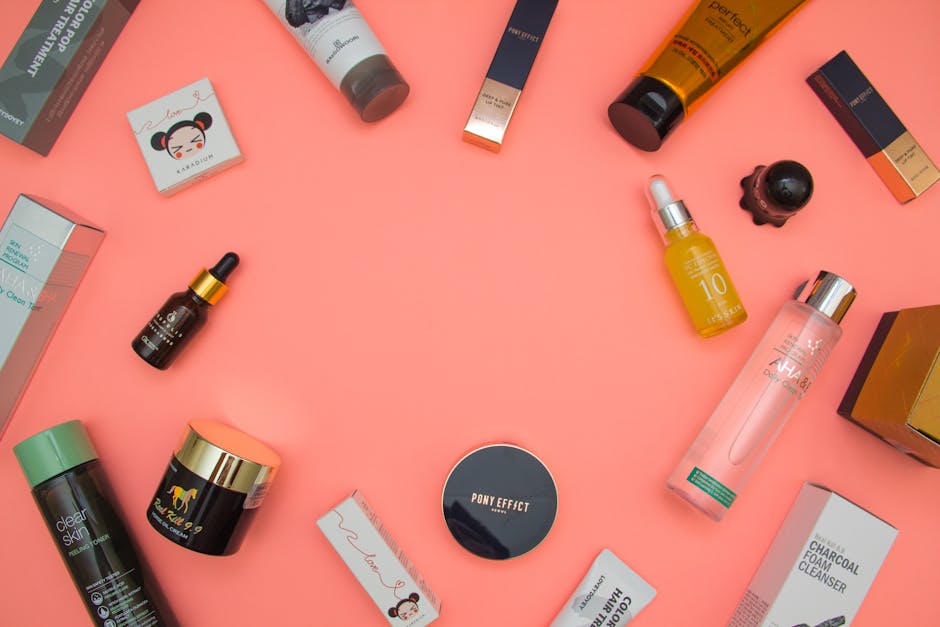
How Indie Skincare Brands Are Redefining Southeast Asia’s Beauty Landscape
The beauty and skincare industry in Southeast Asia is undergoing a transformative shift, one deeply rooted not in international trends, but in the lived reality of its people: relentless heat, nearly year-round humidity, and the unique requirements of Asian skin. Over the past decade, the region has evolved from a passive audience for Western and Korean beauty trends into a cradle of innovation, home to indie skincare brands that are defining the future of climate-adapted beauty. Today, these agile, science-led companies are not just surviving Southeast Asia’s unforgiving weather—they are thriving because of it, reshaping expectations and unlocking new categories of demand in a market projected to be worth billions.
The Meteoric Rise of Indie Skincare in the Tropics
From import reliance to local innovation: Until recently, Southeast Asian consumers relied heavily on imported beauty products—often formulated for temperate climates, less attuned to the region’s specific challenges of oil control, dehydration, and daily skin stress. Yet, as Grazia Singapore aptly observes, a new class of indie brands now prioritizes “science-backed skincare built for Asian skin in hot, humid climates,” and is rapidly earning consumer loyalty.
Climate as market filter, not barrier: The Southeast Asian market—spanning high-income Singapore to value-sensitive Indonesia—has become a proving ground where only brands with real environmental fit succeed. Humidity is not just a weather condition; it’s a non-negotiable requirement for product formulation, as heavy or sticky textures now struggle to gain a foothold. Brands such as Boundary, with its innovative waterless moisturisers, and agile direct-to-consumer labels are winning precisely because they solve tangible problems with functional elegance.
Emerging Patterns: The Playbook for Humid-Climate Skincare
Texture is king: Success in Southeast Asia increasingly hinges on offering products that are “lightweight, easy to wear and fairly foolproof,” according to Harper’s Bazaar Malaysia. Consumers—frustrated with sticky residues and products that “melt” under sweat and sun—now demand water-based serums, gel creams, and SPF that layers without leaving a cast. The editorial consensus is clear: the lighter and more breathable the better.
Climate-linked skin concerns drive new R&D: The focus has shifted from “trend-driven” beauty claims to formulations that address real, regional issues: excess sebum, sensitivity, dehydration from AC, irritation, and environmental stress. More than “clean” or “natural,” products must work—and prove it on Asian skin, in actual weather conditions. The result is a move toward non-comedogenic cleansers, mattifying moisturisers, and calming botanical serums that champion efficacy and comfort, not just aesthetics.
Digital-native discovery and trust-building: Indie brands leverage short-form educational content, ingredient-led storytelling, and direct-to-consumer models to own the digital conversation. Platforms like Beaubit and curated retailer partnerships (such as with Sephora) have become launchpads for both homegrown and niche imported brands—demonstrating the power of localized, hybrid distribution.
The Singapore Signal: A Bellwether for Regional Trends
Singapore’s sophisticated, digitally mature market offers a window into Southeast Asia’s broader skincare revolution. With reported indie skincare revenues reaching US$60 million (S$80.2 million) in the most recent cycle (Women’s Weekly Singapore), and a consumer base that prioritizes premium, climate-adapted, and pregnancy-safe solutions, the island nation sets the pace for what resonates regionally.
Retail and distribution innovation: Indie Asian brands are no longer limited to niche e-commerce; their presence in mainstream outlets like Sephora and multi-brand e-tailers validates the power of local relevance. Beaubit’s role in bringing the Korean cult brand Tamburins to Singapore underscores how native e-tailers act as arbiters of discovery and taste.
Shifting consumer preferences: The Euromonitor International’s reporting confirms what anecdotal evidence has long suggested: Singaporean (and by extension, Southeast Asian) consumers are moving beyond simple brand prestige to seek functional fit and climate-specific credibility.
Tactical Shifts and Innovations That Work
Design for climate—and tell the story: Winning brands map product architecture directly to weather. Boundary’s waterless moisturisers are positioned for hot, humid urban life; Mille adopts Korean skincare science but reformulates for Southeast Asian realities; INGU tailors brightening serums to layer seamlessly under sun protection and makeup.
Keep routines simple and functional: Multi-step regimens designed for drier climates find little traction here. Consumers prefer fuss-free routines with strong, obvious benefits: calming clinical branding, repeatable formats, and fewer but more effective steps.
Localize for skin type and lifestyle: Regional specificity extends beyond climate. Brands like Sigi Skin address pregnancy safety, while Delicat targets sensitive, travel-stressed skin—a nod to Southeast Asia’s highly mobile, globalized urban population.
Ingredient stories with a climatic angle: Vitamin C, centella, green tea, and hyaluronic acid are staples—but the explanation always circles back to why they matter in humid weather, e.g., barrier support, fast absorption, or antioxidant protection for city dwellers.
Country-by-Country: Opportunities and Contrasts
Singapore: Premium, climate-driven innovation
A high-value, brand-curious market with a demand for premium indie skincare, niche serums, and sensitive-skin friendly innovation. Products must feel luxurious yet functional—water-light, sweat-proof, and pregnancy-safe formulations are table stakes.
Malaysia: Value, simplicity, and regionally resonant textures
A climate similar to Singapore but with a broader consumer price ladder. Mid-priced hero products, travel-friendly formats, and texture innovation are critical. Brands should lead with evidence-based claims and clear communication around oily skin, dullness, and climate stress, as championed by coverage in Harper’s Bazaar Malaysia.
Thailand: Botanicals and sensorial rituals
A market with sophisticated wellness sensibilities and openness to botanical, ritual-driven skincare. Thai brands such as Delicat and Panpuri lead with gentle, spa-adjacent products, backed by local traditions and ingredient narratives.
Indonesia: Affordability, transparency, and social commerce
The region’s largest, most price-sensitive market rewards lightweight, oil-control, acne-safe formulas distributed through marketplace-first channels with clear ingredient transparency and halal compliance. Social media and creator-led discovery are key.
Vietnam: Fast, visible results for the young and digitally native
A youthful, value-conscious market where brightening serums, calming moisturizers, and hybrid products that resist humidity and offer visible benefits win over trend-hungry consumers.
Philippines: Long-wear, sweat-resistant affordability
Consumers here seek lightweight sunscreen, non-sticky moisturisers, and minimal-step routines that deliver all-day wear and fast results. Affordability merges with high performance under daily exposure to sun and humidity.
Comparative Perspectives: Why Global Strategies Don’t Always Translate
Western and K-beauty products: While Western and Korean brands have long dominated regional headlines, their best-selling routines often fail to account for tropical realities. Heavy emulsions, long-step regimens, and “dewy” finishes can become liabilities as soon as the mercury (and humidity) rises. Local indie brands, on the other hand, start formulation and messaging with the climate as the primary design constraint.
Imported prestige vs. local fit: There is a growing skepticism around brands trading only on international prestige. As Women’s Weekly Singapore notes, Southeast Asian consumers now prioritize “better fit,” meaning climate and skin type-adapted performance, over mere brand reputation. This local-first orientation is amplified in digital reviews and word-of-mouth.
Winning Product Archetypes: Categories Shaping the Market
Lightweight Moisturizers: Top performers are oil-free, fast-absorbing, and deliver hydration without stickiness—exemplified by Boundary’s waterless moisturizers.
Serums for dullness and climate stress: High on vitamin C, niacinamide, centella, and green tea, these serums address specific needs (dehydration, pigmentation, sun stress) while being easy to layer and quick to absorb.
Cleansers and Toners for Oily/Sensitive Skin: Gentle, non-stripping, with calming botanicals and balanced foam, these products help anchor routines by tackling congestion and sensitivity.
SPF and Sun-Care: Central to all routines—must be invisible, sweat-resistant, and makeup-friendly.
Hybrid Makeup-Skincare: Lightweight, coverage-giving products with functional skincare benefits are gaining ground, especially for consumers wanting fewer steps.
The next phase for Southeast Asian indie skincare is not merely about localizing ingredients or packaging. It’s about mastering the science of comfort and performance—designing products that withstand the ultimate test: eight hours in 90% humidity. The winners will be those who turn climate friction into product advantage, and, in doing so, set the benchmark for global beauty innovation.
Real-World Implications: What This Means for Brands, Investors, and Consumers
For brands: Businesses must treat humidity not as an afterthought, but as a core constraint that guides everything from R&D to marketing copy. Launching with heavy, occlusive creams or generic “universal” routines is now a recipe for failure. Instead, focus on hero SKUs—gel moisturizers, brightening serums, climate-adapted SPF—and anchor them in credible, local proof: clinical validation, reviews, and explicit climate testing.
For investors and retailers: The region’s market is not monolithic. Channel mix, price sensitivity, and beauty culture vary dramatically from Singapore to Indonesia. The most resilient and scalable brands are those that excel in direct-to-consumer storytelling, yet can pivot to multi-brand curation and physical retail when trust and discovery require it.
For consumers: The era of compromise is ending. Southeast Asians now have access to products that no longer force them to choose between efficacy, comfort, and safety. The expectation is set: skincare should feel light, work fast, and leave skin comfortable in even the stickiest weather.
Forward-Thinking Insights and Strategic Recommendations
Build for the climate, not just the consumer: The environmental demands of Southeast Asia—heat, humidity, urban pollution—should be the starting point for all product development.
Prioritize focused hero launches: Less is more. Indie brands should debut with one or two best-in-class products that solve high-friction problems, then build out routine expansion over time.
Leverage local credibility: Regional dermatology expertise, climate testimonials, and even retail partnerships can all serve as vital validation points. Editorial recommendations carry significant weight.
Embrace hybrid distribution: A dual focus on direct-to-consumer for data/margin and curated retail/marketplace for trust/discovery is the new normal. Do not neglect local e-tailers that have outsized influence within niche sub-markets.
Educate on use-case, not just ingredients: Communicate clearly: “feels weightless in the heat,” “soothes skin after sun,” “does not pill under makeup.” These are the triggers that matter.
Conclusion: The Strategic Future of Humid-Climate Beauty
The future of skincare in Southeast Asia will not be written by imported trends, but by brands who understand that “climate is strategy.” As indie labels continue their ascent, their frameworks—science-backed, climate-adapted, and relentlessly consumer-aligned—are rewriting the playbook not only for the region, but for every humidity-challenged market in the world. For business leaders and investors, ignoring this shift means missing out on one of beauty’s fastest-evolving, most defensible opportunities.
In the race to win Southeast Asia, the formula is clear: Design for the climate, prove your performance, and anchor your story in local relevance. Only then will brands unlock the full promise of one of the world’s most dynamic, diverse, and demanding beauty markets.