
How Local Cafés In Thailand, Indonesia, Singapore & Malaysia Are Shaping Climate-Responsive Beauty: The Next Wave Of Skincare Innovation In Southeast Asia
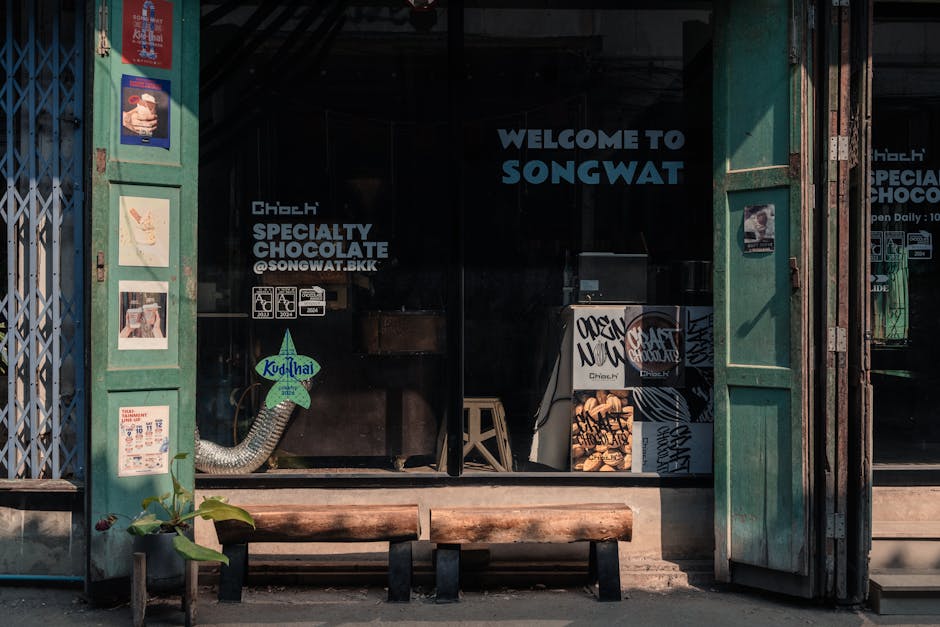
From Beans to Beauty: How Southeast Asia’s Cafés Are Shaping a Climate-Responsive Skincare Revolution
In the pulsating urban heat of Bangkok, Jakarta’s humid sprawl, and the neon-lit streets of Singapore, a quiet revolution is brewing—one in which your neighborhood café is becoming more than just a destination for a caffeine fix or Instagram story. Across Southeast Asia, with particular momentum in Thailand, Indonesia, Singapore, and Malaysia, local coffee shops are fast emerging as real-world laboratories for climate adaptation. Here, menus and formats are shaped not just by culinary trends, but by the lived experience of rising temperatures, relentless humidity, urban pollution, and the changing rhythm of daily life. What’s remarkable is how these cafés, in their creative responses to heat, sweat, and social change, are offering a playbook that the region’s surging beauty and skincare industry is now borrowing, repurposing, and amplifying at scale.
This exposé unpacks how climate stress is driving innovation, why cafés are the new R&D frontier for beauty brands, and how tactical shifts today are laying the groundwork for a sustainable, hyper-local, and consumer-trusted skincare future in Southeast Asia.
The Climate Imperative: Why Skincare Needs to Adapt—Now
Rising heat and humidity: In 2024, Thailand and its regional neighbors aren’t just “hot”—they are grappling with record-breaking heat waves, with “feels like” temperatures frequently exceeding 40°C. Humidity levels in major cities hover between 70–90%, creating skin conditions that traditional, Western-originated skincare often fails to address. According to local coverage, spikes in demand for lightweight, hydrating yet non-occlusive skin products correspond directly to these heat surges.
UV and pollution overload: High UV indices and the pernicious haze from traffic and seasonal forest fires have spawned a consumer base acutely attuned to the perils of oxidative stress, barrier disruption, and skin aging.
The numbers tell a story of urgency: Southeast Asia’s beauty and personal care market is expanding rapidly, with double-digit growth projected in key countries. Thailand leads with an 11% CAGR in clean beauty and skincare projected to comprise 43.7% of this category by 2025 (Liht Organics / Future Market Insights). For beauty brands, climate-driven adaptation is no niche play—it is swiftly becoming a baseline expectation.
The Café as Climate Lab: Four Ways Cafés Are Rewriting the Innovation Script
1. Hyper-Local Climate Design: Cafés across SEA have mastered the “iced-first” logic, serving menus dominated by cold beverages that provide instant relief and suit tropical palettes. Skincare brands are applying the same logic—prioritizing water-based gels, mists, and light emulsions that mirror the refreshing, non-sticky attributes of popular café drinks. Heavy creams now feel as out of place as a hot latte at noon in Jakarta.
2. Ingredient Storytelling & Terroir: The café revolution is hyperlocal—spotlighting regional beans, fruits, herbs, and indigenous fermentations. Skincare labels have taken note, infusing products with antioxidant-rich botanicals and crafting provenance-driven stories. For example, the same coffee bean celebrated in a Chiang Mai cold brew may now enrich an anti-pollution eye serum. This ingredient crossover isn’t just a marketing flourish; it asserts both climate resilience and local pride.
3. Format Innovation for a Hot, On-the-Go Reality:The dense, traffic-choked cities of Southeast Asia make convenience non-negotiable. Cafés have responded with ready-to-drink (RTD) options, smaller SKUs, and packaging designed to withstand sweaty commutes. Beauty brands too are shifting: think sachets, mini ampoules, and leak-proof packaging—designed for the tropical bathroom, the air-conditioned transit, the grab-and-go consumer.
4. Trust, Authenticity, and “Third Place” Community:In a region where 15% of consumers hesitate to buy sustainable goods due to lack of trustworthy information (Bain & Co via Liht Organics), cafés stand as neighborhood anchors of trust. They broadcast their sourcing stories, showcase local farmers, and demystify their processes—an approach beauty brands are now echoing with ingredient origin maps, transparent supply chains, and QR-code-enabled traceability.
Market Dynamics: Numbers, Narratives, and the New Competitive Edge
Thailand: With nearly a third of its cosmetics market commanded by K-beauty and serums representing 23% of women’s skincare purchases, Thailand’s beauty landscape is both fiercely competitive and uniquely local. Local brands like Mistine and Am Herb thrive by blending certified ingredients, climate-specific formulations, and “iced” textures—while the café scene provides continuous inspiration for product launches and seasonal storytelling.
Indonesia: Here, the power of local wisdom is unmistakable. Brands such as Wardah and ESQA succeed by fusing ethnobotanicals (think Papuan red fruit, turmeric) with halal, climate-aware positioning. The café culture—rooted in Sumatran and Javanese terroir, delivery-friendly RTD formats, and ethical sourcing—serves as both a community hub and a testing ground for new ingredient platforms and product forms.
Singapore: This urban, affluent market demands more than just efficacy; it wants narrative, novelty, and data-driven personalization. Cafés here double as co-working spaces, and their packaging—refined, minimalist, sustainable—sets the benchmark for premium skincare design. Small-batch launches, transparent life-cycle analysis, and climate-themed brand partnerships are not just possible, but expected.
Malaysia: Here, tradition and modernity entwine, and the influence of halal, alcohol-free, and animal-friendly standards cannot be overstated. Climate-adaptive routines—particularly for hijab wearers—and product collaborations around fasting (e.g., Ramadan skincare routines) are emerging in tandem with local café specialties and beverage rituals.
Comparative Perspectives: Local Wisdom vs. Imported Templates
Global Brands: K-beauty (Korean origin) holds 12% of SEA beauty and up to a third of the Thai market, thriving through aggressive localization—lightweight textures, ampoules, and Shopee-centric e-commerce strategies. Japanese and Chinese brands, leveraging Belt and Road logistics and tailored pricing, are also venturing into “tropicalized” products and storytelling (ChemLinked).
Local and China-Backed SEA Brands: A new breed of SEA brands (often built with local or Chinese teams) are outpacing the global giants by “listening instead of chasing”—attuning every product detail to real-world conditions, local wisdom, and even micro-neighborhood preferences (GreenBook). Their agility and cultural fluency, mirrored in the adaptive menu logic of cafés, provide a clear competitive edge.
Real-World Leverage: Strategic Moves Inspired by the Café Playbook
Embed Research and Feedback: Treat café locations as live, low-capex “micro-labs” for rapid testing—observing how local consumers interact with new textures, fragrances, and origin stories, and using café foot traffic as a ready-made panel for concept testing.
Segment and Localize Relentlessly:Design products and campaigns that address each country’s climate, regulatory, and cultural substrate. In Indonesia, halal and fungal-acne-friendly are now entry tickets. Thailand rewards “dewiness plus sweat resistance,” and Singapore prizes transparency down to the product’s carbon footprint.
Transparency as a Trust Anchor:Café practices—origin boards, local farmer features, and radical supply-chain openness—must inform the next generation of skincare marketing. Consumer skepticism about greenwashing is not just a PR problem: it’s a sales barrier (Liht Organics/Bain). Brands need to provide concrete, verifiable data, supported by scan-to-verify codes and behind-the-scenes narratives.
Temporal and Thematic Alignment:Just as cafés flex their offerings in response to seasonal heat waves or haze events, beauty brands can time launches—like “Heat Wave Hydration” or “Haze Defense” capsules—aligning with real-time climate and air-quality alerts. This is not just responsive marketing; it is local relevance in action.
Cross-Category Partnerships:The proliferation of co-branded, limited-edition items in F&B points to the viability (and growing consumer appetite) for similar collaborations—think café-sampling of skincare sachets, bundled functional drinks with antioxidant serums, or even in-café “skin clinics” pairing environmental education with product trials.
Country Spotlights: Unique Pathways, Shared Climate Challenge
Thailand: The Iced-First Aesthetic
Bangkok’s café culture sets the bar for climate-responsive product formats—iced drinks are not a novelty but a necessity. Skincare launches mimic this with cooling, water-based textures; ingredient crossovers (Chiang Mai cold brew in both drinks and serums); and seasonal, themed campaigns that flex with the city’s volatile weather. Local brands gain trust by fusing “Thai wisdom” with dermatological science, co-creating SKUs with iconic café partners, and using cafés as high-traffic sampling points.
Indonesia: Humid-Proofing, Halal, and Local Pride
Indonesia’s café scene is both cosmopolitan and fiercely local, rooted in pride for Javanese and Sumatran terroir. Skincare here is all about oil-control, quick-absorption, delivery-stable formats, and rigorous halal compliance. Cafés become literal R&D partners, offering local brands a platform for micro-testing new formulas and ingredient profiles (“coffee cherry scrubs,” anyone?), amplified by social storytelling on local climate and pollution realities.
Singapore: Premiumization, Data, and Minimalism
Singaporean consumers expect more than function—they want transparent science, minimalist design, and climate-intelligent routines. Cafés here lead in subscription, personalization, and sustainable packaging, creating a template for beauty brands to experiment with small-batch launches, co-working partnerships, and “skin diet” education. Anti-pollution serums and blue-light defense products, supported by visible environmental metrics, are rapidly becoming hero SKUs.
Malaysia: Heritage, Halal, and Hijab-Friendly Innovation
In Malaysia, modern specialty cafés jostle with traditional kopitiams, mirroring a consumer base that wants both local tradition and international efficacy. Beauty brands must offer halal, alcohol-free, and climate-specific ranges, especially for hijab wearers negotiating microclimate challenges under fabric. Joint campaigns around Ramadan (“Iftar Skincare Routines”) and climate-proofed hydration are finding strong cultural resonance and partnership opportunities.
Implications for Global and Local Players: The Café Edge
A Fast Route to Localization: Cafe collaborations offer beauty brands a “sensor network” for rapid, low-risk feedback, enabling them to micro-localize products by city, climate event, or even consumer cluster.
Translating Science Into Intuitive Value: Consumers in SEA may not always respond to technical jargon, but they instantly grasp parallels between “hydration boosters” and their favorite cold brew or antioxidant teas. Cafés provide a powerful metaphor for communicating complex skincare benefits simply and credibly.
Sustainability With Teeth: Moving beyond slogans to verifiable commitments—actual recycled content, local sourcing maps, refill stations—is not just nice-to-have, but increasingly a purchase driver in key markets such as Singapore and Thailand.
The lesson from Southeast Asia’s café-skincare convergence is clear: in a region defined by climate intensity and cultural complexity, the brands that listen, localize, and leverage lifestyle micro-hubs will not only survive—they will define the future of consumer trust and climate resilience.
Key Themes from the Last 72 Hours: Evidence of Durability
Recent news confirms these are no passing trends:
Persistent “Heat & Hydration” Messaging: Social and retail channels are saturated with “beat the heat” and “UV alert” content, underscoring consumer urgency and relevance for climate-parallel beauty launches.
Acceleration of RTD and Mini Formats: F&B and beauty alike are doubling down on delivery-friendly, travel-size SKUs, with last-mile resilience (heat, shock) built in from the start.
Rising Scrutiny of Sustainability: Opinion columns spotlight growing consumer skepticism around “greenwashing,” reinforcing the need for radical transparency and verifiable sustainability metrics.
Emerging Cross-Category Collaborations: From F&B to beauty, there’s a clear uptick in limited-edition, co-branded offerings—signaling the feasibility and cultural fit for deep, creative partnerships.
Implementation Roadmap: From Insight to Market Reality
For business leaders asking “what next?” the blueprint is clear and actionable:
1. Map the Café Ecosystem: Identify 3–5 influential café partners per country (chains and indie disruptors).
2. Run Pilots: Test co-branded campaigns and climate-framed sampling in a focused city per market; measure uplift vs. control cities.
3. Launch Climate-Native Capsules: Develop limited-edition hydration, heat, and pollution defense collections with café-driven ingredient and narrative synergy.
4. Institutionalize Climate R&D: Mandate that every new SEA SKU is stress-tested for actual local conditions—heat, humidity, and pollution—and marketed as such.
5. Integrate Café Transparency: Employ origin boards, QR traceability, and farm stories, adapted from café best practices.
6. Scale and Adjust: Cross-pollinate learnings, tailoring by market (halal for Indonesia/Malaysia, premium storytelling for Singapore, dewy trends for Thailand).
Conclusion: A Call to Action for the Next Decade
Southeast Asia sits at the crossroads of climate disruption, cultural dynamism, and explosive consumer growth. The region’s cafés—once seen as lifestyle adjacencies—have proven themselves as nimble, consumer-driven “signal systems” for climate adaptation, innovation, and trust-building. For the beauty industry, the message is unequivocal: integrate the café model into your R&D, marketing, and partnership DNA or risk irrelevance in a market increasingly shaped by local realities.
The future, simply put, will belong to those who use these living climate labs not just as distribution channels, but as daily barometers for what’s next. In a world of rising heat, intensifying scrutiny, and accelerating change, the convergence of beans and beauty stands not as a curiosity, but as a strategic imperative. Responding to these signals with humility, creativity, and rigor will separate the brands that merely follow trends from those that set the pace for ethical, climate-smart, and locally resonant consumer culture across Southeast Asia.
The age of the “café as climate playbook” has arrived. It is time for decision makers to pull up a chair, tune in, and lead accordingly.