
How Local Partnerships And Climate-Smart Formulas Are Revolutionizing Personalized Skincare In Southeast Asias Humid Markets
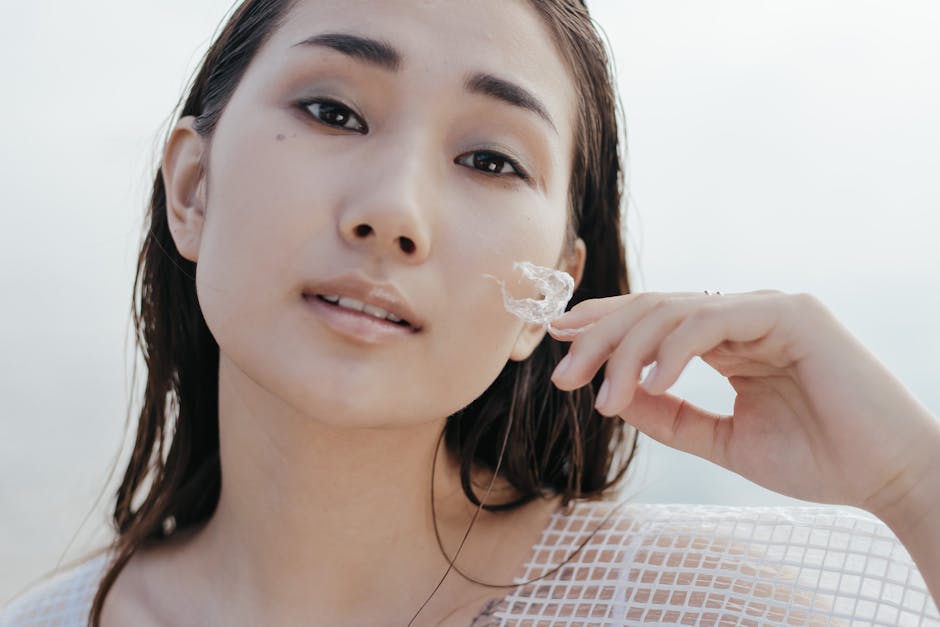
How Local Partnerships Are Shaping Personalized Skincare Routines for Southeast Asia’s Humid Climate
Southeast Asia’s skincare market stands at a pivotal crossroads. For decades, beauty brands followed a straightforward script: launch a “global hero product,” translate messaging into local languages, and rely on the aspirational pull of international prestige. Yet, the region’s relentless heat, humidity, and UV exposure have rewritten the rules. Today, the fastest-growing—and most resilient—skincare innovations are built not in distant labs but through deep, on-the-ground collaborations. By forging local partnerships, global and regional brands are crafting routines that fit Southeast Asian lives, skins, and climates. This exposé dissects the forces driving this market transformation, reveals the evidence behind the shift, and charts what business leaders must do next to thrive in the era of personalized, climate-adapted beauty.
The Humid Reality: Why Climate Is the New Market Driver
From “Global Solutions” to “Local Survival Strategies.” For years, regional skincare trends echoed the aesthetics of Korea, Japan, and China: multi-step layering, heavy actives, and high-drama campaigns. But Southeast Asian consumers live with relentless 30°C heat, 80% humidity, and some of the world’s highest UV indexes. The search for “climate comfort” is now as important as the quest for glass skin. The data is clear—demand for lighter, sweat- and humidity-resistant formulas is not anecdotal hype, but a measurable macro-shift. According to Intel Market Research, the Asia-Pacific sunscreen market was valued at USD 126 million in 2024, with projections to soar to USD 216.88 million by 2034 at an 8.5% CAGR. This is not a seasonal blip: SPF is now a daily essential, not just a vacation afterthought.
What does this mean in practice? Heavy creams and classic layering routines now risk irrelevance. Products that promise “lightweight,” “non-greasy,” and “humidity-resistant” performance are rapidly gaining shelf space—and market share.
Climate-Specific Personalization: A New Standard for Skincare
Beyond AI Quizzes—Practical Personalization Is King. In the West, “personalization” often means algorithmic skin quizzes, customized packaging, or DNA-based routines. In Southeast Asia, personalization is tangible: it is about lighter gel textures, sweat-proof SPF hybrids, oil-control solutions, and barrier support to defend against urban pollution. Premium Beauty News points out the region’s obsession with “full protection” and the rising appeal of “microbiome barrier” and “travel-friendly items” suited to fast-paced, outdoor-heavy lifestyles.
Adaptation at Every Stage. Effective personalization in this region means tuning formulas for oily, combination, or sensitive skin types common in tropical climates. It means creating stick, mist, or serum formats that can be reapplied on-the-go. Layering is being replaced by minimalist, multifunctional routines that promise efficacy with comfort. For example, SPF moisturizers and BB creams hybridize protection, tone, and hydration, reducing friction while boosting compliance. In essence, smart brands are letting climate dictate format and feel.
Decoding the Numbers: SPF as the Bellwether
SPF Moves Center Stage. The numbers capture the seismic shift. The Asia-Pacific sunscreen category, spotlighted by Intel Market Research, is the fastest-growing segment in the region’s personal care market. Growth is propelled by rising skin cancer awareness, cultural preferences for even-toned skin, and the emergence of a spend-ready middle class, especially in Indonesia, the Philippines, and Vietnam.
Hybridization Leads Growth. The biggest gains are not in basic creams, but in all-in-one routines: SPF moisturizers, tinted sunblocks, and other multitaskers. The market’s projected 8.5% CAGR over a decade affirms that consumers are voting for “protection you can wear all day”—products that withstand sweat, commutes, and outdoor work without the greasy sensory burden of older formulas.
Why Local Partnerships Are the New Growth Engine
Four Problems, One Solution: Local Embeddedness. Old models of centralized R&D and top-down marketing now fall short. Brands that co-create with local partners enjoy four advantages:
1. Product-Market Fit. Local labs, ingredient suppliers, and dermatology advisors translate global science into routines that work for regional skin, weather, and lifestyles.
2. Cultural Trust. Collaborations with key opinion leaders (KOLs), pharmacists, and retailers build authenticity fast, far outpacing imported messaging.
3. Channel Access. In Southeast Asia, country-specific buying behavior ranges from marketplace-first (Vietnam, Philippines) to pharmacy-trusted (Malaysia, Thailand) and social commerce-driven (Indonesia, Thailand). Tailoring channel strategies is impossible without local partners.
4. Regulatory Navigation. Ingredient restrictions, halal certifications, and labeling expectations can upend an unprepared launch.
As Zigpoll advises, collaborating with “authentic local influencers and KOLs” and building “fully localized customer experience and support” is now table stakes.
Comparative Perspectives: North Asian Influence vs. Local Innovation
Borrowing Inspiration, Not Copying Playbooks.
K-beauty, J-beauty, and C-beauty have long served as “innovation laboratories” for the Asia-Pacific region, introducing active-rich ampoules, sheet masks, and layering rituals. But in Southeast Asia, local brands and informed consumers don’t simply mimic trends—they remix them. As Premium Beauty News notes, the region creates “custom answers” to regional needs.
Contrast with Western and Northeast Asian Approaches. Western brands often center luxury, visible transformation, and multi-step routines. Northeast Asian formats hero gentleness, actives, and ritualistic application. In humid Southeast Asia, routines veer toward:
- Minimalist steps for comfort and speed
- Matte, breathable, and “touch-free” formats (such as SPF sticks or mists)
- Localized claims: oil control, humidity protection, microbiome barrier, halal-friendly
Country Deep Dives: Tailored Tactics for Distinct Markets
Fragmentation Demands Granular Strategies. Southeast Asia is unified by climate, but divided by culture, regulation, and commerce. What works in Jakarta may flop in Manila or Ho Chi Minh City. Here’s how localization plays out on the ground:
Indonesia: The world’s largest Muslim-majority market, Indonesia demands halal-certified, oil-control skincare, lightweight SPF, acne care, and ingredient transparency. Partnerships with halal authorities and trusted retailers are critical (Premium Beauty News).
Thailand: While K-beauty is highly influential, Thai consumers prioritize wellness, glow, and natural beauty. Products promising sensory comfort and barrier support resonate best.
Vietnam: Urbanization and pollution make anti-pollution, affordable “premiumization,” and social commerce-led discovery must-haves. Marketplace partnerships and localized beauty creators are as important as product claims.
Philippines: Here, climate-proof SPF, humidity-resistant hybrids, and influencer-driven recommendations drive trial and repurchase. Accessible pricing and vibrant online community engagement are paramount.
Malaysia: Sharing much with Indonesia, Malaysia requires halal sensitivity, urban premium positioning, and strong compliance. Pharmacy and social commerce are vital channels.
Singapore: The region’s trend lab—with a clinical, ingredient-driven consumer base. Singapore is ideal for launching premium or science-driven formats before scaling regionally.
Emergent Markets (Myanmar, Cambodia, Laos): More price-sensitive and channel-fragmented, these markets respond best to simple, portable SKUs and distribution partner-led launches.
The Product Playbook: What Wins in Humid Climates?
Evidence-Driven Winners. The fastest-growing SKUs—validated by both data and market observation—share common traits:
- Lightweight Moisturizers: Hydration without shine is non-negotiable in humid heat.
- SPF Hybrids: Sunscreen + moisturizer, sunscreen + tone correction, or sunscreen + anti-aging claims lead both new trial and everyday adoption.
- Oil-Control Solutions: Mattifiers, anti-acne, and reapplication-friendly formats (sticks, powders) are growing fast.
- Barrier-Support Formulas: Microbiome-centric and anti-pollution claims resonate, especially in urban centers.
- Portable and Touch-Free Packaging: The “boom of stick format” (Premium Beauty News) aligns with mobility and hygiene concerns.
Operationalizing Local Partnerships: From R&D to Retail
How to Embed Locally—The Practical Models In-Play.
- Formulation Partnerships: Working with local contract manufacturers and ingredient suppliers fine-tunes viscosity, sweat resistance, and fragrance for regional comfort (Zigpoll).
- Dermatology/Clinic Partnerships: Local dermatologists validate claims for acne, sensitivity, and sun protection, anchoring medical trust.
- Retail Partnerships: From urban beauty chains and pharmacies to online marketplaces and social commerce, route-to-market must mirror local shopper behavior.
- Influencer and Creator Partnerships: Demonstrating texture, wear, and reapplication behavior through credible local creators bridges the “trust gap.”
- Regulatory & Certification Partnerships: Especially vital for halal claims and ingredient scrutiny—avoidable missteps here can be costly (Zigpoll).
Marketing Messaging: Winning Language for Humidity-Led Markets
Concrete, Sensory-Driven Messaging Wins. “Lightweight,” “fast-absorbing,” “shine control,” “humidity-resistant,” and “sweat-friendly” are the hottest copywriting hooks. “Daily SPF for tropical climates” and “barrier support” speak to emerging concerns around environmental resilience. Brands should avoid heavy-handed Western luxury cues unless robust local validation supports them. As Zigpoll notes, adapting tone, dialect, and visual storytelling is crucial for resonance.
Risks of Getting Localization Wrong
The Costs of Neglect. Missing the local mark brings predictable consequences:
- Product Mismatch: Heavy textures or oily finishes repel rather than delight consumers in hot, humid settings.
- Cultural Disconnect: Imported claims can feel tone-deaf or irrelevant.
- Regulatory Pitfalls: One-size-fits-all labeling or formulation risks expensive compliance failures.
- Channel Misfires: D2C strategies may flop if the local market favors pharmacy or marketplace buying.
- Trust Gap: Without local influencer or professional endorsement, even best-in-class products can fail to gain traction.
The Next 24 Months: What Comes Next in Personalized Skincare
Five Forward-Looking Trends Will Define the Market:
- SPF anchors the daily routine—no longer seasonally or event-driven, sunscreen is now a must for all demographics.
- Hybrid, lightweight formats outperform traditional creams, driving faster adoption and higher lifetime value.
- Local partnerships become the default for credibility, distribution, and compliance.
- Ingredient transparency and halal/ethical claims strengthen as differentiators, particularly in Indonesia and Malaysia.
- Climate-proofing becomes an invisible standard, woven into claims, demos, and trials rather than positioned as a premium feature.
The next frontier of skincare in Southeast Asia will be won not by the most technologically advanced formulas, but by the brands that listen, adapt, and embed themselves authentically within local climates, cultures, and commerce. Those who partner deeply—across labs, clinics, retailers, regulators, and creators—will set the standard as SPF, comfort, and resilience become non-negotiable norms.
Conclusion: Winning the Humid Skincare Race—A Strategic Imperative
The Southeast Asian skincare market is no longer a game of distant innovation and local adaptation. It is a contest of real-time, collaborative problem-solving, with climate at the center and partnership as the method. Brands that localize—formula, claim, channel, and experience—at the country level, not just the regional, will win both trust and repeat business.
With the Asia-Pacific sunscreen market alone projected to reach USD 216.88 million by 2034, and hybrid, climate-responsive formats outpacing traditional categories, the opportunity is immense. But it is not for the slow or the complacent. The future belongs to those willing to co-create with local labs, advisors, retailers, and creators—to prove their relevance in sweaty, bustling, profoundly local realities.
In this era, the best global beauty brands will act truly local. As SPF and lightweight comfort become universal expectations, the only question left is: will your brand localize faster than your competitors can copy? The winners will be visible, not just on the shelf, but on the glowing, protected skin of Southeast Asia’s millions.
Sources:
Zigpoll — Localization strategy for self-care product marketing
Intel Market Research — Asia-Pacific Personal Care and Cosmetics Sunscreen Market
Premium Beauty News — North Asian beauty trends and influences on Southeast Asian markets
GMI Insights — Southeast Asia K-Beauty Products and Services Market
InsightAce Analytic — Climate-Responsive Beauty Products Market Growth 2025–2034