
How Malaysian Coffee Brands Like ZUS And Secret Recipe Are Using AI To Transform Customer Experience In Kuala Lumpur And Beyond
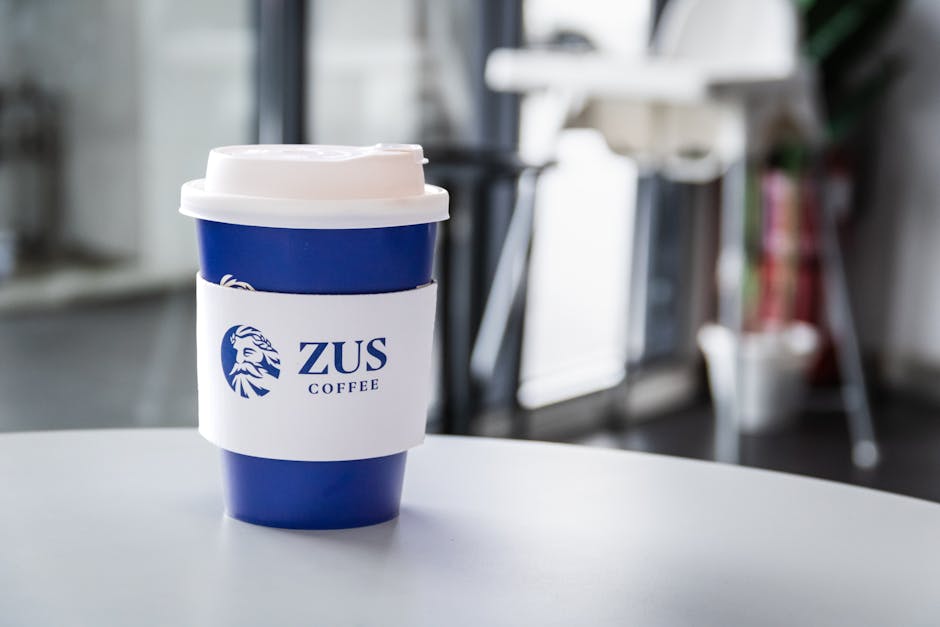
From Warung Kopi to Algorithmic Cafés: How Malaysian Coffee Brands Are Using AI to Redefine Customer Experience and Regional Growth
It’s a story that begins with the sizzle of charcoal under battered kettles and the clink of cups in corner kopitiams—a story now accelerating into the digital age at breakneck speed. In Malaysia, coffee culture has always been communal, inventive, and fiercely local. But as the region’s economy tilts toward a tech-driven future, homegrown coffee brands are reimagining what it means to serve—and understand—the modern consumer. No longer satisfied with nostalgic routines, brands like ZUS Coffee and Secret Recipe are pioneering a radical shift: leveraging artificial intelligence (AI) not just to automate but to personalize, anticipate, and emotionally connect. In this exposé, we trace the seismic transformation of Malaysia’s coffee industry, revealing the hidden mechanics, cutting-edge practices, and strategic imperatives now propelling it onto the Southeast Asian—and global—stage.
The Dawn of Malaysia’s AI-Powered Coffee Renaissance
From Tradition to Transformation: Malaysia’s coffee industry sits at a crossroads between heritage and hyper-personalized innovation. The past few years have witnessed a profound technological shift—one that penetrates far beyond brewing methods and menu choices. What was once a market dominated by warungs and legacy café chains has evolved into a dynamic, data-driven ecosystem. Technology isn’t optional. A staggering 84% of global marketers already leverage AI; within two years, adoption is expected to be nearly universal. For Malaysian coffee brands, reluctance to adapt is fast becoming synonymous with irrelevance.
The New Competitive Differentiator: The case for AI is not theoretical—it’s commercial reality. ZUS Coffee, now boasting over 550 outlets and 36+ million digital sales, epitomizes the scale possible with a robust AI toolkit. Predictive supply chain analytics, real-time direct trade data, and hyper-personalized offers have translated into not just exponential growth but also RM250 million in private equity confidence. Secret Recipe, with 360+ Asian outlets, realized an 80% voucher redemption rate and a 29% sales boost for best-selling cakes through AI-powered cloud integration—proof that personalization is achievable, measurable, and replicable.
Emerging Patterns: AI as the New Coffee Currency
Consumer Expectations in the Digital Age: Malaysia’s rising middle class is digitally native, expecting their coffee encounters to be as seamless as their app-driven lives. Customers want speed, zero friction, and experiences that “see” them as individuals—a trend mirrored across Southeast Asia. Yet, a curious dissonance persists: consumer surveys often highlight preferences for sustainability, natural ingredients, or low-sugar options, while behavioral data reveals indulgence and convenience still rule actual purchases. Bridging this “intent-behavior gap” through data-driven personalization is now a core competitive advantage.
Regional Opportunity—and Challenge: Success at home is just the beginning. Malaysian brands are aggressively expanding into Singapore, Indonesia, the GCC, and even Europe—markets with unique tastes, payment preferences, regulations, and consumption habits. The challenge? AI implementations must flex to local nuance while upholding brand consistency and operational scalability.
Building the AI Foundation: Data Infrastructure and Customer Unification
Why Data Infrastructure Is Non-Negotiable: Before AI can personalize a latte, it must recognize the customer ordering it. That journey starts with data unity—consolidating every customer interaction, from the point of sale to mobile apps, e-commerce portals, loyalty redemptions, and support tickets. A lightweight Customer Data Platform (CDP) or tightly integrated CRM stack is the backbone of this endeavor, generating a unified customer ID that follows each guest throughout their journey.
Secret Recipe provides a masterclass in practical application, aggregating data from more than 360 outlets via Microsoft Power BI and cloud tools. The result? Real-time, multidimensional visibility into sales, footfall, habitual dessert-drink pairings, and the micro-successes and failures of every marketing campaign. Unified data doesn’t just settle internal debates—it accelerates strategic decisions and enables fast pivots.
Governing Trust: Data Privacy and Compliance: With great data comes great responsibility. Winning and keeping consumer trust means transparent consent mechanisms, strict data retention policies, formidable security standards, and adherence to regional regulations—especially critical as brands expand into new jurisdictions. The foundation of AI success is not just technical, but ethical; brands seen as cavalier with privacy will face reputational risk and legal repercussions.
AI Analytics in Action: Understanding and Predicting Customer Behavior
Descriptive and Generative Analytics for All: The democratization of AI means frontline teams—from baristas to marketers—can query complex data in natural language. No advanced data science degree required. This enables:
- Segmentation: Identifying high-value customers by CLV, regional profitability, and behavioral patterns
- Promotion Timing: Launching hyper-targeted offers based on weather, holidays, or local events
- Intent-Behavior Gap Analysis: Reconciling what customers say with what they actually buy
The Behavioral Goldmine: Combining transactional and qualitative data unlocks nuanced marketing. Brands compare survey responses against actual purchase logs to spot divergence, then craft messaging and offers that align with true motivations (“low-sugar but still indulgent” for certain segments), rather than marketing platitudes.
Predictive and Prescriptive AI: From Forecasting to Personalization at Scale
Smarter Inventory, Happier Customers: AI forecasting models ingest historical sales, seasonality, event calendars, product launches, and even weather data to predict future demand at the product and outlet level. The bottom line: less waste, fewer stockouts, and location-specific menu optimization. These capabilities are essential for chains like Secret Recipe that must balance scale with local nuance.
Churn Prevention and Value Maximization: Advanced AI assigns churn probabilities and CLV scores to every customer, enabling precision interventions—such as targeted win-back campaigns for those at disengagement risk and special high-value offers to premium customers. ZUS Coffee’s success with a 1.2M-strong loyalty database testifies to the power of segmentation and predictive retention tactics.
Menu and Price Innovation in Real Time: Brands are moving beyond guesswork, using AI to run A/B tests on product pairings, regionally tailored menus, and price elasticity. In Jakarta, a new flavor might tank while soaring in KL—AI identifies these patterns quickly, allowing brands to tweak offerings and promotions before momentum is lost.
Comparative Perspectives: Old Paradigms vs. AI-Native Brands
Legacy Approaches: Traditional coffee operations rely on instinct, generalized promotions, and post-hoc reporting. Inventory is ordered by “feel,” loyalty is one-size-fits-all, and campaign results surface weeks later—if at all. Regional expansion is risky, with little market insight beyond surface-level trends.
The AI-Native Playbook: AI-powered brands operate on a “test, learn, iterate” loop. Analytics and personalization are real-time and context-aware. Menu revisions, pricing, and campaign timing adapt not annually, but daily. Market expansion is grounded in predictive models that simulate local demand before costly launches.
Multi-Channel Personalization: Turning Insights into Action
Mastering Owned Channels: The real payoff comes when predictive models are channeled through owned interfaces—apps, loyalty programs, and direct messaging—where brands retain full control over data and experience. AI-driven “next-best-offer” engines recommend products and promotions tailored not just to the segment, but the individual moment.
Dynamic loyalty programs adjust rewards and tiers in real time—accelerating point accrual for at-risk customers, or offering premium experiences for high-CLV members. Personalized communications, triggered by behavioral data and external signals (such as weather or local events), reach customers on WhatsApp, SMS, or app notifications at the right time for conversion.
Secret Recipe’s achievement—80% voucher redemption by synchronizing personalized offers with customer behavior—proves that contextually relevant messaging vastly outperforms generic promotions.
Content and Search in the Age of AI: As search engines evolve to prioritize AI-generated answers and deep, question-driven content, Malaysian coffee brands must invest in authoritative, localized content. This means producing resources that address “how to brew Penang-style kopi” or “best beans for Malaysia’s humidity”—and optimizing for AI Overview citations and conversational search. The payoff: not just customer engagement, but durable search visibility and organic traffic.
Implementation Framework: Piloting and Scaling AI in Practice
The 3–6 Month Playbook:
- Months 1–3: Audit and integrate data sources, set up lightweight CDP/CRM, implement business intelligence dashboards, train staff, and launch pilot personalization programs in select outlets. Pivot SEO and content strategy toward deep, localized expertise.
- Months 3–6: Analyze pilot outcomes (with targets like 10–20% conversion lift), refine personalization tactics, expand successful approaches to more locations, and prepare for regional rollout.
Critical Benchmarks and Metrics for Decision Makers
- Customer Metrics: Conversion rates (targeting 10–20% improvement), acquisition cost trends, churn by segment, and CLV stratification
- Loyalty & Engagement: Membership growth, voucher redemption rates (80% benchmark), app engagement, and retention
- Revenue & Profitability: Sales uplift (29% in benchmarked cases), transaction value, inventory waste, and campaign ROI
- Operational Efficiency: Data processing speed (from days to seconds), automation rates, and departmental adoption of analytics tools
- Search Authority: Organic/AI Overview traffic, branded search volume, and content engagement depth
Regional Adaptation: Scaling AI Across Southeast Asia and Beyond
Contextualizing AI for Local Markets: As Malaysian coffee brands venture into Singapore, Indonesia, the GCC, and Europe, their AI strategies must flex:
- Singapore: Premium positioning, higher digital adoption, and specialty preferences
- Indonesia: Price-sensitive segments, regional languages, and hyper-local content requirements
- GCC: Halal certification, premium experiences, and distinct consumption occasions
- Europe: Focus on specialty, sustainability, and origin transparency
“The strategic question is no longer whether to implement AI—it’s how to do so systematically, sustainably, and with a deep respect for local context. The brands that master unified data, predictive insight, and personalized delivery will define the coffee landscape for the next generation.”
Contrasting Paradigms: Perspectives for New Market Entrants
For Traditionalists: The move to AI can seem daunting—a stark departure from intuition and artisanal autonomy. Many worry that automation threatens the very soul of hospitality. However, emerging evidence suggests that AI liberates staff from administrative drudgery, allowing more time for creative human interaction and innovation in service design.
For Digital Natives: There’s temptation to see AI as a silver bullet. In reality, the best outcomes arise when technology augments—not replaces—the core principles of hospitality, brand identity, and local adaptation. Failure to respect privacy, cultural nuance, or contextual authenticity can quickly turn personalization into alienation.
The Road to 2026 and Beyond: Strategic Imperatives for Malaysian Coffee Brands
- AI adoption is now table stakes: With nearly universal adoption imminent, laggards will be rapidly outpaced by adaptive, AI-native competitors.
- First-party data is the new moat: Ownership of robust, ethically collected data will increasingly define competitive advantage, especially as privacy laws restrict third-party sources.
- Personalization drives results—and investment: Measurable ROI, as seen in the RM250 million raised by ZUS Coffee, solidifies investor and stakeholder confidence.
- Regional adaptation is a must: Success in Malaysia does not guarantee success abroad; models and messaging must flex to each local market.
- Content strategy is evolving: Deep, question-driven, localized content is essential for both customer engagement and future-proofed search visibility.
Conclusion: The New Competitive Reality for Coffee Innovation
The rise of AI in Malaysia’s coffee sector signals nothing less than an industry metamorphosis. Early movers like ZUS Coffee and Secret Recipe are reaping measurable rewards—not only 80% voucher redemptions and 29% sales lifts, but the operational resilience and investor appeal that define future category leaders. Yet, the true competitive advantage lies in systematic, cross-functional integration: a seamless blend of unified customer data, real-time analytics, predictive and adaptive AI, and authentic, localized delivery.
The next frontier won’t be defined by who has the slickest app or the most powerful algorithm, but by those who treat AI as the invisible thread weaving together every touchpoint of the customer journey. For business leaders, this is not simply a technological upgrade—it’s a strategic imperative. The brands that act today, embedding AI as a core strategic engine rather than an afterthought, will set the standards of taste, service, and connection for Southeast Asia and the world. Malaysia’s AI-powered coffee renaissance, though still young, already offers a compelling blueprint for digital transformation in any consumer-facing industry bold enough to embrace the future.